






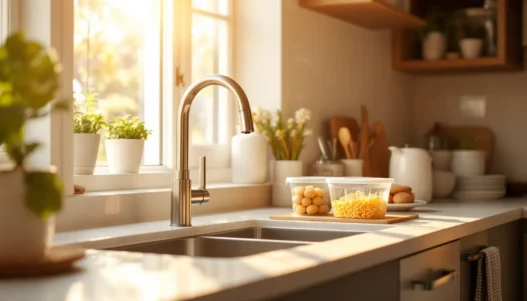

Why Ditching Single-Use Plastic in the Kitchen Matters
The kitchen is, hands down, the biggest single-use plastic zone in most homes. Between food packaging, storage bags, cling film, sponges, trash liners, and produce wraps, a typical household can cycle through hundreds of disposable plastic items every month. And here’s what gets me: most of those items are used for less than fifteen minutes before they’re thrown away.
Environmentally, the numbers are staggering. The UN Environment Programme estimates that roughly 400 million metric tons of plastic waste are produced globally each year, and a significant chunk of that is packaging, much of it originating in our kitchens. Microplastics have been found in sea salt, tap water, honey, and even human blood. So the stuff we toss doesn’t just “go away.” It fragments, drifts, and circles back.
But there’s a personal health angle too. Heating food in plastic containers or wrapping warm leftovers in cling film can cause chemicals like BPA and phthalates to leach into what you eat. Even “BPA-free” plastics sometimes contain substitute compounds that aren’t much better studied.
For me, it came down to something simple: I want my kitchen, the place where I nourish my family, to be as clean and honest as the food I’m trying to cook. That’s the real reason ditching single-use plastic matters. It aligns the space where you prepare food with the care you put into choosing it.
What to Look for in a Reusable Kitchen Swap

Not every reusable product is created equal. I’ve bought my share of eco-marketed items that ended up in a drawer because they were annoying to clean, fell apart in two months, or just didn’t fit my routine. So before I recommend specific swaps, here’s what I’ve learned to look for.
Durability and Material Safety
The whole point of a reusable swap is that it lasts. I look for food-grade stainless steel, borosilicate glass, natural rubber, organic cotton, and platinum-cured silicone. These materials are stable at a range of temperatures, don’t leach chemicals into food, and can take daily wear without degrading quickly.
A good test: if the product doesn’t clearly state what it’s made of, I move on. Transparency about materials is a baseline, not a bonus. And I steer clear of anything marketed as “eco-friendly” that’s actually just a slightly different type of plastic with a green label.
Ease of Cleaning and Maintenance
This is where a lot of well-intentioned swaps fail. If something is hard to clean, looking at you, narrow-mouth silicone bags, it’ll end up collecting dust. I prioritize items with wide openings, smooth seams, and dishwasher compatibility. Beeswax wraps, for example, need hand-washing with cool water, which is easy enough, but you have to know that going in.
My rule of thumb: if cleaning the reusable version takes more than double the effort of tossing the disposable one, I need a really compelling reason to stick with it. Most of the swaps I’ll mention below pass that test comfortably.
The Best Reusable Swaps for Food Storage
Food storage is where I started my plastic-light journey, because it’s where the single-use waste was most visible in my kitchen. Every time I opened the fridge, I saw zip-lock bags, plastic wrap, and takeout containers I kept reusing until they warped.
Silicone Bags and Stainless Steel Containers
Silicone bags were my first real swap, and honestly, they changed the game. I use them for everything, freezing berries, marinating tofu, packing snacks for road trips. The best ones are self-sealing, lay flat in the freezer, and can go straight from the freezer to a pot of simmering water for reheating. Look for platinum-cured silicone, which is the most stable and doesn’t carry that rubbery smell some cheaper versions have.
Stainless steel containers are my other go-to. They’re virtually indestructible, don’t stain from turmeric or tomato sauce (a real win in my kitchen), and they keep food fresh in the fridge without absorbing odors. I have a set of nesting containers with leak-proof lids that I use for meal prep, leftovers, and even lunchboxes. They’re heavier than plastic, sure, but the trade-off is that I’m not replacing them every few months.
One thing to note: stainless steel isn’t microwave-safe. If you reheat in the microwave often, glass containers with silicone-sealed lids are a better fit.
Beeswax Wraps and Silicone Lids
Beeswax wraps replaced cling film in my kitchen almost entirely. They’re sheets of cotton coated in beeswax, tree resin, and jojoba oil, and they cling to bowls, wrap around half an avocado, or fold into little pouches for cheese or bread. The warmth of your hands softens the wax and creates a seal. They last about a year with regular use, and when they’re done, they’re compostable.
For bowls and jars that need a quick cover, I use stretchy silicone lids. They come in various sizes, suction onto rims, and are great for covering a bowl of leftovers or a half-used can of coconut milk. They pop right into the dishwasher.
Between silicone bags, steel containers, beeswax wraps, and silicone lids, I’d estimate I’ve cut my food-storage plastic waste by about 80 percent. That’s not perfection, and I’m not chasing perfection, but it’s a meaningful shift.
The Best Reusable Swaps for Cooking and Meal Prep
Cooking and meal prep generate more plastic waste than most people realize. Think about it: parchment paper with a silicone coating (technically not recyclable), plastic cutting boards that shed microplastics with every knife stroke, disposable gloves, single-use piping bags, plastic wrap over rising dough.
Here are the swaps that have stuck for me.
I replaced disposable parchment with reusable silicone baking mats. They lie flat on any sheet pan, nothing sticks, and they last for years. I use mine multiple times a week, for roasting vegetables, baking cookies, even reheating pizza. One mat replaces hundreds of sheets of parchment over its lifetime.
For cutting boards, I switched to solid wood and bamboo. A well-maintained wood board actually has natural antibacterial properties (the fibers pull bacteria down below the surface where they die off), and it doesn’t release microplastic particles the way a scored-up plastic board does. I oil mine with food-grade mineral oil once a month, and they’ve held up beautifully.
Instead of plastic wrap over bowls of rising bread dough, I drape a damp cotton cloth or use a silicone lid. Both work just as well for trapping moisture, and neither ends up in the trash.
And for meal prep specifically, I batch-cook into glass or stainless steel containers directly, no decanting from plastic. It’s one less step, and the food doesn’t pick up any off-flavors from sitting in plastic overnight.
One more quiet swap: reusable cotton produce bags for washing and storing greens. I toss my lettuce and herbs into a damp cotton bag in the crisper drawer, and they stay fresh just as long as they would in a plastic bag, sometimes longer, because the cotton breathes and prevents that slimy condensation buildup.
The Best Reusable Swaps for Cleaning and Waste
Cleaning supplies might be the sneakiest source of kitchen plastic. Sponges are usually made of polyurethane foam and polyester, synthetic materials that break down into microplastics every time you scrub. Dish soap comes in plastic bottles. Trash bags are, well, plastic bags.
Here’s where I’ve made the biggest dent.
I swapped synthetic sponges for natural cellulose sponges and cotton dishcloths. Cellulose sponges are made from wood pulp, and they compost at the end of their life. For scrubbing, I use a wooden brush with replaceable heads, the bristles are plant-based, and I only replace the head, not the whole brush. It sits in a little holder by my sink and honestly looks nicer than the old neon sponge ever did.
For dish soap, I switched to a solid dish soap bar or a refillable liquid soap from a local zero-waste store. The bar sits on a small ceramic dish next to the sink. You just swipe your wet brush across it. It sounds fussy, but it’s become second nature, and one bar lasts me about two months.
Trash bags are trickier. I haven’t found a perfect solution, but I’ve reduced the volume of trash itself so dramatically, through composting, recycling, and fewer disposables, that I go through far fewer bags. I use compostable bags for the kitchen bin now, which aren’t zero-impact, but they’re a step in the right direction.
Paper towels were another big one. I keep a stack of cut-up old cotton t-shirts and flour sack towels in a basket on the counter. They handle everything from wiping spills to drying dishes. I toss them in the laundry and reuse them for months. I still keep a single roll of paper towels for truly gross messes (raw chicken juice, I’m looking at you), but that roll lasts me a couple of months now instead of a week.
Common Mistakes That Derail a Plastic-Light Kitchen
I’ve made most of these mistakes myself, so consider this a friendly heads-up.
The biggest one is trying to do everything at once. You clear out the whole kitchen in one weekend, spend $200 on reusable products, and then feel overwhelmed because nothing is where it used to be and you’re hand-washing seven new things every night. Burnout is real, even in sustainability.
Another common trap is throwing away perfectly functional plastic items to replace them with “eco” versions. That plastic container still works. Use it until it cracks or warps, and then replace it with something better. The most sustainable item is the one you already own.
I’ve also seen people (myself included) hoard reusable products. Five sets of silicone bags, three styles of beeswax wraps, a drawer full of cotton produce bags. At some point, accumulating more stuff, even eco-friendly stuff, defeats the purpose. Buy what you’ll actually use, and resist the urge to collect.
Finally, don’t underestimate the power of simply buying less packaging in the first place. Shopping at farmers’ markets, buying in bulk, choosing products in glass jars over plastic pouches, these upstream choices reduce the need for storage solutions altogether. Swaps are great, but source reduction is even better.
How to Transition Without Overwhelm
If I could go back and talk to myself at the start of this process, I’d say: pick one category and start there. Just one.
For most people, food storage is the easiest entry point because the wins are visible and immediate. Replace your cling film with beeswax wraps. Get two or three silicone bags. Use them for a month. Let the habit settle in before you move on to the next thing.
I like the “one in, one out” approach. When a disposable item runs out, the box of zip-lock bags is empty, the last sponge is falling apart, that’s your cue to bring in the reusable alternative. No purging, no big investment. Just a gradual, natural rotation.
It also helps to keep your reusable items visible and accessible. If the beeswax wraps are buried in a back drawer, you’ll reach for the plastic wrap on the counter every time. I hung a small hook inside a cabinet door for my wraps, and my silicone bags stand upright in a container next to the stove. Out of sight really is out of mind when it comes to new habits.
Give yourself grace, too. I still use a plastic bag occasionally. I still buy something in packaging I wish were different. A plastic-light kitchen isn’t a plastic-free kitchen, and that distinction matters. Progress over perfection is the only approach that lasts.
And talk to the people you live with. If your partner or roommate doesn’t know where the reusable wraps are or how to clean a silicone bag, they’ll default to whatever’s easiest. A two-minute walkthrough goes a long way.
Conclusion
A plastic-light kitchen isn’t built in a day. It’s built in small, steady swaps, one empty box of cling wrap replaced by beeswax wraps, one worn-out sponge traded for a wooden brush, one meal prepped into glass instead of plastic.
What I love about this process is that it makes you more intentional in a space where intentionality really matters. The kitchen is where you feed yourself and the people you care about. Making it a little cleaner, a little less wasteful, a little more aligned with how you actually want to live, that feels good in a way that goes beyond environmentalism.
You don’t need to be perfect. You just need to start.
I’d love to hear where you are in your own plastic-light journey. What’s been your favorite swap so far, or what’s the one disposable item you haven’t found a good replacement for yet? Drop a comment, I’m always learning from what works in other people’s kitchens.
This article is for general informational purposes and does not constitute professional advice. If you have specific health concerns related to food safety or materials, please consult a qualified professional.