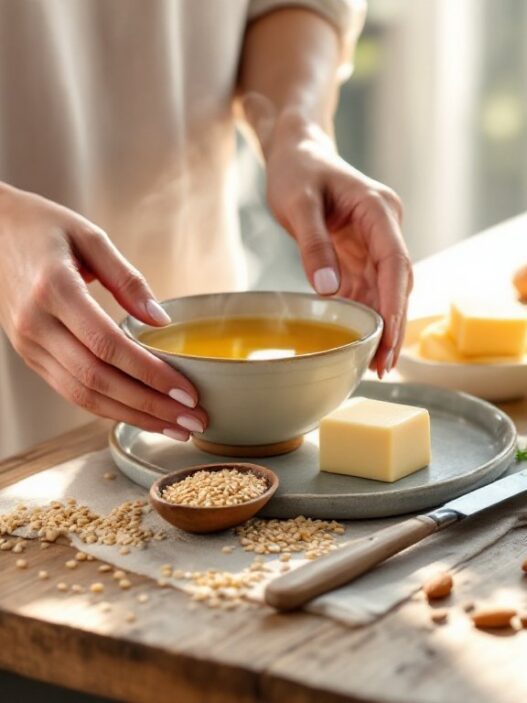








Why Your Lips Get Chapped in the First Place
Most people blame the weather and stop there. And sure, cold dry air plays a role, but Ayurveda looks deeper. Chapped lips are primarily a sign of Vata imbalance, meaning the qualities of dryness, roughness, lightness, and mobility have increased in your system beyond what your body can comfortably manage.
Think of it this way. Your lips are one of the thinnest, most delicate tissues on your body. They don’t have oil glands of their own. So when Vata’s dry, rough qualities rise, whether from cold weather, irregular eating, too much travel, stress, or dehydration, your lips are among the first places to show it.
But it’s not only a Vata story. If Pitta is aggravated, you might notice your lips feel hot, irritated, or develop small burning cracks at the corners. That sharp, inflamed quality is classic Pitta. And when Kapha is involved, less common with chapped lips, but it happens, you might see a dull, pale puffiness alongside the dryness, especially in late winter or early spring when dampness and cold combine.
The gunas (qualities) at play here matter. Dryness opposes moisture. Roughness opposes smoothness. When these qualities accumulate, they pull the natural oiliness and suppleness right out of delicate tissue. Cold weather intensifies this because cold is itself a Vata quality, it constricts, tightens, and reduces circulation to the surface.
What’s also worth paying attention to is your agni, your digestive and metabolic fire. When agni is low or erratic, your body can’t properly absorb the nutrients and fats that keep skin and lips nourished from within. So even if you’re eating well, a sluggish digestion means those nutrients aren’t reaching where they need to go.
Do this today: Pause and notice what your lips feel like right now. Are they dry and cracking (Vata)? Hot and irritated (Pitta)? Dull and slightly swollen (Kapha)? That observation alone helps you pick the right remedy. Takes 30 seconds. Good for anyone, regardless of experience level.
Home Remedies That Heal Chapped Lips Fast
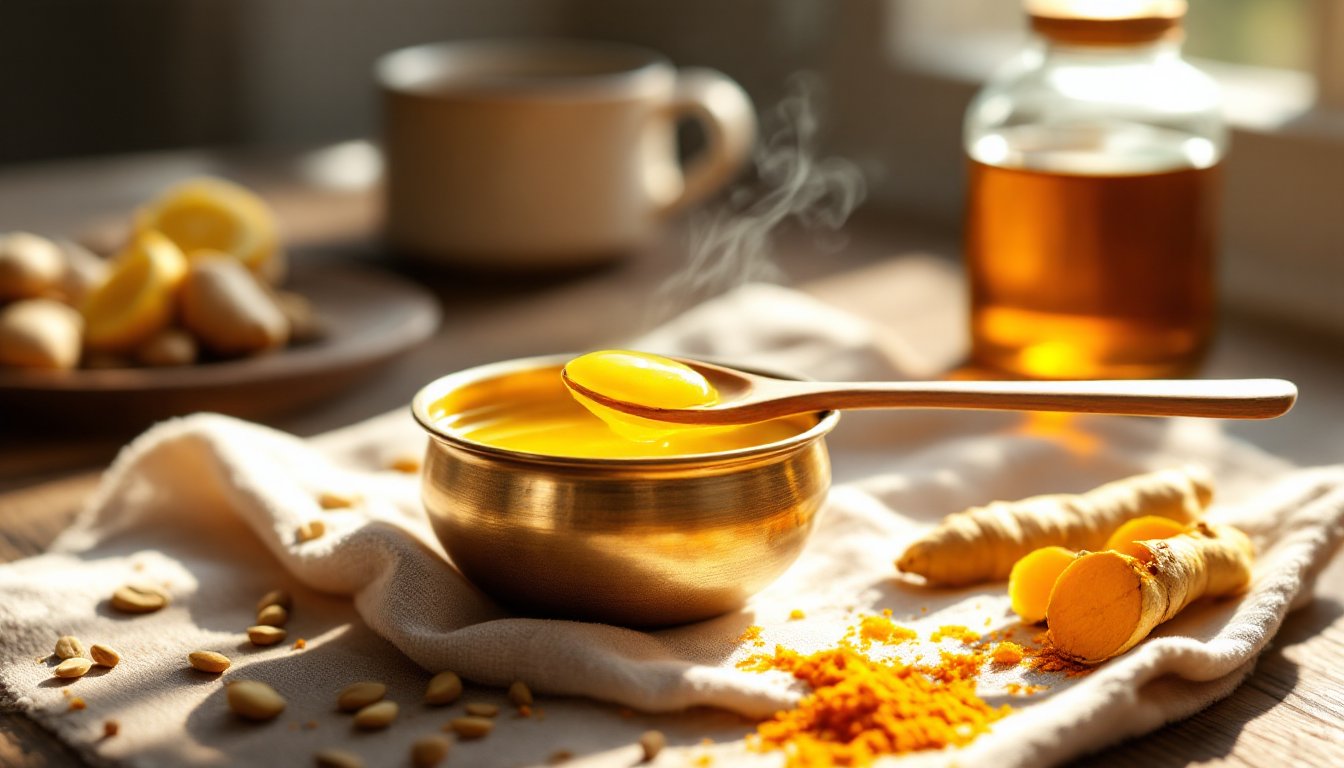
Here’s where most advice goes wrong, it stays on the surface. A good lip balm helps, absolutely. But lasting remedies for chapped lips work from the inside out.
Let me explain the Ayurvedic logic. When your digestion (agni) is weak or irregular, food isn’t fully processed. The undigested residue, called ama, creates a subtle stickiness in your channels that blocks nourishment from reaching your tissues. Your lips, being so thin and exposed, show the deficit quickly. Signs of ama include a coated tongue in the morning, sluggish digestion, and a general heaviness after meals.
So the first home remedy might surprise you: warm water sipped throughout the day. Not ice water, not huge gulps, just warm, gentle sips. This supports agni, helps clear ama, and brings internal moisture to dry tissues. Think of it like softening dried earth with a slow, steady rain rather than a firehose.
Another powerful remedy is adding a small amount of ghee to your meals. Ghee is warm, oily, smooth, and subtle, the exact opposite of the dry, rough, cold qualities driving chapped lips. A teaspoon with lunch, when your agni is naturally strongest (midday), can make a noticeable difference within a few days.
You might also try applying a thin layer of ghee or sesame oil directly to your lips before bed. This works with the body’s natural overnight repair cycle, and the oily, smooth qualities counterbalance the dryness and roughness that accumulate during the day.
For internal support, consider cooking with warming spices like ginger, cumin, and a pinch of turmeric. These gently stoke agni without overheating it, helping your body process food more completely so nourishment actually reaches the skin.
Do this today: Warm a teaspoon of ghee and stir it into your lunch. Before bed, dab a tiny bit of ghee or sesame oil on your lips. Takes 2 minutes total. Great for anyone with dry, cracking lips, if you have a sensitivity to dairy, skip the ghee internally and use coconut oil on the lips instead.
Natural Ingredients to Look for in Lip Care Products
Not all lip products are created equal. Ayurveda’s principle of “like increases like, opposites balance” gives you a reliable filter.
Since chapped lips involve dryness, roughness, and often coldness, you want ingredients that are oily, smooth, and gently warming. Look for products containing sesame oil, castor oil, beeswax, shea butter, or coconut oil. These bring the heavy, oily, smooth qualities that directly counteract what’s going wrong.
Avoid anything with artificial fragrance, menthol, camphor, or alcohol. These might feel refreshing for a moment, but they carry sharp, dry, and mobile qualities that actually strip moisture and aggravate Vata further. That “tingling” sensation? It’s often your lips losing moisture, not gaining it.
Honey is a nice middle-ground ingredient, it’s subtly scraping (which helps clear dead skin without being harsh) and mildly warming. If you find it in a balm alongside an oil base, that’s a solid combination.
Do this today: Check the label on your current lip balm. If it contains menthol, camphor, or alcohol, consider swapping it for something oil-based and fragrance-free. Takes 1 minute. Good for everyone, especially those who feel their balm “stops working” quickly.
Daily Habits That Prevent Chapped Lips From Coming Back
Remedies are wonderful, but prevention is where the real shift happens. In Ayurveda, we call daily self-care practices dinacharya, and they’re designed to keep your whole system balanced before problems surface.
Two daily habits are particularly powerful for keeping lips soft and nourished.
First: Oil pulling in the morning. Swishing a tablespoon of sesame or coconut oil in your mouth for 5–10 minutes does a few things at once. It brings oily, smooth qualities directly to the oral tissues (including the inner lining of your lips), it gently clears ama that accumulates overnight, and it supports your oral microbiome. I was skeptical the first time I tried this, but after a week, the corners of my mouth, which had been cracking for months, finally softened.
Second: Self-massage with warm oil (abhyanga). Even a mini version, just massaging warm sesame oil into your face, jaw, and around your lips, brings warmth, moisture, and stability to tissues that have been battered by cold, dry air. This nourishes ojas, that deep reserve of vitality and resilience your body depends on to repair and protect delicate tissue. When ojas is strong, your skin and lips hold moisture naturally. When it’s depleted (from stress, poor sleep, or erratic routines), dryness shows up fast.
These habits also support prana, the steady, vital energy that governs your nervous system and breath. When prana flows well, circulation to your extremities (including your lips) improves. When it’s scattered by irregular schedules and overstimulation, the body pulls resources away from the surface.
Timing matters too. Ayurveda suggests that the morning hours, particularly before 10 a.m., are Kapha time, naturally heavier, slower, and more grounded. This is the ideal window for oil pulling and self-massage because your body is already in a receptive, building mode.
Do this today: Try oil pulling with sesame oil for just 5 minutes tomorrow morning, before you eat or drink anything. Follow it with a brief face and lip massage using the same oil. Takes about 8 minutes total. Suitable for most people, if you find the oil pulling uncomfortable, start with just 2 minutes and work up.
Common Mistakes That Make Chapped Lips Worse
I’ve made most of these myself, so no judgment here.
Licking your lips feels like instant relief, but saliva evaporates fast and takes your natural moisture with it. It’s a perfect example of the mobile, light, dry cycle, the temporary wetness tricks you, but the net effect is more dryness. Vata types, who already tend toward dryness, are especially vulnerable to this habit.
Breathing through your mouth, especially at night, is another big one. Mouth breathing dries out the entire oral cavity and lips. It also disturbs prana, that vital breath energy, because nasal breathing is how prana is meant to enter the body. If you wake up with cracked, parched lips, mouth breathing might be the hidden culprit.
Skipping meals or eating at irregular times seems unrelated, but from an Ayurvedic view, it’s directly connected. Erratic eating weakens agni. Weak agni means incomplete digestion. Incomplete digestion produces ama. And ama blocks the channels that carry nourishment to your tissues, including your lips. Your tejas, the metabolic spark that transforms food into tissue-level nourishment, dims when meals are chaotic.
Over-exfoliating your lips is another trap. Scrubbing away flaky skin feels productive, but if the underlying dryness isn’t addressed, you’re just removing the protective layer and exposing raw tissue to more cold, dry, rough air. A gentle approach, like a soft cloth with a drop of oil, is far kinder.
And finally, relying solely on external balms without addressing internal dryness is like painting over rust. The surface looks better for a moment, but the root issue hasn’t changed.
Do this today: Pick one habit from above that resonates and gently work on shifting it this week. If it’s mouth breathing at night, try a humidifier in your bedroom and notice how your lips feel in the morning. Takes minimal effort, just awareness. Good for anyone, especially if you’ve been frustrated by remedies that don’t seem to stick.
When to See a Doctor About Persistent Lip Dryness
Sometimes chapped lips aren’t just chapped lips. If your lip dryness is persistent, lasting more than two or three weeks even though consistent care, or if you notice deep cracks that bleed regularly, crusting, unusual discoloration, or swelling, it’s worth checking in with a healthcare professional.
In Ayurvedic terms, persistent symptoms that don’t respond to basic balancing suggest the imbalance may have moved deeper into the tissue layers (dhatus). What started as a surface-level Vata issue could involve rakta dhatu (blood tissue) or mamsa dhatu (muscle tissue), which needs more targeted support.
Certain nutritional deficiencies, particularly B vitamins, iron, and zinc, can mimic or worsen what looks like simple chapping. A qualified practitioner, whether Ayurvedic or conventional, can help you rule these out.
Allergic reactions to toothpaste, lip products, or certain foods can also present as chronic lip dryness and cracking. If you’ve switched products and adjusted your routine without improvement, that’s a clear sign to seek guidance.
Ayurveda and modern medicine aren’t at odds here. They complement each other beautifully. Use Ayurvedic principles to build your daily foundation, and lean on modern diagnostics when something doesn’t add up.
Do this today: If your chapped lips have persisted for more than three weeks even though following the suggestions in this text, schedule a visit with your doctor or an Ayurvedic practitioner. Takes 5 minutes to book. This is especially important for anyone with additional symptoms like fatigue, digestive issues, or skin changes elsewhere on the body.
If You’re More Vata, Pitta, or Kapha
If you’re more Vata: Your lips likely crack, peel, and feel tight, especially in cold, windy weather. Favor warm, oily, heavy foods like soups, stews, and cooked grains with ghee. Apply sesame oil to your lips and face before heading outside. Try to eat meals at consistent times and avoid skipping lunch. One thing to avoid: raw salads and cold smoothies in winter, which increase the very qualities making your lips dry.
Do this today: Add a teaspoon of ghee to your dinner and apply sesame oil to your lips before sleep. Takes 1 minute. Ideal for anyone who tends toward dryness, anxiety, or coldness, not suited for those with active Kapha congestion.
If you’re more Pitta: Your chapped lips may have an irritated, burning quality, possibly with redness or small cracks at the corners of your mouth. Favor cooling, slightly oily foods, think cucumber, coconut, coriander, and sweet fruits. Coconut oil is your best friend for lip care, both internally (a small amount in cooking) and externally. Avoid spicy foods, excess sun exposure, and products with strong fragrances. One thing to avoid: hot sauces and acidic citrus, which can sharpen the irritation.
Do this today: Dab pure coconut oil on your lips twice today and add cooling foods like cucumber to one meal. Takes 2 minutes. Great for anyone with heat-related lip issues, skip if you’re feeling cold and sluggish.
If you’re more Kapha: Chapped lips with Kapha involvement tend to feel dull, slightly puffy, and slow to heal. You benefit from light, warming, gently stimulating foods, think steamed vegetables with ginger, light grains like millet or barley, and warming teas. For lip care, a thin layer of mustard oil or almond oil works well because these are warming without being too heavy. One thing to avoid: excessive dairy and heavy, cold foods, which increase the dull, heavy qualities that slow healing.
Do this today: Swap one heavy meal for a lighter, warmer option and apply a thin layer of almond oil to your lips. Takes 2 minutes. Good for anyone feeling sluggish or puffy, not ideal if you’re already feeling very dry and light.
Seasonal Adjustment
As seasons shift, so does your lip care. In late autumn and winter, when cold, dry, windy qualities dominate, lean hard into oily, warming, grounding practices. More ghee, more warm soups, more oil on your lips and skin. This is ritucharya, adjusting your habits to match the season’s qualities.
In spring, when Kapha naturally melts and the body starts to lighten, you can ease up on the heavy oils and favor lighter options like almond oil. Add a bit more astringent and bitter taste through greens and legumes to keep things moving.
In summer, Pitta rises. Switch to cooling oils like coconut, stay hydrated with room-temperature water infused with mint or cucumber, and protect your lips from direct sun. The sharp, hot qualities of summer can create a different kind of chapping, more inflamed and angry, so cooling becomes your priority.
Do this today: Look at the season you’re in right now and adjust one thing, your lip oil, your water temperature, or one meal, to match. Takes 1 minute of thought. Good for anyone at any level.
Conclusion
Chapped lips don’t have to be something you just “live with” every season. When you understand what’s driving the dryness, whether it’s a Vata spike, weak digestion, accumulated ama, or simply a mismatch between your habits and the season, the fixes become intuitive rather than frustrating.
Start small. Sip warm water. Add a little ghee. Dab oil on your lips before bed. Notice what your body tells you, and adjust from there. The beauty of the Ayurvedic approach is that it meets you where you are and grows with you.
I’d love to hear what’s worked for you. Have you tried any of these remedies, or do you have a go-to lip care habit that’s made a difference? Drop a comment below and share this with someone who’s been battling dry lips all season, they might just thank you for it.
What does your body seem to be asking for right now?