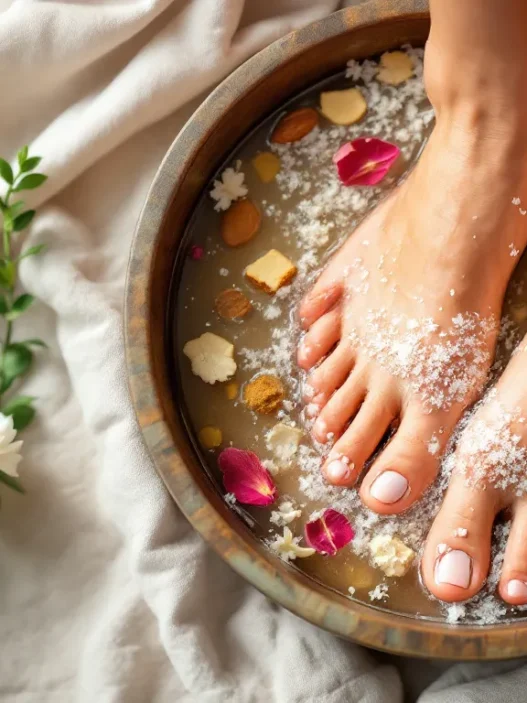








Why Your Body Holds Onto Inflammation and Puffiness
In Ayurveda, puffiness and inflammation don’t just “happen.” They follow a chain of cause and effect that starts well before you notice swelling in your face or joints.
The root cause, what Ayurveda calls nidana, is usually a combination of factors: eating foods that are too heavy, cold, or oily for your constitution: irregular sleep: emotional stress that hasn’t been processed: and a sedentary routine that lets stagnation build up. These causes disturb the doshas, particularly Kapha (the principle of structure and fluidity) and sometimes Pitta (the principle of heat and transformation).
When Kapha becomes aggravated, its natural qualities, heavy, cool, damp, stable, smooth, accumulate in excess. Think of it like a pond with no current: water pools, things get murky, and nothing moves efficiently. That heaviness and dampness is what you feel as puffiness, water retention, and that sluggish “I can’t get going” sensation.
Pitta-driven inflammation looks different. It’s hotter, sharper, more localized, redness, irritation, burning sensations, or joints that feel warm to the touch. The sharp and hot qualities of aggravated Pitta create irritation in tissues, and your body responds with swelling as a protective mechanism.
Vata can also play a role, though it’s subtler. When Vata’s dry, mobile, and rough qualities push the system into irregularity, erratic eating, poor sleep, constant movement without rest, the body’s overall intelligence gets disrupted. That disruption can make both Kapha and Pitta imbalances worse.
Common Triggers You Might Be Overlooking
Some of the most common triggers I see are ones people rarely connect to their puffiness. Late-night eating is a big one, consuming heavy food after 8 p.m. when your digestive capacity is naturally winding down. Cold beverages with meals, which dampen digestive warmth. Emotional eating during stressful periods. Sitting for hours without movement, which lets fluids pool in your lower body.
Even well-intentioned habits can backfire. Drinking enormous amounts of water throughout the day, for example, can actually overwhelm your body’s ability to process fluids if your digestive fire isn’t strong enough to handle the volume.
Do this today: Take ten minutes tonight to honestly inventory your last 48 hours, what you ate, when you slept, how much you moved, and what stressed you out. Look for the pattern, not the single cause. This reflection works for anyone, though if you’re already under a practitioner’s care for a diagnosed condition, let them guide your next steps. Time: 10 minutes.
Dietary Changes That Calm Inflammation From the Inside Out
In Ayurveda, food isn’t just fuel, it’s medicine or poison depending on what you eat, when, and how well you digest it. And this is where the concept of Agni becomes central.
Agni is your digestive and metabolic intelligence. Think of it as a cooking fire. When Agni is strong and steady, it breaks down food completely, extracting nourishment and sending it to your tissues. When Agni is weak or irregular, food doesn’t get fully processed. The leftover residue, called ama, is sticky, heavy, and cool. It clogs channels, dulls your tissues, and creates exactly the kind of internal congestion that shows up as puffiness and inflammation.
Signs of ama are pretty recognizable once you know what to look for: a coated tongue in the morning, sluggish bowels, brain fog, a heavy feeling after eating even moderate portions, and, yes, chronic puffiness.
So the dietary approach isn’t about following a trendy anti-inflammatory food list. It’s about choosing foods that strengthen Agni, reduce ama, and bring the right qualities back into balance.
Anti-Inflammatory Foods to Prioritize
Foods that are warm, light, and slightly dry counter the heavy, cool, damp qualities that drive Kapha-type puffiness. I’m talking about well-cooked vegetables, warming spices like ginger, turmeric, cumin, and black pepper, light grains like barley and millet, and small portions of mung beans.
Ginger deserves a special mention. A thin slice of fresh ginger with a squeeze of lime and a pinch of salt before meals is one of the simplest, most effective ways to kindle Agni. It’s warm, light, and sharp, the exact opposite of the dull, heavy, cool qualities that produce ama.
Turmeric, meanwhile, is warm and slightly dry, with a subtle quality that allows it to reach deep tissues. Combined with a little black pepper and a touch of healthy fat, it supports your body’s natural ability to process and clear stagnation.
For Pitta-driven inflammation, the kind that’s hot and irritated, you’d lean toward cooling but still digestible foods: cilantro, fennel, coconut, cucumber, and bitter greens like dandelion or arugula. These carry cool, light qualities that soothe without creating more heaviness.
Foods and Ingredients That Fuel Swelling
Here’s where I have to be honest, some beloved comfort foods are major contributors. Cold dairy, especially ice cream and chilled yogurt, increases the heavy, cool, and damp qualities dramatically. Fried foods coat Agni like wet sand on a campfire. Refined sugar is sticky and heavy, a perfect ama-generator. Excess salt draws water into tissues and aggravates both Kapha and Pitta.
Processed foods deserve mention too. They’re often loaded with ingredients that are fundamentally hard for your body to recognize and break down, adding to the ama burden even when they don’t seem “unhealthy.”
Do this today: Try sipping warm water with a quarter-teaspoon of grated ginger throughout the morning instead of cold or room-temperature water. This gently stokes Agni and helps your body start clearing stagnation. Suitable for most people: if you tend toward acid reflux or feel overheated easily, use fennel tea instead. Time: 5 minutes to prepare, sip through the morning.
Hydration Habits That Minimize Water Retention
This might sound counterintuitive, but drinking more water isn’t always the answer to water retention. I know, it’s the opposite of what you hear everywhere.
From an Ayurvedic perspective, how you hydrate matters as much as how much. Your body’s ability to process fluids depends on Agni. If your digestive fire is low, which it often is when Kapha is elevated, flooding the system with cold water just creates more heaviness and dampness. The fluid doesn’t get properly distributed: it pools.
The Ayurvedic approach to hydration centers on warm or hot water, sipped throughout the day in moderate amounts. Warm water has light, mobile, and subtle qualities. It moves through your channels more efficiently, helps dissolve ama, and supports Agni rather than suppressing it.
A practice I love: boil water for ten minutes, let it cool just enough to sip comfortably, and drink it from a thermos throughout the day. This “cooked” water is considered lighter and easier for the body to absorb than room-temperature or cold water straight from the tap.
Avoiding large gulps with meals is another underrated habit. A few sips of warm water during eating helps digestion. But drowning your food in liquid dilutes digestive enzymes and weakens the metabolic process, contributing to that post-meal bloat and puffiness.
Herbs can support hydration balance too. A pinch of cumin, coriander, and fennel steeped as a tea, sometimes called CCF tea, is a classic Ayurvedic formula. It’s gentle, slightly warm, and helps your kidneys and digestive tract manage fluids more gracefully.
Do this today: Replace your first glass of cold morning water with a cup of plain hot water or CCF tea. Sip slowly. Notice how your body feels over the next hour, lighter? More awake? This practice benefits nearly everyone, though folks with very high Pitta in summer might prefer the water just warm rather than hot. Time: 5 minutes to prepare.
Movement and Exercise Strategies to Reduce Puffiness
If stagnation is a core driver of puffiness, movement is one of the most direct correctives. But, and this is important, the type of movement matters depending on your constitution and current state.
In Ayurveda, the principle of “like increases like” applies to exercise just as it does to food. If you’re already feeling heavy, dull, and sluggish (Kapha qualities), gentle movement isn’t enough. You need something that introduces light, mobile, warm, and sharp qualities, a brisk walk, dynamic yoga, dancing, cycling. Something that builds internal heat and gets fluids circulating.
But here’s where I see people go wrong: if your puffiness is coming alongside exhaustion and anxiety (a Vata-Kapha picture), pushing into intense cardio can make things worse. The mobile and rough qualities of high-intensity exercise can aggravate Vata, destabilize your nervous system, and paradoxically increase inflammation.
The sweet spot? Move at about 50–70% of your capacity. Enough to break a light sweat, feel your breath deepen, and sense warmth building in your body. That warmth directly supports Agni and helps metabolize ama. The increased circulation moves stagnant fluids out of tissues where they’ve been pooling.
Timing matters here too. The Kapha time of day, roughly 6 to 10 a.m., is when your body naturally carries more heaviness. Exercising during this window directly counterbalances that energy. I’ve personally found that even twenty minutes of movement before 10 a.m. makes a noticeable difference in how puffy and sluggish I feel by afternoon.
Do this today: Try a twenty-minute brisk walk tomorrow morning between 7 and 9 a.m. If you can, add some arm swings or light jogging intervals. Notice the difference in your energy and puffiness by midday. This works for most body types, though if you’re recovering from illness or extreme fatigue, gentle stretching or a short slow walk is a better starting point. Time: 20 minutes.
Sleep, Stress, and Their Hidden Role in Chronic Swelling
I can’t overstate how much sleep and unprocessed stress contribute to chronic puffiness. In my experience, people often overhaul their diet and exercise while completely ignoring these two, and then wonder why the swelling persists.
Ayurveda sees sleep as one of the three pillars of life (along with food and balanced energy use). When sleep is disturbed, too late, too light, or too erratic, Vata’s dry, mobile, and subtle qualities become aggravated. The nervous system loses its steadiness. And when the nervous system is destabilized, the body’s entire metabolic intelligence falters. Agni weakens. Ama accumulates. The body holds onto fluid as a kind of protective buffer.
Going to bed before 10 p.m. is one of the most powerful anti-inflammatory habits in the Ayurvedic toolkit. Between 10 p.m. and 2 a.m. is Pitta time, when your body’s internal housekeeping kicks in: repairing tissues, processing emotions, clearing metabolic waste. If you’re awake during this window, that Pitta energy gets redirected toward activity (hello, midnight snacking and racing thoughts) instead of doing its restorative work.
This directly affects your vitality triad: Ojas (deep resilience and immunity), Tejas (the metabolic spark that keeps your tissues clear), and Prana (the life force that governs your nervous system). Poor sleep depletes all three. Low Ojas means your body can’t buffer against inflammation. Diminished Tejas means metabolic waste isn’t being transformed. Scattered Prana means your system can’t coordinate its own healing.
How Stress Hormones Drive Inflammation
Chronic stress keeps you in a reactive mode that Ayurveda would describe as excess Vata pushing Pitta. The sharp, hot quality of unresolved stress creates micro-irritation throughout the body. Your tissues respond with swelling, it’s a protective response that becomes chronic when the stress never resolves.
Modern research confirms what Ayurveda has observed for centuries: sustained cortisol elevation promotes fluid retention, disrupts gut integrity, and drives inflammatory pathways. But in Ayurveda, we look upstream from cortisol to the qualities driving the imbalance, and then apply their opposites.
The opposite of sharp and mobile stress? Smooth, stable, grounding practices. Warm oil self-massage (abhyanga) before bathing is one of the most effective. The warm, heavy, smooth, oily qualities of sesame or coconut oil directly counter Vata’s dry roughness and calm the nervous system in a way that no supplement can replicate.
Do this today: Tonight, set a “wind down” alarm for 9 p.m. Dim the lights, put away screens, and try rubbing warm sesame oil onto the soles of your feet before bed. This small practice has an outsized effect on sleep quality and morning puffiness. Suitable for everyone: if you’re very Pitta and tend to feel hot at night, use coconut oil instead. Time: 10 minutes.
Daily Habits and Routines That Support Long-Term Relief
Short-term fixes are great, but lasting relief from body inflammation and puffiness comes from weaving supportive habits into your daily rhythm. Ayurveda calls this dinacharya, an ideal daily routine, and it’s less about rigid scheduling than about aligning your activities with your body’s natural intelligence.
Two daily practices I always recommend for people dealing with puffiness:
Morning tongue scraping. That white or yellowish coating on your tongue when you wake up? That’s a visible sign of ama. Using a stainless steel or copper tongue scraper first thing gently removes that residue and stimulates your digestive system to start clearing from the top down. It’s subtle but surprisingly impactful over time.
Warm water with lemon or ginger before breakfast. This simple habit kindles morning Agni, which tends to be low after sleep (especially for Kapha-predominant types). It gets the digestive “fire” going before you ask it to process a full meal.
Beyond these two anchors, the Ayurvedic approach emphasizes eating your main meal at midday, between roughly 11 a.m. and 1 p.m., when Pitta (and hence Agni) is at its peak. This is when your body is best equipped to handle heavier, more complex foods without generating ama. Saving your lightest meal for evening supports better sleep and reduces morning puffiness dramatically.
An evening walk after dinner, even ten or fifteen minutes, prevents the post-meal stagnation that contributes to overnight fluid accumulation. It’s gentle enough for everyone and carries the mobile quality needed to keep things circulating.
If You’re More Vata
Your puffiness likely comes with anxiety, irregular digestion, and feeling “wired but tired.” You need warmth, moisture, and stability. Favor warm, well-cooked, slightly oily foods, think stews, soups with ghee, and root vegetables. Keep your mealtimes regular. Avoid raw, cold, and dry foods (salads, crackers, popcorn). Your best movement is gentle, rhythmic, walking, swimming, restorative yoga. Avoid skipping meals, which destabilizes Vata further and can paradoxically increase water retention.
Do this today: Have a warm, slightly oily breakfast (oatmeal with ghee, stewed fruit with cinnamon) within an hour of waking. Time: 15 minutes. Best for Vata-dominant types or anyone feeling anxious and puffy simultaneously: not ideal if you’re experiencing heavy, congested Kapha-type puffiness.
If You’re More Pitta
Your inflammation tends to run hot, redness, irritability, burning sensations, maybe skin flare-ups alongside the swelling. You need cooling, soothing, and moderating influences. Favor cooling foods like cucumber, coconut, cilantro, sweet fruits, and bitter greens. Avoid spicy, fermented, and acidic foods, they add fuel to the fire. Your ideal movement is moderate and enjoyable, not competitive. Swimming in cool water is fantastic for you. Avoid exercising in the midday heat or pushing past the point of frustration.
Do this today: Add a handful of fresh cilantro and a squeeze of lime to your lunch. Try a five-minute cooling breath practice (shitali, breathing in through a curled tongue) after your midday meal. Time: 10 minutes. Best for Pitta-dominant types or anyone whose swelling includes heat and redness: not the best approach if your puffiness is cold and heavy.
If You’re More Kapha
You’re the most prone to classic water retention and puffiness. Your body already carries the heavy, cool, damp, stable qualities in abundance, and they accumulate easily. You need lightness, warmth, dryness, and stimulation. Favor light, warm, pungent foods, lots of spices, steamed vegetables, legumes, barley. Minimize dairy, wheat, sweets, and anything cold or fried. Your best movement is vigorous and consistent, you’re the one who benefits most from that brisk morning exercise. Avoid sleeping past 7 a.m. and daytime napping, both of which increase Kapha stagnation.
Do this today: Try dry brushing (garshana) your skin with raw silk gloves or a natural bristle brush before your morning shower. Use vigorous upward strokes toward the heart. This introduces light, rough, and mobile qualities directly into the skin and lymph. Time: 5 minutes. Best for Kapha-dominant types or anyone feeling heavy and waterlogged: skip if your skin is inflamed, broken, or very sensitive.
Do this today (routine-level): Pick the two daily habits that resonate most with your constitution and commit to them for one week before adding anything else. Consistency matters more than complexity. Time: 15–20 minutes total. Suitable for all types.
When to See a Doctor About Persistent Swelling
I want to be clear about something: while Ayurvedic lifestyle practices can make a meaningful difference for everyday puffiness and low-grade inflammation, there are times when professional guidance is non-negotiable.
If your swelling is sudden and severe, affects one leg significantly more than the other, comes with shortness of breath or chest discomfort, or doesn’t respond to consistent lifestyle changes over several weeks, please see a healthcare provider. Persistent puffiness can sometimes signal kidney, heart, thyroid, or lymphatic issues that need proper evaluation.
Also, if you’re noticing significant ama signs, chronic fatigue, persistent brain fog, unexplained weight gain, joint stiffness that doesn’t improve, working with a qualified Ayurvedic practitioner can help you get a more personalized assessment than any article can provide.
Seasonal Wisdom for Managing Inflammation
Ayurveda’s ritucharya, seasonal routine, reminds us that the same body needs different care at different times of year. In late winter and spring, when the external environment is naturally cool, heavy, and damp, Kapha-type puffiness peaks. This is the season to be most diligent with warming spices, light foods, vigorous morning movement, and dry brushing.
In summer, when heat and sharpness dominate, Pitta-type inflammation flares. Shift toward cooling herbs (mint, coriander, fennel), gentler exercise, and coconut oil for self-massage instead of sesame.
In autumn, when Vata’s dry and mobile qualities rise, focus on grounding and moistening, warm oil massage, nourishing soups, and keeping a very steady daily rhythm to prevent the nervous system destabilization that worsens inflammation indirectly.
Do this today: Look outside. Notice the season’s qualities, is it cold, damp, hot, dry, windy? Choose one adjustment from the seasonal guidance above that matches what you’re feeling right now. Time: 2 minutes of reflection, then one simple swap. Suitable for everyone.
This is general education, not medical advice. If you’re pregnant, managing a condition, or taking medication, check with a qualified professional.
Conclusion
If there’s one thing I hope you take from this, it’s that body inflammation and puffiness aren’t a life sentence, and they aren’t a mystery, either. Your body is communicating. The heaviness, the swelling, the sluggishness, they’re signals that something in your internal environment needs a gentle course correction.
The beauty of Ayurveda’s approach is that it doesn’t ask you to fight your body. It asks you to understand it. To notice whether you’re running too cold or too hot, too dry or too damp, too mobile or too stagnant, and then to apply the opposite qualities through the simplest possible means: what you eat, how you move, when you rest, and how you care for yourself each day.
You don’t need to overhaul everything at once. Pick one or two practices that resonated with you, maybe it’s the morning warm water, the evening oil on your feet, or the brisk walk before 10 a.m. Give it a week. Notice what shifts.
I’d love to hear what you try and how it lands. Drop a comment below or share this with someone who’s been dealing with that frustrating, persistent puffiness, sometimes just knowing there’s an explanation (and a path forward) makes all the difference.
What’s the one habit you’re going to start with today?