








Why Your Screen Time Is Disrupting More Than Just Your Sleep
Most conversations about screen time focus on blue light and sleep cycles. And yes, that matters. But from an Ayurvedic standpoint, the disruption goes much deeper than melatonin.
Every time you scroll, swipe, or click, you’re feeding your senses a constant stream of input, fast, bright, sharp, and endlessly mobile. In Ayurveda, these are specific qualities (called gunas) that accumulate in your system over time. Think of it like eating the same heavy food every single meal: eventually, it catches up with you.
Screens are dominated by qualities that are light, mobile, sharp, dry, and subtle. When these qualities build up without anything to balance them, they start to disturb your nervous system, your digestion, and even the deeper layers of tissue that support immunity and emotional resilience.
You might notice it as scattered thinking, eyes that feel strained and dry, a jaw that’s always a little clenched, restless sleep, or that weird wired-but-tired feeling in the evening. These aren’t random symptoms. They’re your body telling you that something’s out of balance, and that the cause (what Ayurveda calls nidana) is sensory overload.
The real issue isn’t that technology is bad. It’s that most of us have no counterbalance. We pour stimulation in all day long and never give our senses a chance to rest, digest, and reset.
Do this today: Track your screen time for just one day, not to judge yourself, but to get honest about the volume of sensory input you’re absorbing. Takes about 30 seconds to check your phone’s built-in tracker. This is for anyone who suspects they’re taking in more than they realize.
The Ayurvedic Perspective on Digital Overstimulation
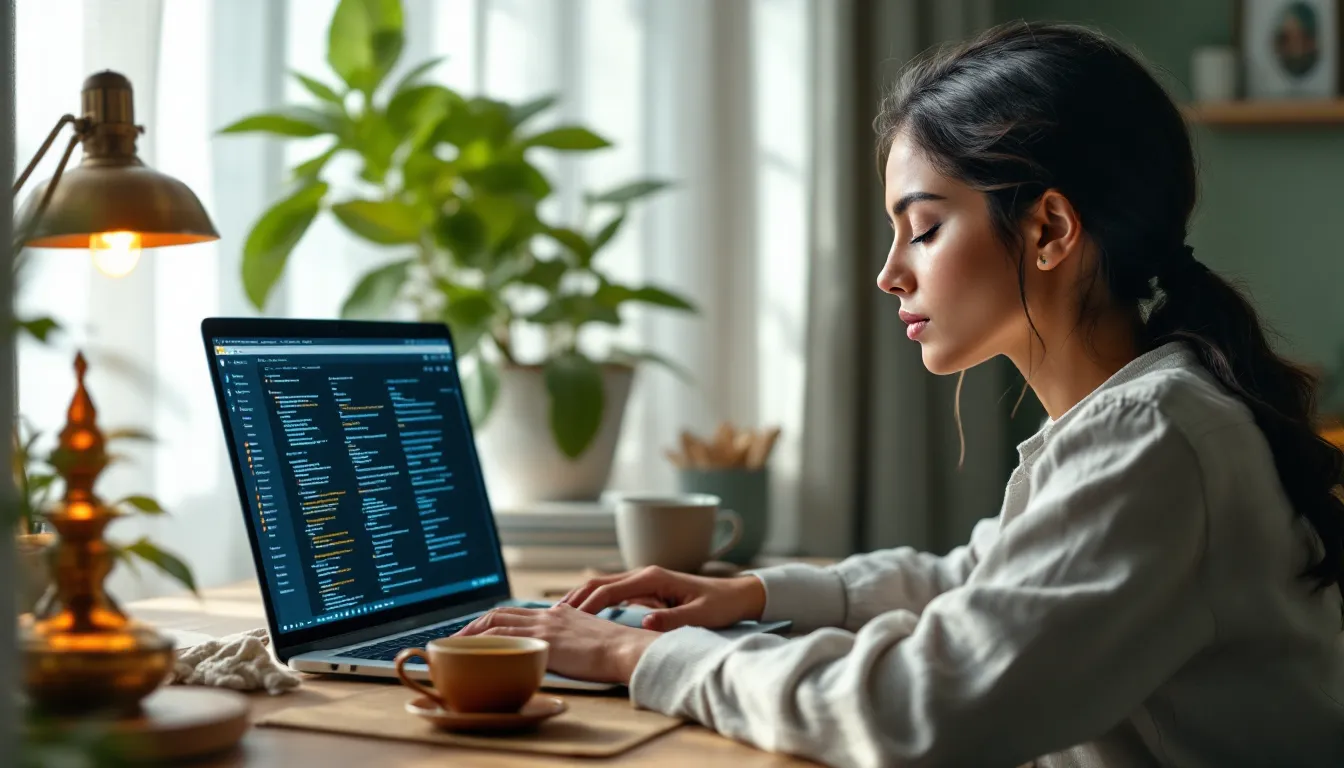
In Ayurveda, overstimulation isn’t just a mental health buzzword, it’s a measurable imbalance that affects your doshas, your digestive fire (agni), and the quality of your life energy.
Let me break this down simply. Your body has an intelligence that processes not just food, but also experiences. Ayurveda calls this agni, your metabolic and digestive fire. When agni is strong, you can take in an experience, extract what’s useful, and let the rest go. When agni is overwhelmed, by too much input, too fast, with no pause, it creates a residue called ama.
Ama from sensory overload doesn’t look like a coated tongue (though it can). It often shows up as brain fog, emotional heaviness, a dull feeling behind the eyes, low motivation, or difficulty making decisions. You’ve taken in more than you can process, and the undigested residue sits in your system like mental sludge.
This matters because when ama accumulates, it directly depletes your vitality triad: ojas (your deep resilience and immunity), tejas (the clarity and sharpness of your perception), and prana (the steady, alive quality of your breath and nervous system). You end up feeling simultaneously overstimulated and depleted, which is exactly what chronic screen overuse does.
Do this today: After your next long screen session, pause for 2 minutes with your eyes closed. Notice if your mind keeps racing or if there’s a foggy, heavy quality. That’s a sign your mental agni is struggling to keep up. Good for anyone, especially if you work on a computer all day.
How Vata, Pitta, and Kapha Respond Differently to Screen Overload
Not everyone reacts to screens the same way, and Ayurveda explains why beautifully.
If you carry more Vata energy (naturally creative, quick-thinking, sensitive), screens amplify the mobile, dry, and light qualities you already have in abundance. You’re the one who opens 27 browser tabs, can’t finish any of them, and ends the day feeling anxious, scattered, and physically ungrounded. Your sleep is the first thing to suffer, racing thoughts at bedtime, anyone?
If you carry more Pitta energy (driven, focused, intense), screens feed the sharp and hot qualities in your constitution. You might not feel scattered, you feel locked in. Hours vanish. Your eyes burn. You get irritable when interrupted. The heat builds, and it often shows up as eye inflammation, tension headaches, or a short temper by evening.
If you carry more Kapha energy (steady, calm, nurturing), the danger is different. Screens pull you into a dull, heavy, stagnant loop, mindless scrolling, binge-watching, staying sedentary for hours. The mobile quality of content creates a false sense of activity while your body and metabolism grow increasingly sluggish. You might feel emotionally numb or unmotivated afterward.
Understanding your pattern is the first step toward choosing the right antidote.
Do this today: Identify which pattern sounds most like you. You don’t need a formal dosha quiz, just honest self-observation. Takes 5 minutes of reflection. This is for anyone curious about why screens affect them the way they do.
Dinacharya: Building a Daily Routine That Balances Tech and Tranquility
Ayurveda has always emphasized dinacharya, an ideal daily rhythm, as one of the most powerful tools for health. It’s not about rigidity. It’s about creating anchors of calm and presence in your day so that technology doesn’t fill every gap.
When your day has no rhythm, screens rush in to fill the silence. Dinacharya gives you something better to reach for.
Morning Rituals to Ground Yourself Before Reaching for Your Phone
Here’s a small experiment I tried that changed my mornings entirely: I stopped checking my phone for the first 45 minutes after waking.
Instead, I gave that time back to my senses. Splashing cool water on my face (which calms Pitta’s heat and wakes up Kapha’s heaviness). A few minutes of gentle stretching or walking, something with a slow, stable, grounding quality to counteract Vata’s morning lightness. A warm cup of water with a little ginger to kindle agni before asking my digestion to process anything complex.
These aren’t elaborate rituals. They’re small acts that tell your nervous system: you’re safe, there’s no emergency, we can start gently.
The Vata time of morning (roughly before sunrise through early morning) is naturally light, mobile, and cool. If the very first thing you do is flood that sensitive window with sharp, fast-moving screen content, you’re stacking mobile on top of mobile. It’s like throwing kindling on a wind, everything scatters.
Do this today: Try a screen-free first 30 minutes tomorrow morning. Splash your face with cool water, sip something warm, and move your body gently. That’s it. Good for all constitution types, especially Vata-dominant folks who wake up feeling anxious.
Evening Wind-Down Practices to Calm a Wired Mind
Evening is where most of us really struggle. The day’s accumulated screen input is sitting in your system, your eyes feel dry and strained, and your mind is still buzzing even though your body is tired.
Ayurveda considers the evening transition, roughly the shift from Pitta time into Kapha time, as a natural window for slowing down. Your body wants to wind down. The heavy, cool, stable qualities of Kapha are rising. But if you’re still scrolling, you’re fighting that natural rhythm with sharp, mobile, light stimulation.
A simple practice I love: warming a small amount of sesame oil (or coconut oil if you run hot) and gently massaging the soles of your feet and your temples before bed. This is called pada abhyanga, and it’s remarkably effective at drawing excess Vata energy downward, calming the mobile quality of a racing mind, and promoting deep, oily, smooth sleep.
Pair that with dimming your lights and stepping away from screens at least 30 minutes before you plan to sleep. Not because of blue light science alone, but because your senses need a buffer zone to transition from input mode to rest mode.
Do this today: Tonight, try a 5-minute foot massage with warm oil and set screens aside 30 minutes before bed. Best for anyone feeling wired at night, especially Vata and Pitta types.
Ayurvedic Herbs and Foods That Support Mental Clarity in a Digital World
Food is medicine in Ayurveda, but it’s not just about nutrients. It’s about qualities. When screens have loaded you up with dry, sharp, hot, and mobile qualities, your food can serve as a direct counterbalance.
Foods that are warm, slightly oily, grounding, and easy to digest help rebuild what screen time depletes. Think cooked grains like rice or oats, stewed fruits, ghee, warm milk spiced with nutmeg or cardamom in the evening, and soups made with root vegetables. These foods carry heavy, smooth, and stable qualities that nourish ojas, that deep layer of vitality and emotional resilience.
On the herb side, a few stand out for their relevance to a digital world.
Brahmi (Bacopa monnieri) is cooling, subtle, and deeply nourishing to the mind. It supports mental clarity and helps calm the sharp, overheated quality that comes from intense focus on screens. I find it especially helpful for Pitta-dominant folks who get locked into work mode.
Ashwagandha brings warm, heavy, oily, and stabilizing qualities, a direct counter to Vata’s dry, mobile, anxious pattern. It supports ojas and helps the nervous system recover from overstimulation.
Shankhapushpi is another gentle brain tonic that calms a restless mind without dulling it. It nourishes tejas, that inner clarity, so your thinking feels sharp but not frantic.
A simple evening drink: warm milk (dairy or oat) with a pinch of nutmeg, a half teaspoon of ashwagandha, and a small spoon of ghee. It’s heavy, smooth, warm, and oily, everything your overstimulated nervous system is craving by the end of a screen-heavy day.
Do this today: Try the warm milk drink tonight, about 30 minutes before bed. Takes 5 minutes to prepare. Suitable for most people, though if you have a dairy sensitivity, swap for oat or almond milk. If you’re considering herbs, start low and listen to your body, or consult an Ayurvedic practitioner for personalized guidance.
Mindful Technology Use Through the Lens of Pratyahara
There’s an Ayurvedic concept that doesn’t get enough attention in digital wellness conversations: pratyahara, the conscious withdrawal of the senses.
Pratyahara isn’t about deprivation. It’s about giving your senses a break so they can recalibrate. Think of it this way, if you’ve been in a loud room for hours, stepping outside into quiet doesn’t feel like punishment. It feels like relief. That’s pratyahara.
In the context of screen use, pratyahara means intentionally creating pockets in your day where your senses aren’t being fed input. No podcasts during your walk. No background TV while you cook. No scrolling while you eat.
This is where mental agni gets a chance to catch up. All that unprocessed input, the half-read articles, the emotionally charged social media posts, the 47 notifications, finally gets digested. Ama clears. Prana flows more freely. You start to notice that your thinking feels cleaner, your reactions feel less automatic, and your overall energy, your ojas, starts to rebuild.
I practice pratyahara in a very unglamorous way: I eat lunch without my phone. That’s it. Some days I sit in silence for ten minutes after work before doing anything else. These tiny windows of sensory rest have done more for my mental clarity than any app or supplement.
The beauty of pratyahara is that it strengthens your tejas, your capacity to perceive clearly, so that when you do engage with technology, you’re more intentional about it. You choose what to take in rather than absorbing everything passively.
Do this today: Pick one daily activity, eating, walking, or commuting, and do it without any screen or audio input. Just 10–15 minutes. Suitable for everyone, especially helpful for those who feel like their mind never stops.
Practical Ayurvedic Strategies for a Sustainable Digital Detox
Let’s get into the specifics, because philosophy without practice doesn’t change much.
Setting Boundaries Without Disconnecting Completely
I’m not going to tell you to delete Instagram or cancel your Netflix subscription. That’s not realistic for most people, and Ayurveda isn’t about extremes. It’s about balance through opposites.
The principle is straightforward: like increases like, and opposites create balance. If your day is full of mobile, sharp, light, and dry input from screens, you need to intentionally introduce stable, smooth, heavy, and oily experiences to compensate.
Here’s what that looks like practically.
Designate screen-free zones in your home, your bedroom is the most impactful one. When your sleeping space is free of screens, the environment itself becomes a cue for rest. Heavy, dark, cool, stable qualities in your sleeping environment directly support the natural Kapha energy of nighttime.
Create transition rituals between work screens and personal time. Even a 5-minute walk outside, feeling your feet on the ground, letting your eyes rest on something distant and green, this resets the visual sense and calms Vata’s mobile quality.
And here’s a seasonal layer: during late autumn and winter (Vata season), when the air is already cold, dry, light, and mobile, your sensitivity to screen overstimulation increases. This is the season to be most protective of your screen boundaries. In contrast, during the heavy, cool, damp days of late winter into spring (Kapha season), moderate screen use is slightly less destabilizing because the external environment already carries grounding qualities.
Do this today: Choose one screen-free zone in your home and commit to it for a week. The bedroom is my top recommendation. Takes zero extra time, it’s about what you stop doing. Good for everyone, especially Vata types during autumn and early winter.
Sensory Therapies to Counteract Screen Fatigue
Ayurveda offers specific sensory therapies that directly counter what screens do to your eyes, mind, and nervous system.
Netra basti (or simply resting with a cool, damp cloth over closed eyes) soothes the hot, sharp, dry qualities that accumulate from staring at screens. Even 5 minutes of this after a long work session can ease eye strain and bring down Pitta.
Nasya, applying a drop or two of warm sesame oil or dedicated nasya oil to each nostril, lubricates the dry nasal passages and has a direct calming effect on prana and the mind. The nasal passages are considered a gateway to the brain in Ayurveda, and keeping them moist and smooth counteracts the dry, rough quality of recycled office air and prolonged screen focus.
Abhyanga (warm oil self-massage) remains one of the single best practices for anyone living in a screen-heavy world. The warm, oily, heavy, smooth qualities of oil applied to skin directly pacify Vata’s dry, light, mobile, rough tendencies. Even a quick 10-minute massage before your shower in the morning creates a protective buffer for the whole day.
Do this today: Try resting with a cool, damp cloth over your closed eyes for 5 minutes after your next long screen session. No equipment needed, no cost, works for all types, especially Pitta-dominant folks with burning, tired eyes.
Conclusion
A digital detox doesn’t have to mean an all-or-nothing escape. What I’ve found, through years of practicing and studying Ayurveda, is that the most lasting changes come from understanding why screens affect you the way they do, and then making small, quality-based adjustments that fit into your actual life.
Oil your feet before bed. Eat lunch without your phone. Step outside between meetings. Give your eyes something green and distant to rest on. Choose warm, nourishing food in the evening. Know your constitution and honor what it needs.
These aren’t dramatic gestures. They’re acts of self-respect rooted in a system that has understood the relationship between the senses, the mind, and vitality for thousands of years.
Your screens aren’t going anywhere, and they don’t need to. But your relationship with them can shift. One quiet morning, one warm cup of spiced milk, one screen-free meal at a time.
I’d love to hear what resonates with you. Which of these practices are you most curious to try first? And if you’ve already started building screen-free pockets into your day, what’s shifted for you? Drop a comment or share this with someone who could use a gentler approach to digital balance.