

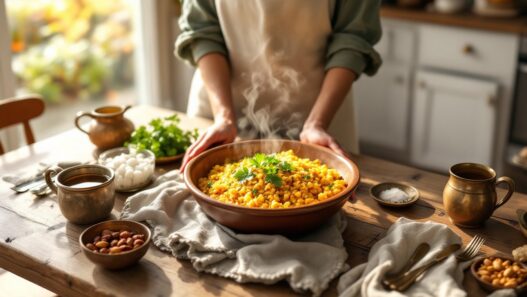






How Cooking Methods Affect Digestion and Nutrient Absorption
In Ayurveda, digestion isn’t just a mechanical process, it’s governed by something called agni, your inner digestive fire. Think of agni like a campfire. When it burns steady and bright, food transforms into nourishment. When it’s weak, damp, or erratic, food sits partially processed, leaving behind a sticky residue called ama.
Ama is essentially the toxic byproduct of incomplete digestion. It’s heavy, dull, and cool in quality, and it tends to accumulate in the gut before spreading to other tissues. Signs of ama? A coated tongue in the morning, brain fog, sluggish energy, or that heavy feeling after eating even a reasonable meal.
Now here’s where cooking methods come in. The way you prepare food changes its gunas, its inherent qualities. Raw broccoli is rough, dry, and light. Steamed broccoli becomes softer, warmer, and easier on your system. A deep-fried version? Heavy, oily, and sharp, which can overwhelm your agni rather than support it.
Every cooking method shifts these qualities. And since Ayurveda works on the principle that opposites create balance, choosing the right method can help counteract whatever imbalance your digestion is already dealing with.
Do this today: Before your next meal, pause and ask, is this method adding warmth and softness, or heaviness and roughness? Takes 10 seconds. Great for anyone beginning to pay attention to how food feels, not just how it tastes.
Steaming: The Gold Standard for Gut-Friendly Meals

If I had to pick one cooking method that Ayurveda would give a gold star, it’s steaming. And the reason is beautifully simple: steaming adds warmth and moisture without adding heaviness or excess oil.
From a dosha perspective, steaming works across the board. For Vata types, who tend toward dryness and irregularity, steamed food brings warmth and softness without aggravating their sensitive digestion. For Pitta types, who run hot and sharp, steaming is gentle enough to avoid stoking that internal heat. And for Kapha types, who lean toward heaviness and sluggishness, steaming keeps things light while still being cooked and warm.
Steamed vegetables, grains, and even lentils retain their prana, that vital life energy Ayurveda values so deeply. Unlike boiling, where nutrients leach into water you might toss out, steaming preserves both the subtle and gross nourishment in food.
The warm, moist, and light qualities of steamed food directly support agni. They make it easier for your digestive fire to do its job without creating excess ama.
Do this today: Try steaming your vegetables tonight instead of roasting them. Just 10–12 minutes over simmering water. Ideal for anyone dealing with bloating or inconsistent digestion. Not the best standalone method if you run very cold and need more grounding warmth, in that case, add a drizzle of warm ghee after steaming.
Slow Cooking and Braising: Breaking Down Tough Fibers Gently
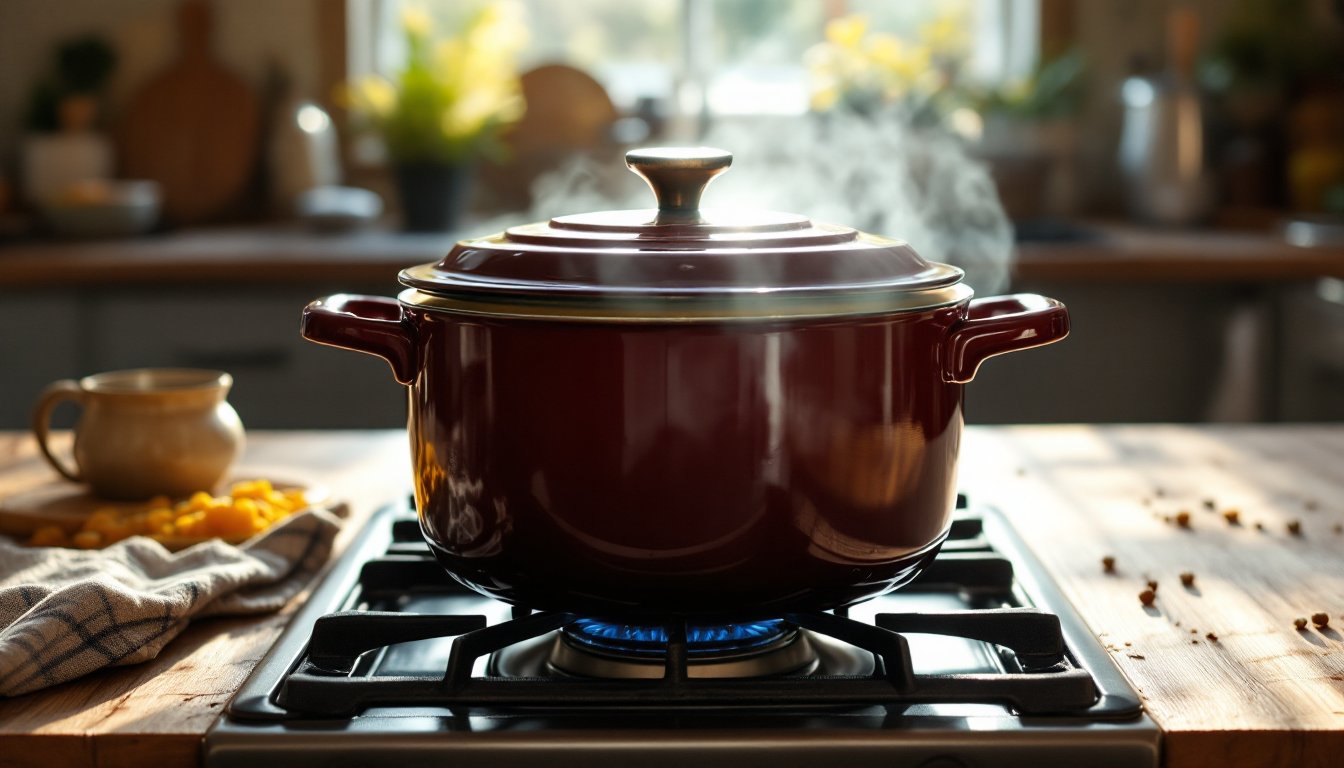
There’s something deeply nourishing about a pot that’s been simmering for hours. Ayurveda agrees, slow cooking and braising are wonderful for transforming rough, heavy, and hard-to-digest foods into something your body can actually absorb.
Beans, root vegetables, tough greens, and dense grains all benefit from long, gentle heat. The extended cooking time breaks down fibers that would otherwise challenge your agni, especially if it’s already running a little low. This is the principle of using warmth and time to shift food from gross and heavy to soft and nourishing.
Slow-cooked meals tend to build ojas, that deep vitality and resilience Ayurveda prizes. Think of a well-made kitchari or a gentle dal that’s been cooked until the lentils practically dissolve. These foods feel stabilizing. They ground mobile Vata energy without creating the stagnation that bothers Kapha.
The key with braising is the combination of liquid, warmth, and patience. That combination softens without scorching, which means you’re adding the smooth and warm qualities your digestion craves, not the sharp, dry qualities that come from high-heat methods.
Do this today: Put a simple lentil soup on low heat for 45 minutes to an hour. Add warming spices like cumin and ginger. Perfect for Vata types and anyone with a delicate appetite. If you’re strongly Kapha and tend toward heaviness, keep portions moderate and add a bit of black pepper for spark.
Boiling and Poaching: Simple Techniques With Digestive Benefits
Boiling gets a bad reputation in modern cooking circles, people worry about nutrient loss. And sure, if you’re dumping the cooking water, some water-soluble vitamins go with it. But in Ayurveda, we think about this differently.
Boiled foods are warm, soft, and light. Those qualities directly support weak or irregular agni. When you boil rice, root vegetables, or grains and consume them with the cooking liquid, as in a congee or a thin soup, you’re actually preserving that nourishment while making it radically easier to digest.
Poaching is similarly gentle. It uses lower temperatures than a rolling boil, which keeps the tejas (that metabolic clarity) of food intact while softening its structure. Think of poaching as the calm, measured approach, less mobile and agitated than boiling, more steady.
For days when you’re feeling off, when your tongue has that telltale white coating or your appetite has gone quiet, boiled or poached food is your friend. It’s like giving your digestion a warm, reassuring hand instead of throwing it a challenge.
Do this today: Make a simple rice congee, one part rice to six parts water, simmered until it’s porridge-like. Add a pinch of salt and fresh ginger. Takes about 30 minutes. Wonderful for anyone recovering from illness or experiencing low appetite. If you’re a Pitta type who’s already running warm, let it cool slightly before eating and skip the ginger.
Why Grilling, Frying, and High-Heat Methods Can Irritate Your Gut
I’m not going to tell you to never grill again. But I do want you to understand what high heat does from an Ayurvedic perspective, because it explains a lot about why certain foods leave you uncomfortable.
Grilling, deep-frying, and high-temperature roasting introduce sharp, hot, and dry qualities into food. These qualities directly increase Pitta dosha, the fiery, transformative energy in your system. A little Pitta boost can be fine, even helpful for sluggish Kapha digestion. But too much? That’s when you get acid reflux, burning sensations, loose stools, or skin flare-ups.
Frying also makes food heavy and oily in a way that smothers agni rather than feeding it. Imagine pouring thick oil onto your campfire, it doesn’t burn brighter, it sputters and smokes. That’s essentially what happens to your digestive fire when it meets heavily fried food. The result is ama, that undigested residue that builds up and dulls your energy, your clarity, and over time, your ojas.
Charring adds another layer. Those blackened bits carry an intensely sharp and rough quality that can irritate the gut lining, especially for Pitta-predominant types.
Do this today: If you love grilled food, try marinating in cooling ingredients, yogurt, cilantro, lime, before cooking, and avoid charring. Takes 5 extra minutes of prep. Good for anyone, but especially important if you tend toward acidity or inflammation. Not ideal for very cold, sluggish digestion, if that’s you, a little high-heat cooking with the right spices can actually help occasionally.
The Role of Fermentation and Light Sautéing in Easier Digestion
Fermentation and light sautéing sit in a sweet spot that Ayurveda really appreciates, they transform food without destroying its vitality.
Fermentation is fascinating because it’s essentially pre-digestion. The beneficial microorganisms break down complex compounds before the food even reaches your stomach, which takes a load off your agni. Fermented foods like homemade yogurt, naturally fermented pickles, or a mild miso carry a warm, slightly sharp quality that gently stimulates digestion.
But here’s the nuance: fermented foods are also sour, and sour increases both Pitta and Kapha. So if you’re a Pitta type already dealing with heat and acidity, go easy. A small spoonful of fermented vegetables with a meal, not a giant bowl of kimchi.
Light sautéing, what Ayurveda sometimes calls a tadka or tempering, is another gem. When you briefly cook spices in a small amount of ghee or oil, you awaken their volatile compounds and make them bioavailable. That crackle of cumin seeds in warm ghee? It’s not just flavor, it’s medicine for your agni. The oil adds a smooth, slightly oily quality that helps Vata types especially, without becoming heavy enough to burden Kapha.
Do this today: Try tempering cumin, coriander, and a pinch of turmeric in a teaspoon of ghee, then stirring it into cooked rice or dal. Takes 2 minutes. Wonderful for all doshas in moderation. If you’re Kapha-dominant, use a lighter oil like sunflower and keep the quantity small.
Best Cooking Methods for Common Digestive Sensitivities
Different digestive complaints call for different approaches, and Ayurveda is beautifully specific about this.
If bloating and gas are your main issue, that’s typically a Vata imbalance, too much air and space, too much mobility in the gut. The correction is warm, moist, grounding cooking methods. Steaming with a touch of ghee. Slow-cooked soups. Avoid anything raw, cold, or dry-cooked like plain toast or crackers, which only amplify those airy qualities.
If acid reflux or burning is the problem, that’s Pitta talking, excess heat and sharpness. You want cooling, gentle methods. Steaming, poaching, and boiling are your allies. Avoid grilling, heavy frying, and overly spiced sautés.
If you feel heavy and sluggish after eating, with a slow, sticky kind of fullness, that’s Kapha accumulation. You need cooking methods that keep food light and warm. Steaming and light sautéing work well. Avoid oily, heavy preparations and anything overly sweet or rich.
Soaking, Sprouting, and Prep Techniques That Support Digestion
Before you even turn on the stove, preparation matters. Soaking beans, grains, and nuts overnight reduces their heavy, hard-to-digest qualities and starts the softening process. It’s like giving your agni a head start.
Sprouting takes this further, it increases the light, mobile qualities of food and boosts its prana. Sprouted mung beans, for instance, become lighter and more bioavailable than their unsprouted counterparts.
Even simple acts like peeling skins off chickpeas or removing seeds from tomatoes can reduce roughness and make food gentler on a sensitive system.
Do this today: Soak your lentils or beans overnight before cooking them tomorrow. Just cover with water and leave on the counter. Takes 30 seconds of active effort. Perfect for anyone who gets gassy from legumes. If you’re strongly Kapha, sprouting is an even better option since it adds lightness.
Practical Tips for Building a Digestion-Friendly Kitchen Routine
Ayurveda places enormous value on dinacharya, daily routine, because consistency is what allows your agni to find its rhythm. Here are two habits tied directly to how you cook and eat.
Cook your main meal at midday. This is when your digestive fire naturally peaks, mirroring the sun’s position. Between roughly 10 a.m. and 2 p.m., your body is best equipped to handle heartier, more complex meals. Save the lighter steamed dishes and soups for evening, when agni begins to wind down.
Prepare food with presence. I know this sounds soft, but Ayurveda considers the energy you bring to cooking part of the meal’s nourishment. Rushing through meal prep in a stressed state introduces a mobile, erratic quality, very Vata, into your food. Even five minutes of calm, focused cooking changes the experience for your digestion.
For seasonal adjustment, or ritucharya, pay attention to how the weather shifts your needs. In cool, dry autumn and winter, favor slow-cooked, oily, and warming methods. More ghee, more soups, more braised dishes. In hot summer months, shift toward steaming, poaching, and lighter preparations. This keeps your internal qualities balanced against the external environment, which is one of Ayurveda’s most practical and elegant ideas.
And here’s where it gets personal.
If you’re more Vata: Your digestion tends to be variable, strong one day, weak the next. Favor warm, oily, and grounding cooking methods like slow cooking and sautéing with ghee. Eat at consistent times. Avoid raw food and anything cold or dry. One thing to skip: dry roasting or air-frying, which amplify the very qualities that throw you off.
If you’re more Pitta: Your agni is naturally strong, sometimes too strong. Favor steaming, poaching, and gentle boiling. Use cooling spices like coriander, fennel, and fresh cilantro. Avoid excessive grilling, heavy frying, and very spicy sautés. One thing to skip: charred or blackened food, which pours fuel on an already hot fire.
If you’re more Kapha: Your digestion tends toward slow and heavy. Favor steaming, light sautéing, and well-spiced preparations that carry warmth and lightness. Use stimulating spices like black pepper, ginger, and mustard seed. Avoid heavy, oily, or overly sweet cooking. One thing to skip: deep frying, which creates exactly the heavy, dense qualities that slow you down further.
Do this today: Pick the dosha description that resonates most, and adjust just one meal this week using the method suggested. Takes no extra time, it’s about choosing differently, not doing more. Helpful for anyone who feels like generic cooking advice doesn’t quite fit them.
Conclusion
The beautiful thing about Ayurveda’s approach to cooking is that it doesn’t ask you to overhaul everything overnight. It asks you to pay attention, to the qualities in your food, to the fire in your belly, to the rhythm of your day and season.
When you start choosing cooking methods that match your constitution and your current state of balance, something shifts. Meals start to feel like nourishment rather than a gamble. Energy steadies. That post-meal fog lifts.
Your kitchen is already a place of transformation. You’re just becoming more intentional about what kind.
I’d love to hear from you, what cooking method has made the biggest difference for your digestion? Drop a thought in the comments, or share this with someone who’s been struggling with how food sits with them.
What’s one small shift you could try this week?