







How Ayurveda Approaches Detoxification Differently
In mainstream wellness, “detox” usually means flushing things out, juice fasts, harsh cleanses, supplements that promise to purge your system overnight. Ayurveda takes a quieter, more intelligent approach.
The idea is simple: your body already knows how to cleanse itself. The problem isn’t a lack of detox products. It’s that something has gotten in the way of your body’s natural process.
In Ayurvedic thinking, that “something” is usually a combination of factors, eating too heavy or too late, chronic stress, irregular routines, or consuming foods that don’t match your constitution. These habits disturb your doshas (the three governing energies: Vata, Pitta, and Kapha), and over time they dull the metabolic intelligence that keeps everything running smoothly.
When Vata goes out of balance, you might notice dry skin, bloating, or a scattered mind. When Pitta flares, there’s heat, acid reflux, irritability, inflammation. When Kapha accumulates, you feel heavy, sluggish, foggy. Each of these patterns calls for a different kind of support, not a one-size-fits-all cleanse.
Ayurveda uses the principle of opposites to restore balance. If something is too hot, you cool it. Too heavy, you lighten it. Too dry, you add moisture. This logic of qualities, hot and cool, light and heavy, dry and oily, sharp and dull, mobile and stable, runs through every recommendation I’ll share below.
The Role of Agni (Digestive Fire) in Natural Cleansing
Here’s where it gets really interesting. In Ayurveda, your digestive fire, called agni, is the single most important factor in cleansing. It’s not just about breaking down food. Agni is your body’s metabolic intelligence at every level: cellular, emotional, and energetic.
When agni is strong and steady, you digest food completely. Nutrients get absorbed. Waste moves out efficiently. You feel clear, light, and energized.
But when agni weakens, from overeating, stress, cold or heavy foods, or eating at irregular times, digestion becomes incomplete. That undigested residue is called ama, and it’s Ayurveda’s core concept of toxicity. Ama is sticky, heavy, and dull. It coats your tissues, blocks your channels, and over time depletes your vitality.
You might recognize ama by its signs: a thick coating on your tongue in the morning, sluggish bowels, brain fog, a sense of heaviness after meals, or joints that feel stiff without obvious cause.
So Ayurvedic detox isn’t really about “removing toxins.” It’s about strengthening agni so ama doesn’t accumulate in the first place, and gently dissolving what’s already there. That’s why ayurvedic detox foods focus on being easy to digest, warming, and light rather than raw, cold, or extreme.
Do this today: Before your next meal, notice if you’re actually hungry. True hunger, not boredom or habit, is a sign your agni is ready. Give yourself 5 minutes to check in. This is for everyone, though it’s especially helpful if you tend toward Kapha-type sluggishness. If you’re underweight or have a history of disordered eating, approach mindfully and consider working with a practitioner.
Top Ayurvedic Detox Foods to Add to Your Daily Diet

Now let’s talk about what to actually eat. The beauty of ayurvedic detox foods is that they’re not exotic or expensive. Most of them are probably already in your kitchen.
Kitchari: The Ultimate Ayurvedic Cleansing Meal
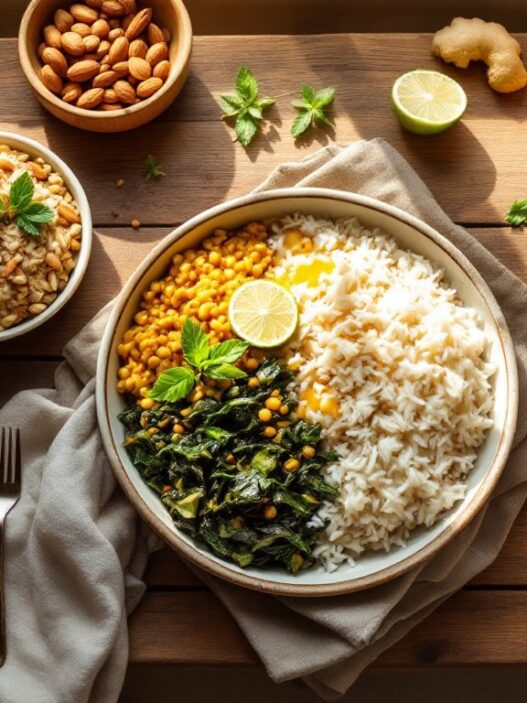
If Ayurveda had a signature detox dish, it would be kitchari, a simple, warm porridge of split mung beans and basmati rice cooked with gentle spices like cumin, coriander, turmeric, and a touch of ghee.
Why kitchari? It’s the rare food that’s both nourishing and easy to digest. It’s light enough to give agni a rest, but substantial enough to sustain your energy and feed your tissues. The combination of grain and legume provides complete protein without the heaviness of meat or cheese.
The qualities here matter. Kitchari is warm, moist, soft, and slightly oily (thanks to the ghee), the exact opposites of the dry, rough, cold qualities that characterize ama. It’s like a gentle internal bath for your digestive tract.
Kitchari supports ojas, that deep, sustaining vitality that keeps your immune system resilient and your mind calm. Unlike harsh cleanses that deplete you, a kitchari-based reset actually builds you up while it clears things out.
Do this today: Try replacing one meal with a simple bowl of kitchari. Cook it fresh, eat it warm, and sit down while you eat. Allow 30 minutes for the meal. This works for all constitutions. If you’re very Pitta-dominant, go easy on the black pepper and favor cooling cilantro on top.
Warming Spices That Ignite Digestion and Flush Toxins
Spices are the unsung heroes of Ayurvedic cleansing. They’re not just flavor, they’re medicine for your agni.
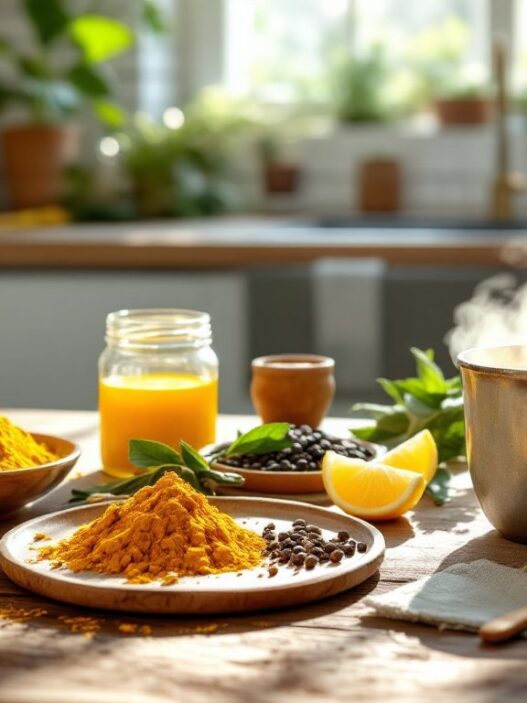
Ginger is sharp and hot, cutting through dullness and heavy ama like a knife through fog. Fresh ginger before meals stimulates digestive enzymes and warms the entire system. Turmeric is bitter and slightly dry, which helps scrape accumulated residue from tissues. Cumin, coriander, and fennel, the classic “CCF” trio, are gentle enough for daily use and help kindle agni without overheating Pitta.
These spices enhance tejas, that metabolic spark that keeps your mind sharp and your digestion precise. When tejas is healthy, you don’t just digest food well, you process experiences, emotions, and information more clearly too.
Do this today: Toast a pinch each of cumin, coriander, and fennel seeds in a dry pan, then steep them in hot water for 5 minutes. Sip this tea between meals. Takes about 10 minutes to prepare. Great for everyone, though Pitta types might prefer it at room temperature rather than very hot. Avoid if you have active ulcers or severe acid reflux.
Leafy Greens, Seasonal Fruits, and Other Sattvic Staples
Bitter and astringent greens, think cooked spinach, dandelion greens, or tender kale sautéed with a little ghee and cumin, are natural ama-scrapers. Their light, dry, and slightly rough qualities counterbalance the sticky heaviness of accumulated waste.
I emphasize cooked because raw greens, while nutritious by modern standards, are cold and rough, qualities that can destabilize Vata and weaken agni, especially in cooler months.
Seasonal fruits like stewed apples or ripe pears are wonderful too. They’re light, slightly sweet, and gently cleansing. A stewed apple with cinnamon and clove in the morning can wake up a sluggish digestive tract beautifully.
These foods support prana, the vital life force connected to your breath, nervous system, and overall aliveness. When prana flows freely, you feel awake and present rather than dull and disconnected.
Do this today: Lightly sauté a handful of seasonal greens with ghee, a pinch of turmeric, and cumin seeds. Have them with lunch, your strongest digestive time. Takes about 10 minutes. Suitable for all types. If you’re strongly Vata, add a little extra ghee: if you’re Kapha, keep the ghee minimal and add black pepper.
Detox-Supporting Beverages in Ayurvedic Practice
What you drink matters just as much as what you eat during a cleanse, maybe even more, because liquids reach your tissues faster.
The simplest and most overlooked ayurvedic detox tool? Warm water. Not cold, not room temperature, genuinely warm. Sipping warm water throughout the day is like running a gentle rinse cycle through your system. The warmth kindles agni, the fluidity loosens ama, and the lightness keeps things moving without overwhelming your digestion.
I like to boil water for 10 minutes, then pour it into a thermos and sip from it all day. This practice alone, done consistently, can shift how you feel within a week.
CCF tea (cumin-coriander-fennel) is another cornerstone. It’s gentle, tri-doshic, and mildly diuretic without being depleting. The smooth, warm qualities soothe the digestive lining while the subtle bitter and astringent tastes help mobilize stuck residue.
For mornings, a cup of warm water with a thin slice of fresh ginger and a squeeze of lemon can gently awaken agni after the overnight fast. This is sharp and light, perfect for cutting through the natural Kapha heaviness of early morning.
One thing I’d gently caution against: ice-cold smoothies or chilled juices marketed as “detox drinks.” In Ayurvedic terms, cold and heavy qualities suppress agni, exactly what you don’t want when you’re trying to cleanse.
Do this today: Boil water for 10 minutes, pour it into a thermos, and sip throughout the morning. Give it three days. Takes almost no effort once you build the habit. Suitable for everyone. If you’re Pitta and it’s summer, let the water cool to warm rather than hot.
How to Eat for Detox Based on Your Dosha
This is where Ayurveda really shines, personalization. Your neighbor’s perfect cleanse might leave you feeling terrible, because your constitution is different. Here’s how to tailor your approach.
If you’re more Vata, meaning you tend toward dryness, anxiety, irregular digestion, cold hands, or a racing mind, your detox needs to be warm, oily, grounding, and stable. Kitchari with extra ghee is your best friend. Stewed root vegetables, warm soups, and gently spiced porridges keep your agni steady without aggravating your already mobile and dry nature. Try a bowl of warm kitchari with ghee and roasted sweet potato for dinner. Allow 30 minutes. Avoid cold, raw foods and fasting, they’ll push Vata higher and may leave you anxious and depleted.
If you’re more Pitta, prone to heat, irritability, loose stools, inflammation, or sharp hunger, your detox wants to be cool, slightly bitter, and gentle. Favor cooling greens like cilantro, cucumber, and cooked bitter melon. Use coconut oil instead of mustard oil. Sweeter spices like coriander and fennel suit you better than hot ginger or cayenne. Try a lunch of kitchari with cooling cilantro chutney and steamed greens. Takes 30 minutes. Avoid very spicy, fermented, or acidic foods during a cleanse, they’ll stoke a fire that’s already running hot.
If you’re more Kapha, experiencing heaviness, water retention, sluggish mornings, or emotional holding, your detox benefits from being light, warm, dry, and a little stimulating. Use less ghee and more pungent spices like ginger, black pepper, and a touch of mustard seed. Favor lighter grains like millet or barley over rice. Cooked greens with minimal oil, plenty of bitter and astringent tastes, and warm ginger tea can help move stagnation beautifully. Try starting your morning with warm ginger-lemon water and a light breakfast of spiced stewed fruit. About 15 minutes. Avoid heavy, sweet, cold, or oily foods, they’ll reinforce the very qualities you’re trying to clear.
Do this today: Identify which pattern sounds most like you right now (it can shift with seasons and stress), then choose one meal adjustment from your type. Give yourself a week to notice changes.
Simple Ayurvedic Detox Habits Beyond Food
Ayurvedic cleansing isn’t only about what’s on your plate. Your daily habits, what Ayurveda calls dinacharya, play an equally big role.
Tongue scraping is one I recommend to almost everyone. Each morning, before eating or drinking, gently scrape your tongue from back to front with a stainless steel or copper tongue scraper. That coating you see? That’s a visible sign of ama. Removing it first thing prevents you from reabsorbing waste and gives you real-time feedback about your digestion. Takes about 30 seconds.
Self-massage with warm oil (abhyanga) is another practice that supports detox from the outside in. Warm sesame oil for Vata, coconut oil for Pitta, or light sunflower oil for Kapha, massaged into the skin before your morning shower. The warmth and oiliness calm the nervous system, support lymphatic flow, and nourish prana. It’s deeply stabilizing, especially during a cleanse when things can feel unsettled. Give yourself 10–15 minutes.
A brief walk after meals, even 10 minutes, supports agni by gently stimulating the mobile quality without overtaxing your system. It’s subtle, but it makes a real difference in how completely you digest.
For your seasonal practice (ritucharya), consider this: in spring, Kapha season, when heaviness naturally accumulates, you might lean into lighter, more pungent foods and more vigorous morning movement. In late autumn or winter, when Vata dominates and everything is cold and dry, favor warmer, oilier, more grounding foods and gentler routines.
Do this today: Pick one habit, tongue scraping is the easiest starting point. Do it every morning for a week. Suitable for everyone. If you have a very sensitive gag reflex, start gently and scrape only the front half of the tongue.
Common Mistakes to Avoid During an Ayurvedic Cleanse
I’ve seen a lot of well-intentioned cleanses go sideways, and the mistakes tend to follow a pattern.
Going too extreme, too fast. Jumping into a three-day fast when your agni is already weak is like trying to light a bonfire with a single match in the rain. A weakened digestive fire needs gentle kindling, not deprivation. Start with one kitchari meal a day and build from there.
Eating cold and raw during a cleanse. I know the green smoothie bowl looks beautiful on social media. But those cold, rough, and heavy qualities can suppress agni right when you need it most. Warm and cooked is the way to go during a detox phase.
Ignoring your constitution. A Vata person doing a dry, austere fast will likely end up anxious, constipated, and depleted. A Kapha person eating lots of heavy, oily “nourishing” foods might feel more sluggish than before. Personalization isn’t a bonus feature, it’s the foundation.
Skipping rest. Cleansing is inner work. Your body is redirecting energy toward digestion, clearing, and renewal. Intense exercise, packed schedules, and late nights undermine the entire process. Favor gentle movement, early bedtimes, and a slower pace.
Forgetting about timing. In Ayurveda, when you eat matters almost as much as what you eat. Eating your largest meal at midday, when agni is naturally strongest, aligned with the sun’s peak, and keeping dinner light and early gives your body the best chance to digest completely and avoid fresh ama.
Do this today: Honestly assess whether you’re making any of these mistakes in your current routine. Pick the one that resonates most and adjust it this week. Takes only awareness and a small shift. Suitable for everyone. If you have a chronic condition or feel very depleted, consider working with an Ayurvedic practitioner before doing any extended cleanse.
I hope this exploration of ayurvedic detox foods gives you a gentler, more grounded starting point, one that respects your body’s intelligence rather than overriding it. Real cleansing isn’t dramatic. It’s steady, warm, and personalized. And the beautiful thing is, once you align with your constitution and your season, your body often does the heavy lifting on its own.
I’d love to hear what resonates with you. Have you tried kitchari or CCF tea? Do you know your dominant dosha? Drop a comment below or share this with someone who’s been searching for a kinder approach to cleansing. What’s one small shift you’re willing to try this week?