





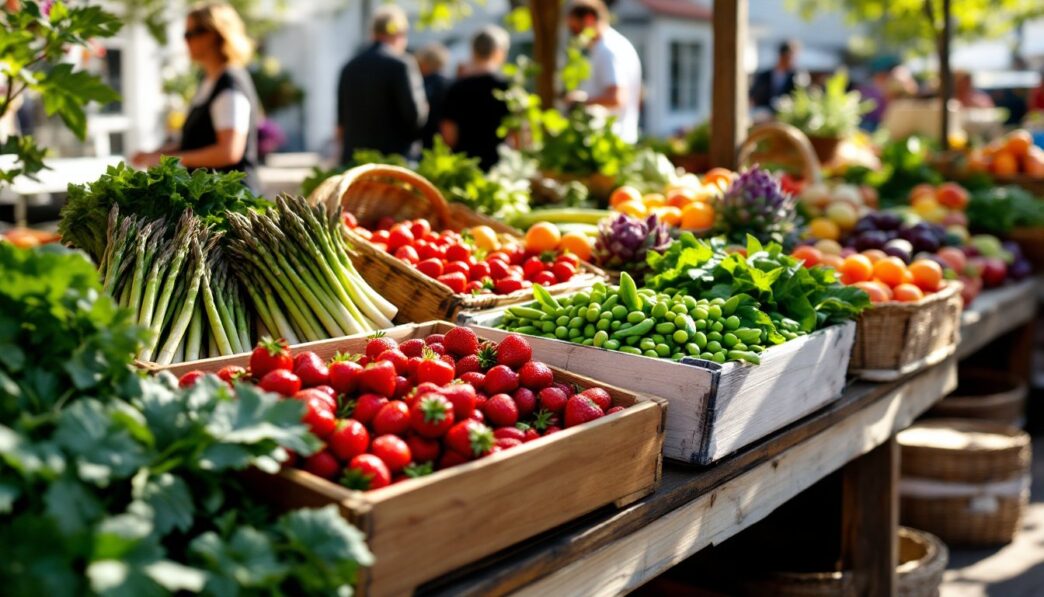
How Food Fuels Your Immune System
Here’s how I think about it: your immune system doesn’t live in a vacuum. It’s built, meal by meal, season by season, through the quality of what you eat and how well you digest it.
In Ayurveda, this starts with agni, your digestive and metabolic intelligence. When agni is balanced, food transforms efficiently into nourishment that reaches all seven tissue layers, from blood plasma to the deepest reproductive and connective tissues. The final, most refined product of this process is ojas, your body’s deep immunity reserve. Think of ojas as the quiet strength that keeps you from falling apart every time stress or a seasonal bug shows up.
But when agni is weak or erratic, food doesn’t fully break down. What’s left behind is called ama, a sticky, heavy, dull residue that clogs your channels and dampens your immune response. You might notice it as a coated tongue in the morning, brain fog, or that heavy feeling after meals.
The three doshas, Vata, Pitta, and Kapha, each experience this differently. Vata types tend toward irregular digestion that creates gas and dryness. Pitta types may run too hot, burning through nutrients too fast. Kapha types often deal with slow, heavy digestion that produces excess mucus and congestion.
So the best foods for immunity aren’t one-size-fits-all. They’re the ones that match your constitution and keep your digestive fire steady.
Do this today: Before your next meal, notice your hunger level. Eating only when genuinely hungry is the simplest way to protect agni. Takes 10 seconds. Good for all types, but especially helpful if you tend toward Kapha-type sluggishness.
Citrus Fruits and Bell Peppers: Vitamin C Powerhouses
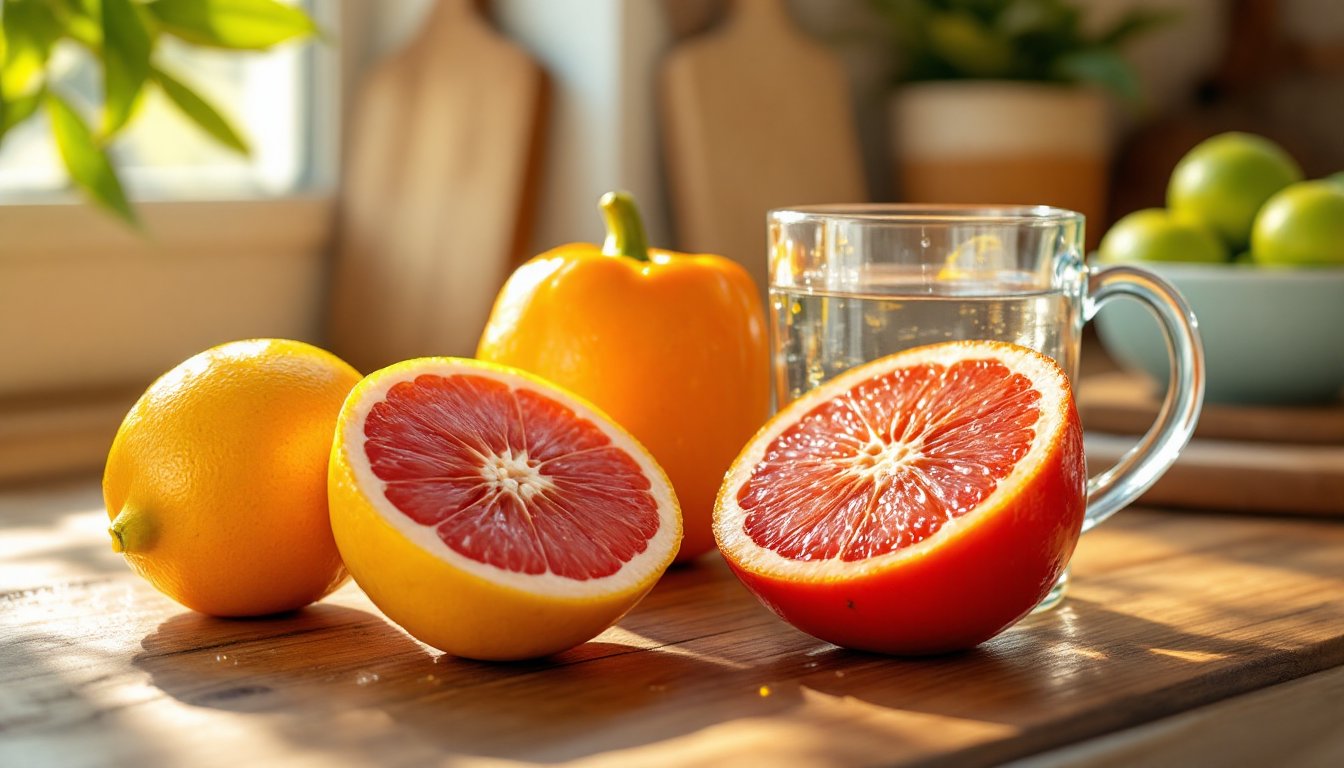
Oranges, lemons, grapefruits, and bell peppers are some of the most recognized immunity supporters out there, and for good reason. They’re rich in vitamin C, which helps your body produce white blood cells and repair tissue.
From an Ayurvedic perspective, citrus fruits carry a sour taste with light, sharp, and slightly heating qualities. That sharpness is wonderful for stimulating agni, it’s like a little spark that wakes up digestion. Lemon in warm water first thing in the morning is one of the oldest Ayurvedic tricks precisely because of this.
Bell peppers are a bit different. They’re sweet and mildly cool, which makes them friendlier for Pitta types who already run hot. They add color and nourishment without overheating the system.
Here’s the thing, though, if your digestion is already sharp and acidic (a Pitta imbalance), too much citrus can tip things over. You might notice heartburn or loose stools. In that case, sweet orange or lime tends to be gentler than grapefruit.
For Vata types, citrus is generally supportive because that sour quality is grounding and warming. Kapha types benefit from the lightness and sharpness, which helps cut through heaviness.
Do this today: Try half a lemon squeezed into a cup of warm water 20 minutes before breakfast. Takes 2 minutes. Great for Vata and Kapha types. Pitta types, consider sweet lime instead.
Garlic, Ginger, and Turmeric: Nature’s Anti-Inflammatory Trio
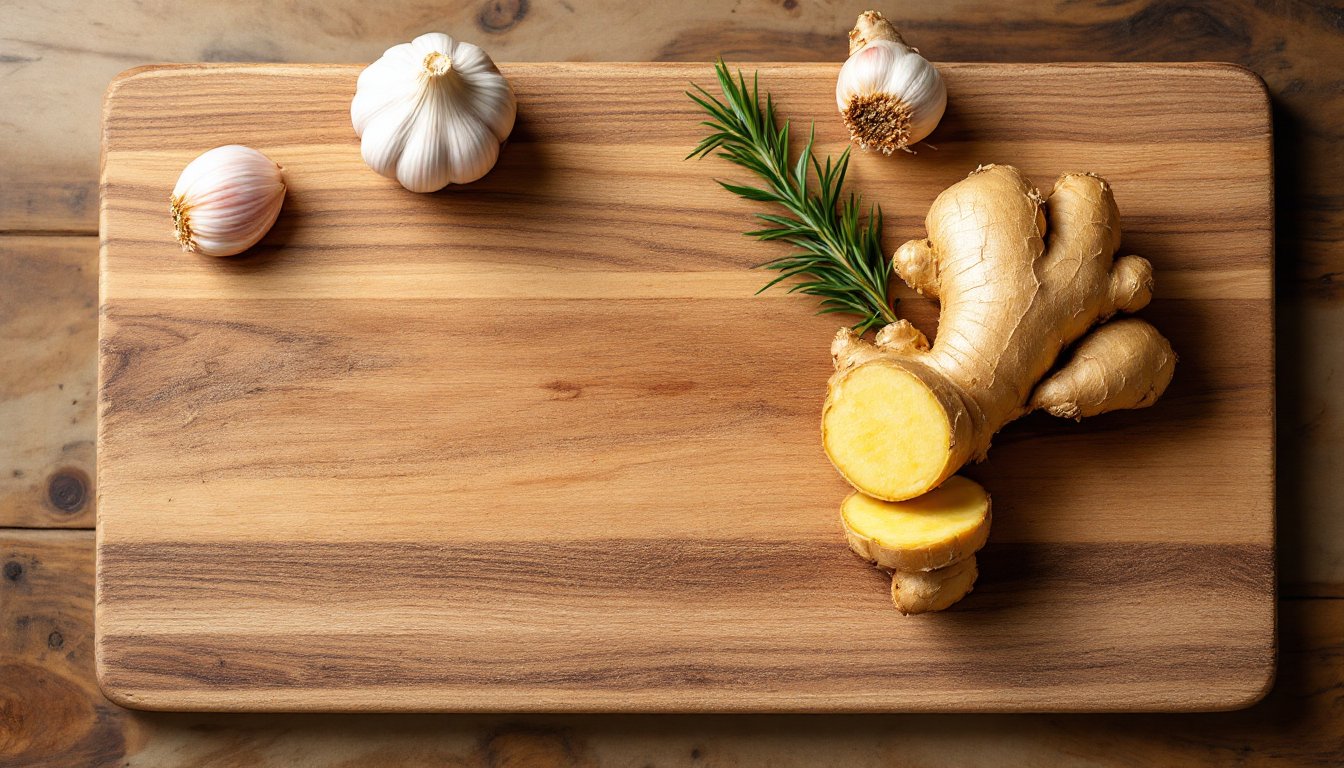
If I had to pick three kitchen staples that do the most for immunity, it’d be garlic, ginger, and turmeric. They’ve been central to Ayurvedic cooking for thousands of years, not as supplements, but as everyday ingredients woven into meals.
Ginger is warm, light, and sharp. It’s one of the best things for kindling agni, especially when digestion feels cold and sluggish. Fresh ginger before meals can help prevent ama from forming in the first place.
Turmeric is warm, dry, and light with a bitter undertone. That bitter quality is what makes it so good at clearing accumulated ama from the tissues. It also supports tejas, that inner metabolic clarity that helps your body distinguish between what nourishes and what needs to go.
Garlic is heating, oily, and sharp. It’s a powerful mover of energy, which is why it’s traditionally used to break up stagnation and support prana, the vital life force that keeps your nervous system responsive and your channels open.
Together, these three address all three doshas in different ways. They warm up cold Vata and Kapha digestion, and their sharpness helps cut through dullness. Pitta types can still use them, just in smaller amounts, and with cooling foods alongside.
Do this today: Add a pinch of turmeric and a few slices of fresh ginger to your next soup or stew. Takes 1 minute. Suitable for all types. If you’re Pitta-dominant and feeling overheated, go easy on the garlic.
Leafy Greens and Cruciferous Vegetables
Dark leafy greens, spinach, kale, chard, and cruciferous vegetables like broccoli and cauliflower are packed with vitamins A, C, and K, plus fiber and antioxidants. They’re nutritional workhorses.
In Ayurvedic terms, most greens carry bitter and astringent tastes. These tastes are light, cool, and dry, qualities that are fantastic for scraping ama out of the digestive tract and supporting the liver. If you’ve been feeling heavy and congested, leafy greens are your friends.
But here’s where personalization matters. Those same light, dry, cool qualities that help Kapha types can aggravate Vata. If you’re a Vata type eating raw kale salads in winter, you’re likely adding more cold and roughness to an already cold, rough system. That’s a recipe for bloating and anxiety, not vitality.
The fix is simple: cook your greens. Sautéing spinach in a little ghee with cumin transforms it into something warm, oily, and grounding, much better for Vata without losing the benefits. Pitta types do well with greens because the cooling, bitter qualities naturally soothe excess heat.
Do this today: Sauté a handful of greens in ghee with a pinch of cumin for dinner tonight. Takes 5 minutes. Ideal for all types when cooked. Raw greens are best reserved for Kapha types or warm-weather months.
Fermented Foods and Gut Health
Fermented foods, yogurt, kimchi, sauerkraut, miso, have gotten a lot of attention for their probiotic content. And rightfully so. A thriving gut directly supports immunity.
Ayurveda has long recognized this connection. Fermented foods are sour, warm, and slightly oily. They kindle agni and help populate the digestive tract with beneficial organisms that keep ama from building up.
But there’s a nuance. For Pitta types, too many fermented foods can increase internal heat and sharpness, leading to skin flare-ups or acid reflux. A small amount of homemade yogurt at lunch (when agni is strongest) tends to work well. Vata types benefit from the warmth and oiliness. Kapha types can enjoy fermented foods in moderation, as too much heaviness from yogurt can increase congestion.
Do this today: Add a tablespoon of naturally fermented sauerkraut or a small bowl of fresh yogurt to your midday meal. Takes no extra time. Good for Vata and Pitta in moderation. Kapha types, keep portions small and avoid at night.
Nuts, Seeds, and Their Role in Immune Defense
Almonds, walnuts, sunflower seeds, pumpkin seeds, these are small but mighty. They deliver vitamin E, zinc, healthy fats, and protein, all of which play direct roles in immune cell function.
In Ayurveda, nuts and seeds are heavy, oily, and warming (with some exceptions). These qualities make them excellent ojas builders. Ojas, remember, is that deep vitality reserve, and it’s built from foods that are nourishing, well-digested, and rich in life force.
Almonds soaked overnight and peeled are a classic Ayurvedic recommendation. The soaking makes them lighter and easier on agni, while still delivering all the nourishing, oily goodness your tissues crave. This is especially supportive for Vata types, whose systems tend to run dry and depleted.
Pitta types do well with cooling seeds like sunflower and pumpkin, which provide nourishment without adding excess heat. Kapha types can enjoy seeds in moderation but might want to go lighter on heavy nuts like cashews, since the heaviness and oiliness can slow things down.
Do this today: Soak 5–6 almonds tonight and eat them peeled with breakfast tomorrow. Takes 30 seconds of prep. Wonderful for Vata, supportive for Pitta, and fine for Kapha in small amounts.
Lean Proteins and Zinc-Rich Foods
Zinc is one of the most researched minerals when it comes to immune function. It helps your body develop and activate immune cells. You’ll find it in foods like lentils, chickpeas, lean poultry, pumpkin seeds, and whole grains like quinoa.
From an Ayurvedic view, proteins vary widely in their qualities. Mung beans, for instance, are light, easy to digest, and balancing for all three doshas, which is why they’re often called the king of legumes in Ayurveda. They support agni without creating ama, and their subtle quality nourishes prana and tejas.
Heavier proteins like red meat or large beans (kidney beans, black beans) are harder on digestion and can increase ama if agni isn’t strong. If you eat animal protein, preparing it with warming spices, black pepper, cumin, coriander, helps your digestive fire process it more completely.
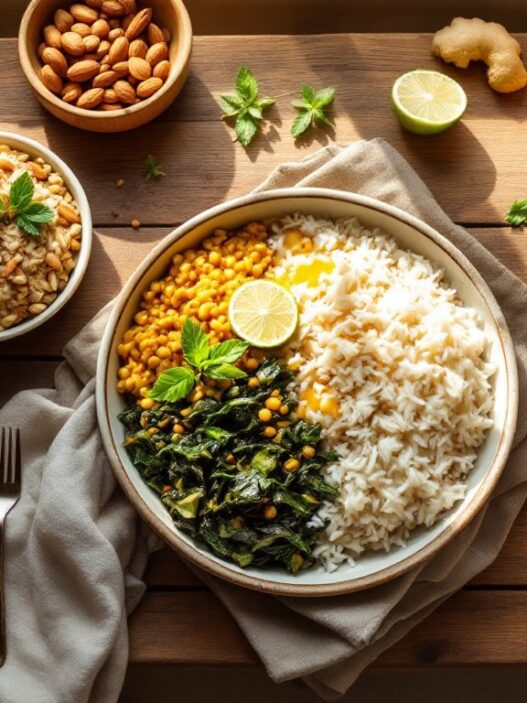
I personally love a simple mung dal with turmeric and ginger. It’s warm, light, slightly oily with ghee, and deeply satisfying. It’s the kind of meal that builds ojas quietly over time.
Do this today: Cook a simple pot of mung dal with ginger, turmeric, and a teaspoon of ghee. Takes about 30 minutes. Excellent for all dosha types. If you’re Kapha-dominant, go lighter on the ghee.
Berries, Green Tea, and Antioxidant-Rich Choices
Blueberries, strawberries, pomegranates, and green tea are loaded with antioxidants that protect your cells from damage and support long-term immune resilience.
Ayurveda would frame this as protecting ojas from depletion. When the body is overwhelmed by stress, poor diet, or seasonal changes, ojas gets burned up. Foods rich in antioxidants help buffer that process.
Berries are sweet, slightly astringent, and cool, qualities that naturally soothe Pitta and support tissue repair. Pomegranate in particular is prized in Ayurveda for its ability to nourish blood tissue and balance all three doshas.
Green tea is light, slightly bitter, and mildly stimulating. It supports tejas, that clarity of metabolic intelligence, without overheating the system. A cup in the mid-morning can gently boost alertness and support digestion. But if you’re a Vata type who already runs dry and light, too much green tea can be depleting. Try it warm, with a drop of honey after it cools a bit.
Do this today: Enjoy a small bowl of seasonal berries mid-morning, or sip a cup of warm green tea between meals. Takes 5 minutes. Particularly good for Pitta types. Vata types, favor cooked or stewed berries in cooler months.
Simple Ways to Build an Immunity-Boosting Diet
Let me bring this together with some practical daily and seasonal guidance, because knowing which foods to eat is only part of the picture. How and when you eat matters just as much.
Morning habit: Start your day with warm water, plain or with lemon. This simple act gently wakes up agni after a night of rest. Follow it with a nourishing breakfast suited to your type. Vata does well with warm porridge and soaked almonds. Pitta can enjoy stewed fruit with a little cinnamon. Kapha might prefer a lighter start, perhaps just warm ginger tea and fruit.
Midday habit: Eat your largest meal at lunch, ideally between 11 a.m. and 1 p.m. This is when agni is at its peak (aligned with the sun’s highest point), and your body can transform food most efficiently into tissue-nourishing energy. This is the time for your heavier proteins, cooked greens, and grains.
For those who tend toward Vata, bringing stability and routine to mealtimes is one of the most protective things you can do. If you’re more Pitta, focus on incorporating cooling foods like cucumber, cilantro, and coconut alongside warming spices. Kapha types benefit from favoring lighter, drier, and more pungent foods, think steamed vegetables with black pepper and minimal oil.
Seasonal adjustment: As we move into warmer months, your body naturally needs lighter, cooler foods. Shift toward more fresh vegetables, berries, and cooling herbs like cilantro and mint. In the colder months, lean into warm soups, stews, root vegetables, and warming spices. This seasonal attunement, called ritucharya, keeps your immunity responsive rather than rigid.
Do this today: Commit to eating your main meal at midday for one week and notice how your energy and digestion shift. Takes no extra time, just a schedule change. Beneficial for all types.
This is general education, not medical advice. If you’re pregnant, managing a condition, or taking medication, check with a qualified professional.
Conclusion
Building immunity isn’t about a single superfood or a seven-day cleanse. It’s a relationship, between you, your food, your digestion, and the rhythms of your day and season. When you choose foods that match your constitution, eat them at the right time, and prepare them with care, something shifts. Your ojas deepens. Your energy steadies. Your body starts to trust itself again.
I find that the simplest changes often carry the most weight. A cup of warm water in the morning. Lunch as your biggest meal. A few soaked almonds. Ginger in your soup. These small acts, repeated with intention, build something lasting.
I’d love to hear what resonates with you. Which of these foods or habits are you drawn to try first? Drop a comment or share this with someone who could use a little more resilience in their life. What does immunity feel like in your body when it’s really working?