




Why Protein Matters More Than You Think
Most conversations about protein start and end with muscles. And yes, protein is the raw material your body uses to build and repair muscle tissue. But that’s a bit like saying wood is only for building houses, it misses so much of the picture.
In Ayurveda, protein-rich foods nourish what’s called the dhatu chain, the seven tissue layers your body builds in sequence, from plasma and blood all the way through to reproductive tissue. When you eat well-digested protein, you’re not just feeding your biceps. You’re supporting your bones, your skin, the stability of your nervous system, and that quiet vitality Ayurveda calls ojas.
Ojas is your deepest immune reserve, and it depends heavily on high-quality nourishment being fully broken down and absorbed. Protein also feeds tejas, the metabolic clarity that helps you think sharply and transform experience into wisdom, and prana, the life force that keeps your breath steady and your mind present.
So when someone says “protein is important,” they’re underselling it. It’s not just about gym performance. It’s about whether your body can rebuild itself well, day after day, at every level.
How Your Body Actually Uses Protein

Here’s where things get interesting, and where I think Ayurveda offers a perspective most nutrition articles skip entirely.
When you eat protein, your body doesn’t just absorb it wholesale. Your digestive fire, what Ayurveda calls agni, has to break that protein down into amino acids your tissues can actually use. If your agni is strong and steady, this process runs smoothly. The nutrients reach your tissues, and you feel nourished and energized after a meal.
But if your agni is weak, sluggish, or erratic? That protein sits heavy. It ferments. It creates what Ayurveda calls ama, a sticky, dull residue of incomplete digestion that clogs your channels and dampens your energy. You might notice a coated tongue in the morning, bloating after high-protein meals, or a foggy heaviness that lingers long past lunch.
This is the piece most modern protein advice misses. It’s not only about how much protein you eat. It’s about how well you digest it. A person with strong agni might thrive on a higher protein intake. Someone with compromised digestion might do better with less protein, prepared in warmer, more easily digestible ways, think slow-cooked dals over cold protein shakes.
The qualities matter here, too. Heavy, dense, cool protein sources (like large portions of raw nuts or cold dairy) are harder to break down than warm, light, moist preparations. Your body responds to the qualities of the food, not just its macronutrient label.
Try this: Before increasing your protein, spend a week noticing how you feel 30–60 minutes after protein-heavy meals. Heaviness, gas, or brain fog may signal your agni needs support first. This takes about 5 minutes of honest reflection each day. It’s helpful for anyone, but especially if you’ve been forcing high-protein meals and feeling worse.
The Official Recommendations vs. What the Science Says

The standard recommendation you’ll hear most often is 0.8 grams of protein per kilogram of body weight per day. For a 150-pound person, that works out to roughly 55 grams. This number comes from the Recommended Dietary Allowance (RDA), and it represents the minimum to prevent deficiency in a sedentary adult, not the optimal amount for thriving.
Recent research paints a different picture. A 2024 review in the American Journal of Clinical Nutrition found that intakes between 1.2 and 1.6 grams per kilogram supported better muscle maintenance, metabolic health, and satiety in most adults. For older adults, some researchers advocate even higher.
From an Ayurvedic lens, I find these numbers interesting but incomplete. Ayurveda wouldn’t give a universal gram target because it recognizes that your body’s needs shift with the season, your constitution, your digestive strength, and your stage of life. A Kapha-dominant person with slow, steady digestion and a naturally sturdy frame processes protein differently than a Vata-type with a light build and variable appetite.
The cool, heavy qualities of excess protein can increase Kapha and dampen agni. Meanwhile, too little protein, especially foods with warm, grounding, oily qualities, can aggravate Vata, leaving you feeling unanchored and depleted.
So while the science gives us useful ranges, the real question is: what does your body need right now, given how you’re digesting, what season you’re in, and how you’re living?
Daily Protein Needs by Age, Sex, and Activity Level
Sedentary Adults
If you’re mostly desk-bound and not doing regular exercise, the 0.8 g/kg baseline might be close to adequate, but I’d lean toward 1.0 to 1.2 g/kg based on newer evidence. That’s roughly 68–82 grams for a 150-pound person.
In Ayurvedic terms, a sedentary lifestyle tends to increase the heavy, stable, dull qualities associated with Kapha. Your agni may run cooler and slower. So the form of protein matters as much as the amount. Lighter, warmer preparations, mung dal soups, spiced legume stews, small portions of well-cooked eggs, tend to be easier on a quieter digestive fire than dense protein blocks.
Active Individuals and Athletes
If you’re training regularly, strength work, running, sports, your tissue-building demands go up significantly. Research generally supports 1.4 to 2.0 g/kg for active people, depending on intensity.
From an Ayurvedic perspective, vigorous exercise stokes your agni, which is great. A stronger fire can handle more fuel. But sharp, hot, mobile Pitta types who push hard in training can overshoot, creating excess heat and acidity. If you notice irritability, acid reflux, or inflammation after high-protein meals, the sharp and hot qualities may be building up. Balancing with cooling foods, coconut, cilantro, sweet fruits alongside your protein, can help.
Older Adults and Muscle Preservation
This is where protein becomes genuinely protective. After about 40, we naturally lose muscle mass, a process called sarcopenia. Research published in Nutrients (2023) suggests adults over 65 benefit from 1.2 to 1.5 g/kg to preserve muscle and bone density.
Ayurveda aligns here beautifully. Aging is the Vata stage of life, marked by increasing dryness, lightness, and roughness in the tissues. Protein-rich foods with warm, oily, nourishing qualities directly counter these changes. Think ghee-cooked lentils, warm milk with almonds, slow-cooked bone broths. These aren’t just comfort foods: they’re building ojas in a body that needs it most.
Try this: Calculate your rough protein range using 1.0–1.6 g/kg as a starting point, then adjust based on how you feel after meals. Takes about 5 minutes with a calculator. Best for anyone wanting a personalized baseline, though not a substitute for working with a practitioner if you have kidney concerns or chronic conditions.
Signs You Might Not Be Getting Enough Protein
Low protein intake doesn’t always announce itself loudly. Often, it’s a slow fade, your hair thins a bit, your nails get brittle, you catch every cold that goes around, or your energy just feels… flat.
In Ayurvedic terms, these are signs that your deeper tissues aren’t being properly nourished. When protein is insufficient, the dhatu chain, your sequential tissue-building process, gets starved upstream, and the downstream tissues (bone, nerve, reproductive) suffer first. Your ojas drops, leaving you more vulnerable to illness and emotional instability.
Here are some patterns I see often. Persistent cravings for heavy or sweet foods may signal your body searching for building material it isn’t getting. Slow wound healing points to weakened rasa and rakta (plasma and blood) tissues. Feeling cold and ungrounded, especially in your hands and feet, suggests Vata has increased because there’s not enough nourishing, stabilizing substance coming in.
Muscle weakness or unusual soreness after light activity can mean your mamsa dhatu (muscle tissue) is depleted. And if you’re losing hair more than usual or your skin feels rough and papery, the dry, light qualities of Vata are overtaking the smooth, oily qualities your tissues need.
Try this: Track these subtle signs for two weeks alongside a rough food diary. You don’t need to count every gram, just notice whether protein shows up at each meal. About 10 minutes total per day. This is for anyone feeling run-down, but especially helpful for Vata types and those over 50.
Common Protein Myths That Won’t Go Away
“You can only absorb 30 grams of protein per meal.” This one’s persistent but misleading. Your body doesn’t waste protein beyond some arbitrary threshold. A 2023 study in Cell Reports Medicine showed that larger protein doses were still effectively used for muscle synthesis, it just took longer to process. From an Ayurvedic standpoint, though, the spirit of this myth holds a kernel of truth: overloading any single meal taxes your agni. Spreading protein across meals keeps your digestive fire steady rather than overwhelmed.
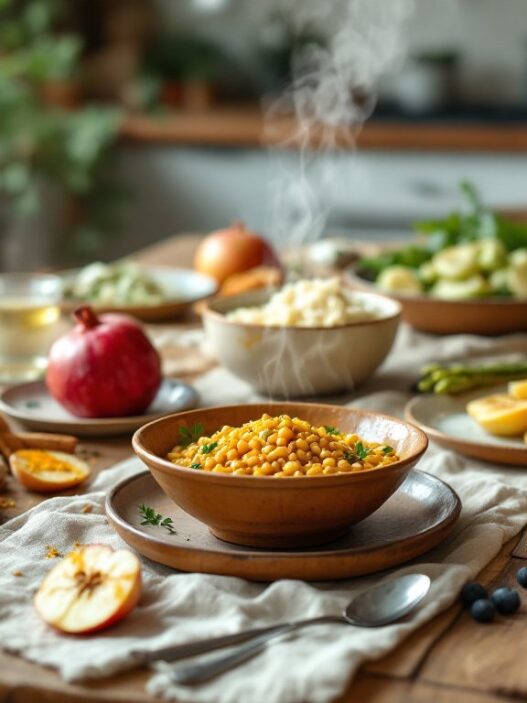
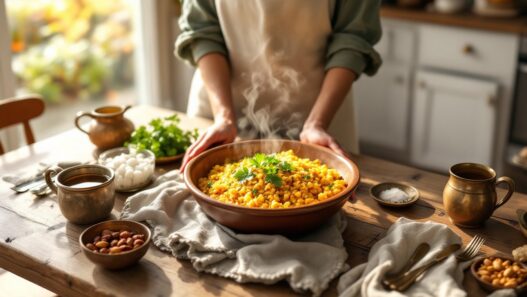
“Plant protein is incomplete and inferior.” Many plant proteins are lower in certain amino acids individually, but combining grains and legumes, rice and beans, bread and hummus, provides a complete profile. Ayurveda has known this for thousands of years. Kitchari, the classic mung dal and rice combination, is considered one of the most balanced and digestible meals precisely because it covers this base while being gentle on agni.
“More protein is always better.” Not really. Excess protein that your body can’t use doesn’t just disappear. It creates metabolic work for your liver and kidneys, and from an Ayurvedic view, undigested protein becomes ama, that heavy, toxic residue that clouds your channels, dulls your tejas, and weighs on your vitality. The goal isn’t maximum protein. It’s optimal, well-digested protein.
Try this: If you’ve been chasing a very high protein number, experiment with slightly lower but better-digested protein for a week. Add a pinch of cumin or ginger to protein-heavy meals to support agni. Takes no extra time. Good for anyone, but particularly Kapha types or anyone who feels sluggish after meals.
Simple Ways to Hit Your Protein Target Every Day
Here’s where I like to bring it back to real, everyday life. Because knowing your protein needs and actually meeting them consistently are two different things.
Start your morning with protein. In Ayurveda, the morning is Kapha time (roughly 6–10 a.m.), naturally heavier, slower, more grounded. A protein-rich breakfast with warm, light qualities helps counter that morning sluggishness and supports stable energy into midday. Think spiced scrambled eggs, a warm bowl of soaked and blended almonds with dates, or savory mung pancakes.
Make lunch your biggest protein meal. Midday is Pitta time, when your agni peaks. This is when your body is most capable of breaking down dense, protein-rich foods without creating ama. A hearty lentil stew, a grain bowl with well-cooked beans and vegetables, grilled fish with rice, this is the meal to go generous.
Keep dinner lighter and earlier. Evening agni is winding down. Heavy protein at 9 p.m. sits in your gut and compromises sleep quality. A lighter soup or small portion of easily digested protein works better.
For seasonal adjustments, consider this: in late autumn and winter, when cold, dry, rough Vata qualities dominate the environment, you can lean into richer, oilier protein sources, ghee-sautéed lentils, warm nut milks, stewed meats if you eat them. In summer’s heat, lighter proteins with cooling qualities, mung beans, coconut-based preparations, fresh paneer, keep Pitta in check.
Now, for the personalization piece, because your constitution changes everything.
If you’re more Vata: You tend toward a lighter frame, variable appetite, and quick-burning energy. Warm, oily, grounding protein sources are your friends. Favor cooked lentils with ghee, warm spiced milk, soft-cooked eggs, and small portions of well-prepared meat. Avoid large amounts of raw or cold protein (cold smoothies with protein powder, raw salads with cold chicken). Eat at consistent times to stabilize your mobile, erratic digestive rhythm.
If you’re more Pitta: You’ve probably got a strong appetite and can handle more protein, but watch for excess heat. Favor cooling protein sources, mung beans, milk, coconut, and moderate portions of chicken or fish. Avoid highly spiced or fermented protein-heavy meals late in the day. You might find you do best with your biggest protein serving at lunch when your naturally sharp agni is at its peak.
If you’re more Kapha: Your digestion tends to be slow but steady. You may not need as much total protein as Pitta types, but you benefit from lighter, drier, warmer preparations. Favor sprouted lentils, spiced bean soups, and lighter legumes over heavy dairy or large meat portions. A pinch of black pepper, ginger, or turmeric alongside protein helps kindle your agni and prevents ama from accumulating.
Try this: Pick one meal to upgrade this week, just one. Choose a protein source and preparation style that matches your constitution and the season. Spend 5 extra minutes on preparation. This works for everyone, though if you have significant digestive issues, consider working with an Ayurvedic practitioner before making big dietary shifts.
I want to close with something I come back to often. Modern nutrition science and Ayurveda are asking the same question from different angles: what does this particular body need to thrive? Science gives us grams and ranges. Ayurveda gives us a way to listen, to notice qualities, to respect digestive capacity, to adjust with the seasons and stages of life.
You don’t have to get this perfect. You don’t have to weigh every meal or memorize every dosha chart. Start focusing to how protein makes you feel, not just in the moment, but an hour later, the next morning, over the course of a season.
What’s one protein habit you’re curious about changing? I’d love to hear about it in the comments, or share this with someone who’s been wrestling with their own protein question.