






How Your Digestive System Actually Processes Snacks
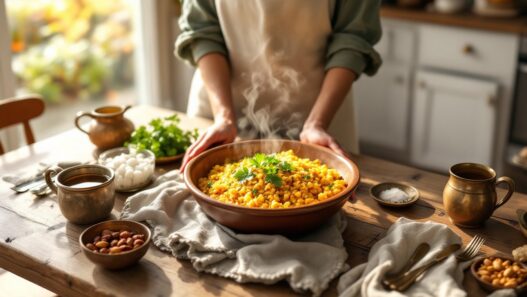
In Ayurveda, digestion is governed by something called agni, your digestive and metabolic intelligence. Think of agni like a cooking fire. When you sit down for a meal, that fire ignites fully, breaking down what you’ve eaten into nourishment your body can actually use. But here’s the thing: agni needs time to finish its work before you add more fuel.
When you eat a proper meal, your digestive fire moves through stages, first working on the heavier, grosser aspects of food, then refining subtler nutrients that feed your deeper tissues and vitality. Each stage requires warmth, sharpness, and a kind of focused metabolic attention. When that process completes, you feel genuinely light and clear. That lightness is a sign your agni did its job well.
Now picture tossing a damp log onto a fire that’s halfway through burning a bigger one. The flame stutters. Smoke rises. That’s what happens when you snack before your previous meal has been fully processed. The food sits partially digested, and over time, this creates what Ayurveda calls ama, a sticky, dull, heavy residue that clogs your channels and dampens your energy. You might notice it as bloating, a coated tongue in the morning, brain fog, or that vague heaviness that never quite lifts.
So your digestive system can process snacks. But whether it does so cleanly depends on timing, the state of your agni, and whether the last meal has moved through.
Do this today: Before reaching for a snack, pause and notice, do you still feel any heaviness or fullness from your last meal? If yes, wait. Give yourself 10 seconds of honest checking-in. This works for everyone, though it’s especially helpful if you tend toward sluggish digestion.
When Snacking Supports Healthy Digestion

Stable Blood Sugar and Reduced Overeating
Not all snacking is a problem. Sometimes, a well-chosen snack is exactly what your body needs, and Ayurveda actually accounts for this.
If you have a naturally quick, mobile, and light constitution (what Ayurveda calls a Vata-predominant nature), your digestive fire tends to be variable. It flares up fast and burns through food quickly. You might feel shaky, anxious, or scattered when meals are too far apart. That dip isn’t just “low blood sugar” in the modern sense, it’s your prana (life force and nervous system steadiness) getting destabilized when the body runs out of nourishing fuel.
A small, warm, grounding snack between meals can stabilize that mobile energy. It keeps your ojas, your deep reserves of vitality and resilience, from getting depleted. And practically, it prevents you from arriving at dinner so ravenous that you overeat, which overloads agni and creates ama all over again.
The key is that your previous meal has been digested. True hunger feels light and clear, not desperate.
Do this today: If you notice shakiness or mental scatter between meals, try a small warm snack, a few soaked dates with ghee, or a cup of spiced milk, around 3 to 4 hours after your last meal. Takes just a few minutes to prepare. Particularly helpful for those with lighter, more variable digestion. If you feel heavy or full, skip it.
Fueling an Active Metabolism Between Meals
People with strong, sharp, hot digestive fire, a Pitta-predominant pattern, often genuinely need to eat more frequently. Their agni burns intensely, and when it runs out of food, it can start irritating the stomach lining. You know that sharp, acidic feeling when you’ve waited too long? That’s excess heat with nothing to work on.
For this constitution, a cooling, moderately substantial snack protects the stomach and keeps tejas, your metabolic clarity and inner “spark”, balanced rather than overheated. Think fresh fruit with a bit of coconut, or cucumber with a pinch of mineral salt.
The snack here isn’t indulgence. It’s intelligent fueling that prevents your digestive fire from turning on your own tissues.
Do this today: If you run hot and get irritable or acidic between meals, try a small cooling snack about 3 hours after lunch. A ripe sweet pear or some soaked sunflower seeds work well. Takes 2 minutes. Best for those who tend toward sharp hunger and heat. Not ideal if your digestion feels slow or heavy.
When Snacking Does More Harm Than Good
Constant Grazing and the Migrating Motor Complex
Here’s where I see the most confusion. Modern wellness culture sometimes encourages eating every two hours to “keep metabolism up.” But Ayurveda sees this very differently.
Your digestive system has a natural cleaning cycle. In modern physiology, it’s called the migrating motor complex, a wave-like movement that sweeps through your gut between meals, clearing out residue. In Ayurvedic terms, this is agni completing its work and the body’s channels (srotas) getting a chance to clear and reset.
When you graze constantly, that cleaning cycle never activates. The fire never fully completes a burn. Food layers on top of food, and the result is ama, that heavy, sticky, dull metabolic residue I mentioned earlier. Over time, ama accumulates in your tissues. You might notice a persistent coating on your tongue, sluggish bowels, a feeling of being “puffy” or congested, or a general dullness in your thinking.
This is especially relevant for Kapha-predominant constitutions, where digestion already tends toward the slow, cool, and heavy side. Constant snacking feeds exactly the qualities that are already in excess, and agni gets smothered rather than stoked.
Do this today: Try going a full 4 to 5 hours between meals without snacking, just for one day. Drink warm water or ginger tea if you feel peckish. Notice how you feel by evening, lighter? Clearer? This takes zero prep time. Especially valuable for those with slower, heavier digestion. If you have a Vata constitution or feel genuinely weak, this may not suit you, adjust the gap to 3 hours instead.
Common Snack Choices That Trigger Digestive Distress
It’s not only the timing of snacks that matters, it’s what you’re reaching for.
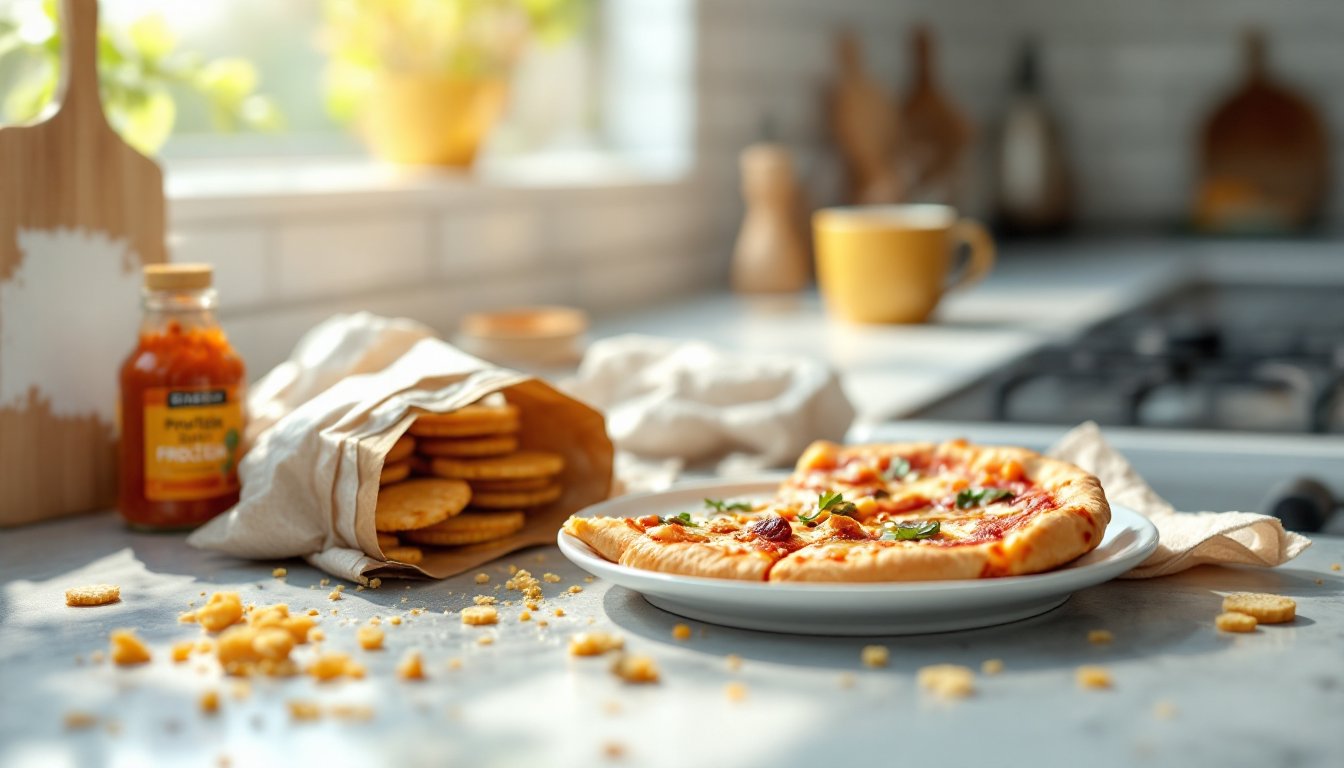
Many popular snack foods are dry, rough, and light (think rice cakes, raw vegetables, cold protein bars). For someone with a Vata imbalance, these qualities aggravate an already dry, mobile system. The dryness and roughness disturb the gut lining and create gas and bloating.
On the other hand, heavy, oily, cold snacks, like cheese from the fridge or leftover pizza, can overwhelm a Kapha-type digestion that’s already cool and sluggish. The heaviness just sits there.
And for Pitta types, sharp, pungent, or fermented snacks (hot chips, salsa, kombucha on an empty stomach) can pour fuel on an already strong fire, creating acidity and loose stools.
The Ayurvedic principle here is beautifully simple: like increases like, and opposites bring balance. If you’re already feeling dry and scattered, you don’t need a dry, crunchy snack, you need something warm, slightly oily, and grounding. If you’re heavy and sluggish, you don’t need more heaviness, you need something light and warm with a little spice.
Do this today: Look at your go-to snack and ask, does this share the same qualities I’m already feeling too much of? If yes, try the opposite quality tomorrow. Takes just a moment of reflection. Works for everyone regardless of constitution.
The Best Snacking Strategies for Gut Health
Timing, Portion Size, and Food Pairing Tips
Let me pull this all together into something you can actually work with in daily life.
Timing matters deeply. Ayurveda links digestive strength to the rhythms of the day. Your agni peaks around midday when the sun is highest, that’s when your body can handle the most food. Between meals, allow a minimum of 3 hours (ideally 4 to 5) so your digestive fire can finish its cycle. If you do snack, the sweet spot is usually mid-morning or mid-afternoon, not after dinner. Evening snacking is particularly counterproductive because agni naturally dims as the day winds down, and anything eaten late tends to sit undigested, creating ama overnight.
Portion size is about honoring agni, not counting calories. A snack in Ayurveda is a handful, not a meal. Just enough to settle genuine hunger without reigniting the full digestive process. Think of it as kindling, not a log.
Food pairing keeps things smooth. Combining fruit with dairy, or mixing raw and cooked foods in a single snack, creates conflicting digestive demands, one food needs heat while the other needs coolness, and agni gets confused. Keep snacks simple. One or two ingredients. Warm is almost always better than cold, because warmth supports agni rather than dampening it.
Now, here’s the personalization piece, because the best snacking strategy depends on who you are.
If you’re more Vata: Your digestion is variable, and you burn through food quickly. A warm, slightly oily, grounding snack is your friend. Try a small bowl of stewed apple with cinnamon and a teaspoon of ghee, or a few soaked almonds with a date. Eat in a calm setting, not while walking or scrolling. One thing to avoid: dry, cold, crunchy snacks eaten on the go. That amplifies the very qualities making you feel ungrounded.
Do this today: Swap your afternoon crackers for something warm and soft. Prep takes 5 minutes. Ideal for variable, quick-burning digestion. If you tend toward heaviness or congestion, reduce the ghee.
If you’re more Pitta: Your fire is strong and sharp, and you do genuinely get hungry between meals. Honor that, but choose cooling, sweet, and moderately substantial snacks. Fresh seasonal fruit (sweet grapes, ripe pear, melon), coconut flakes, or a small handful of soaked sunflower seeds work beautifully. One thing to avoid: spicy, salty, or fermented snacks, which pour more heat into an already hot system.
Do this today: Keep some fresh sweet fruit at your desk for the mid-afternoon window. Takes zero prep. Best for sharp, strong digestion that turns acidic when neglected. If your digestion feels cool or slow, this isn’t your priority.
If you’re more Kapha: Honestly? You probably don’t need to snack most days. Your agni is steady but slow, and your body holds onto nourishment longer. The best thing you can do is let your digestive fire fully complete its work between meals. If you truly feel hungry (not just bored or habitual), go for something light, warm, and mildly spiced, a cup of vegetable broth with ginger, or a small apple with a pinch of cinnamon. One thing to avoid: heavy, sweet, cold, or oily snacks, which increase the qualities already dominant in your system.
Do this today: Replace your habitual afternoon snack with a cup of hot ginger-lemon water and see if the hunger passes. Takes 2 minutes. Best for slower, steadier digestion. If you’re feeling depleted or underweight, you may actually need more nourishment, listen to your body.
Two daily habits to anchor this. First, start your morning with a cup of warm water before eating anything, this gently awakens agni and clears overnight ama. Second, make lunch your largest meal, eaten around noon when digestive fire is naturally strongest, so you’re less likely to need heavy snacks later.
One seasonal adjustment. In late autumn and early winter, when the air turns cold, dry, and mobile (Vata season), even people who don’t usually snack may benefit from a small warm afternoon snack to stay grounded. In spring, when the world is cool, damp, and heavy (Kapha season), it’s generally best to tighten up and reduce snacking, your digestion is already sluggish from the seasonal qualities, and extra food just adds to the stagnation.
When you align your eating rhythms with both your constitution and the season, something quietly remarkable happens. Your ojas, that deep reservoir of vitality and immune resilience, stays full. Your tejas, the metabolic clarity that lets you think sharply and digest both food and experience, stays bright. And your prana, the life force that keeps your nervous system steady and your breath easy, flows without obstruction. That’s what Ayurveda is really after. Not perfect eating, but intelligent, attuned eating.
Conclusion
Snacking isn’t something to feel guilty about or righteous about. It’s a tool, and like any tool, it works when you use it with awareness.
The invitation here is simple. Pay attention to your digestive fire. Notice whether you’re truly hungry or just restless. Choose foods that balance the qualities you’re already feeling too much of. And give your body the space it needs to finish what it started before you ask it to begin again.
Small shifts add up. Maybe tomorrow, you try one warm snack instead of a cold one. Maybe you let a full four hours pass between meals and notice the lightness. That’s enough.
I’d love to hear what you notice, what’s your go-to snack, and how does it actually make you feel afterward? Drop a thought in the comments or share this with someone who’s been navigating the same snacking confusion. Sometimes just knowing there’s a framework beyond “calories in, calories out” changes everything.