







Why Some Foods Give You Energy While Others Leave You Drained
Here’s how Ayurveda frames it: your energy doesn’t come from food directly. It comes from how well your body transforms food. That transformation depends on your agni, your digestive and metabolic intelligence, and whether the qualities of what you eat support or suppress it.
When you eat something heavy, cold, and oily (think a big plate of leftover pizza straight from the fridge), you’re layering dense qualities onto your digestive system. If your agni isn’t strong enough to handle that, undigested residue, called ama, starts to build. Ama is sticky, dull, and heavy. It clogs your channels, clouds your thinking, and makes you feel like you need a nap.
On the other hand, foods that are warm, light, and moderately moist tend to kindle agni rather than smother it. They break down cleanly, nourish your tissues, and support what Ayurveda calls ojas, that deep, quiet reservoir of vitality that keeps you resilient all day.
So it’s less about calories-in, calories-out and more about: Can your body actually use what you’re giving it?
Each dosha experiences this differently. Vata types tend toward irregular energy, bursts of enthusiasm followed by sudden crashes, because Vata is mobile and light, burning fuel quickly. Pitta types often have strong digestion but run hot and sharp, so they crash when they skip meals or eat too many pungent, acidic foods. Kapha types can feel sluggish even after a full night’s sleep because their naturally heavy, stable qualities slow metabolism down.
The Science Behind Blood Sugar and Sustained Energy
Modern nutrition talks about blood sugar balance, and Ayurveda agrees with the underlying principle, just using different language. When you eat refined, fast-digesting foods, you get a spike of sharp, mobile energy followed by a dull, heavy crash. That spike-and-crash pattern is essentially your agni flaring up and then burning out.
Ayurveda’s solution is beautifully simple: favor foods whose qualities promote slow, steady, stable energy. That means prioritizing foods that are grounding without being heavy, warming without being sharp, and nourishing without being dense. The principle of opposites, using cool to balance hot, stable to balance mobile, is the engine behind every recommendation that follows.
Do this today: Before your next meal, pause and notice, is the food warm or cold? Light or heavy? That simple awareness takes ten seconds and it’s for anyone, regardless of constitution.
Complex Carbohydrates That Keep You Going for Hours
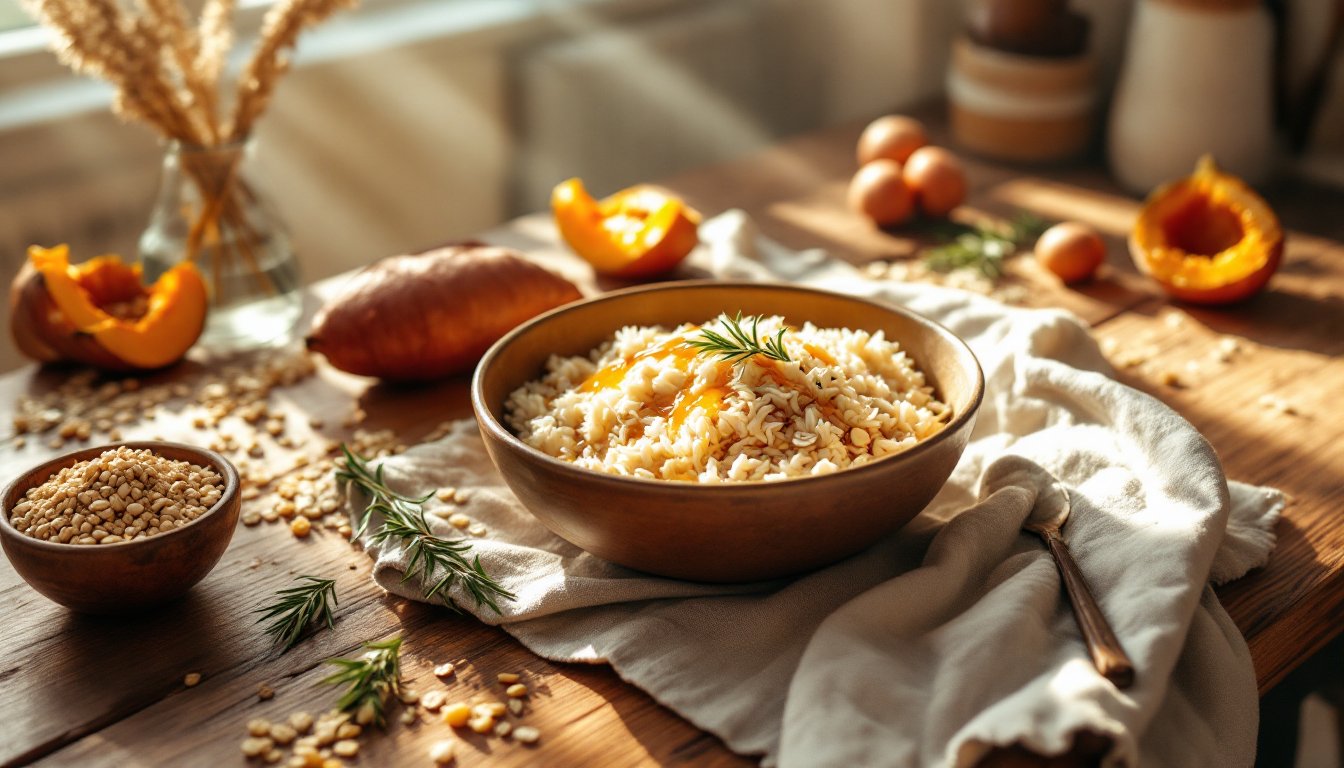
In Ayurveda, grains and starchy vegetables are considered madhura (sweet in taste), and the sweet taste is grounding, nourishing, and building. It feeds ojas, that deep vitality I mentioned. But not all sweet-tasting foods are created equal.
Whole grains like basmati rice, quinoa, oats, and barley carry qualities that support sustained energy. Basmati rice is light and easy to digest, making it a friend to almost every constitution. Oats are warm, slightly heavy, and smooth, wonderful for grounding scattered Vata energy in the morning. Barley is one of Ayurveda’s favorites: it’s light, dry, and slightly rough, which makes it particularly good for Kapha types who need to keep things moving.
Sweet potatoes and winter squashes are warm, moist, and moderately heavy, they satisfy without overwhelming agni. They’re the kind of slow-burning fuel that carries you from lunch well past mid-afternoon.
The key difference between these foods and their refined counterparts (white bread, pastries, sugary cereals) is how they interact with your digestive fire. Refined carbs are stripped of their roughness and fiber, they hit agni fast, burn bright, and leave nothing behind except ama. Whole grains, by contrast, give agni something to work with, like feeding a campfire with seasoned logs instead of newspaper.
Do this today: Try swapping one refined carb for a whole grain at lunch, maybe basmati rice instead of white bread. It takes no extra time. This works for all constitutions, though Kapha types might prefer barley or quinoa for their lighter qualities.
Healthy Fats and Proteins That Stabilize Your Energy Levels

If complex carbs are the logs on your fire, healthy fats and proteins are the slow-burning coals that keep it going through the night.
Ghee is considered one of Ayurveda’s most prized foods, and for good reason. It’s oily and smooth, which lubricates tissues and calms Vata’s dry, rough tendencies. But unlike many heavy fats, ghee actually supports agni rather than dampening it. A teaspoon with your meal helps carry nutrients deeper into your tissues and supports tejas, that metabolic spark that keeps your mind clear and your energy bright.
Almonds (soaked and peeled) are another standout. They’re heavy and oily enough to sustain energy, yet sweet and nourishing in a way that builds ojas. Soaking them overnight removes the rough outer skin, making them easier to digest, a small step that makes a real difference.
Mung dal is Ayurveda’s go-to protein. It’s light, warm, and easy to digest, the rare protein source that strengthens agni without burdening it. For anyone who feels heavy after eating beans, mung is a revelation.
Other excellent choices include sesame seeds (warm, heavy, oily, great for Vata), sunflower seeds (cooler and lighter, better for Pitta), and small amounts of fresh paneer for those who tolerate dairy.
The pattern here is balance. You want enough fat and protein to create stability and sustain your energy, but not so much that you create heaviness and ama.
Do this today: Add a teaspoon of ghee to your lunch grain. It takes five seconds, and it’s suitable for Vata and Pitta types especially. Kapha types can use a smaller amount or substitute with a light drizzle of sunflower oil.
The Best Fruits and Vegetables for Natural, Lasting Fuel
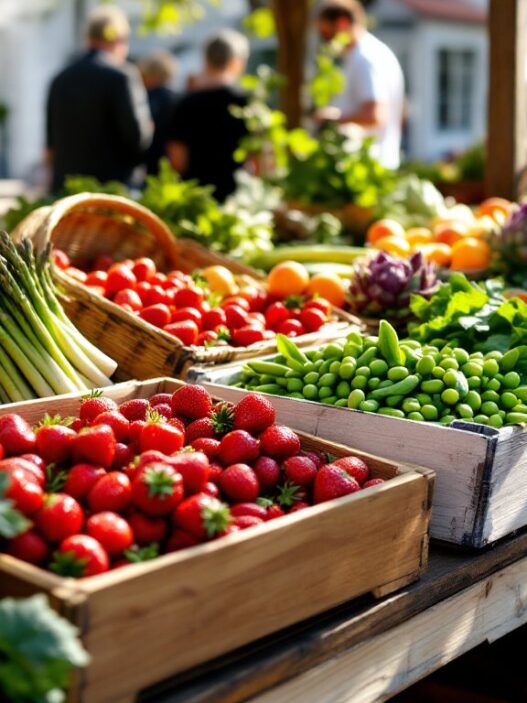
Fruits and vegetables bring prana, life force, into your meals in a way that heavier foods can’t. Fresh, seasonal produce is alive with subtle energy that directly supports your nervous system and mental clarity.
Cooked leafy greens like spinach and chard are light, slightly rough, and rich in the bitter taste, which helps cleanse channels and clear ama. Cooking them with a little ghee and cumin makes them easier to digest and balances their dry, light qualities.
Beets are warming, sweet, and grounding, they nourish the blood and support Pitta types who burn through their fuel quickly. Carrots and asparagus are similarly warming and supportive without being heavy.
For fruits, dates are one of Ayurveda’s best energy foods. They’re sweet, heavy, and oily, direct ojas builders. Two or three soaked dates in the morning can be genuinely transformative for Vata types who struggle with early-day energy. Ripe bananas offer grounding, smooth sweetness. Pomegranates are cooling, astringent, and excellent for Pitta types who run hot.
One Ayurvedic principle worth knowing: fruit digests faster than most other foods. Eating it between meals rather than with meals keeps agni working efficiently and prevents ama from forming.
Do this today: Try eating fruit as a mid-morning snack, about 30 minutes before or two hours after a meal. This takes no extra prep. It’s great for all types, though Kapha folks might favor lighter fruits like apples or pears.
Hydration and Energy: The Connection Most People Overlook
I can’t tell you how many times I’ve felt an afternoon energy dip that turned out to be plain old dehydration. But Ayurveda has a specific take on hydration that goes beyond “drink eight glasses a day.”
Warm or room-temperature water is preferred over cold, because cold water is heavy and dull, it dampens agni the way throwing ice on a campfire would. Warm water, by contrast, is light and mobile. It gently stimulates digestion, helps flush ama from channels, and keeps prana flowing smoothly.
Sipping warm water throughout the day, rather than gulping large amounts at once, keeps your system hydrated without overwhelming your stomach. Think of it like watering a garden: a gentle, steady stream soaks in: a sudden flood just runs off the surface.
Herbal teas are another wonderful tool. Cumin-coriander-fennel tea (a classic Ayurvedic blend) is cooling enough for Pitta, light enough for Kapha, and warming enough for Vata. Ginger tea with a touch of honey kindles agni beautifully on cold mornings.
One habit to consider avoiding: drinking large amounts of liquid during meals. This dilutes your digestive juices and weakens agni. Small sips of warm water with food are fine, it’s the big glass of ice water that causes trouble.
Do this today: Keep a thermos of warm water nearby and sip between meals. Five minutes of setup in the morning. This is helpful for everyone, but particularly supportive for Vata types who tend toward dryness.
Foods and Habits That Secretly Drain Your Energy
Sometimes gaining energy is less about adding the right things and more about recognizing what’s quietly stealing it.
Cold, raw, dry foods in excess aggravate Vata and weaken agni. That giant cold salad for lunch? It might feel “healthy,” but if your digestion is delicate, it’s asking your agni to work overtime on food that’s hard to break down. The result: ama, bloating, and fatigue.
Leftover food loses its prana over time. In Ayurveda, freshly cooked food carries the most life force. I’m not saying you can never eat leftovers, that’s impractical, but relying on reheated meals day after day can slowly diminish your energy at the subtle level.
Eating too fast or while distracted disrupts the mobile, irregular quality of Vata in your digestion. When your attention is scattered between your phone and your plate, your body can’t fully engage its digestive intelligence.
Caffeine and sugar offer a sharp, mobile burst of energy that mimics strong agni, but it’s borrowed energy. The crash that follows leaves you more depleted than before, draining tejas and destabilizing prana.
Late-night eating is another quiet saboteur. After sunset, your digestive fire naturally dims. Heavy food eaten late sits in your stomach, becomes ama, and leaves you waking up groggy rather than refreshed, a direct hit to your morning ojas.
Do this today: Pick one habit from this list that resonates and gently experiment with shifting it for a week. Even five minutes of undistracted eating makes a noticeable difference. This reflection exercise suits all constitutions.
How To Build an All-Day Energy Meal Plan
Building sustained energy isn’t about one magic food, it’s about rhythm. Ayurveda teaches that your digestive fire follows the sun: it’s gentle in the morning, strongest at midday, and winding down in the evening. Eating in harmony with this rhythm is one of the simplest ways to feel energized all day.
Morning (Kapha time, 6–10 a.m.): Your body is still waking up. Favor warm, light, gently stimulating foods. A bowl of cooked oats with cinnamon, a few soaked almonds, and a drizzle of ghee gives you grounding sweetness without heaviness. Ginger tea on the side kindles your morning agni.
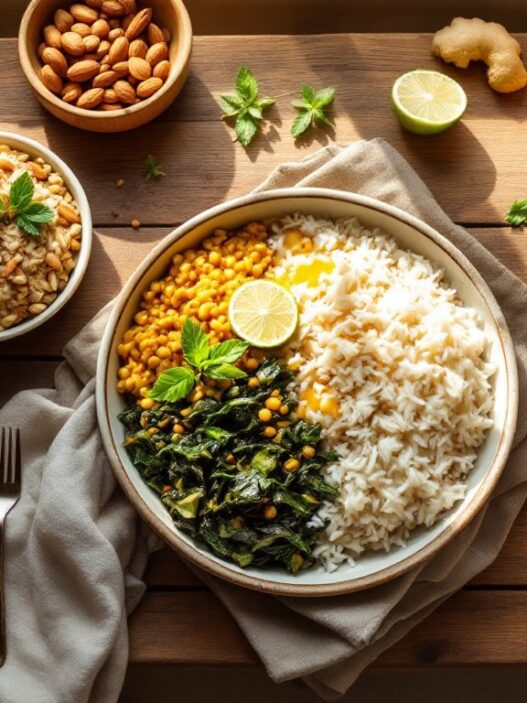
Midday (Pitta time, 10 a.m.–2 p.m.): This is when your digestive fire burns brightest, make lunch your biggest meal. Basmati rice with mung dal, sautéed seasonal vegetables, and a side of cooked greens is a classic Ayurvedic plate. The combination of complex carbs, easy-to-digest protein, and fiber-rich vegetables gives agni everything it needs to create clean, sustained fuel.
Afternoon snack (if needed): A few soaked dates, a piece of ripe fruit, or a cup of warm cumin-coriander-fennel tea. Keep it light, you’re bridging the gap, not replacing a meal.
Evening (Vata time, 2–6 p.m. transitioning into Kapha): Dinner is best kept lighter and earlier, ideally before 7 p.m. A simple soup, kitchari, or steamed vegetables with a small amount of grain supports digestion without taxing it.
Sample Meals and Snacks for Steady Energy From Morning to Night
Here’s what a day might look like, keeping the dosha-personalization piece in mind.
If you’re more Vata: Your energy tends to be erratic, high one moment, gone the next. You thrive on warm, oily, grounding foods eaten at consistent times. Try oatmeal with ghee and dates for breakfast, a hearty rice-and-dal bowl at lunch, and a warm root vegetable soup for dinner. Avoid skipping meals, that’s the fastest way to send Vata spiraling. Do this today: Set a gentle alarm for mealtimes to build consistency. Takes one minute to set up. Best for Vata-dominant folks: not as critical for Kapha types who rarely forget to eat.
If you’re more Pitta: You have strong agni, but it runs hot and sharp. Skipping meals makes you irritable and acidic. Favor cooling, slightly sweet, moderately heavy foods. Try a coconut-date smoothie (room temperature, not icy) in the morning, a generous lunch with basmati rice, cucumber raita, and cilantro-rich greens, and a lighter dinner with sweet potato and steamed broccoli. Avoid excess spice, fermented foods, and acidic fruits. Do this today: Add a cooling element to your lunch, fresh cilantro, cucumber, or coconut. Thirty seconds of effort. Ideal for Pitta types: Vata types may find these foods too cooling.
If you’re more Kapha: Your energy tends to be slow and steady, but it can tip into heaviness and lethargy. You benefit from warm, light, slightly dry, and well-spiced foods. Try a light breakfast of stewed apples with cinnamon and cloves, a lunch centered on barley or quinoa with plenty of steamed greens and pungent spices, and a very light dinner like a clear vegetable broth. Avoid heavy, oily, cold foods, especially in the morning. Do this today: Add a pinch of black pepper or ginger to your morning meal to kindle agni. Five seconds. Perfect for Kapha types: Pitta types may find the extra heat aggravating.
For your daily routine, two habits make an outsized difference. First, try eating your main meal between 11 a.m. and 1 p.m. when agni peaks. Second, take a short, gentle walk after lunch, even ten minutes. This stimulates digestion without being strenuous, helping food transform into energy rather than ama.
As for seasonal adjustments, your energy foods naturally shift with the weather. In the cool, dry months of late autumn and winter, favor warmer, oilier, heavier foods, more ghee, more root vegetables, more warming spices like cinnamon and ginger. In the hot months of summer, lean toward cooling grains like barley, sweet fruits, and lighter preparations. Spring calls for lighter, drier, more pungent foods to clear the natural Kapha accumulation of the season. Eating against the season is like wearing a wool sweater in July, it creates friction your body has to work overtime to resolve.
Do this today: Look at tomorrow’s forecast and ask yourself, does my food match the weather? That one-second question can shift your energy over time. Relevant for all types, all seasons.
Conclusion
Sustained energy isn’t something you need to manufacture through willpower or caffeine. It’s what naturally arises when you eat in rhythm with your body, honor your unique constitution, and treat your digestive fire as the intelligent system it is.
The beautiful thing about Ayurveda’s approach to eating for energy is that it doesn’t ask you to overhaul everything overnight. Start with one thing, maybe it’s adding ghee to your lunch, maybe it’s sipping warm water instead of cold, maybe it’s simply eating your biggest meal at midday. Small shifts, practiced consistently, build the kind of steady vitality that no energy drink can replicate.
Your body already knows how to produce abundant, clean energy. Sometimes it just needs you to stop getting in the way.
I’d love to hear from you, what’s one food or habit that’s made the biggest difference in your energy levels? Drop a comment below or share this with someone who’s tired of being tired.