





Why Eating Healthy Doesn’t Have to Cost More
There’s a persistent myth that eating well means spending more. But when I look at this through Ayurveda’s framework, the most nourishing foods, rice, lentils, seasonal vegetables, warming spices, have always been the least expensive ingredients in any kitchen.
Ayurveda teaches that imbalance starts at the level of cause, what’s called nidana. When we eat processed, packaged convenience food because it seems cheaper, we’re actually introducing qualities that disturb our doshas, the three constitutional energies (Vata, Pitta, and Kapha) that govern everything from digestion to mood. Packaged snacks tend to be dry, light, and rough, which aggravates Vata. Spicy, acidic fast food fans the flames of Pitta. And heavy, oily takeout loaded with cheese and refined flour feeds excess Kapha.
The real cost of cheap processed food isn’t on the receipt, it’s in the sluggish digestion, the brain fog, and the low-grade fatigue that creep in over weeks and months. When your digestive fire, known as agni, weakens from poor-quality inputs, undigested residue called ama starts to accumulate. That ama shows up as heaviness after meals, a coated tongue in the morning, or that afternoon energy crash you can’t shake.
Whole, simple foods do the opposite. They’re easier for your body to process, they keep agni steady, and they actually build ojas, your deep reserve of vitality and immune resilience. And here’s the beautiful part: those foods are almost always the budget-friendly ones.
Do this today: Next time you shop, compare the per-serving cost of dried lentils versus a frozen pizza. Five minutes of math might change your perspective entirely. This works for anyone, regardless of dosha or experience level.
Plan Your Meals and Build a Smart Grocery List

Meal planning isn’t just a money hack, from an Ayurvedic standpoint, it’s a form of vihara, or lifestyle practice, that brings stability to your whole week. When you sit down for even fifteen minutes on a Sunday evening and sketch out your meals, you’re countering the mobile, scattered quality that throws Vata out of balance and leads to impulsive food choices.
I like to think of a grocery list as a gentle anchor. Without one, I end up wandering the store, grabbing things that look appealing in the moment, usually processed, usually overpriced. With a list built around simple staples and seasonal produce, I spend less and come home with food that actually supports my digestion.
Here’s something I’ve found helpful: plan meals around one or two grains, a couple of legumes, and whatever vegetables are in season that week. Ayurveda values this kind of simplicity because it keeps agni from being overwhelmed. When you throw fifteen different ingredients into every meal, your digestive fire has to work overtime to sort through competing qualities, hot and cold, heavy and light, oily and dry, all at once. That confusion is a recipe for ama.
A streamlined meal plan also supports tejas, the subtle metabolic spark that governs clarity and discernment. When your food is simple and well-planned, your mind tends to follow suit.
Do this today: Spend 10–15 minutes planning three dinners for the coming week using ingredients you already have. This is especially grounding for Vata types but benefits everyone.
Buy Seasonal Produce and Shop Local When Possible

Ayurveda has a concept called ritucharya, seasonal living, and it’s one of the most practical budget strategies I know. Nature provides exactly what your body needs in each season, and seasonal produce happens to be the most abundant and affordable option at any given time.
In summer, cooling foods like cucumber, zucchini, and leafy greens are plentiful and cheap. Their cool, light qualities naturally balance Pitta’s hot, sharp tendencies. In fall and winter, heavier root vegetables, squashes, and warming grains come into season, perfect for grounding the dry, cold, mobile qualities of elevated Vata. Spring brings bitter greens and lighter fare that helps clear the heavy, damp Kapha accumulation of the colder months.
When you eat out of season, you’re not only paying a premium for food that’s been shipped from far away, you’re also working against your body’s natural rhythm. That imported tomato in January carries none of the vitality (prana, or life force) of one picked ripe in August.
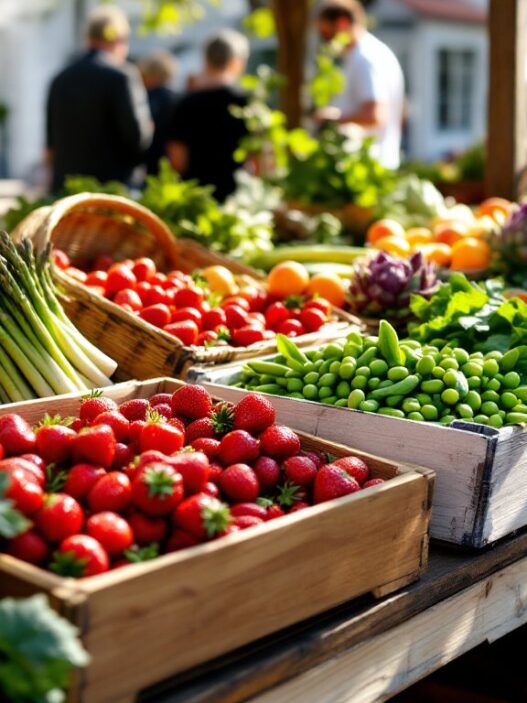
Farmers’ markets and local co-ops are wonderful for this. The produce is fresher, which means higher prana content, and it’s often more affordable than the organic section at a big grocery chain. I’ve found that even one trip a month to a local market shifts the quality of my cooking noticeably.
Do this today: Look up what’s in season where you live right now, and build your next two meals around those ingredients. Takes about 5 minutes. Great for all dosha types, especially Pitta and Kapha in their respective peak seasons.
Stock Up on Affordable Nutrient-Dense Staples
If there’s one thing Ayurveda and a tight budget agree on completely, it’s the value of staple foods. A well-stocked pantry of simple, nutrient-dense ingredients means you can always prepare a nourishing meal without a last-minute (and expensive) takeout order.
Beans, Lentils, and Whole Grains
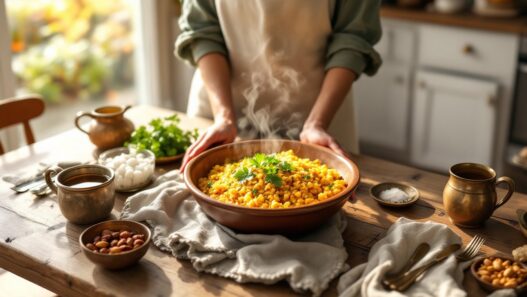
Lentils and beans are some of the most ojas-building foods available, and they cost next to nothing per serving. Mung beans in particular hold a special place in Ayurveda, they’re light enough not to overwhelm agni, nourishing enough to build tissue, and easy to digest for most people. A pot of mung dal with rice (called kitchari) is considered one of the most balancing meals you can eat, and it costs roughly a dollar or two to make.
Whole grains like basmati rice, oats, and barley provide grounding, stable energy. Their heavy, smooth qualities are wonderful for calming Vata’s restless tendencies, while their simplicity keeps Pitta’s sharp digestion from becoming over-stimulated.
Try keeping at least three types of legumes and two grains on hand at all times. You’ll be amazed how many meals that covers.
Do this today: Stock your pantry with mung beans, red lentils, and basmati rice this week. Total cost: under $10 for multiple meals. Ideal for all types, especially Vata.
Frozen Fruits and Vegetables
I know fresh is the Ayurvedic gold standard, and I agree, prana is highest in freshly prepared food. But here’s the practical truth: frozen produce is picked at peak ripeness, retains most of its nutrients, and costs significantly less than fresh out-of-season equivalents.
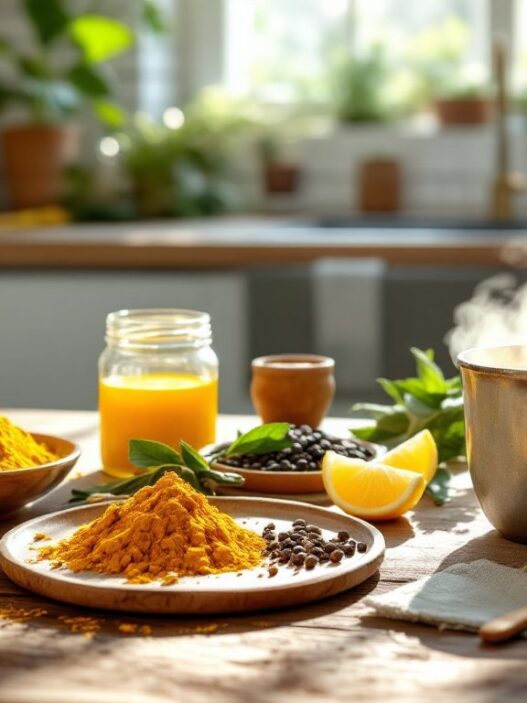
The key is in how you prepare them. Rather than eating frozen vegetables cold or raw (which increases the cold, rough qualities that aggravate Vata), cook them into soups, stews, and sautés with warming spices like cumin, ginger, and turmeric. That way, you bring warmth and oiliness back into the meal, supporting agni rather than dampening it.
Frozen berries blended into a warm spiced compote make a beautiful breakfast topping, far more nourishing than a cold smoothie, and much kinder to your digestive fire.
Do this today: Pick up one bag of frozen spinach and one bag of frozen mixed vegetables. Cook them warm with ghee and spices this week. Takes 10 minutes. Good for everyone, but Vata types especially benefit from cooking them thoroughly.
Cook in Batches and Embrace Meal Prep
Batch cooking is where budget-friendly meets Ayurveda-friendly in a really satisfying way. When I set aside a couple of hours on a weekend to cook a big pot of soup, a grain, and a batch of spiced lentils, I’ve essentially handled most of my meals for the next few days.
From an Ayurvedic perspective, freshly cooked food carries the most prana, that vital life energy that nourishes not just your body but your nervous system and mental clarity. Now, I’ll be honest: reheated leftovers aren’t quite the same. Ayurveda traditionally says food is best eaten within a few hours of cooking. But in modern life, batch-prepped meals stored properly and eaten within 24 to 48 hours are a reasonable middle ground. They’re infinitely better than the drive-through.
The trick is to keep batch meals simple. A pot of kitchari. A vegetable soup with warming spices. A big batch of stewed greens with cumin and a little ghee. Simple meals with fewer competing qualities are gentler on agni and less likely to create ama, that heavy, sticky residue of incomplete digestion.
Batch cooking also introduces the stable, grounding quality into your routine, which is a direct counter to the erratic, mobile pattern that leads to skipped meals and late-night snacking (both big Vata aggravators).
Do this today: Cook one large pot of soup or dal this weekend, enough for 4–6 servings. Time investment: about 45 minutes. Perfect for busy Vata and Pitta types. Kapha types might prefer slightly smaller portions reheated with extra spice.
Cut Food Waste to Stretch Every Dollar
Americans waste roughly 30 to 40 percent of their food supply, and in my experience, most of that waste happens at home. From an Ayurvedic lens, wasting food isn’t just a financial issue, it reflects a disconnection from the qualities of attention and care that support ojas and overall wellbeing.
Practically, reducing waste starts with cooking what you have before buying more. That slightly soft carrot? It’s perfect for soup. Those herb stems you usually toss? They carry flavor and subtle nutrients.
I’ve started keeping a small “use first” section in my fridge, whatever needs to be eaten soonest goes there. It’s a tiny habit, but it’s saved me real money over the past year and cut down on the guilt of throwing away wilted produce.
Ayurveda also reminds us that food loses prana over time. The longer something sits, the more dull and heavy its qualities become. So using ingredients while they’re still vibrant isn’t just economical, it’s genuinely better for your digestion and energy.
Vegetable scraps can become broth. Overripe fruit turns into a warm compote. Stale bread becomes croutons toasted with ghee and cumin. Every bit of creativity here supports both your wallet and your agni.
Do this today: Designate a “use first” shelf in your fridge and commit to checking it before planning meals. Five minutes, no special equipment. Works for every constitution.
Use Coupons, Apps, and Store Loyalty Programs
I’ll be the first to admit this section might seem far from Ayurvedic territory. But here’s how I see it: being mindful with money is a form of vihara, a lifestyle practice that reduces stress and supports stability. And less financial stress means less cortisol, less Vata aggravation, and more space for your body to actually digest and absorb what you eat.
In 2026, there are more tools than ever to save on groceries. Store loyalty programs, cashback apps, and digital coupons can genuinely reduce your weekly bill by 15 to 20 percent without much effort. I use a couple of apps that track prices at local stores, and I’ve gotten comfortable buying staples like rice, oats, and cooking oils in bulk when they go on sale.
The one Ayurvedic caution I’d offer: don’t let coupons lead you toward processed foods just because they’re discounted. A dollar saved on something that creates ama is a dollar you’ll pay back in low energy and sluggish digestion. Keep your focus on whole ingredients, grains, legumes, spices, seasonal produce, and let the savings follow.
Do this today: Download one grocery savings app and sign up for your local store’s loyalty program. About 10 minutes to set up. This is practical support for everyone, and especially calming for Vata types who feel anxious about finances.
Grow Your Own Herbs and Simple Vegetables
There’s something deeply satisfying about snipping fresh basil or cilantro from a plant you grew yourself. And from an Ayurvedic perspective, homegrown herbs carry an extraordinary amount of prana, that vital life force that diminishes the longer food sits on a shelf or truck.
You don’t need a garden or a yard. A sunny windowsill can support a few pots of basil, cilantro, mint, and even small chilies. These herbs aren’t just garnish, they’re digestive allies. Fresh ginger root grows well in a pot indoors. Cilantro has cooling qualities that balance Pitta. Basil is warming and helps kindle agni. Mint soothes the digestive tract and brings a gentle coolness after meals.
If you have any outdoor space at all, even a small balcony, consider growing leafy greens, cherry tomatoes, or zucchini in containers. The cost of seeds is negligible compared to what you’d spend at the store, and the difference in freshness (and hence prana and flavor) is remarkable.
Gardening also happens to be a wonderful dinacharya (daily routine) practice. The act of tending plants in the morning light is grounding and stable, exactly the qualities that counter Vata’s restlessness. It gets your hands in soil, connects you to natural rhythms, and brings a sense of purpose to the early hours.
For a seasonal adjustment, consider what grows best in your climate right now. In spring and summer, leafy greens and herbs thrive. In cooler months, shift to sprouting lentils and grains on your countertop, an almost-free source of fresh, living food packed with enzymatic energy that supports agni.
Do this today: Plant one herb, basil, mint, or cilantro, in a small pot on your windowsill. Five minutes, a couple of dollars. Wonderful for all doshas. Vata types benefit most from the grounding routine of daily plant care. Pitta types will love cooling herbs like cilantro and mint. Kapha types can focus on warming, pungent herbs like basil and ginger.
If You’re More Vata
You tend toward irregular eating patterns, forgetting meals, or grabbing whatever’s fastest. Your digestion can be variable, strong one day, weak the next. Budget-friendly eating for you means creating warm, oily, grounding meals with reliable staples. Think kitchari with extra ghee, root vegetable soups, and warm grain porridges in the morning. Avoid raw, cold, or dry foods even if they’re cheap, they’ll aggravate the very qualities that throw you off. Your best daily habit is eating at the same times each day, especially a warm lunch around noon when agni peaks.
Do this today: Set a recurring alarm for lunch at noon and commit to one warm, cooked meal at that time. Two minutes to set up, lifelong benefit. Specifically for Vata-dominant types or anyone feeling scattered and depleted.
If You’re More Pitta
You probably have strong digestion and a healthy appetite, but you can overdo it with sharp, spicy, or acidic foods, especially under stress. Budget-friendly eating for you means leaning into cooling grains like basmati rice and barley, sweet fruits, and plenty of fresh greens. Avoid excessive hot spices, fermented foods, and acidic sauces, even if they’re cheap pantry staples. Your best daily habit is a brief pause before eating, even just three breaths, to cool the sharp, driven quality that makes Pitta types eat too fast.
Do this today: Before your next meal, take three slow breaths and let your shoulders drop. Thirty seconds. Tailored for Pitta types, but helpful for anyone who eats in a rush.
If You’re More Kapha
You can handle heavier foods, but you don’t always need them. Kapha types do best with lighter, warmer, and more pungent meals, think spiced lentil soups, sautéed greens with ginger, and smaller portions of grain. The good news is that lighter meals tend to be cheaper. Avoid stockpiling heavy comfort foods like cheese, bread, and sweets, even on sale. Your best daily habit is a brisk 10-minute walk after meals to kindle agni and counter the heavy, dull qualities that make Kapha sluggish.
Do this today: Take a short walk after dinner tonight. Ten minutes is plenty. Designed for Kapha types, though anyone feeling heavy after meals will notice a difference.
This is general education, not medical advice. If you’re pregnant, managing a condition, or taking medication, check with a qualified professional.
Healthy eating on a budget isn’t about deprivation or complicated systems. It’s about returning to something simpler, whole foods, prepared with awareness, eaten in rhythm with your body and the seasons. That’s been the Ayurvedic way for thousands of years, and it happens to be the most affordable way too.
I hope some of these strategies spark something useful for you this week. Even one small shift, planting an herb, planning three meals, cooking a pot of dal, can change the trajectory of how you eat and how you feel.
I’d love to hear from you: what’s one budget-friendly meal that makes you feel genuinely nourished? Share it in the comments, your idea might be exactly what someone else needs right now.