






What Actually Causes Overeating (It’s Not Just Willpower)
Here’s something I wish more people heard: overeating rarely starts with a lack of discipline. In Ayurveda, it starts with agni, your digestive and metabolic intelligence. When agni is strong and steady, you naturally feel satisfied after eating the right amount. When it’s irregular or sluggish, your body sends confusing signals. You eat, but you don’t feel done.
Think of agni like a campfire. A bright, stable flame transforms everything you put on it cleanly. But if that fire flickers (erratic, mobile Vata-type agni) or smolders under too much dampness (slow, heavy Kapha-type agni), food doesn’t get fully processed. What’s left behind is what Ayurveda calls ama, a sticky, dull residue of incomplete digestion that clouds your hunger signals and drags down your energy.
Each dosha experiences this differently. If you run more Vata, your appetite might be unpredictable, ravenous one hour, gone the next, so you graze erratically and overeat when hunger finally hits hard. Pitta types often have sharp, intense hunger that feels urgent, pushing them to eat too fast and too much. And Kapha-dominant folks may feel a slow, heavy pull toward comfort food, especially when emotions get dense and stagnant.
The qualities involved matter too. Overeating tends to increase heaviness, dullness, and oiliness in the body while depleting the lightness and clarity we need to feel vibrant. Over time, this dampens ojas, your deep vitality and immune resilience, and dims tejas, that inner metabolic spark that keeps your mind sharp.
Do this today: Before your next meal, pause for three breaths and notice whether you feel genuine hunger or just an urge. Takes 30 seconds. Great for anyone, especially if you tend to eat on autopilot.
How Blood Sugar Swings Drive Hunger and Cravings
When your blood sugar spikes and crashes, it creates a cycle that mimics the erratic, mobile quality Ayurveda associates with aggravated Vata. You feel a burst of energy, then a sudden dip, followed by an almost desperate craving for something sweet or starchy to bring you back up. It’s not weakness. It’s physiology.
In Ayurvedic terms, those sharp spikes have a hot, sharp Pitta quality, a fast burn that consumes fuel quickly and leaves you running on empty. The crash that follows brings cold, dry, light Vata qualities: shakiness, scattered thinking, irritability. Your body interprets this as an emergency and screams for quick energy, which usually means overeating the very foods that started the cycle.
This rollercoaster also disrupts agni. Instead of a steady, efficient flame, your digestion gets pushed between extremes. The result? More ama, more foggy thinking, and less prana, that steady life-force energy that keeps your nervous system calm and your mind clear.
The Protein and Fiber Gap Most People Miss
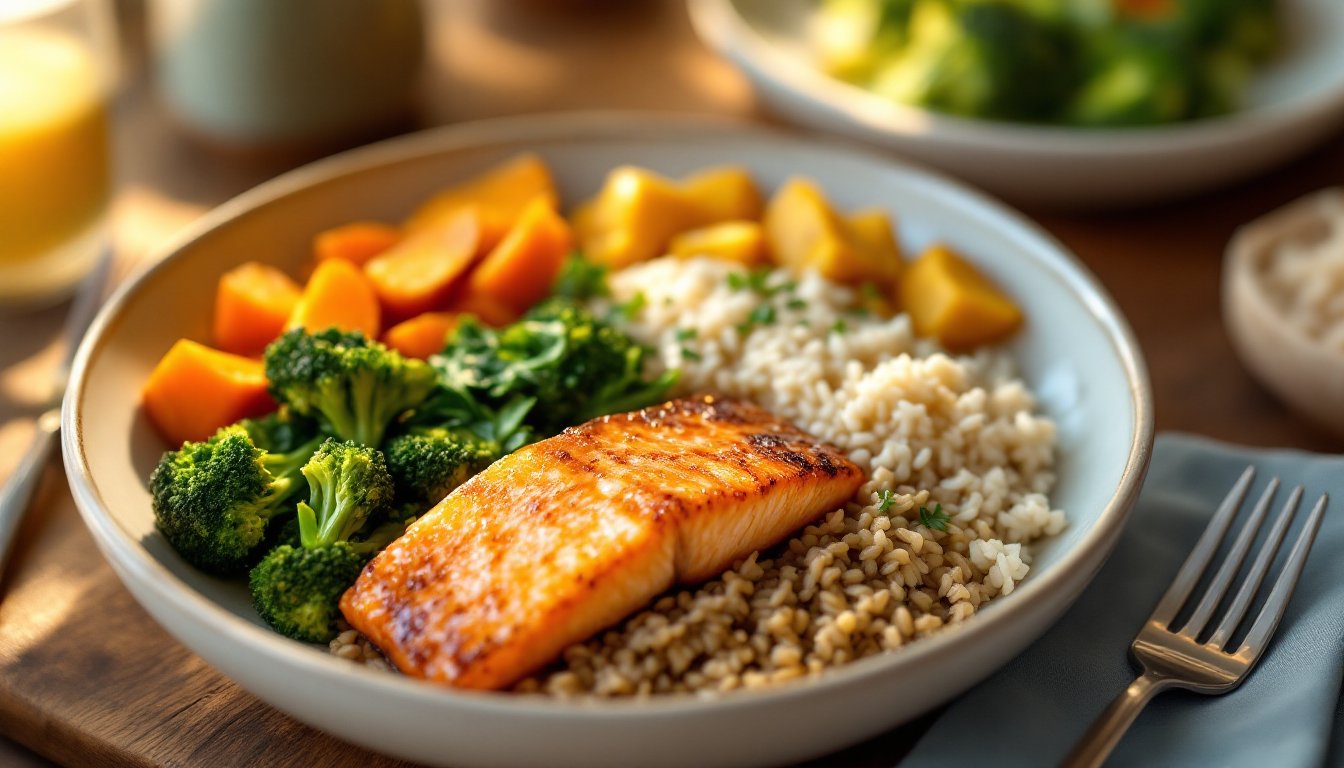
One of the biggest reasons blood sugar swings happen is a meal that’s all quick-burning carbohydrates with little protein or fiber to slow things down. Protein and fiber add the heavy, stable, grounding qualities that balance Vata’s tendency toward lightness and mobility. They act like adding a solid log to that campfire instead of tossing in paper.
When you pair a grain or fruit with a good protein source and some fiber-rich vegetables, you create a more Kapha-like stability in your blood sugar, smooth, sustained, and satisfying. Your agni can work at a steady pace instead of lurching between overdrive and stalling out.
Do this today: Add a palm-sized serving of protein (lentils, eggs, fish, soaked nuts) plus a generous portion of cooked vegetables to your next meal. Takes about 5 extra minutes of prep. Especially helpful if you crash hard between meals or crave sweets by mid-afternoon. Not ideal if you have specific protein restrictions, adjust with your practitioner.
Why Eating Too Little Can Make You Overeat Later

I’ve seen this pattern so many times, in my own life and in people I talk to. You restrict during the day, feel virtuous about it, and then by evening your body revolts. You eat past fullness because your system is genuinely depleted.
Ayurveda explains this clearly. When you under-eat, you increase the dry, light, rough qualities in your body. These are all Vata-aggravating. Your agni, starved of proper fuel, becomes erratic, sometimes sharp with desperate hunger, sometimes so weakened it can barely function. The mobile quality of Vata makes your mind restless and fixated on food.
By the time you finally sit down to eat, your body doesn’t trust that food is coming reliably. So it pushes you to take in as much as possible while it can. This isn’t greed, it’s a survival response amplified by depleted prana and weakened ojas. Your vitality is running on fumes.
The opposite of depletion isn’t excess. It’s nourishment. Warm, slightly oily, grounding foods eaten at regular intervals calm that Vata spike. They tell your body and nervous system: you’re safe, there’s enough.
Do this today: If you tend to skip meals, try eating a small, warm, nourishing lunch by 12:30 PM, even something simple like rice with ghee and cooked greens. Takes 15 minutes. Ideal for anyone who restricts and then binges in the evening. If you have a naturally low appetite, start with smaller portions and build up gradually.
The Role of Ultra-Processed Foods in Hijacking Your Appetite
Ultra-processed foods are designed to hit a very specific combination of qualities: sharp, hot, and intensely stimulating flavors layered with heavy, oily textures. In Ayurvedic terms, they aggravate Pitta’s sharpness (making you feel like you need more) while simultaneously increasing Kapha’s heaviness and dullness (so you feel sluggish but unsatisfied).
Here’s the real problem. These foods bypass your agni’s natural intelligence. They’re engineered to be absorbed so quickly that your digestive fire doesn’t get to do its full job. The result is a buildup of ama, and a strange paradox where you feel overfed but undernourished at the same time.
That fogginess after eating a bag of chips or a box of cookies? That’s ama and depleted tejas. Your metabolic clarity gets buried under residue that your body can’t easily clear. Over time, this weakens ojas, leaving you more vulnerable to fatigue, low mood, and, yes, more cravings.
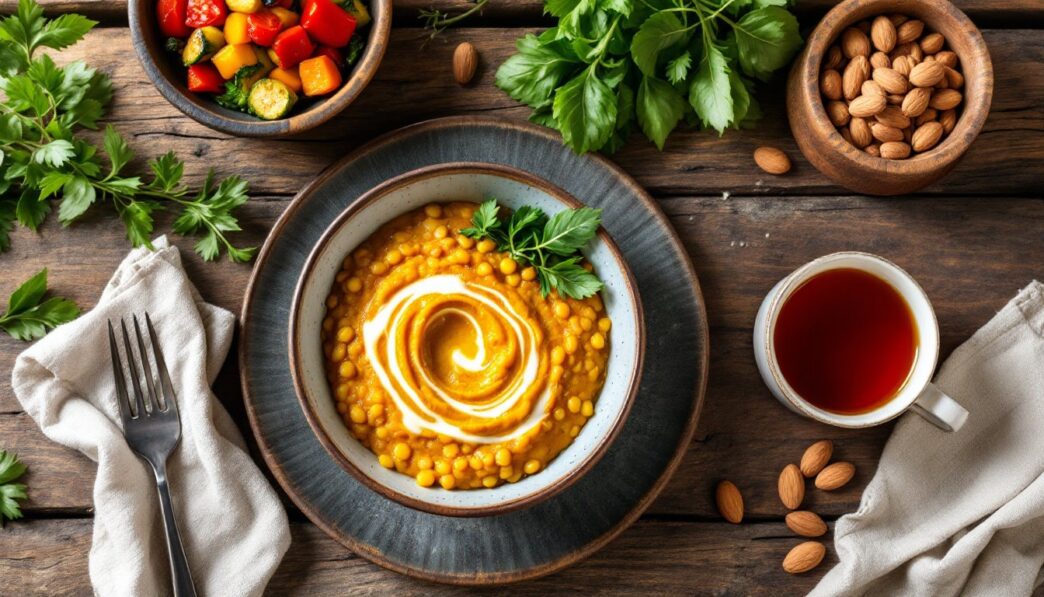
The fix isn’t perfection. It’s not about banishing every packaged food from your kitchen overnight. It’s about gradually shifting toward foods with more natural, recognizable qualities, foods that your agni knows how to process. Whole grains, fresh vegetables, well-spiced legumes, good fats. Foods that feel clean going in and don’t leave you foggy coming out.
Do this today: Pick one processed snack you reach for regularly and swap it for something whole, maybe dates with almond butter, or a small bowl of spiced roasted seeds. Takes 5 minutes. Good for everyone, but especially helpful for Kapha types who feel heavy and sluggish after eating.
Simple Nutrition Tweaks That Curb Overeating
Now let’s bring everything together into practical, everyday adjustments. The Ayurvedic principle at work here is beautifully simple: like increases like, and opposites bring balance. If overeating is creating heaviness, dullness, and stagnation, the correction involves lighter, clearer, more structured eating patterns, applied gently, not rigidly.
Prioritize Protein and Healthy Fats at Every Meal
Protein and healthy fats bring the stable, heavy, smooth qualities that anchor your blood sugar and calm erratic Vata hunger. Think of ghee drizzled on your morning grain, a handful of soaked almonds with lunch, or well-cooked lentils at dinner. These foods burn slowly and give your agni sustained fuel.
When your meals have substance, you’re less likely to go hunting for snacks an hour later. Your body registers real nourishment, the kind that builds ojas rather than ama.
Do this today: Check your next three meals. Does each one contain a recognizable protein and a healthy fat? If not, add one of each. Takes zero extra time if you plan ahead. Helpful for all dosha types, particularly Vata-dominant folks who tend toward light, airy meals that don’t hold them.
Slow Down and Structure Your Meals Consistently
Eating quickly has a sharp, mobile quality that aggravates both Vata and Pitta. You blow past your body’s fullness signals before they even register. Structuring your meals at roughly the same time each day, on the other hand, brings the stable, grounding rhythm that calms the whole system.
Ayurveda has always emphasized that when you eat is as meaningful as what you eat. Your agni follows a natural daily rhythm, strongest around midday when the sun is highest. Eating your largest meal then, and keeping breakfast and dinner lighter, supports this rhythm instead of fighting it.
Try putting your fork down between bites. Notice the textures and flavors. This isn’t about being precious, it’s about giving your agni the space to register what it’s receiving.
Do this today: Set a gentle reminder to eat lunch between 11:30 AM and 1 PM, and give yourself at least 15 unhurried minutes. Ideal for Pitta types who eat fast and for Vata types who eat at random times. If your work schedule makes this tough, even a consistent 10-minute sit-down is a meaningful start.
Stay Hydrated and Watch Liquid Calories
Thirst sometimes masquerades as hunger, especially when the dry quality is elevated (hello, Vata season or air-conditioned offices). Sipping warm water throughout the day keeps tissues moistened and supports agni without overwhelming it.
But here’s a nuance: liquid calories from sweetened drinks, fancy coffee concoctions, or juices can spike blood sugar the same way refined carbs do. They’re light and mobile, absorbed fast, burned fast, leaving you hungry again quickly. Plain warm water, herbal teas, or CCF tea (cumin, coriander, fennel) are gentler options that support digestion rather than disrupting it.
Do this today: Replace one sugary or caloric drink with warm water or herbal tea. Takes no extra time. Good for everyone, especially Kapha types who tend to retain fluid and feel sluggish, and Pitta types who reach for cold, sweet drinks when overheated.
How to Tell If Your Eating Habits Are Actually Improving
Numbers on a scale won’t tell you this. But your body absolutely will.
In Ayurveda, the clearest sign that your eating habits are shifting in the right direction is how you feel after a meal, not just during. When agni is working well and ama is clearing, you’ll notice a sense of lightness and satisfaction after eating, not heaviness or brain fog. Your energy holds steady through the afternoon instead of crashing. You wake up feeling genuinely hungry for breakfast rather than bloated or flat.
Other signs are subtler but just as meaningful. Your tongue may look cleaner in the morning (a thick coating is a classic sign of ama). Your mood stabilizes. You find yourself craving simpler, whole foods rather than intensely flavored processed ones. These are signs of ojas rebuilding, deep vitality coming back online.
And here’s something I want to leave you with: this process isn’t linear. You’ll have days when you overeat. Days when stress wins. That’s not failure, it’s life. Ayurveda doesn’t ask for perfection. It asks for attention. Gentle, curious, compassionate attention to what your body is telling you.
If you’re Vata-dominant, notice whether you feel more grounded and less scattered after meals, that’s your sign. If you’re Pitta, notice whether that sharp, urgent hunger has softened into something more manageable. If you’re Kapha, notice whether that post-meal heaviness is lifting and you feel more energized.
One daily routine habit that ties everything together: try checking in with yourself after your midday meal. Just a moment of quiet noticing. And as a seasonal adjustment, remember that in cooler, drier months you’ll naturally want heavier, warmer, oilier foods, honor that. In hot months, let your meals trend lighter and cooler. Your body is already guiding you: these tweaks just help you listen.
Do this today: Tomorrow morning, look at your tongue before brushing your teeth. Notice any coating, that’s a snapshot of how well your digestion processed yesterday’s food. Takes 10 seconds. Useful for all dosha types as a simple daily awareness practice.
So here’s my question for you: what’s one small shift you’re willing to try this week? Not a complete overhaul, just one gentle adjustment. I’d genuinely love to hear what resonates with you. Drop a comment below, or share this with someone who might need a kinder way to think about overeating. You don’t have to figure this all out at once. You just have to start where you are.