

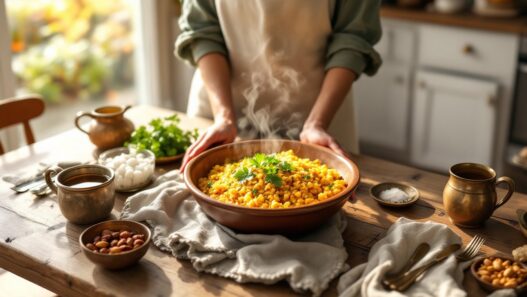






Why We Crave Comfort Food (And Why You Don’t Have to Give It Up)
Cravings aren’t random. From an Ayurvedic perspective, they’re your body’s attempt to restore balance, though sometimes that signal gets a little scrambled.
When Vata dosha rises (think: stress, cold weather, irregular schedules), the body asks for warm, heavy, grounding foods. That’s why a stressful week sends you straight to pasta or mashed potatoes. When Kapha is elevated, during sluggish, damp spring days, for instance, you might crave dense, sweet foods even though your digestion is already running slow and cool. And when Pitta flares from overwork or heat, sharp, spicy, oily takeout can feel irresistible.
The craving itself isn’t the problem. The problem is when we answer it with food that’s too heavy, too processed, or too hard to digest, food that overwhelms your agni, your digestive and metabolic intelligence. When agni can’t fully break down what you’ve eaten, undigested residue called ama starts to accumulate. You feel it as brain fog, sluggishness, heaviness after meals, or a coated tongue in the morning.
So the real question isn’t “how do I stop craving comfort food?” It’s “how do I satisfy the craving in a way my body can actually use?”
Healthy comfort food, reimagined with the right qualities, warm but not excessively heavy, nourishing but not dulling, can genuinely build ojas, that deep reservoir of vitality and immune resilience. It can keep tejas, your inner metabolic spark, bright. And it can steady prana, the life-force energy running through your nervous system.
That’s the sweet spot we’re aiming for.
Do this today: Next time a comfort food craving hits, pause for ten seconds and notice what quality you’re actually craving, warmth? Heaviness? Sweetness? Oiliness? That awareness alone changes what you reach for. Takes a moment. Works for everyone.
Smart Swaps That Make Any Recipe Healthier
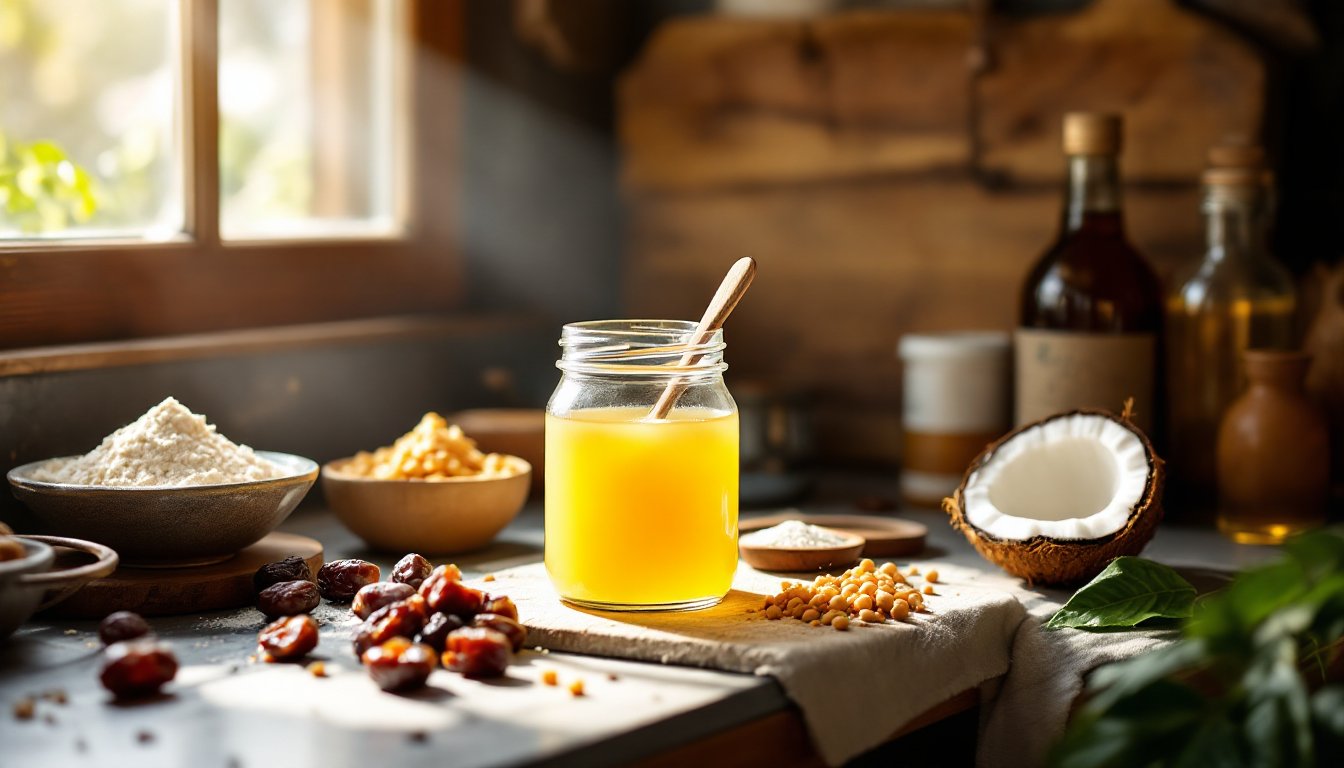
Before we get into specific recipes, let me share the swap philosophy I use in my own kitchen. Ayurveda teaches that like increases like, and opposites create balance. So if a dish is already heavy and dense (hello, traditional lasagna), you don’t need to add more heaviness through refined flour and excess cheese. Instead, you introduce lighter, more digestible ingredients that still carry warmth and satisfaction.
The goal is always to protect agni. If your digestive fire can handle what’s on your plate, you get nourishment. If it can’t, you get ama.
Flour, Sugar, and Fat Alternatives Worth Trying
Refined white flour is light and dry but almost totally stripped of nutrition, it moves through your system fast and leaves your blood sugar swinging. I love using almond flour, chickpea flour (besan), or oat flour instead. These carry a bit more heaviness and substance, which is grounding for Vata types, while still being far more digestible than white flour for most people.
For sugar, I lean toward jaggery, raw honey (never heated, Ayurveda is very clear on that one), coconut sugar, or mashed dates. These still taste sweet but come with trace minerals and a slower metabolic impact. Maple syrup works beautifully in baking too.
As for fats, the king of Ayurvedic cooking is ghee, clarified butter. Ghee is considered one of the finest substances for kindling agni without creating excess heat. It’s smooth, slightly oily, and nourishing to all three doshas in moderation. Coconut oil is another great option, especially when you want a cooling quality. I tend to avoid highly processed vegetable oils, they’re often rancid before you even open the bottle, which creates ama fast.
Do this today: Pick one swap, just one, and try it in a recipe you already make this week. Five minutes of thought, zero extra cooking time. Great for beginners.
Creamy Mac and Cheese Without the Guilt

This one’s close to my heart. I grew up on boxed mac and cheese, and honestly, I still want that creamy, rich, slightly salty experience sometimes.
My reimagined version uses whole-grain elbow pasta (or chickpea pasta for extra protein) with a sauce built on steamed butternut squash, a splash of oat milk, nutritional yeast, and a generous spoonful of ghee. The squash brings natural sweetness and a smooth, heavy quality that mimics cheese sauce beautifully. The ghee adds that rich, oily depth that keeps Vata happy and supports agni.
A pinch of turmeric and black pepper goes in too, turmeric is warming and gently sharp, which helps cut through the heaviness of the dish and supports digestion. Black pepper amplifies that effect.
The result? Creamy, warm, satisfying, without the sluggish, overly heavy feeling that comes from a pot full of processed cheese.
Do this today: Try the butternut squash base next time you make mac and cheese. About 30 minutes start to finish. Wonderful for Vata and Pitta types. Kapha types might want a smaller portion with extra black pepper.
Cauliflower-Crust Pizza That Actually Tastes Good
I know, I know, cauliflower crust has a reputation. But hear me out, because when it’s done right, it’s genuinely good.
The trick is getting the cauliflower dry enough (squeeze it in a clean towel, really wring it out) and adding a binding egg plus a little almond flour. I season the crust with cumin, a touch of asafoetida (hing), and sea salt. Cumin is warm and light, which supports digestion and helps counteract the naturally cool, somewhat heavy quality of cauliflower. Asafoetida is a classic Ayurvedic spice for reducing the gas-producing tendency of cruciferous vegetables, it’s sharp and heating, which kindles agni.
For toppings, I go with a simple tomato sauce, fresh mozzarella or a cashew-based cheese, roasted bell peppers, and fresh basil. The combination gives you a mix of warm and cool, light and grounding qualities without overwhelming your system.
Compared to delivery pizza made with refined dough and processed cheese, this version is dramatically easier for your body to process. Less ama, more actual nourishment.
Do this today: Make the crust on a weekend when you have 45 minutes. Great for all dosha types. Pitta types might skip spicy toppings and add cooling cucumber slices on the side.
Hearty Shepherd’s Pie With a Veggie-Packed Twist
Shepherd’s pie is the definition of grounding comfort, warm, dense, rich. In Ayurvedic terms, those heavy and stable qualities are exactly what an aggravated Vata needs during cold, dry, windy weather.
My version swaps the traditional meat base for a mixture of lentils, finely diced carrots, celery, and mushrooms cooked down with cumin, coriander, and a little ghee. Lentils are a cornerstone of Ayurvedic eating, they’re nourishing without being excessively heavy, and when well-spiced, they’re easy on agni.
For the topping, I use sweet potatoes mashed with a little ghee and a pinch of cinnamon. Sweet potato is naturally sweet and grounding, it builds ojas, that deep vitality that keeps your immunity strong and your mood stable. Cinnamon brings a gentle warmth and subtle sharpness that aids digestion.
The whole dish feels substantial. It fills you up in that soul-deep way without leaving you in a food coma.
Do this today: Prep the lentil filling on a Sunday afternoon, it comes together in about 40 minutes. Feeds a household. Especially good for Vata types. Kapha types might use regular potatoes sparingly and add extra black pepper.
Lighter Fried Chicken Using the Air Fryer
Deep-fried anything is a challenge for agni. All that hot oil creates a heavy, oily, sharp combination that can aggravate Pitta and overwhelm Kapha’s already slow digestion. But the crunch and savoriness of fried chicken? That craving is real.
An air fryer gets you remarkably close. I marinate chicken pieces in yogurt with turmeric, ginger, smoked paprika, and a squeeze of lemon, the yogurt tenderizes while the spices introduce warmth and sharpness to support digestion. Then I coat them in a mixture of chickpea flour and a little rice flour, which gives a crispy exterior that’s far lighter than a traditional batter.
Twenty minutes in the air fryer, and you have golden, crunchy chicken with a fraction of the oil. Your agni doesn’t have to fight through layers of heavy, rancid fat, it can actually do its job.
The yogurt marinade also has a cooling, smooth quality that keeps Pitta from flaring, while the spices prevent Kapha from feeling heavy afterward.
Do this today: Marinate the chicken in the morning, air-fry at dinner. About 35 minutes active time. Good for all types. Vata types might enjoy a warm dipping sauce with ghee and herbs on the side.
Rich Chocolate Brownies Made With Black Beans
This one surprises people every time. You blend cooked black beans with cocoa powder, a little maple syrup or jaggery, an egg, a splash of vanilla, and a tablespoon of ghee. That’s it. No flour. The texture comes out dense, fudgy, and rich, everything a brownie is supposed to be.
From an Ayurvedic lens, black beans are heavy and grounding, which makes them stabilizing for Vata. Cocoa is slightly bitter and warming, that bitter taste is actually one of Ayurveda’s six essential tastes, and it supports healthy liver function and subtle detoxification. The ghee carries the flavors deep into the tissues and supports ojas, that quiet, nourishing vitality.
Traditional brownies made with cups of refined sugar and white flour spike your energy fast, then crash it. That’s your tejas, your metabolic spark, flaring and burning out. These bean brownies offer a slower, steadier sweetness that your body can metabolize without the rollercoaster.
Do this today: One bowl, a blender, and 25 minutes in the oven. Perfect for a weekend treat. Great for Vata and Pitta. Kapha types can enjoy a smaller piece and might add a pinch of cayenne to the batter for a metabolic boost.
Slow-Cooker Chili Loaded With Hidden Vegetables
Chili is one of the easiest comfort foods to reimagine because it’s already halfway there, warm, spiced, hearty. The slow-cooker method is especially aligned with Ayurvedic cooking principles because long, low heat makes food easier to digest. It’s like giving your agni a head start.
I load mine with kidney beans, black beans, diced sweet potato, zucchini, and bell pepper, plus tomatoes as the base. The spice blend is cumin, coriander, smoked paprika, and a touch of cinnamon. Cumin and coriander together are a classic Ayurvedic pair, cumin is warm and light, coriander is cool and gentle. Together they balance each other and keep digestion steady without creating excess heat.
The hidden vegetables add fiber and micronutrients without changing the taste much. Sweet potato brings that ojas-building sweetness. Zucchini is light and mildly cooling, which balances the warming spices.
A bowl of this chili on a cool evening steadies prana, your nervous system settles, your belly feels warm and calm.
Do this today: Throw everything in the slow cooker in the morning: it’s ready by dinner. Ten minutes of prep. Wonderful for Vata in autumn and winter. Pitta types can go easy on the paprika. Kapha types might add extra ginger for a sharper, more stimulating kick.
How to Make Healthier Comfort Food a Lasting Habit
Recipes are great, but they don’t stick unless they fit into your actual life. Here’s where Ayurveda’s daily and seasonal rhythms come in.
From a dinacharya (daily routine) perspective, the most important comfort food habit is simple: eat your largest, richest meal at midday. That’s when your agni is strongest, it mirrors the sun’s peak. A hearty shepherd’s pie or a bowl of chili at noon will digest far better than the same dish at 9 p.m. When you eat heavy food late at night, agni is low and cool, and you’re almost guaranteed to create ama. You wake up feeling foggy, heavy, with that coated-tongue feeling.
Another daily habit worth trying: sip warm water or a ginger-cumin tea about 20 minutes before your comfort meal. This gently stokes your digestive fire, preparing it to handle a richer dish. It’s a small thing that makes a big difference.
Seasonally, let the weather guide your choices. In cold, dry autumn and winter, when Vata dominates, lean into the warm, heavy, oily comfort foods: stews, shepherd’s pie, chili. In hot summer months, when Pitta runs high, lighter options like the cauliflower pizza with cooling toppings or a small portion of those black bean brownies work better. In damp, cool spring, Kapha season, favor lighter preparations with extra spice and less cheese, less cream.
Now, personalizing further:
If you’re more Vata, you probably crave comfort food the most, and that’s okay. Focus on warm, oily, grounding dishes. Use ghee generously. Eat at regular times, irregular meals rattle Vata more than anything. Avoid raw, cold foods masquerading as “healthy” when what you really need is a warm bowl of something nourishing. Try adding the chili or shepherd’s pie to your weekly rotation and eat it at midday. Five minutes of meal planning on Sunday. This is especially for you if you tend toward anxiety, dry skin, or restless sleep.
If you’re more Pitta, your digestion is already strong, sometimes too strong. You can handle comfort food well, but watch for excess heat: too much spice, too much fried food, too much sharpness. Favor the mac and cheese with its sweet, smooth squash base, or the brownies with their cooling bitter cocoa. Add fresh herbs like cilantro or mint as garnishes. Avoid very hot, very oily dishes late at night. Try the yogurt-marinated air-fried chicken with a cooling side salad. Thirty minutes, and you’ve got a balanced meal. Best for you if you tend toward acid reflux, skin inflammation, or irritability.
If you’re more Kapha, comfort food can tip you toward heaviness and sluggishness if you’re not careful. The key is extra spice, smaller portions, and lighter preparations. The cauliflower pizza and the veggie chili with extra ginger are your best friends. Go easy on cheese, cream, and excessive ghee. A brisk walk after your meal, even ten minutes, helps stimulate sluggish Kapha digestion. Try making the chili with an extra half-teaspoon of fresh ginger this week. Best for you if you tend toward weight gain, congestion, or low motivation after eating.
This gentle note belongs here too: this is general education, not medical advice. If you’re pregnant, managing a condition, or taking medication, check with a qualified professional.
Eventually, comfort food reimagined isn’t about perfection. It’s about making small, warm, dosha-aware choices that add up over time. Your body knows what it needs, and when you give it nourishing food prepared with care and awareness, something shifts. You feel satisfied and energized. You feel grounded and clear.
That’s ojas at work. That’s tejas glowing. That’s prana flowing.
I’d love to hear from you, what’s the one comfort food dish you’d most like to reimagine? Drop it in the comments, and let’s figure it out together.