






What Makes a Food “Ayurvedic” — And Why It Matters Today
Here’s the thing, there’s no magical “Ayurvedic” stamp on a food. What sets these ingredients apart is how Ayurveda understands them: through their inherent qualities, their effect on your doshas (Vata, Pitta, and Kapha), and their relationship with your digestive fire, called agni.
Every food carries certain qualities, hot or cool, light or heavy, dry or oily, sharp or dull, rough or smooth. Ayurveda uses these quality pairs to predict how a food will behave inside your particular body. A warm, oily food like ghee will calm someone who runs dry and cold (hello, Vata types), while it might feel heavy for someone already sluggish with excess Kapha.
This matters today because we’re surrounded by one-size-fits-all nutrition advice. Ayurveda says: your food needs to match your constitution, your season, and the current state of your digestion. When it does, agni stays bright and steady. When it doesn’t, undigested residue, what Ayurveda calls ama, starts to accumulate, leaving you foggy, tired, and heavy.
That’s the real difference. Ayurvedic superfoods aren’t “super” because they contain a trendy antioxidant. They’re remarkable because they’ve been understood for centuries through a framework that accounts for your body, not just a nutrient label.
Do this today: Pick one ingredient from this article that matches a quality you feel you’re missing, warmth, lightness, stability, and try it with your next meal. Takes two minutes of thought. Great for anyone just starting to listen to their body’s signals.
Turmeric: The Golden Root Behind Modern Wellness Trends

Turmeric has been an Ayurvedic staple for thousands of years, long before golden lattes showed up on café menus. Its qualities tell you exactly why: it’s light, dry, and warm, with a bitter and slightly pungent taste.
Those warm, light qualities make turmeric especially good at clearing sluggishness associated with excess Kapha, think congestion, dullness, and that heavy “stuck” feeling after meals. It also gently kindles agni without overheating it, which makes it friendlier to Pitta types than, say, raw garlic or cayenne.
When agni is steady, less ama forms. And when ama starts to clear, you feel it: your mind sharpens, your energy returns, and your skin begins to glow. In Ayurvedic terms, turmeric supports tejas, that inner metabolic brightness that keeps your clarity and radiance intact.
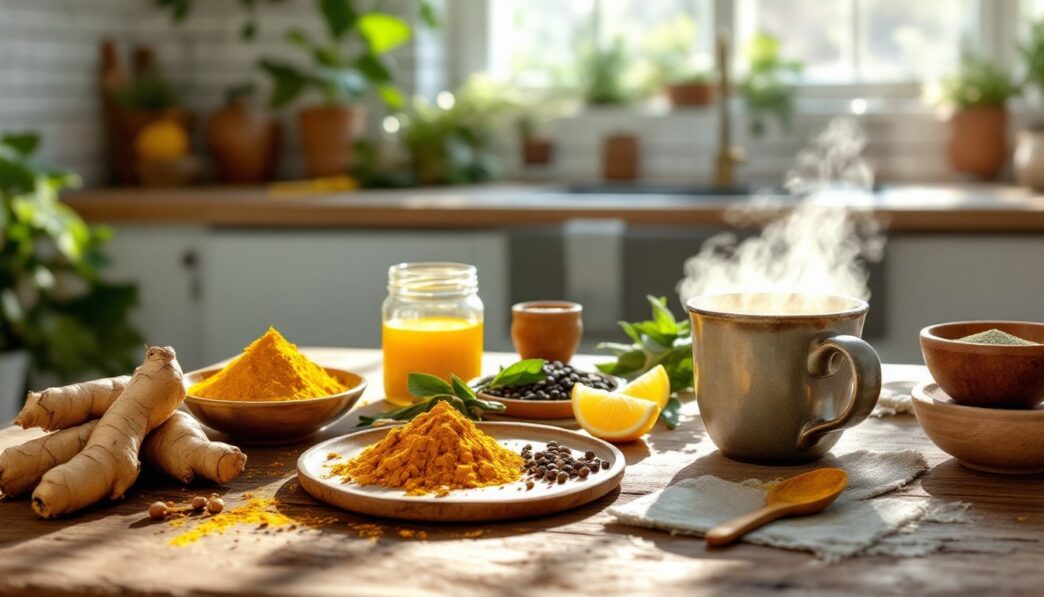
One thing I love about turmeric is how forgiving it is. A half teaspoon in warm water with a pinch of black pepper (to enhance absorption) is one of the simplest morning rituals you can adopt.
Do this today: Stir half a teaspoon of turmeric into warm water or milk with a pinch of black pepper and a small drop of ghee. Takes about three minutes. Wonderful for Kapha and Vata types: Pitta types can use it in smaller amounts, especially during cooler months.
Ashwagandha and Tulsi: Ancient Adaptogens for Modern Stress

I think of ashwagandha and tulsi as two sides of the same coin. Ashwagandha is heavy, oily, and warming, deeply grounding. Tulsi (holy basil) is lighter, subtly warming, and more mobile, with a gentle sharpness that clears mental fog.
When stress runs high, Vata tends to spike first. Your thoughts scatter, sleep suffers, and that light, dry, mobile quality of Vata takes over everything. Ashwagandha directly counters this with its heavy, stable, oily nature. It nourishes ojas, your deep vitality reserve, the thing that makes you feel resilient rather than depleted.
Tulsi, meanwhile, works beautifully on prana, your life force and nervous system steadiness. It gently clears stagnant energy from the mind and chest. If ashwagandha is a weighted blanket, tulsi is a deep, calming breath.
Here’s the agni connection: chronic stress dampens digestive fire. When agni dims, ama builds. You might notice a coated tongue in the morning, sluggish bowels, or brain fog that coffee can’t cut through. These herbs help restore the metabolic intelligence that stress disrupts.
Do this today: Try a cup of tulsi tea in the late afternoon when stress peaks, or a half teaspoon of ashwagandha powder in warm milk before bed. Takes five minutes. Ashwagandha is especially suited for Vata types: tulsi works well for all three doshas, though Pitta types might prefer it at room temperature rather than hot.
Ghee: Why Ayurveda Celebrates This Clarified Fat
If I could only recommend one Ayurvedic superfood, it would be ghee. Clarified butter sounds plain, but in Ayurveda, ghee is considered one of the finest substances for building ojas, that deep reservoir of vitality, immunity, and calm strength.
Ghee is oily, smooth, and cool in its post-digestive effect. Those qualities make it a balm for anything dry, rough, or overheated. Vata types, who tend toward dryness and depletion, often feel an almost immediate sense of nourishment from a teaspoon of ghee in warm food. Pitta types benefit from its cooling quality, which soothes the sharp, hot nature of excess Pitta.
One of ghee’s most celebrated properties is its ability to carry other substances deeper into the tissues. When you cook your spices in ghee, you’re not just adding flavor, you’re enhancing how your body absorbs and uses those healing qualities.
Ghee also kindles agni without aggravating it. That’s rare. Most fats can dampen digestive fire, but ghee, when used in moderate amounts, actually supports it.
Kapha types can enjoy ghee too, just in smaller quantities, since its heavy, oily nature can increase Kapha when overdone.
Do this today: Add a teaspoon of ghee to your lunch, drizzle it on rice, cooked vegetables, or warm flatbread. Takes no extra time. Ideal for Vata and Pitta types: Kapha types might try half a teaspoon.
Ginger, Black Pepper, and Cumin: The Digestive Powerhouse Trio
These three are the workhorses of an Ayurvedic kitchen, and together, they form what’s sometimes called trikatu’s gentler cousin, a trio that wakes up your digestion without burning it down.
Ginger is warm, light, and slightly oily. Fresh ginger is milder: dried ginger is sharper and hotter. Black pepper is hot, light, dry, and intensely sharp, it cuts through heaviness and ama like nothing else. Cumin is warm but gentler, with a grounding quality that supports absorption without overstimulating.
When agni is low, food sits in your system longer than it needs to. That’s when ama forms, and you feel it as bloating, gas, a heavy head after meals, or that afternoon energy crash. This trio addresses the root: weak digestive fire.
The sharp, warm, light qualities of these spices directly oppose the cold, heavy, dull qualities of sluggish digestion. It’s the Ayurvedic principle of opposites at work.
A simple pre-meal practice: grate a thin slice of fresh ginger, squeeze a few drops of lemon on it, and add a tiny pinch of salt. Eating this about ten minutes before your meal primes agni beautifully.
Do this today: Try the ginger-lemon slice before lunch, or simply add cumin and black pepper to your cooking. Takes two minutes. Excellent for Vata and Kapha types: Pitta types can lean on cumin and fresh (not dried) ginger, and go easy on black pepper.
Amla and Moringa: Nutrient-Dense Greens You Should Know
Amla, Indian gooseberry, is one of the most revered fruits in Ayurveda, and for good reason. It contains five of the six Ayurvedic tastes (missing only salty), which makes it extraordinarily balancing. Its dominant quality is cool, light, and dry, and it’s one of the few foods that pacifies all three doshas when used appropriately.
Amla is a powerhouse for tejas and ojas simultaneously. It sharpens metabolic clarity while building deep-tissue nourishment. If your hair is thinning, your skin looks dull, or your energy has a brittle quality, amla often helps address the root: depleted tissue nourishment from long-term ama accumulation or weak agni.
Moringa leaves are warm, light, and slightly bitter, they have a gentle scraping quality that helps clear channels and reduce sluggishness. Moringa tends to be especially helpful for Kapha types or anyone dealing with a heavy, damp feeling in the body.
Both of these foods support prana by keeping the subtle channels clear and the life force flowing freely.
Do this today: Add half a teaspoon of amla powder to warm water in the morning, or stir moringa powder into a soup or stew. Takes three minutes. Amla works for all dosha types: moringa is best for Kapha and Vata types, while Pitta types can use it in smaller amounts since its warmth might aggravate heat in summer.
How to Match Ayurvedic Foods to Your Dosha Type
This is where Ayurveda really shines, and where most generic superfood lists fall short. The same ingredient that heals one person can aggravate another. Personalization isn’t optional: it’s the whole point.
If You’re More Vata
Vata is light, dry, cold, and mobile. You probably feel the effects of stress in your nervous system first, anxiety, scattered thoughts, trouble sleeping. Your digestion tends to be irregular.
Favor warm, oily, heavy, and grounding foods. Ghee, ashwagandha, cooked ginger, and cumin are your best friends here. Amla in warm preparations is wonderful too. Try to avoid raw, cold, or overly light foods, they’ll push Vata higher.
Do this today: Have a warm bowl of rice with ghee and cumin for lunch. Takes fifteen minutes to prepare. Great for anyone feeling ungrounded, restless, or dried out. Not the best approach if you’re feeling heavy and congested.
If You’re More Pitta
Pitta is hot, sharp, light, and slightly oily. You might notice stress showing up as irritability, acid reflux, or skin flare-ups. Your digestion is usually strong, sometimes too strong.
Lean into cooling, smooth, and mildly sweet foods. Ghee, amla, tulsi (at room temperature), and fresh ginger (not dried) are great choices. Turmeric in moderate doses works well. Go easy on black pepper, dried ginger, and anything intensely pungent.
Do this today: Stir amla powder into coconut water or room-temperature water mid-morning. Takes one minute. Ideal for anyone running hot, sharp, or irritable. Not suited for times when you feel cold, slow, or heavy.
If You’re More Kapha
Kapha is heavy, cool, oily, stable, and smooth. Stress might look like withdrawal, lethargy, or emotional eating. Digestion tends to be slow and steady but easily overwhelmed.
Reach for warm, light, dry, and sharp foods. Black pepper, dried ginger, turmeric, moringa, and tulsi are your allies. Use ghee sparingly. Movement matters as much as food, Kapha benefits from activity before meals.
Do this today: Sip warm ginger-tulsi tea mid-morning to stoke your agni. Takes five minutes. Perfect for anyone feeling sluggish, heavy, or foggy. Not ideal if you’re already feeling dry, anxious, or depleted.
Simple Ways to Add Ayurvedic Superfoods to Your Daily Meals
The best Ayurvedic routine is one you’ll actually do. I’m not going to suggest you overhaul your entire kitchen. Instead, here are rhythms that fit into real life.
Morning anchor: Start your day with warm water, plain, or with a squeeze of lemon and a pinch of turmeric. This gently wakes agni after the overnight fast. Do this before coffee, before scrolling, before anything. It takes sixty seconds and sets a completely different tone for your digestion.
Lunchtime intention: Ayurveda considers midday the time when agni peaks, the sun is highest, and so is your metabolic fire. Make lunch your biggest meal. Cook your spices (cumin, ginger, black pepper, turmeric) in a teaspoon of ghee as a base for whatever you’re preparing. This is where these Ayurvedic superfoods do their finest work.
Evening wind-down: A cup of warm ashwagandha milk about thirty minutes before bed supports the transition from active to restful. It nourishes ojas and calms Vata’s tendency to keep the mind buzzing past bedtime.
These two daily habits, the morning warm water and the midday spice-in-ghee practice, are dinacharya (daily routine) cornerstones that anchor everything else.
Do this today: Choose one of these three rhythms and try it for a week. Takes one to five minutes depending on which you pick. Suitable for all dosha types with the personalizations mentioned earlier.
Common Mistakes to Avoid When Using Ayurvedic Ingredients
The biggest mistake I see? Treating Ayurvedic superfoods like supplements, taking them in isolation, out of context, without considering your constitution or the season.
Turmeric in capsule form with no fat or black pepper? Your body barely absorbs it. Ashwagandha every single day for months without checking whether it’s still serving you? That heavy, building quality can tip Kapha out of balance over time.
Another common misstep is ignoring ritucharya, seasonal adjustment. In hot summer months, piling on warming spices like dried ginger and black pepper can push Pitta into overdrive. That’s when you’d naturally shift toward cooling ingredients: amla, fresh cilantro, coconut, and moderate ghee. In cold, damp winter or early spring, those warming spices become your best allies against Kapha accumulation.
Finally, more isn’t better. Ayurveda values balance over quantity. A pinch of turmeric in a well-cooked meal does more than a heaping tablespoon dumped into a smoothie. Why? Because agni can process the former: the latter may just create more ama.
Do this today: Look at one Ayurvedic ingredient you’re currently using and ask: is this right for my constitution and this season? Takes five minutes of honest reflection. Important for everyone, especially those who’ve been following generic dosage advice.
What Science Says About Ayurvedic Superfoods
I find it encouraging, though not surprising, that modern research keeps catching up to what Ayurveda has taught for millennia. Curcumin in turmeric has been extensively studied for its role in supporting a healthy inflammatory response. Ashwagandha has solid clinical evidence for its effects on cortisol and stress resilience. Amla shows remarkable antioxidant activity in lab studies.
But here’s where I think the Ayurvedic lens adds something science alone can’t replicate yet: context. A clinical trial tells you that a compound works in a petri dish or across a population average. Ayurveda tells you whether it’s right for your body, right now, in this season, prepared this way.
The nervous system research on adaptogens like ashwagandha and tulsi aligns beautifully with Ayurveda’s understanding of prana, that steady, flowing life force that keeps your mind clear and your responses calm rather than reactive.
I don’t think you need to choose between Ayurveda and modern science. They complement each other beautifully when you let Ayurveda handle the personalization and let science provide additional confidence.
Do this today: If you’ve been curious about an Ayurvedic ingredient but felt unsure, look into one peer-reviewed study alongside its traditional use. Takes ten minutes. Helpful for anyone who appreciates understanding both frameworks before committing.
These ten everyday ingredients, turmeric, ashwagandha, tulsi, ghee, ginger, black pepper, cumin, amla, moringa, and the wisdom to use them well, aren’t trends. They’re a living tradition that meets you exactly where you are.
You don’t need to be perfect. You don’t need to do everything at once. Start with the one that called out to you while reading this, and notice what shifts.
I’d love to hear from you, which of these Ayurvedic superfoods are you most drawn to trying first, and what’s your body been asking for lately?