






Why the Word “Natural” Doesn’t Mean What You Think It Means
Here’s the thing that surprised me most when I started digging into this: in the United States, the word “natural” has almost no regulatory meaning on most consumer products. The FDA doesn’t formally define it for cosmetics or personal care items. The FTC has issued guidance, but enforcement is inconsistent. And the USDA’s “natural” label for food? It basically means “minimally processed”, which is far vaguer than most people assume.
So when you see “natural” on a shampoo bottle or a cleaning spray, it’s largely a marketing choice, not a verified claim. Companies can slap it on products that contain a mix of plant-derived and synthetic ingredients without breaking any rules.
This doesn’t mean every product labeled natural is dishonest. Some brands genuinely earn that word. But the lack of a standardized definition creates a gray zone that less scrupulous companies exploit freely. A 2024 report from the Environmental Working Group found that nearly 40% of products marketed as “natural” contained at least one ingredient flagged for potential health concerns. That number hasn’t improved much heading into 2026.
The real issue isn’t the word itself, it’s the assumption we make when we see it. We assume someone checked. We assume it means pure, safe, and environmentally friendly. Often, nobody checked, and it means none of those things.
What I’ve learned is that “natural” is a starting point for questions, not an answer in itself.
How Greenwashing Works — And Why It’s So Effective
Greenwashing isn’t always a blatant lie. In fact, the most effective greenwashing is technically truthful, it just presents a tiny sliver of truth in a way that creates a much bigger impression. That’s what makes it tricky to spot.
Companies invest heavily in understanding consumer psychology. They know we make purchasing decisions in seconds, often based on visual cues and emotional associations rather than careful analysis. And they design their marketing accordingly.
Vague Language and Buzzwords That Should Raise Red Flags
I’ve started keeping a mental list of phrases that sound meaningful but, on closer inspection, say almost nothing. “Eco-friendly.” “Green formula.” “Made with organic ingredients.” “Earth-conscious.” “Plant-powered.”
None of these phrases are regulated. “Made with organic ingredients” could mean 1% of the formula is organic. “Plant-powered” could describe a product that’s 90% synthetic with a splash of aloe thrown in for credibility.
The trick is specificity, or rather, the absence of it. Genuine brands tend to be precise. They’ll say “95% certified organic ingredients” or “formulated without parabens, sulfates, or synthetic fragrance.” They give you something verifiable. Greenwashed products stay vague because vagueness can’t be disproven.
Another red flag? When a product highlights the absence of one bad ingredient while ignoring everything else. “Paraben-free.” sounds great, but if the product still contains a dozen other questionable chemicals, that single claim is a distraction, not a reassurance.
Misleading Packaging and Visual Tricks
This one gets me every time, honestly. Our brains are wired to associate certain visual cues with nature, purity, and health. Green packaging. Brown kraft paper. Illustrations of leaves, mountains, or water droplets. Matte finishes that feel “earthy.”
None of that has anything to do with what’s actually inside the container.
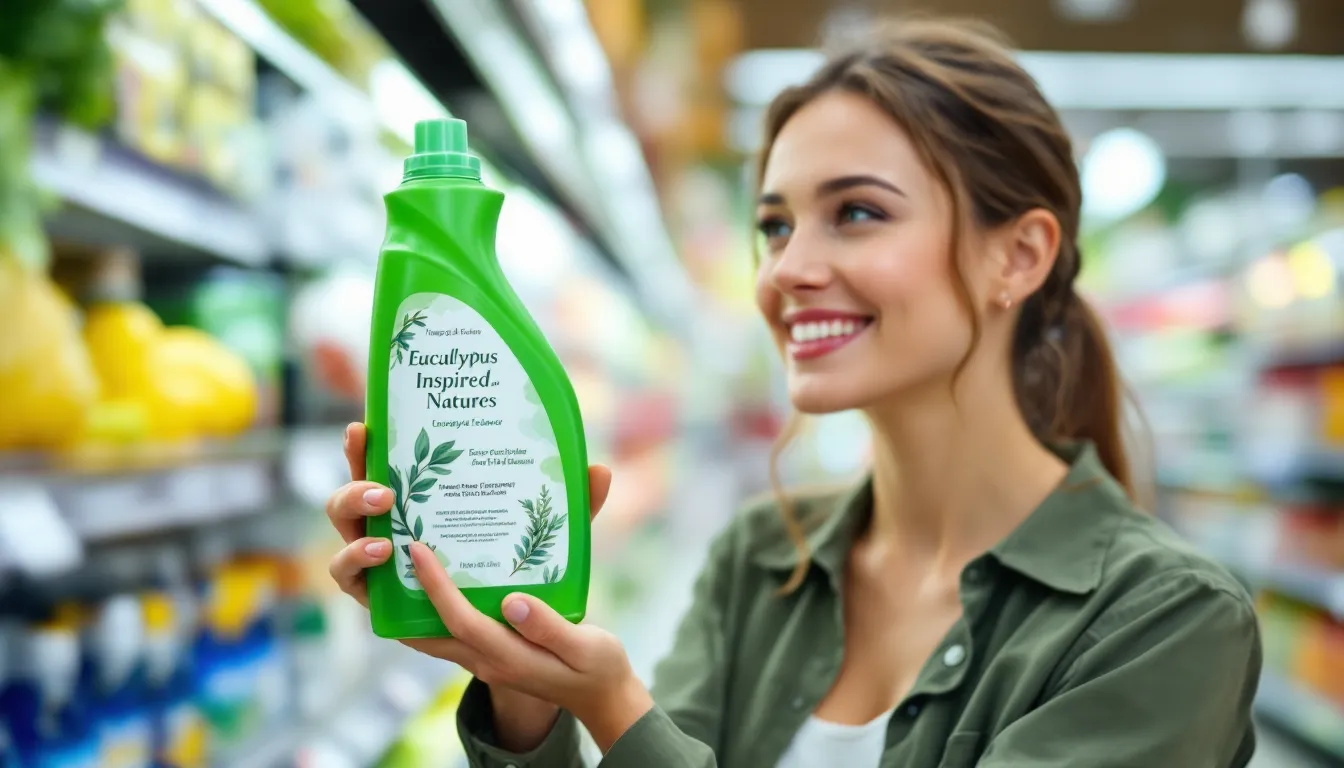
I once picked up a household cleaner in a beautiful green bottle covered in botanical illustrations. The front said “Inspired by Nature.” Inspired by. That’s doing a lot of heavy lifting. The ingredient list told a different story, it was a conventional chemical cleaner in pretty packaging.
Packaging design is a powerful tool, and it’s not inherently deceptive. Genuinely clean brands use appealing design too. The point isn’t to distrust all attractive packaging, it’s to recognize when the design is doing the work that the ingredients can’t.
Certifications That Actually Mean Something
So if we can’t rely on the word “natural,” what can we trust? This is where third-party certifications come in, and not all certifications are equal.
Here are the ones I’ve come to rely on after years of sorting through the noise.
USDA Organic remains one of the most rigorous certifications for food and some personal care products. It requires that at least 95% of ingredients be certified organic, and the certification process involves real audits.
EWG Verified (from the Environmental Working Group) means a product has been screened against their database of ingredient safety research. It’s not perfect, but it’s a meaningful layer of scrutiny.
COSMOS/ECOCERT is a European standard that’s become increasingly respected globally. Products certified under COSMOS must meet strict thresholds for natural and organic content, and the manufacturing process itself is evaluated.
Leaping Bunny and Certified B Corp address different dimensions, cruelty-free practices and overall corporate responsibility, respectively, but they signal that a company is willing to submit to external accountability.
Fair Trade Certified matters too, especially if your concern extends beyond what’s in the product to how it was made and who was affected along the way.
The common thread? Independent verification. A certification means someone outside the company looked at the claims and confirmed them. That’s fundamentally different from a brand printing “all-natural” on their own label with no oversight.
One caveat: certification costs money, and some small, genuinely ethical brands can’t afford the process. So the absence of a certification doesn’t automatically mean a product is bad. But when you’re comparing options on a shelf, a recognized third-party seal is one of the most reliable shortcuts you have.
How to Read Labels Like an Informed Consumer
I’ll be honest, reading labels used to feel overwhelming. The ingredient names are long, the print is tiny, and I didn’t know what half the terms meant. But you don’t need a chemistry degree to become a more informed label reader. You just need a few principles.
Ingredient Lists: What to Look For and What to Question
Ingredients are listed in descending order by concentration. So whatever’s listed first makes up the largest portion of the product, and whatever’s at the end is present in the smallest amount. This alone tells you a lot.
If a product markets itself around, say, lavender oil, but “lavandula angustifolia oil” appears second to last on a 30-ingredient list, that lavender is a trace amount. It’s there for the label claim, not for any meaningful benefit.
I also look for ingredient transparency. Brands that genuinely care tend to explain their ingredients, sometimes right on the packaging, sometimes on their website. They’ll tell you why each ingredient is included and where it’s sourced. That level of openness isn’t something companies do when they have something to hide.
Watch for the word “fragrance” or “parfum.” Under current US regulations, this single word can represent dozens of undisclosed chemicals. It’s a legal loophole that even some otherwise decent brands exploit. If a product lists “fragrance” without specifying that it’s derived from natural sources, that’s a question mark worth investigating.
Third-Party Testing vs. Self-Reported Claims
There’s a significant difference between a company saying “we tested our product and it’s safe” and an independent lab confirming the same thing.
Self-reported claims aren’t worthless, many ethical companies do conduct rigorous internal testing. But there’s an inherent conflict of interest. The company that profits from selling you the product is also the one telling you it’s fine.
Third-party testing removes that conflict. Organizations like NSF International, UL, and the previously mentioned EWG evaluate products without a financial stake in the outcome.
When I’m evaluating a new brand, I look at their website for transparency around testing. Do they mention who tested their products? Do they publish results or certificates? Or do they just say “clinically tested” without specifying what was tested, by whom, or what the results actually showed?
“Clinically tested,” by the way, only means a clinical test was performed. It doesn’t tell you the product passed. That’s another one of those phrases that sounds better than it is.
Real-World Examples of Greenwashing Exposed
It’s one thing to talk about greenwashing in the abstract. It hits differently when you see specific cases.
In 2023, the fashion brand H&M faced a class-action lawsuit over its “Conscious Collection,” which used environmental scorecards that allegedly overstated the sustainability of the garments. The scorecards made items look significantly greener than they were, according to the complaint. H&M eventually removed the scorecards.
Keurig paid a $3 million settlement in Canada after claiming its K-Cup pods were recyclable when, in practice, most municipal recycling programs couldn’t actually process them. The claim was technically possible but practically misleading.
And then there’s the broader issue in the cleaning product industry. A study from researchers at several environmental organizations found that products marketed as “green” or “natural” sometimes contained volatile organic compounds at levels comparable to conventional cleaners. The marketing just made consumers assume they were safer.
These aren’t fringe companies trying to scam people. They’re major, well-known brands, which is exactly why greenwashing is so effective. We tend to extend trust to familiar names, and that trust is sometimes exploited.
I share these examples not to be cynical but to reinforce a practical point: trust, but verify. The brands that deserve your loyalty are the ones willing to back up their claims with evidence, not just imagery.
Practical Steps to Make Genuinely Sustainable Choices
Okay, so we’ve covered the problems. Let’s talk solutions. Here’s what I actually do when I’m trying to make good choices without spending hours researching every purchase.
Start with the products you use most. You don’t need to overhaul everything at once. Pick your top five, the face wash, the dish soap, the laundry detergent, whatever you reach for every single day, and focus your research energy there. That’s where the biggest impact lives, both for your health and for the environment.
Use free databases. The EWG’s Skin Deep database and their cleaning product guide are both searchable by brand and product name. The Think Dirty app does something similar. These tools do the ingredient analysis for you and assign a hazard score. I check them before buying anything new.
Look past the front of the package. I flip every product over now. It’s become a habit. The front is marketing. The back is information. The ingredient list, certifications, manufacturer details, and country of origin, that’s where the real story lives.
Support transparent brands. When a company publishes their full ingredient sourcing, testing protocols, and supply chain practices on their website, that’s a brand worth supporting. Transparency is expensive and inconvenient for companies that aren’t doing things right, which is exactly why it’s such a reliable signal.
Ask questions publicly. Social media has given consumers real leverage. If a brand claims to be “natural” but won’t answer specific questions about their ingredients or sourcing, that silence tells you something. I’ve messaged brands directly on Instagram, and the ones that responded thoughtfully earned my trust. The ones that didn’t? I moved on.
Accept that “good enough” is okay. Perfectionism can become paralyzing. Not every product in your home needs to be the absolute cleanest option on the market. The goal is progress, making better choices more often, not achieving some impossible standard of purity. A few meaningful swaps in your daily routine can make a real difference over time.
This is general education, not medical advice. If you’re pregnant, managing a condition, or taking medication, check with a qualified professional before making significant changes to the products you use.
Conclusion
The whole point of this conversation isn’t to make you suspicious of everything on the shelf. It’s the opposite, really, it’s about building the kind of awareness that lets you shop with genuine confidence rather than anxious guesswork.
Greenwashing works because we want to do better. We want to choose products that are good for our bodies and good for the planet. That desire is beautiful, and it shouldn’t be exploited. When you learn to look past the packaging and evaluate claims with a clear eye, you take that desire and turn it into something companies can’t manipulate.
The market is shifting. More brands in 2026 are embracing real transparency, driven partly by regulation and partly because consumers like you are demanding it. Every informed purchase is a vote for a more honest marketplace.
I’d love to hear from you, have you ever discovered that a product you trusted wasn’t what it claimed to be? What tools or habits help you make better choices? Drop a comment below or share this with someone who’s trying to navigate the same confusing landscape. We figure this stuff out better together.