






What Are Microplastics and Why Should You Care?
Microplastics are tiny plastic fragments smaller than 5 millimeters, roughly the size of a sesame seed or smaller. Many are invisible to the naked eye. They come from the breakdown of larger plastic items, from synthetic textiles, from industrial processes, and from products specifically designed with plastic particles baked right in.
The reason they matter so much is persistence. Unlike an apple core or a cotton shirt, plastic doesn’t biodegrade in any meaningful human timeframe. It just breaks into smaller and smaller pieces, accumulating in soil, water, and living organisms, including us. A 2024 study estimated that the average person ingests roughly a credit card’s worth of plastic each week, though newer research in early 2026 suggests the number may be even higher depending on lifestyle factors.
Primary vs. Secondary Microplastics
Not all microplastics arrive the same way. Primary microplastics are manufactured small on purpose. Think of the tiny beads in older exfoliating face scrubs, the plastic pellets (called nurdles) used as raw material in manufacturing, or the microfibers woven into synthetic clothing. These enter waterways and ecosystems directly.
Secondary microplastics form when larger plastic items, bottles, bags, packaging, tires, degrade over time through sunlight, heat, and mechanical wear. That cracked food container I mentioned? A textbook source of secondary microplastics.
Both types end up in the same places: our oceans, our tap water, our food chain, and eventually our bodies. Understanding the distinction helps because it reveals just how many entry points there are, and that means there are also multiple points where you can intervene.
The Surprising Places Microplastics Are Hiding in Your Daily Life
Once you start looking, microplastics turn up in places that genuinely surprise people. I know they surprised me. Let me walk you through the big three categories.
In Your Food and Drinking Water
This is probably the exposure source that unsettles people most. Microplastics have been found in seafood, honey, salt, beer, rice, fruits, vegetables, and bottled water. Bottled water is a particularly significant source, one study published in Proceedings of the National Academy of Sciences found roughly 240,000 nanoplastic particles per liter of bottled water, far more than previously estimated.
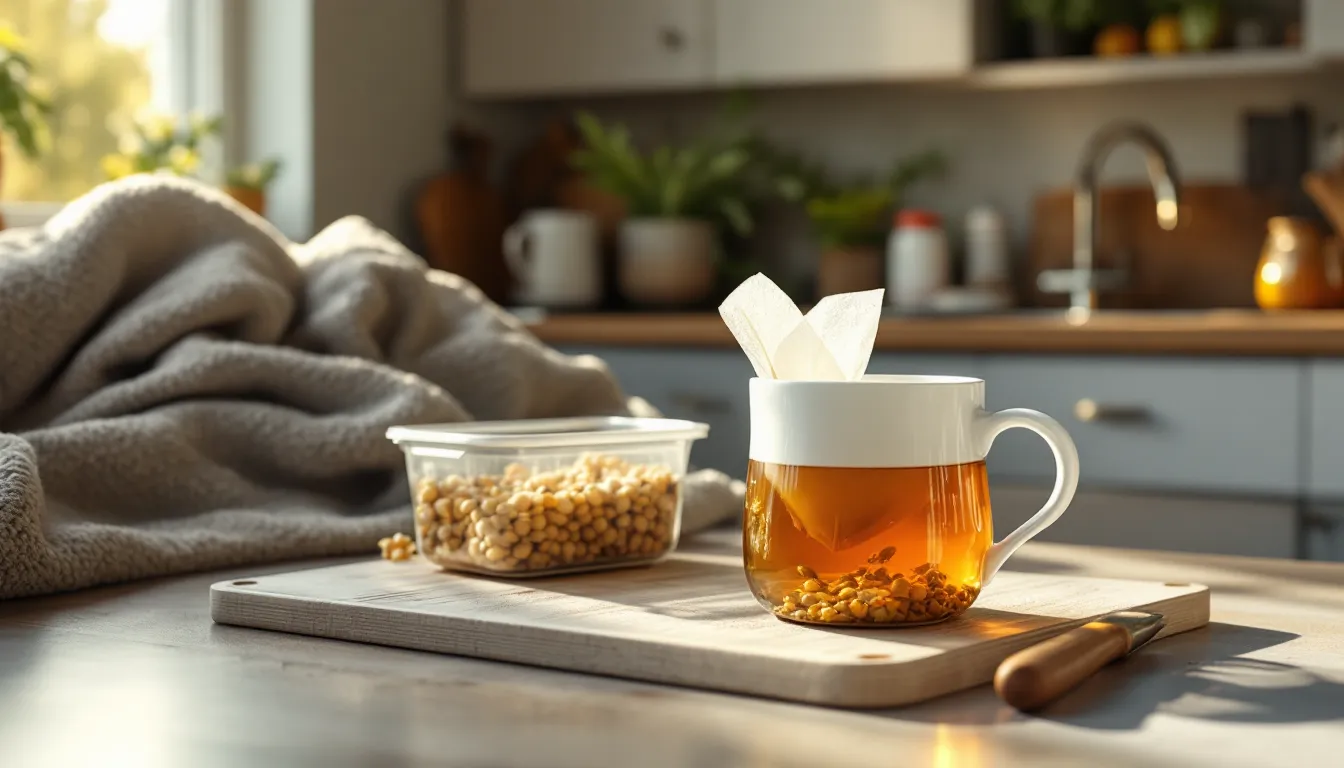
Tap water isn’t immune either, though concentrations tend to be lower than bottled water in most municipal systems. Plastic cutting boards release microparticles when you chop on them. Plastic food containers, especially when heated, leach particles into your meals. Even tea bags made from nylon or polyethylene terephthalate (PET) can release billions of microplastic particles into a single cup.
In Your Home and Personal Care Products
Your home is a surprisingly dense microplastic environment. Synthetic carpets, polyester curtains, fleece blankets, and upholstered furniture all shed microfibers continuously. Household dust is a major carrier, some estimates suggest that indoor dust contains more microplastic particles per cubic meter than outdoor air in most cities.
Personal care products are another quiet contributor. While many countries have banned microbeads in rinse-off cosmetics, plastic polymers still appear in makeup, sunscreen, moisturizers, and even toothpaste as texture agents, film-formers, or binding compounds. Check the ingredients list for terms like polyethylene, polypropylene, or nylon, those are plastics.
In the Air You Breathe
This one tends to catch people off guard. Microplastics are airborne. They’ve been detected in the atmosphere over remote mountain ranges and deep ocean locations thousands of miles from any city. Indoors, concentrations can be even higher thanks to synthetic textiles, foam furniture, and poor ventilation.
Every time you shake out a fleece jacket or fold synthetic laundry, you’re releasing microfibers into the air. It’s not a reason to panic, but it is a reason to think about ventilation and material choices in your living space.
How Microplastics Affect Your Health
Here’s where I want to be honest with you: the science on microplastics and human health is still evolving. We don’t have decades of longitudinal data yet. But what we do have is growing, and it’s concerning enough to warrant attention, not panic, but thoughtful attention.
What the Latest Research Tells Us
A landmark 2024 study published in the New England Journal of Medicine found that people with microplastic deposits in their carotid artery plaque had a significantly higher risk of heart attack, stroke, and death over a 34-month follow-up period compared to those without detectable plastic in their arteries. That was a wake-up call for the medical community.
Other research has linked microplastic exposure to inflammatory responses in gut tissue, potential disruption of hormone signaling (because many plastics contain or carry endocrine-disrupting chemicals like BPA and phthalates), and oxidative stress at the cellular level. Animal studies show impacts on reproductive health, liver function, and neurological development, though translating animal findings to humans always requires caution.
Nanoplastics, the smallest fragments, measured in billionths of a meter, are of particular concern because they can cross biological barriers that larger particles can’t, including the blood-brain barrier and placental barrier.
What I take away from all of this isn’t doom. It’s motivation. We can’t eliminate microplastic exposure entirely, they’re too pervasive for that. But we can meaningfully reduce it. And given what the research trajectory looks like, reducing exposure now seems like a genuinely wise investment in long-term health.
Practical Ways to Reduce Your Microplastic Exposure
Alright, this is the part I care about most, what you can actually do. None of these suggestions require overhauling your entire life. They’re incremental changes, and even adopting a few of them can make a real difference in your cumulative exposure.
Simple Swaps for Your Kitchen and Bathroom
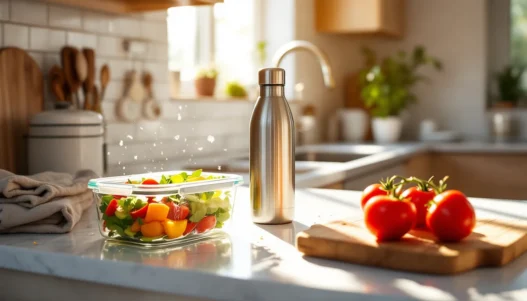
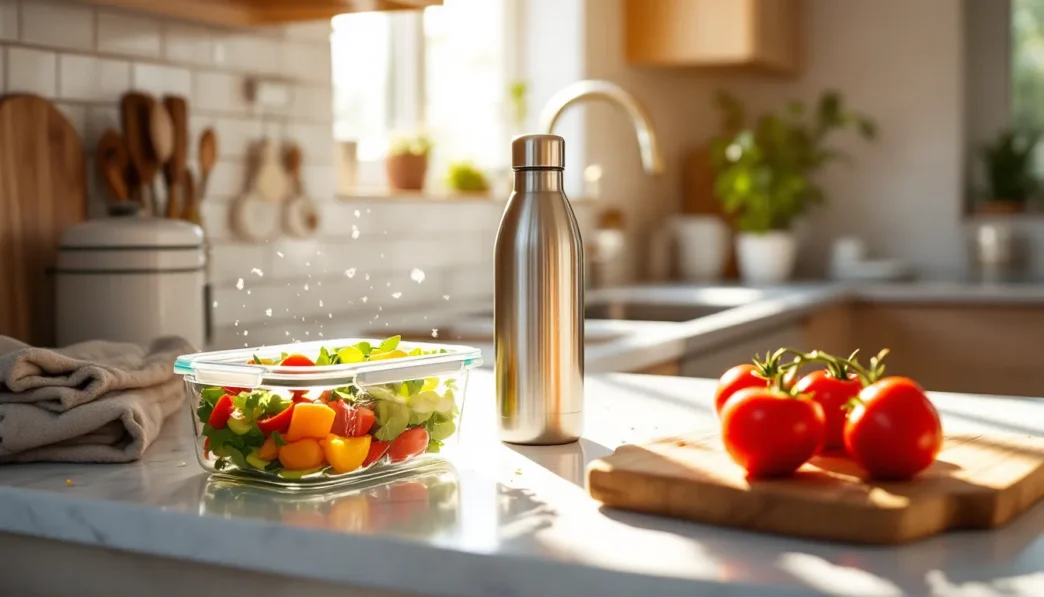
Start where the exposure is highest: your kitchen. Swap plastic food storage containers for glass or stainless steel, especially for anything you heat up. Never microwave food in plastic, even containers labeled “microwave safe” can release microplastics at high temperatures. Use wooden or bamboo cutting boards instead of plastic ones.
Switch from plastic wrap to beeswax wraps or silicone lids. If you drink tea, choose loose-leaf tea with a stainless steel infuser rather than plastic-based tea bags. These are small changes, but they address some of the most direct ingestion pathways.
In the bathroom, look for personal care products that are free of synthetic polymers. Bar soap, shampoo bars, and mineral-based sunscreens tend to be better choices. A bamboo toothbrush won’t eliminate microplastics from your life, but it’s one less plastic item degrading in your space.
Filtering Your Water and Improving Indoor Air Quality
A quality water filter is one of the single best investments you can make. Reverse osmosis systems and activated carbon block filters are effective at removing a significant percentage of microplastic particles from tap water. If a whole-house system isn’t in the budget, even a good countertop or under-sink filter helps.
For indoor air, ventilation matters more than most people realize. Open windows regularly, even for 10 to 15 minutes a day, to cycle out particle-laden indoor air. A HEPA air purifier in the rooms where you spend the most time (bedroom, living room) can capture airborne microfibers. And vacuuming with a HEPA-filter vacuum, rather than sweeping, prevents you from just redistributing dust and microfibers into the air.
One thing I’ve done personally is reduce the amount of synthetic textiles in my bedroom. Cotton or linen sheets, a wool blanket instead of fleece, it’s made a noticeable difference in the amount of fiber dust I see on surfaces.
Smarter Shopping Habits That Make a Difference
When you’re buying new, favor natural fibers over synthetics when possible. Cotton, linen, wool, and hemp don’t shed microplastics. This applies to clothing, towels, bedding, and even furniture upholstery.
For groceries, choose items with minimal plastic packaging. Farmer’s markets and bulk stores are great for this. Carry your own reusable bags, cloth, not the thicker reusable plastic ones that also degrade over time.
Avoid single-use plastic water bottles whenever you can. A stainless steel or glass water bottle filled from a filtered tap is better for your health and your wallet. And when you do buy packaged goods, try to choose glass or cardboard packaging over plastic.
I’ll be real, you can’t avoid plastic entirely in 2026. It’s in everything. But you can become a more intentional consumer, and those choices compound over weeks and months into meaningfully lower exposure.
The Bigger Picture: What Needs to Change Beyond Individual Action
I genuinely believe individual choices matter. But I’d be doing you a disservice if I pretended this is a problem we can shop our way out of.
Global plastic production has exceeded 400 million metric tons per year, and only about 9% of all plastic ever made has been recycled. The rest sits in landfills, floats in oceans, or breaks down into the microplastics we’ve been talking about. Individual reduction strategies are important, but they work best alongside systemic change.
The good news is that momentum is building. The UN Global Plastics Treaty negotiations, which have been ongoing since 2022, are expected to produce a binding international agreement by late 2026. The European Union has already expanded its single-use plastics ban. Several U.S. states have introduced legislation targeting plastic packaging and microfiber pollution from textiles. Some companies are developing biodegradable alternatives to conventional plastics, and others are investing in advanced filtration systems for wastewater treatment plants, one of the major pathways through which microplastics enter natural water systems.
You can participate in this bigger picture too. Support legislation that addresses plastic production at the source. Choose brands that are genuinely working to reduce plastic in their supply chains (not just greenwashing). Talk about this issue with the people around you, awareness is still one of the most powerful drivers of change.
And if it ever feels overwhelming, remember this: you don’t have to solve the entire problem. You just have to keep making better choices where you can, and advocate for the systemic changes that make better choices easier for everyone.
This article is for general educational purposes and does not constitute medical advice. If you have specific health concerns related to environmental exposures, please consult a qualified healthcare professional.
Conclusion
Microplastics are one of those issues that can feel paralyzing once you start learning about them. They’re everywhere, they’re invisible, and you can’t fully opt out. I get it, I’ve felt that overwhelm too.
But here’s what I keep coming back to: every plastic container you replace with glass, every filter you install, every synthetic garment you pass on in favor of natural fiber, those choices aren’t trivial. They reduce your personal exposure in measurable ways, and collectively, they shift demand away from the systems producing this problem.
You don’t need to do everything at once. Pick one or two changes from this article that feel manageable and start there. Swap out your plastic food containers this week. Look into a water filter this month. Choose cotton next time you need new sheets. Small, steady steps.
I’d love to hear what you’re already doing or what change you’re planning to make first. Drop a thought in the comments, and if this article was helpful, consider sharing it with someone who might appreciate it.
What’s the one swap you think would make the biggest difference in your daily life?