





Why Minimalism at Home Is More Than Just a Trend
From an Ayurvedic perspective, your home isn’t separate from your body. The qualities that fill your living space, heavy or light, mobile or stable, dull or sharp, directly influence the doshas that govern your physiology. When your environment is overloaded with possessions, it tends to increase Kapha qualities: heaviness, dullness, stagnation. At the same time, the visual chaos of clutter aggravates Vata, creating a restless, scattered mind that can’t settle.
Minimalism, in this framework, is really about restoring balance. It’s about introducing lightness where there’s heaviness, clarity where there’s dullness, and spaciousness where things feel stuck.
The Mental Health Benefits of Owning Less
When I finally cleared out that hallway, something shifted that I didn’t expect. I slept better. My thinking felt less foggy. I was calmer in the mornings.
Ayurveda would explain this through the concept of ama, the sticky, undigested residue that builds up when our system can’t process what’s coming in. Ama doesn’t only come from food. It comes from unprocessed experiences, unfinished tasks, and yes, from the sheer volume of objects demanding our attention. A home full of unused things is like a digestive system clogged with meals it never finished breaking down.
That mental fog, the low-grade anxiety, the feeling of being perpetually behind, these are signs of ama accumulating on a subtle level. When you reduce the input, your inner fire (agni), the same intelligence that digests your lunch, can begin to clear the backlog. The result? More ojas, that deep, stable vitality that makes you feel resilient. More prana, the life force that keeps your nervous system steady and your mind present.
Owning less isn’t deprivation. It’s giving your system room to breathe.
Try this today: Choose one drawer or shelf and remove five things you haven’t touched in six months. Takes about 10 minutes. Great for anyone feeling mentally foggy or overwhelmed, though if you’re in a period of grief or major transition, go gently and maybe start even smaller.
How Clutter Quietly Increases Your Environmental Footprint
Here’s a piece that often gets overlooked. Every object in your home has a history, raw materials extracted, energy consumed in manufacturing, fuel burned in shipping, packaging discarded. When we accumulate things we don’t genuinely use, we’re feeding a cycle of consumption that strains the earth.
Ayurveda teaches that we’re not separate from nature. The same elements, earth, water, fire, air, space, that make up our bodies also make up the world around us. Overconsumption creates heaviness and excess not just internally but ecologically. The gross, dense qualities of too many material goods mirror the heavy, sluggish qualities of Kapha imbalance in the body.
A minimalist home, then, isn’t just a personal wellness choice. It’s an ecological one. By buying less and using what we have more intentionally, we reduce the environmental footprint woven into every product we own.
Try this today: Before your next purchase, pause and ask whether this item addresses a real need or just a momentary impulse. Thirty seconds of reflection. This is for everyone, but especially helpful if you tend toward emotional or stress-driven shopping.
How to Start Decluttering Without Feeling Overwhelmed

One of the biggest reasons people don’t declutter is that the project itself feels enormous. And that overwhelm? It’s Vata in overdrive, the mobile, light, scattered quality taking over when you can’t see a clear starting point.
The Ayurvedic approach to any big change is the same: go slow, stay warm, stay grounded. You don’t renovate your digestion overnight, and you don’t transform your home in a weekend. Trying to do so just creates more ama, more unprocessed residue, because your system (physical and emotional) can’t metabolize that much change at once.
Room-by-Room Strategies That Actually Work
I like to think of each room as having its own energetic quality. The kitchen relates to agni, your digestive fire. The bedroom relates to ojas, rest and deep restoration. The living room connects to prana, social energy, creativity, movement.
Start with whichever room feels most congested to you. For many people, that’s the kitchen. Clear countertops of appliances you use less than once a week. A cluttered kitchen creates dull, heavy energy right where your digestive intelligence lives. You want that space to feel clean, warm, and inviting, qualities that support rather than suppress your agni.
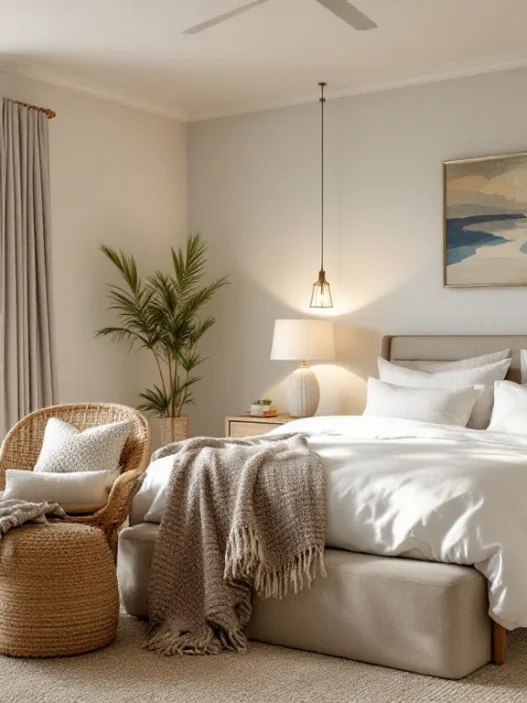
The bedroom comes next. This is your ojas sanctuary. Cool, smooth, stable qualities belong here. Remove screens, stacks of laundry, and anything work-related. Even a few changes can shift the room from stimulating to settling.
Try this today: Pick the one room that drains you most. Spend 15 minutes removing items that don’t belong there. Works well for anyone, though if you’re a Vata type who gets scattered easily, set a timer so you don’t spiral into reorganizing everything at once. Not ideal if you’re exhausted, rest first, declutter later.
Deciding What to Keep, Donate, or Discard Responsibly
Here’s where I see people get stuck. They pull everything out, stare at it, and put it all back.
Ayurveda offers a helpful filter: does this object support clarity (tejas), vitality (ojas), or aliveness (prana) in my daily life? If it doesn’t nourish any of those, it’s likely just creating weight.
For items that still have life in them, donate or gift them. For things that are truly spent, look for responsible recycling or composting options. Discarding mindfully, rather than just trashing everything, aligns with the Ayurvedic principle that we’re stewards of the materials we use, not just consumers of them.
Try this today: Hold one item you’re unsure about. Ask yourself honestly: when did I last use this, and does it add warmth or weight to my life? Takes about 5 minutes per item. Good for anyone in decision fatigue, though if you’re deeply attached to sentimental objects, give yourself permission to keep a few and revisit the rest later.
Designing a Minimalist Home That Still Feels Warm and Livable
This is where I think a lot of minimalism content goes wrong. People imagine stark white rooms with nothing on the walls, and it feels cold. Uninhabited. That’s an excess of the dry, light, and rough qualities, which can actually aggravate Vata and leave you feeling ungrounded.
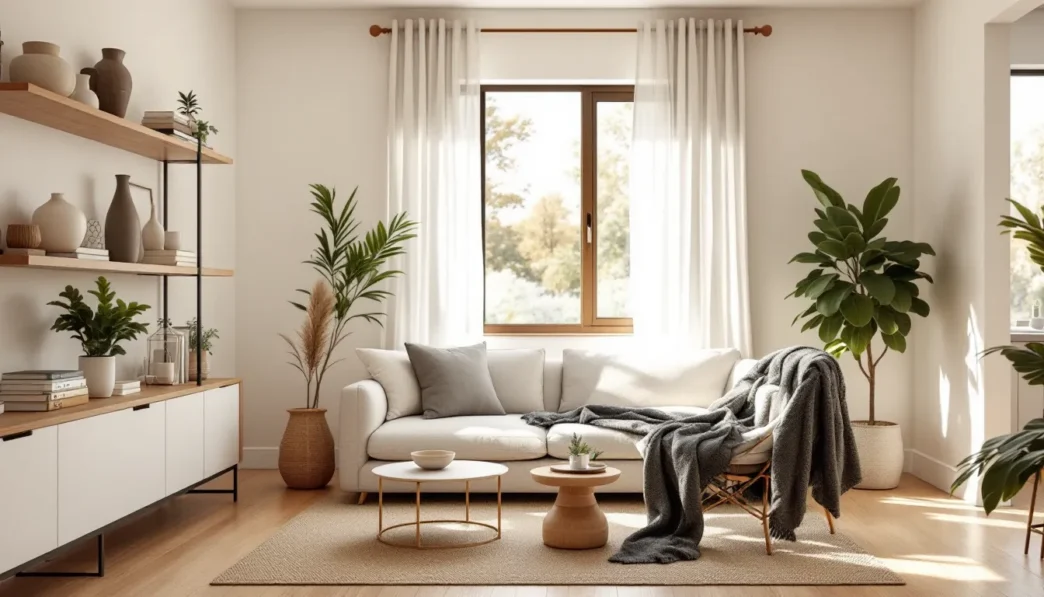
A well-designed minimalist home in the Ayurvedic sense balances lightness with warmth, spaciousness with comfort. Think natural textures, wood, cotton, wool, that bring in smooth, grounding earth qualities. Warm lighting instead of harsh overhead fluorescents. A few meaningful objects placed with intention rather than dozens of decorations fighting for attention.
Color matters too. Soft earth tones and warm neutrals tend to stabilize Vata and soothe Pitta. Cool blues and greens can calm Pitta’s sharp, hot tendencies. Kapha types might benefit from brighter accents, a splash of orange or gold, to bring in some of that stimulating, warm, light quality that counters stagnation.
The goal is a space that feels alive but not agitating. Settled but not stale.
Try this today: Look at one room in your home and notice whether it feels cold and empty or heavy and cluttered. Add or remove one element to shift it toward balance. Takes a few minutes of observation and one small action. Good for anyone redesigning their space, just be mindful not to use “redecorating” as another form of accumulation.
The Financial Freedom That Comes With Buying Less
I’ll be honest, this was one of the most surprising benefits I experienced. When I stopped acquiring things out of habit or emotional impulse, my relationship with money shifted. Not dramatically overnight, but steadily.
Ayurveda connects this to agni as well. Just as strong digestive fire allows you to absorb nutrients from food without creating toxic residue, a clear and balanced inner fire helps you discern what you truly need from what you’re consuming out of restlessness (Vata), ambition (Pitta), or comfort-seeking (Kapha).
Impulse buying is often ama in action, unprocessed emotions converting into material accumulation. That quick dopamine hit from a new purchase? It’s sharp and mobile, but it fades fast and leaves behind heaviness. It’s the metabolic equivalent of eating something your body can’t digest.
When you buy less, you spend less. When you spend less, the financial pressure that drives so much modern anxiety begins to ease. That easing frees up prana, the nervous system energy that was being spent worrying about bills, storage, and maintenance of things you didn’t need.
Try this today: Track your non-essential purchases for one week. No judgment, just awareness. Takes 2 minutes a day. Helpful for everyone, especially Pitta types who tend toward competitive or status-driven buying and Kapha types drawn to comfort purchases. If you’re in genuine financial hardship, focus on what you already have rather than what you’re spending.
Sustainable Living Through Everyday Minimalist Habits
Sustainability and minimalism overlap almost entirely when viewed through an Ayurvedic lens. Both ask the same question: how can I live in a way that nourishes rather than depletes, myself and the world around me?
The principle of “like increases like, opposites balance” applies here beautifully. Our modern culture is dominated by excess, excess stimulation, excess consumption, excess speed. These are hot, sharp, mobile qualities running unchecked. The balancing response isn’t extreme austerity. It’s cool, slow, stable intention applied to daily habits.
This might look like repairing a jacket instead of replacing it. Choosing one high-quality kitchen knife over a block of ten you’ll never sharpen. Carrying a water bottle instead of buying plastic ones. Cooking a simple, warm meal from seasonal ingredients instead of ordering takeout in disposable containers.
Each of these small shifts reduces ama, both the internal residue of mindless consumption and the external residue of waste we send into the environment.
Reducing Waste and Consumption Beyond the Home
Minimalism doesn’t stop at your front door. The same awareness you bring to your living space can extend to how you travel, how you work, and how you engage with community.
Ayurveda’s concept of ritucharya, seasonal living, naturally reduces waste because it aligns consumption with what’s actually available and appropriate. You eat what’s in season locally, you dress for the weather rather than for trends, and you adjust your activity level to match the energy of the time of year.
This is the opposite of the modern “everything, all the time” approach. And it’s profoundly sustainable.
Try this today: Identify one disposable item you use daily and find a reusable alternative. Takes about 10 minutes of research and one purchase (or less, if you already own something that works). Great for everyone. If you’re a Kapha type, be careful not to over-stockpile reusable items, that’s just clutter in eco-friendly packaging.
Common Minimalism Mistakes and How to Avoid Them
I’ve made most of these myself, so I share them with warmth rather than judgment.
Mistake one: going too fast. Purging your entire home in a weekend creates a Vata storm, mobile, light, dry energy with nothing stable to anchor it. You might feel exhilarated at first and then anxious or regretful. Slow, steady decluttering, a drawer a day, a closet a week, keeps agni engaged without overwhelming it.
Mistake two: making it about aesthetics instead of alignment. If your minimalist home looks perfect but doesn’t feel like you, the qualities are off. You’ve introduced too much of the cool, dry, empty spectrum without enough warmth and softness. Trust what your body tells you when you walk into a room.
Mistake three: replacing clutter with “better” clutter. I see this one a lot. You declutter your kitchen, then buy a whole set of matching minimalist containers. That’s Pitta’s sharp, acquisitive energy redirected, not resolved. Sit with the empty space for a week before filling it with anything new.
Mistake four: forcing it on others. Your partner, your kids, your roommates, they have their own constitutions, their own needs, their own relationship with their stuff. A Kapha person may genuinely need more soft, comforting objects around them. A Vata person might need a few grounding anchor items that look like “clutter” to you. Personalization matters.
Try this today: Reflect on which mistake resonates most with you. Awareness itself is the correction, it sharpens tejas, the inner clarity that guides better choices. Takes 5 minutes of honest reflection. This is for anyone on the minimalism path. If you’re brand new to this, just focus on starting, you can course-correct as you go.
Maintaining a Minimalist Lifestyle for the Long Term
Decluttering is one thing. Staying there is another.
This is where Ayurveda’s daily and seasonal rhythms become your greatest allies.
Dinacharya, your daily routine, is the backbone of a minimalist home that lasts. Two habits I recommend weaving in:
First, a morning reset. Before you start your day, spend 5 minutes putting things back where they belong. This isn’t cleaning, it’s re-establishing stable, grounded qualities in your space before the mobile energy of the day takes over. Think of it as tending your home the way you’d tend your agni: gently, consistently, before you ask it to do heavy work.
Second, an evening wind-down scan. Before bed, walk through your main living space and notice what accumulated during the day. A coat tossed over a chair, mail on the counter, a mug on the desk. Return each item to its place. This small act clears subtle ama, the residue of the day’s activity, and supports ojas by signaling to your nervous system that the day is complete. Better sleep often follows.
Ritucharya, seasonal adjustment, keeps your minimalism alive across the year. In late winter and early spring, when Kapha naturally accumulates (heavy, cool, damp qualities dominate), this is the ideal time for a deeper seasonal declutter. Your body and mind are naturally ready to shed excess. Let your home mirror that impulse.
In contrast, during autumn’s dry, mobile, cool Vata season, focus less on purging and more on making your space warm, soft, and grounding. Add a thick blanket. Light a candle in the evening. This isn’t accumulation, it’s seasonal balance.
If you’re more Vata: Your minimalist home needs anchoring elements. Warm colors, soft textures, a consistent place for your keys and wallet. Avoid over-decluttering to the point where your space feels empty and ungrounding. Your daily routine is everything, regularity stabilizes Vata’s natural tendency toward chaos. Try eating your meals at the same times each day, in the same spot, with your phone put away. A 10-minute practice, morning and evening. Not ideal if you’re going through a period of high stress, add comfort items rather than removing them.
If you’re more Pitta: Watch out for competitive minimalism, turning it into a project to “win” at. Your home can be clean and organized without being austere. Cool tones, natural light, and a few beautiful objects that bring you genuine joy. Avoid sharp, metallic decor that amplifies Pitta’s already hot, sharp qualities. Try stepping away from screens for 20 minutes in the evening and sitting in your simplified space, let the coolness and stability settle your fire. Great for Pitta types year-round. Skip this if you’re in a creative flow and need stimulating visual input temporarily.
If you’re more Kapha: You may have the hardest time letting go, and that’s okay. Kapha’s earthy, stable nature creates strong attachment to physical objects. Your minimalist path is about slowly, lovingly introducing lightness and movement. Open windows. Let air circulate. Choose one area per week to lighten. Avoid keeping things “just in case”, that’s Kapha’s security instinct talking. Try a brisk 10-minute walk before your decluttering session to get prana moving: you’ll find decisions come more easily when your energy is flowing. Good for Kapha types especially in spring. If you’re feeling emotionally vulnerable, prioritize self-compassion over productivity.
Try this today: Choose one daily routine habit, morning reset or evening scan, and commit to it for one week. Takes 5 minutes a day. Suitable for everyone. If even 5 minutes feels like too much right now, start with one room, one minute.
This is general education, not medical advice. If you’re pregnant, managing a condition, or taking medication, check with a qualified professional.
Conclusion
A minimalist home, at its heart, is a space that supports your vitality rather than draining it. It’s a place where your agni can burn cleanly, where ojas can build undisturbed, where prana can move freely through rooms that aren’t clogged with the residue of unconscious consumption.
I won’t pretend the process is always easy. I still catch myself holding onto things I don’t need, still feel that pull toward “just one more” purchase. But the direction matters more than perfection. Every small act of letting go, one drawer, one expired product, one impulse resisted, is a step toward a lighter, more alive way of living.
And the environmental piece? It follows naturally. When we consume less, the earth bears less of our burden. The same balance we seek inside ourselves extends outward.
Start where you are. Go at your own pace. Trust that your body and your home already know what lightness feels like, you’re just clearing the way.
I’d love to hear where you are in your own minimalist journey. What’s the one thing in your home you know you’re ready to release?