





Why Sustainable Gifting Matters More Than Ever
Here’s a number that stopped me in my tracks: Americans generate roughly 25 million extra tons of garbage between Thanksgiving and New Year’s, according to waste management estimates. That’s about a million additional tons per week. And gift-giving is a massive chunk of that, from the products themselves to the packaging they arrive in.
But this isn’t just a holiday problem. Birthdays, weddings, baby showers, housewarmings, we give gifts year-round. And the global gifting market has ballooned past $600 billion. Much of what gets purchased ends up unused, returned, or discarded within months.
The good news is that the shift toward eco-friendly gifts is gaining real momentum. A 2025 consumer survey from Deloitte found that over 50% of shoppers now consider sustainability when choosing presents. That’s up significantly from just a few years ago.
What I find encouraging is that sustainable gifting doesn’t require sacrifice. It actually pushes you to be more creative, more thoughtful, and more in tune with what the person you’re shopping for actually wants. You stop defaulting to “stuff” and start thinking about experiences, quality, and longevity.
The environmental math is straightforward. Every reusable water bottle that replaces single-use plastic, every experience gift that creates no physical waste, every handmade item crafted from natural materials, they all chip away at the mountain of disposable consumption. And when you give something sustainable, you’re quietly modeling a different way of living for the people around you.
Experience-Based Gifts That Leave Memories, Not Landfill Waste

If I had to pick the single most effective eco-friendly gift category, it’s experiences. No packaging. No shipping materials. No product that eventually wears out and gets tossed. Just a shared memory, or a solo adventure, that sticks with someone far longer than most physical objects.
Research backs this up, too. A study from Cornell University found that people derive more lasting happiness from experiential purchases than material ones. The novelty of a physical item fades. The story of an experience actually gets better over time.
Adventures and Outings
Think about what the person you’re gifting actually loves to do. A friend who’s been stressed might love a day pass to a local hot spring or a guided nature hike. Your partner might light up over tickets to a live music show or a cooking class you can take together.
Some of my favorite experience gifts I’ve given include a sunrise kayak tour for my dad (who talks about it to this day), a pottery workshop for a friend going through a rough patch, and a foraging walk for my sister who’s obsessed with wild plants.
Local is great for this. Check community boards, Airbnb Experiences, or local farms that offer tours and tastings. You’re supporting small businesses while creating zero waste.
Subscriptions and Memberships
Subscriptions are the gift that stretches out over time, which makes them feel extra generous. A national park annual pass runs about $80 and gives unlimited access to over 400 parks, incredible value for anyone who loves the outdoors.
Other ideas I’ve had success with: a membership to a local botanical garden or museum, a streaming service for someone who doesn’t already have one, a digital magazine subscription in their area of interest, or a monthly coffee subscription from a roaster that uses compostable packaging.
The key with subscriptions is picking something aligned with who the person actually is, not who you wish they were. A meditation app subscription is wonderful, for someone who’s expressed interest in meditation. Otherwise it can feel like a gentle nudge, and nobody wants that in a gift.
Zero-Waste Physical Gifts Worth Giving
Not every gift needs to be an experience. Sometimes you want to hand someone a beautifully made thing. The trick is choosing items that replace disposable products, last a long time, and don’t come drowning in plastic packaging.
Reusable Everyday Essentials
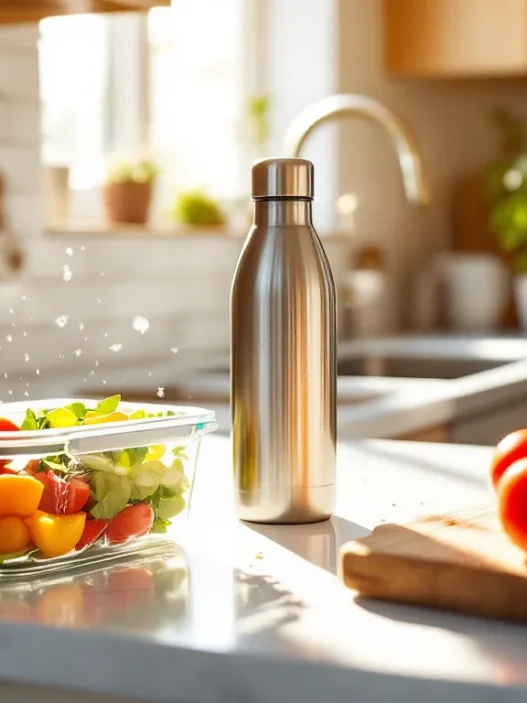
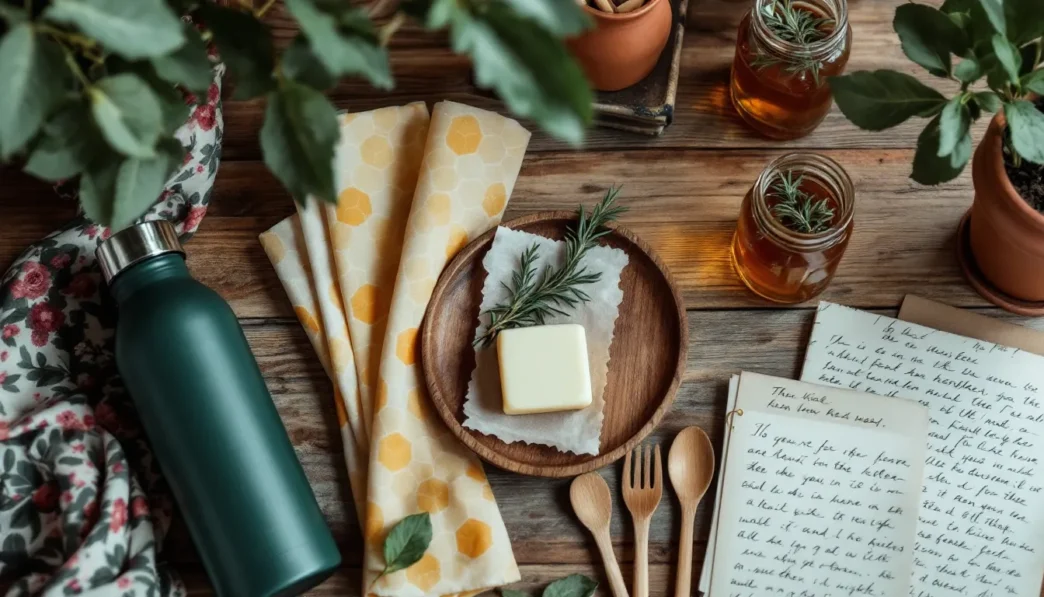
These are the gifts that get used daily, which means they create real environmental impact over time. A high-quality stainless steel water bottle. Beeswax food wraps to replace plastic cling film. A set of organic cotton produce bags for the farmers market. Reusable silicone food storage bags.
I gave my mom a set of linen dish towels to replace paper towels two years ago, and she still mentions how much she loves them. Practical gifts sometimes get a bad rap, but when they’re well-made and genuinely useful, people appreciate them more than you’d expect.
Look for companies that ship in minimal, recyclable, or compostable packaging. Brands like Stasher, Bee’s Wrap, and Package Free Shop have built their entire models around this.
Plastic-Free Personal Care Products
This category has exploded in recent years, and the quality has caught up. Shampoo and conditioner bars now work as well as their bottled counterparts, sometimes better. A good shampoo bar lasts as long as two to three bottles of liquid shampoo, and it comes in a simple cardboard box or no packaging at all.
Other solid picks: a safety razor with replaceable metal blades (one razor, a lifetime of use), a bamboo toothbrush set, solid lotion bars, or a natural deodorant in a compostable tube.
I’ve found that people who’ve never tried plastic-free personal care products are often pleasantly surprised by them. It makes for a gift that genuinely introduces someone to a better alternative, which is one of the most powerful things a gift can do.
Handmade and DIY Eco-Friendly Gift Ideas
There’s something about a handmade gift that communicates effort in a way nothing store-bought can match. And from a waste perspective, DIY gifts are hard to beat, you control every material that goes into them.
Some of the most well-received gifts I’ve ever given were ones I made myself. A batch of homemade granola in a reusable mason jar. Infused olive oil with herbs from my garden. A hand-knitted scarf from reclaimed wool.
You don’t have to be particularly crafty for this. Simple wins include herb-infused honey (just combine honey and fresh rosemary or lavender in a jar and wait two weeks), homemade body scrub (sugar, coconut oil, and a few drops of essential oil), or a custom playlist paired with a heartfelt letter.
For something a bit more involved, consider making beeswax candles, sewing reusable cloth napkins from thrifted fabric, or assembling a “movie night” kit in a reusable tote with popcorn kernels and homemade seasoning blends.
The time you invest is the gift. And honestly, in 2026, when so much of our communication is digital and rushed, something made by hand carries even more weight than it used to.
Gifts That Give Back to the Planet
Some of the most meaningful eco-friendly gifts don’t sit on a shelf at all, they go to work healing ecosystems, protecting wildlife, or supporting communities.
Charitable donations made in someone’s name have become increasingly popular, and the organizations facilitating them have gotten much better at making the experience feel personal and tangible. You can plant trees through One Tree Planted for $1 per tree and gift a certificate showing a grove planted in your recipient’s honor. The Ocean Conservancy lets you “adopt” sea turtles or coral reefs. Heifer International offers gifts of livestock to families in developing countries, a goat, a flock of chickens, a hive of bees.
I gifted my brother-in-law an acre of rainforest protection through the Rainforest Trust a couple of years ago. He’s not the easiest person to shop for, but that one genuinely moved him.
Another avenue: carbon offset gifts. Companies like Gold Standard let you offset a specific amount of carbon emissions as a gift, which appeals to the data-minded, environmentally conscious folks in your life.
There are also “buy one, give one” brands where your purchase directly funds environmental work. Tentree plants ten trees for every item purchased. Every pair of Cotopaxi gear funds poverty alleviation. These let you give a physical gift while still channeling money toward planetary good.
How to Wrap and Present Gifts Without Single-Use Waste
Wrapping is the sneaky waste culprit that most people don’t think about. Traditional wrapping paper, especially the shiny, metallic, or glittered varieties, can’t be recycled. Tape, bows, ribbons, and gift tags add up fast.
My go-to alternative is furoshiki, the Japanese art of wrapping with fabric. You take a square of cloth, a bandana, a scarf, a tea towel, and fold it around the gift using simple techniques you can learn from a quick YouTube search. The wrapping itself becomes part of the gift. I’ve used vintage scarves from thrift stores, and people love them.
Other zero-waste wrapping ideas that work well: brown kraft paper (recyclable and compostable) tied with twine and a sprig of dried eucalyptus or rosemary. Newspaper, especially the comics section for kids’ gifts. Reusable fabric gift bags that the recipient can use again. Old maps or sheet music for a creative touch.
For gift tags, I cut small pieces from old greeting cards or use a dried leaf with a metallic pen. It takes about thirty seconds and looks better than anything you’d buy at a store.
If you’re mailing a gift, skip the bubble wrap and use crumpled newspaper, shredded paper, or even popcorn (literal popcorn, it’s biodegradable and works surprisingly well as packing material).
The point isn’t perfection. Even swapping out one element of your wrapping routine makes a difference.
Eco-Friendly Gift Ideas for Every Budget
One of the myths about sustainable gifting is that it’s expensive. Some eco-friendly products do carry a premium, but plenty of thoughtful, waste-free gifts exist at every price point. Here’s how I think about it.
Under $25
This bracket is where DIY and small reusable items shine. A set of beeswax wraps runs about $15–$18. A high-quality bamboo utensil set for on-the-go meals is around $12. A bar of handmade natural soap from a local maker typically costs $8–$14 and feels far more special than its price tag suggests.
Homemade gifts live here too. That mason jar of infused honey I mentioned? Ingredients cost maybe $6. A handwritten letter paired with a small potted herb, basil, mint, rosemary, makes a beautiful and completely waste-free gift for under $15.
Don’t overlook secondhand books, either. A well-chosen used book from a local bookstore, maybe with a note inside the cover about why you picked it, is one of the most personal gifts you can give.
$25–$75
This is the sweet spot for quality reusable goods and experiences. A sturdy insulated water bottle from a brand like Klean Kanteen or Hydroflask. A shampoo and conditioner bar set with a nice wooden soap dish. A cooking class for two. An annual membership to a local garden or museum.
I also like curated gift sets in this range, a “zero-waste starter kit” with a reusable tote, produce bags, a water bottle, and a bamboo straw set, all bundled in a fabric wrap. It takes a bit of assembly, but it feels incredibly thoughtful.
$75 and Above
For bigger occasions, milestone birthdays, weddings, holidays where you’re pooling with family, there are stunning options. A weekend camping or glamping experience. A high-end safety razor kit. A donation of a meaningful size to an environmental organization in someone’s name, paired with a framed certificate.
Consider also investing in one exceptional handmade item: a piece of pottery from a local ceramicist, a hand-forged kitchen knife, or a custom cutting board from reclaimed wood. These gifts get used for decades, which makes them the ultimate in sustainability.
Conclusion
Switching to eco-friendly gifts isn’t about deprivation or spending more, it’s about redirecting the thought and care that already goes into gift-giving toward choices that don’t leave a trail of waste behind.
What I’ve found, after several years of doing this, is that it actually makes me a better gift-giver. I pay more attention to what people actually want and need. I plan ahead instead of panic-buying. And the gifts I give tend to get used, displayed, or remembered, not shelved and forgotten.
You don’t have to overhaul everything at once. Start with one gift this year. Maybe it’s a shampoo bar for your best friend or a national park pass for your parents. Maybe it’s wrapping in fabric instead of paper. Small shifts accumulate into big change.
The 25 million extra tons of holiday waste aren’t created by any single person, but they’re reduced by millions of individual choices. Yours included.
This article is for general informational purposes and doesn’t constitute professional advice. Consider your own circumstances and needs when making purchasing decisions.
I’d love to hear what you’re thinking. What’s the best eco-friendly gift you’ve ever given or received? Drop your ideas in the comments, I’m always looking for new inspiration, and I bet other readers are too.