







Why Your Skin Itches and What Makes It Worse
In Ayurveda, itchy skin isn’t just a surface-level annoyance. It’s a signal that something deeper has shifted in your internal landscape, specifically in the balance of your doshas (the three governing energies of your body) and your digestive fire.
Let me walk you through what’s actually happening.
When Vata dosha increases, think of it as the energy of air and movement, your skin loses moisture. It becomes dry, rough, and flaky. That dryness creates micro-irritation, and your nervous system registers it as itch. Vata-type itching tends to feel erratic, moving from spot to spot, and it’s often worse in cold, dry, or windy weather.
When Pitta dosha flares, there’s excess heat and sharpness involved. Pitta-driven itching comes with redness, a burning quality, and sometimes small bumps or inflammation. It gets worse in hot weather, after spicy meals, or during periods of frustration and stress.
Kapha imbalance shows up differently. Here the skin may feel heavy, slightly swollen, or damp. Kapha-related itching tends to be more sluggish and persistent, often accompanied by oozing or a thick, sticky quality. Humid, cool weather can aggravate it.
Now here’s the piece most people miss: whatever’s happening on your skin usually started in your gut. When your digestive fire (what Ayurveda calls agni) weakens, food isn’t fully broken down. The undigested residue, called ama, circulates through your blood and tissues, eventually expressing itself through the skin. Signs of ama include a coated tongue in the morning, sluggish digestion, brain fog, and that overall heavy, “off” feeling.
So the itch isn’t the problem. It’s the messenger.
Do this today: Before reaching for a cream, take a honest look at your digestion and energy. Notice if your tongue has a white or yellowish coating first thing in the morning, that’s a classic sign of ama. Takes about 10 seconds. This awareness step is for anyone experiencing recurring itch, though if you have open wounds or infection, prioritize professional care first.
Natural Topical Remedies That Soothe Itchy Skin Fast

Once you understand the root cause, you can choose remedies that actually match what your skin needs, using the Ayurvedic principle that opposites bring balance.
Dry, rough, mobile itch (Vata pattern) responds beautifully to what’s oily, smooth, and stabilizing. I’ve found that warm sesame oil, gently massaged into the skin before a shower, works wonders here. Sesame is heavy and warming, it penetrates deeply and calms that restless, crawling sensation. You can add a few drops of chamomile or lavender essential oil for extra soothing quality.
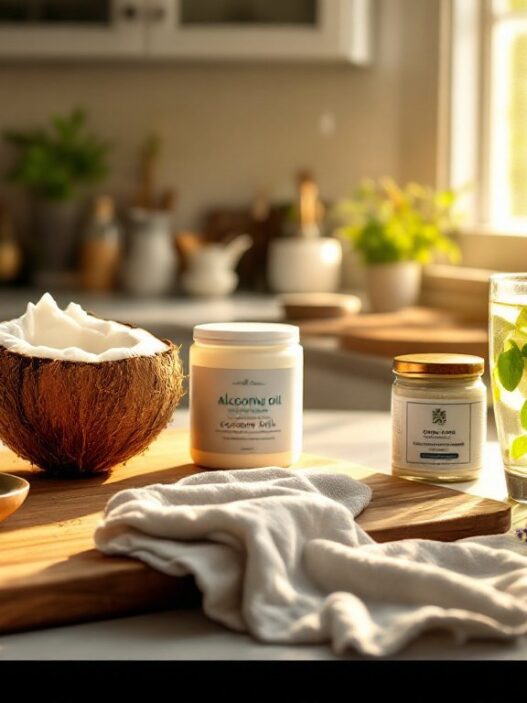
For hot, sharp, inflamed itch (Pitta pattern), you want cool, soft, and calming. Coconut oil is your friend, it’s naturally cooling. Aloe vera gel straight from the leaf is another gem. I sometimes mix a pinch of sandalwood powder into coconut oil and apply it to irritated patches. The cooling quality is almost immediate.
Damp, heavy, sluggish itch (Kapha pattern) benefits from light, warm, and slightly drying applications. A thin layer of raw honey, which is light, subtly warming, and mildly astringent, can help. Neem leaf paste, applied externally, has a bitter, cooling quality that helps clear congestion in the skin without adding heaviness.
One remedy I come back to across all dosha types is an oat and milk bath. Colloidal oatmeal has a smooth, soothing quality that calms surface irritation, while warm (not hot) milk adds nourishing oiliness. It’s gentle enough for sensitive skin and deeply comforting.
A word on what to avoid: harsh soaps, synthetic fragrances, and alcohol-based products all strip the skin’s natural protective layer. They increase dryness and sharpness, exactly the qualities you’re trying to reduce.
Do this today: Choose one topical remedy that matches your itch pattern and apply it to a small area for 3–5 minutes before your evening shower. This works for most people but isn’t suitable if you have known allergies to any of the ingredients, patch test first.
Dietary and Lifestyle Changes to Reduce Chronic Itching
Here’s where the deeper work happens. Topical remedies calm the surface, but if your agni stays weak and ama keeps accumulating, the itch will keep returning.
Strengthening your digestive fire is the single most important internal remedy for itchy skin. And it starts with how you eat, not just what you eat.
Eat your largest meal at midday. This is when your digestive capacity peaks, Ayurveda links it to the sun’s position, and honestly, I notice the difference myself. A well-digested lunch means fewer toxins circulating later in the day. Eating heavy food late at night, on the other hand, is one of the fastest ways to build ama.
Favor foods that are warm, slightly oily, and easy to digest. Cooked vegetables, whole grains like rice or quinoa, mung dal, and moderate amounts of healthy fats (ghee is a classic Ayurvedic choice) all support agni without overwhelming it. Bitter greens like kale, dandelion, and spinach are especially helpful for skin, the bitter taste naturally helps clear heat and metabolic waste from the blood.
Reduce foods that tend to aggravate skin: excess sugar, highly processed items, very spicy foods (for Pitta types especially), and cold, raw meals that tax a weak digestive fire.
On the lifestyle side, gentle daily movement matters. A 20-minute walk after meals supports digestion and keeps things mobile without creating excess heat or dryness. I’ve noticed that when I skip movement for several days, my skin feels duller and more reactive.
Stress is another big player. When your nervous system is revved up, lots of screen time, irregular sleep, constant rushing, Vata dosha increases. That mobile, erratic energy shows up in your skin. Slowing down, even for 10 minutes of quiet breathing in the evening, helps settle that restlessness.
These dietary and lifestyle shifts support not just your skin but your deeper vitality. In Ayurveda, well-digested food nourishes ojas, your body’s deep resilience and immunity. It feeds tejas, the metabolic clarity that keeps your tissues healthy. And it sustains prana, the life energy that keeps your nervous system steady and your skin calm.
Do this today: Try eating your main meal between 11:30 AM and 1:00 PM for the next five days. Notice how your energy, digestion, and skin feel by day five. This is for anyone dealing with chronic or recurring itch, though if you have specific dietary restrictions, adjust the food choices to fit your needs.
How to Build a Gentle Skincare Routine for Itch-Prone Skin
If You’re More Vata
Your skin tends toward dryness, roughness, and that thin, delicate quality that reacts to wind and cold. The itch often feels restless, it moves around and intensifies in the evening.
Favor warm sesame oil or almond oil as your daily moisturizer, apply it about 15 minutes before bathing so the oil penetrates. Use lukewarm water, never hot, because hot water strips what little natural oil Vata skin produces. Choose creamy, unscented cleansers. In terms of diet, favor warm soups, cooked root vegetables, and a little extra ghee. Avoid raw salads, crackers, and dried fruit, they increase the dry, light, rough qualities you’re already dealing with.
Do this today: Warm a tablespoon of sesame oil between your palms and massage it into your driest areas before your morning shower. Takes about 3 minutes. Best for Vata-dominant individuals or anyone whose itch worsens in cold, dry conditions. Not ideal if your skin is inflamed or oozing, that points more toward Pitta or Kapha.
If You’re More Pitta
Your itch comes with heat. There’s redness, maybe a burning sensation, and it can flare after sun exposure, hot showers, spicy food, or emotional intensity.
Coconut oil is your go-to, it’s cool, smooth, and calming. Aloe vera gel can be layered underneath on particularly angry patches. Avoid hot water in the shower (I know, it feels so good, but it fans the flame). Wear loose, breathable fabrics, cotton and linen are great. On the food front, favor cooling foods: cucumber, cilantro, sweet fruits, coconut water, and bitter greens. Minimize fermented foods, vinegar, tomatoes, and anything very salty or sour, these increase heat and sharpness in the blood.
Do this today: Apply pure aloe vera gel to any red, irritated areas and let it dry for 5 minutes before dressing. Takes almost no time and offers fast relief. Best for Pitta-dominant types or anyone dealing with red, hot, burning itch. Not ideal if your skin is extremely dry and flaky without redness.
If You’re More Kapha
Kapha-type itch tends to be more persistent, sometimes accompanied by puffiness, dampness, or a thick quality to the skin. It often worsens in cool, humid weather.
Your skincare routine can be lighter. A thin application of raw honey mixed with a pinch of turmeric makes a wonderful 10-minute mask, honey is subtly warming and astringent, while turmeric brings a bitter, cleansing quality. Use warm (not lukewarm) water when bathing, and choose lighter oils like sunflower or safflower rather than heavy sesame. Dry brushing before your shower, gentle, upward strokes, stimulates circulation and helps move sluggish energy. On the food side, favor light, warm, well-spiced meals. Reduce dairy, wheat, sugar, and cold or fried foods, which all increase heaviness and congestion.
Do this today: Try dry brushing your arms and legs with a natural bristle brush for 2 minutes before your morning shower. Best for Kapha-dominant types or those whose itch comes with swelling or dampness. Skip this if your skin is broken, sunburned, or acutely inflamed.
Two Daily Habits That Support Every Skin Type
First, tongue scraping each morning. It sounds unrelated, but scraping your tongue removes the overnight buildup of ama and gently signals your digestive system to wake up. When digestion improves, skin improves, they’re deeply connected. A stainless steel scraper works well. Five to seven gentle strokes, first thing.
Second, self-massage with oil (abhyanga). Even a quick 5-minute version before your shower nourishes the skin, calms the nervous system, and creates a protective, stabilizing layer. It’s one of the best daily practices for managing itch long-term.
Do this today: Add tongue scraping tomorrow morning, it takes under a minute and costs almost nothing. Suitable for everyone. If you have mouth sores or oral surgery recovery, wait until healed.
When to See a Dermatologist About Persistent Itching
Seasonal Adjustments for Itchy Skin
Before I talk about when to seek professional help, I want to touch on something that often gets overlooked: how the seasons shift your skin’s needs.
In autumn and early winter, Vata naturally rises. The air turns cold, dry, and mobile, and your skin reflects that. This is when oil-based routines become non-negotiable. Heavier oils, warmer foods, and earlier bedtimes all help counteract the seasonal dryness that triggers itch.
In late spring and summer, Pitta builds. Heat and sharpness increase, and skin that runs warm can become more reactive. Shift toward cooling oils, lighter meals, and shade. Consider adding rose water as a facial mist, it’s cool, soft, and gently astringent.
In late winter and early spring, Kapha accumulates. Dampness and heaviness dominate. This is the season to lighten up, favor drier, warmer foods, increase movement, and use lighter oils or even skip the oil in favor of dry brushing.
Do this today: Identify which season you’re in right now and make one adjustment from the guidance above. Takes a moment of reflection plus one small change. This is for anyone who notices their itch shifts with the weather, which, in my experience, is most people.
Modern Relevance and Knowing Your Limits
Modern dermatology and Ayurveda actually agree on more than you’d think. Both recognize that gut health influences skin health. Both acknowledge that stress exacerbates itching (cortisol, the stress hormone, directly affects skin barrier function and inflammation). And both caution against over-washing and harsh chemical exposure.
Where Ayurveda adds depth is in its personalized framework, recognizing that your itch isn’t the same as someone else’s, even if it looks similar on the surface.
But there are times when professional support is important. If your itch persists for more than two to three weeks even though consistent dietary and lifestyle changes, if it’s accompanied by significant swelling, oozing, bleeding, or spreading rash, or if it disrupts your sleep regularly, it’s time to consult a dermatologist or a qualified Ayurvedic practitioner. Some skin conditions require targeted intervention that goes beyond home care.
I’m a big believer in working with professionals, not instead of them. Ayurvedic self-care and medical care aren’t opposites, they complement each other beautifully.
Do this today: If your itch has lasted more than three weeks or is getting worse, schedule an appointment. Takes 5 minutes to book. This is for anyone whose symptoms aren’t responding to gentle home care, and especially for those with a family history of skin conditions like eczema or psoriasis.
Conclusion
Itchy skin can feel like such a small thing, until it’s not. Until it’s keeping you up at night, making you self-conscious, and draining your patience one scratch at a time.
What I love about the Ayurvedic approach to remedies for itchy skin is that it doesn’t ask you to fight your body. It asks you to listen. To notice whether the itch is dry or hot or heavy. To look at your digestion, your stress levels, your daily rhythm. And then to respond with gentleness, the right oil, the right food, the right pace for your particular balance.
You don’t have to overhaul everything at once. Pick one thing from this article that resonated and try it for a week. Notice what shifts.
I’d love to hear what works for you. Drop a comment or share this with someone who’s been struggling with itchy skin, sometimes knowing there’s a gentler path forward makes all the difference.
What’s one change you’re going to try first?