







Why Mints Only Mask the Problem (And What Really Causes Bad Breath)
Mints are cool and sharp, they hit your taste buds with a burst of intensity, and for a few minutes, everything smells fine. But those qualities (cool, sharp, light) only cover one layer. They don’t address what’s generating the odor in the first place.
In Ayurveda, chronic bad breath is almost always linked to ama, a sticky, heavy, dull residue that forms when your digestive fire (called agni) isn’t processing food completely. Think of agni like a campfire. When it’s burning bright, everything gets broken down cleanly. When it’s low or smothered, you get smoke and sludge.
That sludge is ama. It’s heavy, oily, and cloudy. It coats your digestive tract, your tongue, and eventually affects the quality of your tissues. And it smells.
Now, which dosha is involved matters a lot. If Vata is elevated, meaning there’s excess dryness, mobility, and irregularity in your system, your digestion becomes erratic. Some meals digest fine: others sit and ferment. The breath tends to come and go unpredictably.
When Pitta runs hot, agni can become too sharp and intense. It burns through food but creates acidic, sour-smelling residue. You might notice a bitter or metallic taste alongside the odor.
Kapha imbalance tends to slow everything down. Digestion gets sluggish, heavy, and damp. Ama accumulates more easily, and the breath often carries a sweet-heavy, stale quality, especially in the morning.
The real cause isn’t your mouth. It’s what’s happening in your gut, your metabolism, and the qualities that have accumulated over time.
Do this today: First thing tomorrow morning, look at your tongue in the mirror. A thick white or yellowish coating is a classic sign of ama. Takes 10 seconds. This is helpful for anyone, regardless of your constitution.
Herbal Rinses and Teas That Neutralize Odor at the Source

Once I started thinking about bad breath as an ama problem, herbal rinses made so much more sense. You’re not just freshening your mouth, you’re introducing qualities that directly counteract the heavy, dull, sticky nature of that residue.
A simple warm water rinse with a pinch of triphala powder is one of the most effective things I’ve tried. Triphala is mildly astringent and light, which helps scrub away that oily coating without being harsh. You steep half a teaspoon in warm water, let it cool to a comfortable temperature, and swish for about thirty seconds. The warmth kindles a gentle metabolic response right in the oral tissues, while the astringent quality tightens and tones.
Fennel and coriander tea is another favorite. Both are cool and sweet, which makes them especially balancing if you’re running hot (Pitta-type breath with that sour or acidic edge). I steep a teaspoon of each in hot water for five minutes, strain, and sip after meals. It settles the stomach, supports agni gently, and the aromatic quality moves through the subtle channels, what Ayurveda connects to prana, that vital life-force energy.
For a quick option, chewing a few fennel seeds after lunch works beautifully. They’re light, slightly sweet, and aromatic. They spark digestion without overheating it.
These herbs don’t just cover the smell. They reduce the conditions that create it, gently clearing ama, supporting metabolic clarity (what Ayurveda calls tejas), and restoring freshness from the inside.
Do this today: Brew a cup of fennel-coriander tea after your next meal. Five minutes of steeping, five minutes of sipping. Ideal for Pitta and Kapha types, and gentle enough for Vata too.
Oil Pulling and Tongue Scraping: Ancient Practices Backed by Science
I’ll admit, oil pulling sounded strange to me at first. Swishing oil in your mouth for several minutes? But once I understood the Ayurvedic logic, it clicked.
Ama is heavy, oily, and sticky. Oil, being similar in quality, actually attracts and binds to it. It’s the principle of “like increases like” working in your favor. When you swish warm sesame or coconut oil through your teeth and gums, the oil draws out that dull, gross residue that water alone can’t reach.
Sesame oil is warming and slightly heavy, making it a good match for Vata types who run dry and cold. Coconut oil is cooler and lighter, better suited to Pitta constitutions or warm-season practice. Either way, you’re pulling ama out of the oral tissues and supporting the subtle tissue layer of the mouth, which connects to ojas, that deep reservoir of vitality and immune resilience.
Try this: Take about a tablespoon of oil first thing in the morning, before eating or drinking. Swish gently (don’t strain your jaw) for five to ten minutes, then spit it out. Follow with warm water.
Tongue scraping is the other half of this equation, and honestly, it might be even more important. That morning coating on your tongue? That’s visible ama. A copper or stainless-steel tongue scraper removes it in about five gentle strokes.
This one practice alone can transform morning breath. It’s light, quick, and directly clears the rough, dull accumulation from overnight digestion. I do it every single morning, it takes maybe 20 seconds and the difference is immediate.
Do this today: Get a tongue scraper (copper is traditional and mildly antimicrobial). Use it tomorrow morning before you eat. Takes 20 seconds. Perfect for everyone, every dosha.
Dietary Changes That Transform Your Breath From the Inside Out
Here’s where things get really interesting, because what you eat directly determines the strength of your agni and the amount of ama your body produces.
Heavy, cold, overly processed foods dampen your digestive fire. Leftover meals that have been sitting in the fridge, dense combinations like cheese with fruit, or eating late at night when agni is naturally low, these all create the conditions for ama to build. And that ama doesn’t stay hidden. It rises.
The Ayurvedic approach is beautifully simple: favor foods that are warm, light, and freshly prepared. A bowl of cooked vegetables with rice, seasoned with cumin and a squeeze of lemon, is infinitely better for your breath than a cold sandwich eaten at your desk at 3pm.
Spices are your greatest allies here. Ginger is warm, light, and sharp, it directly kindles agni. A thin slice of fresh ginger with a pinch of salt and a drop of lemon juice before meals is a classic Ayurvedic appetizer. It wakes up digestion so food gets processed cleanly instead of sitting and fermenting.
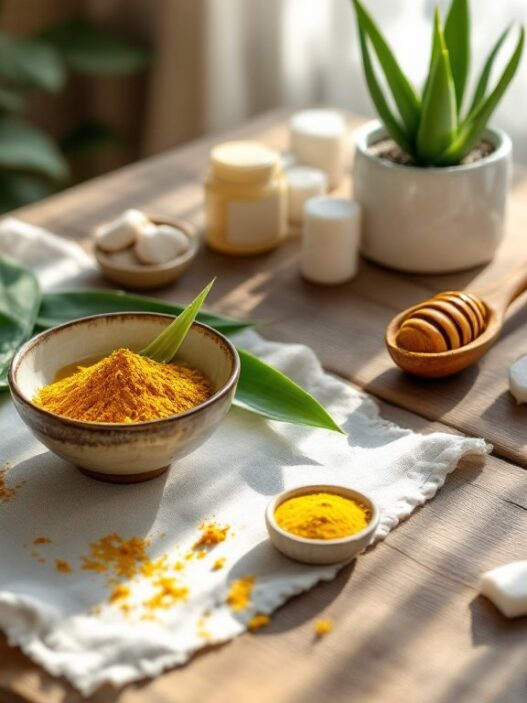
Cumin, coriander, and turmeric are what I call the everyday trio. They’re balancing for all three doshas when used in cooking. Cumin is warm and light, coriander is cool and gentle, and turmeric is warm and slightly dry, together they create a metabolic environment where ama has a harder time forming.
One thing I’d gently suggest avoiding: eating when you’re not hungry. Agni has its own rhythm. When you pile food on top of a still-digesting meal, the fire gets smothered. That heavy, stagnant feeling after overeating? It’s the beginning of ama.
Do this today: Before your next meal, pause and ask, am I actually hungry? If not, wait. If yes, add a pinch of cumin to whatever you’re cooking. Takes zero extra time. Great for all constitutions.
Hydration and Saliva-Boosting Habits Most People Overlook
Dry mouth is one of the most overlooked contributors to bad breath, and from an Ayurvedic perspective, it makes complete sense. When the mouth becomes dry and rough, you’ve lost the smooth, moist quality that keeps oral tissues healthy and self-cleaning. Saliva is your body’s natural rinse, it’s slightly warm, fluid, and has a subtle metabolic intelligence of its own.
When Vata increases (through stress, irregular routine, excess screen time, or dry environments), the mouth often dries out first. That dry, rough, mobile quality creates an environment where bacteria thrive and ama accumulates on the tongue and gums.
The fix isn’t just “drink more water”, it’s about how you hydrate. Sipping warm or room-temperature water throughout the day is far more effective than gulping cold water. Cold water dampens agni. Warm water gently stokes it, helps flush light ama from the channels, and keeps the oral tissues smooth and moist.
I keep a thermos of warm water at my desk. Small sips, frequently. It’s one of the simplest habits I’ve adopted, and it genuinely changed the quality of my breath by mid-afternoon, that time of day when things used to get noticeably stale.
Chewing fennel seeds or a small piece of fresh ginger between meals also stimulates saliva flow naturally. These are light, aromatic, and gently warming, they keep prana moving through the oral cavity and prevent that stagnant, dull quality from settling in.
Another overlooked piece: breathing through your nose. Mouth breathing dries out everything and disrupts the natural flow of prana. If you notice yourself mouth-breathing during work or sleep, that alone could be a significant contributor.
Do this today: Switch to warm or room-temperature water for the rest of the day. Sip, don’t gulp. Takes no extra time. Especially helpful for Vata types, but genuinely good for everyone.
Building a Daily Natural Breath-Care Routine That Lasts
The beauty of Ayurveda is that it doesn’t ask you to overhaul your life. It asks you to build a rhythm, a dinacharya, or daily routine, that supports your body’s own intelligence.
Here’s what my morning looks like, and it adds maybe seven minutes total.
I wake up, scrape my tongue (20 seconds), then oil pull with sesame oil for about five to seven minutes while I get dressed or tidy up. After spitting the oil out, I rinse with warm water. Before breakfast, I have a cup of warm water with a thin slice of ginger. That’s it.
Those three habits, tongue scraping, oil pulling, warm ginger water, address ama, support agni, and keep the oral tissues smooth and clear. They directly protect ojas (deep vitality) by preventing toxic residue from accumulating, and they keep tejas (metabolic clarity) bright so that your digestive fire works efficiently all day.
In the evening, I try to eat my last meal at least two to three hours before bed. This is an Ayurvedic timing principle: agni naturally winds down as the sun sets. Eating late means food sits partially undigested overnight, and that’s exactly why morning breath can be so intense.
If You’re More Vata
Your breath issues likely come and go, worse when you’re stressed, traveling, or eating irregularly. Favor warm, oily, grounding foods. Sesame oil pulling is your friend. Try to eat meals at consistent times each day, and avoid raw, cold foods in the evening. One thing to skip: ice-cold drinks, especially between meals.
Do this today: Set a consistent lunch time and stick to it for a week. Five minutes of planning. Best for Vata-dominant individuals or anyone with an irregular schedule.
If You’re More Pitta
You might notice a sour, acidic, or sharp quality to your breath, especially when you’re overworked or eating spicy food. Favor cooling herbs, coriander, fennel, mint in moderation. Coconut oil pulling works well for you. One thing to skip: excess coffee, alcohol, and fermented foods, they intensify that sharp, hot quality.
Do this today: Replace one coffee with a cup of coriander-fennel tea. Takes five minutes. Ideal for Pitta types or anyone noticing acidic breath.
If You’re More Kapha
Your breath may carry a heavier, sweeter, stale quality, especially in the morning or during damp, cool weather. Favor light, warm, slightly pungent foods. Dry ginger tea is excellent for you. One thing to skip: heavy dairy, cold smoothies, and excess sweets, they increase that dense, dull, sluggish quality that breeds ama.
Do this today: Start your morning with a cup of hot water with a quarter teaspoon of dry ginger powder. Two minutes. Perfect for Kapha types or anyone waking up with heavy morning breath.
Seasonal Adjustments
In late winter and spring (Kapha season), when the air is damp and heavy, ama tends to accumulate more easily. This is when breath issues often worsen. Lighten your meals, increase warming spices, and be extra consistent with tongue scraping. In summer (Pitta season), dial back the heating spices and favor the cooler herbs like fennel and coriander. This is ritucharya, seasonal living, and it keeps your body in sync with the natural world around you.
Do this today: Notice what season you’re in and ask, am I eating in harmony with it? One small seasonal swap can shift things. Helpful for everyone.
Conclusion
Bad breath isn’t a character flaw, and it isn’t something you need to hide behind mints forever. It’s a message from your body, a gentle (okay, sometimes not-so-gentle) signal that your digestion, your routine, or your internal balance needs a little attention.
The practices I’ve shared here, herbal rinses, tongue scraping, oil pulling, mindful eating, warm hydration, and a simple morning rhythm, aren’t quick fixes. They’re slow, steady shifts that address the root. And in my experience, they work far better than anything that comes in a plastic wrapper.
Start with one. Maybe it’s the tongue scraper tomorrow morning. Maybe it’s switching to warm water today. You don’t need to do everything at once.
I’d love to hear from you, what’s worked for your breath, and what are you curious to try? Drop a comment or share this with someone who might find it helpful.
What’s one small shift you could try this week?