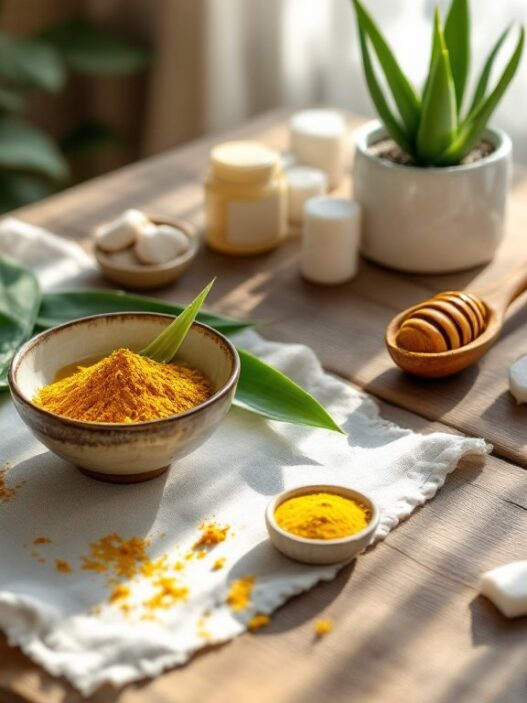








Why Seasonal Dryness Affects Your Skin, Sinuses, and Throat at Once
In Ayurveda, the late autumn and early winter months carry a surge of what’s called Vata energy, the principle of movement and air. Think about what happens outside: humidity drops, winds pick up, temperatures swing. The qualities in the atmosphere shift toward dry, light, rough, cool, and mobile. Your body, being part of nature, absorbs those same qualities.
This is why dryness doesn’t politely limit itself to one area. Your skin, your sinus membranes, and the delicate lining of your throat all share one thing in common, they’re surfaces that interact directly with the air around you. When that air turns dry and rough, those tissues lose moisture fast.
Now here’s the piece most people miss. Ayurveda teaches that like increases like. If your natural constitution already runs a bit dry, light, or cool, meaning you tend toward Vata, seasonal dryness hits you harder and earlier than someone with a more oily, dense, warm constitution (that’s more Kapha). A Pitta-dominant person, who naturally runs warm and slightly oily, often notices the dryness later but may experience it as sharp irritation, cracked nostrils, burning skin, an inflamed throat.
So the first remedy is actually a shift in perspective: stop treating each dry symptom in isolation. When the air outside becomes dry, rough, and cool, your response is to bring in its opposites, oily, smooth, and warm. That single principle guides every recommendation I’ll share below.
Do this today: Step outside and notice the air quality, is it dry, cool, windy? Just noticing is the beginning. Takes about 30 seconds. This awareness practice works for everyone, regardless of constitution.
Natural and Over-the-Counter Remedies for Dry, Irritated Skin

When your skin feels tight, flaky, or itchy during seasonal transitions, Ayurveda sees a clear pattern: the dry, rough, and light qualities of Vata have settled into your outer tissue layer (called rasa dhatu, the plasma and skin layer). Your skin’s natural oiliness has been stripped, both from the outside air and, often, from weakened internal digestion.
Wait, digestion? Yes. In Ayurveda, your digestive fire, Agni, is the engine that transforms food into nourishment for every tissue, including your skin. When Agni is low or erratic (which happens easily in Vata season), food isn’t fully processed. The result is a kind of metabolic residue called ama, sticky, heavy, and clogging. Ama blocks nutrients from reaching your skin, so even if you’re eating well, your complexion stays dull and parched.
Signs of ama showing up alongside dry skin: a coated tongue in the morning, sluggish digestion, and a general heaviness even though your skin feels light and papery.
The Ayurvedic remedy is beautifully simple, oil. Warm sesame oil applied to the body before your morning bath (a practice called abhyanga) is one of the most effective things I’ve ever done for seasonal dryness. The oil is warm, heavy, smooth, and oily, the exact opposites of Vata’s dry, light, and rough qualities. It doesn’t just sit on the surface: it calms the nervous system and supports what Ayurveda calls Prana, your life-force energy, which governs how your skin breathes and regenerates.
If you prefer something from the store shelf, look for balms or creams with minimal ingredients, shea butter, coconut oil, or almond oil bases. Avoid anything with alcohol high on the ingredient list, as that adds more dryness.
Do this today: Warm a tablespoon of sesame oil between your palms and massage it into your arms and legs before showering. Five minutes is plenty. This works especially well for Vata types but benefits everyone during dry months. If you have active skin inflammation or a Pitta flare-up, try coconut oil instead, it’s cooler.
How to Relieve Sinus Dryness and Congestion
Here’s something that confused me for a long time: how can sinuses feel dry and congested at the same time? Ayurveda actually explains this well.
When Vata’s dry, mobile qualities irritate the sinus membranes, your body sometimes responds by producing thick, sticky mucus as a protective measure. That’s Kapha stepping in, heavy, dense, cool, and stable, trying to coat and shield the dried-out tissue. The result is that odd combination of dryness in the nasal passages with a feeling of blockage deeper inside.
The metabolic picture matters here too. When Agni is unsteady, flickering high and low like a candle in the wind, ama accumulates in the sinus channels. You might notice that your congestion feels worse in the morning and slightly better by midday. That’s because your digestive fire is naturally strongest around noon, which temporarily helps clear some of that residue.
The classic Ayurvedic remedy for sinus dryness is nasya, applying a drop or two of warm oil (sesame or a specialized herbal nasya oil) to the inside of each nostril. This lubricates the delicate membranes, calms Vata’s roughness, and supports the subtle flow of Prana through the head and sinuses. I do this on winter mornings and the difference is remarkable, less cracking, less of that raw stinging feeling.
Steam inhalation is another gentle approach. Boil water, add a pinch of dried ginger or a drop of eucalyptus, and breathe the warm, moist vapor for a few minutes. The warmth and moisture directly oppose the cool, dry qualities causing the problem. This also helps loosen ama-laden mucus so your body can clear it naturally.
One more thing, and this connects to Tejas, the subtle metabolic spark that governs clarity in the mind and senses. When your sinuses are clogged with ama, Tejas dims. Your thinking feels foggy, your sense of smell fades. Clearing sinus dryness isn’t just about comfort. It’s about restoring sharpness and clarity to your perception.
Do this today: Place one drop of warm sesame oil on your pinky finger and gently apply it inside each nostril. Takes 30 seconds. Best for Vata and Pitta types. If you tend toward heavy Kapha congestion with lots of thick mucus, try the steam inhalation instead, the warmth is more appropriate for you.
Soothing a Dry, Scratchy Throat During Seasonal Changes
A dry throat during seasonal shifts is one of those low-grade annoyances that quietly erodes your quality of life. You clear your throat constantly. Swallowing feels rough. Sometimes your voice cracks.
In Ayurveda, the throat sits in a zone governed by both Vata and Kapha. The dryness itself is Vata, those rough, light, mobile qualities desiccating the throat’s mucous lining. But the throat also needs Kapha’s natural moisture and smoothness to function well. When the balance tips too far toward dryness, the throat loses its protective coating.
This is where Ojas, your deep reserve of vitality and immune resilience, comes in. Healthy Ojas shows up as well-lubricated tissues, a strong immune response, and a sense of inner stability. When Ojas is depleted (from stress, poor sleep, irregular eating, or prolonged dryness), your throat is one of the first places to feel it. That scratchy, vulnerable feeling isn’t just surface irritation, it’s a sign your deeper nourishment needs attention.
My go-to remedy: warm water sipped throughout the day. Not hot, not cold, warm. This sounds almost too simple, but warm water is smooth, moist, and gently heavy, three qualities that directly counter Vata’s dryness. I keep a thermos at my desk.
For extra support, try warm milk (dairy or a rich plant-based option like almond) with a half teaspoon of ghee and a pinch of turmeric before bed. Ghee is considered one of the finest Ojas-building substances in Ayurveda. It’s smooth, oily, and subtly cooling, perfect for coating an irritated throat.
Gargling with warm salt water in the morning is another helpful practice. The warmth soothes, and the salt gently draws out ama and reduces that rough, swollen feeling.
Do this today: Sip warm water between meals, aim for a few cups spread across the day rather than large amounts at once. Takes zero extra time. Good for all constitution types. If you’re strongly Kapha and tend toward excess mucus, add a thin slice of fresh ginger to the water to keep things moving.
Daily Habits and Home Adjustments That Combat Dryness All Season
Remedies for seasonal dryness work best when they’re woven into your daily rhythm rather than applied as emergency fixes. Ayurveda calls this daily rhythm Dinacharya, and it’s honestly where the real transformation happens.
Two Morning Habits That Make a Difference
First, the oil massage I mentioned earlier, abhyanga. Even a quick five-minute version before your shower anchors your nervous system, nourishes your skin, and builds Ojas over time. The warm oil is stable and grounding, which is exactly what Vata season demands.
Second, try oil pulling, swishing a tablespoon of sesame or coconut oil in your mouth for five to ten minutes before brushing your teeth. This moisturizes the oral and throat tissues from the inside, pulls out ama, and leaves your mouth feeling smooth instead of dry and filmy. I was skeptical about this one for years, but the difference in how my throat feels on mornings I skip it versus mornings I don’t is noticeable.
Adjusting Your Home Environment
Your living space matters more than you might think. Dry indoor heating during colder months strips moisture from the air, compounding everything Vata season is already doing. Consider running a humidifier in your bedroom at night. The added moisture is a simple way to counter the dry, rough qualities that accumulate while you sleep.
Eating warm, cooked, slightly oily foods is another foundational adjustment. Raw salads and dry crackers, common “healthy” choices, actually increase Vata’s dry and light qualities. Soups, stews, cooked grains with ghee, and root vegetables are far more balancing. They support Agni by being easier to digest and they deliver the heavy, moist, warm qualities your tissues are craving.
If You’re More Vata, Pitta, or Kapha
If you’re more Vata, you feel this dryness most. Your skin may crack, your joints might ache, and your sleep could become restless. Prioritize warm sesame oil massage daily, eat warm and well-cooked meals, and try to keep a stable routine, same mealtimes, same bedtime. Avoid raw, cold foods and excessive screen time in the evening, which overstimulates your already mobile nervous system.
Do this today: Apply sesame oil to the soles of your feet before bed. Three minutes. Especially helpful if your sleep is light or disrupted.
If you’re more Pitta, your dryness may show up as irritation: red, inflamed skin patches, a burning sensation in the sinuses, a sharp sore throat. Use cooling oils like coconut for your skin and nasal passages. Favor sweet, grounding foods, think sweet potatoes, rice, and ripe fruits. Avoid spicy food and overly hot showers, which can aggravate the sharp, hot qualities already present.
Do this today: Switch your shower temperature down just slightly, warm, not hot. Takes zero extra time. Avoid this if you’re strongly Vata and already running cold.
If you’re more Kapha, dryness affects you least, but when it does, it often shows up as thick congestion rather than surface dryness. Your body’s protective response is to produce heavy mucus. Focus on light, warm, and slightly stimulating remedies, ginger tea, steam inhalation, dry brushing before your shower. Avoid heavy, cold, or overly sweet foods that increase Kapha’s dense, cool qualities.
Do this today: Drink a cup of fresh ginger tea mid-morning. Five minutes to prepare. Not ideal if you have active acid reflux or Pitta inflammation.
One Seasonal Adjustment Worth Making
Ayurveda’s seasonal wisdom, Ritucharya, reminds us that our routines need to shift with the weather. As autumn moves into winter, gradually increase the richness of your meals. Add more ghee, more cooked root vegetables, more warm spices like cinnamon and cardamom. In spring, when the heaviness of winter starts to lift and moisture returns to the air, you can lighten up again, reducing oil, favoring lighter grains, and incorporating more movement.
This seasonal pivot protects your Agni from getting overwhelmed and keeps ama from building up during the transitions.
Do this today: Add a half teaspoon of ghee to one meal. Takes five seconds. Appropriate for all types, though Kapha constitutions may want to use just a small amount.
A Modern Note
I find it fascinating that modern science increasingly validates what Ayurveda has taught for centuries. We now know that dry air lowers mucosal immunity, that omega-rich oils support skin barrier function, and that circadian rhythm disruption worsens inflammation. Ayurveda had the framework all along, it just used different words. Qualities like snigdha (oily) and ushna (warm) map beautifully onto what researchers now call “lipid barrier support” and “thermogenic regulation.”
But I always come back to the Ayurvedic frame because it’s more personal. It asks: What does your body need right now, given who you are and what season you’re in? That question is more useful than any generic checklist.
Do this today: Notice one quality in your environment, is the air dry? Cool? Rough? Then choose one opposite to bring into your day. Takes a moment of awareness. Works for everyone.
Conclusion
Seasonal dryness doesn’t have to be something you just endure every year. When you understand that dry, rough, cool, and light qualities are driving the discomfort, and that your body responds beautifully to their opposites, the path forward becomes clear and surprisingly gentle.
You don’t need to overhaul your life. A warm oil massage here, a thermos of warm water there, a little ghee stirred into your evening meal. These small, consistent acts of nourishment add up. They support your Agni, clear ama, and rebuild the deep vitality, Ojas, Tejas, Prana, that keeps your skin glowing, your sinuses clear, and your throat comfortable.
Start with one thing today. Just one. And notice what shifts.
I’d love to hear from you, what’s the first sign of seasonal dryness you notice in your own body? Drop a comment below or share this with someone who’s already reaching for the lip balm. 💛