





Why Your Hands and Feet Feel Cold (And When to Worry)
From an Ayurvedic perspective, cold extremities almost always point back to Vata dosha, the principle of air and space that governs all movement in the body, including blood flow. When Vata rises, it brings its signature qualities: cold, dry, light, mobile, and rough. Circulation becomes erratic. Warmth withdraws from the periphery and pools closer to the center.
Think of it like wind blowing across an open field. The more exposed areas, your hands, your feet, the tip of your nose, lose heat first.
But it’s not always Vata alone. If your digestion has been sluggish (more on that shortly), Kapha’s heavy, cool, and dull qualities can create a kind of stagnation that slows blood flow. And if Pitta, your metabolic fire, has been depleted by stress, irregular eating, or late nights, there simply isn’t enough internal heat being generated to reach your fingers and toes.
Each dosha type experiences this differently. A Vata-predominant person might feel the cold with tingling or numbness, especially when anxious. A Kapha type might notice puffy, cool hands with a sense of heaviness. Pitta types don’t usually run cold, but when they do, it often signals deep depletion.
Now, when to pay closer attention: if your cold hands come with skin color changes (white, blue, or mottled), persistent numbness, or open sores that heal slowly, it’s wise to see a healthcare provider. Raynaud’s phenomenon, thyroid issues, and circulatory conditions can all present this way, and they deserve proper evaluation.
Do this today: Spend two minutes noticing when your hands and feet feel coldest, morning, evening, after eating, during stress. That pattern tells you a lot. This is for anyone experiencing cold extremities regularly. It’s not a substitute for medical evaluation if you’re noticing the warning signs I mentioned above.
Dietary Changes That Warm You From the Inside Out
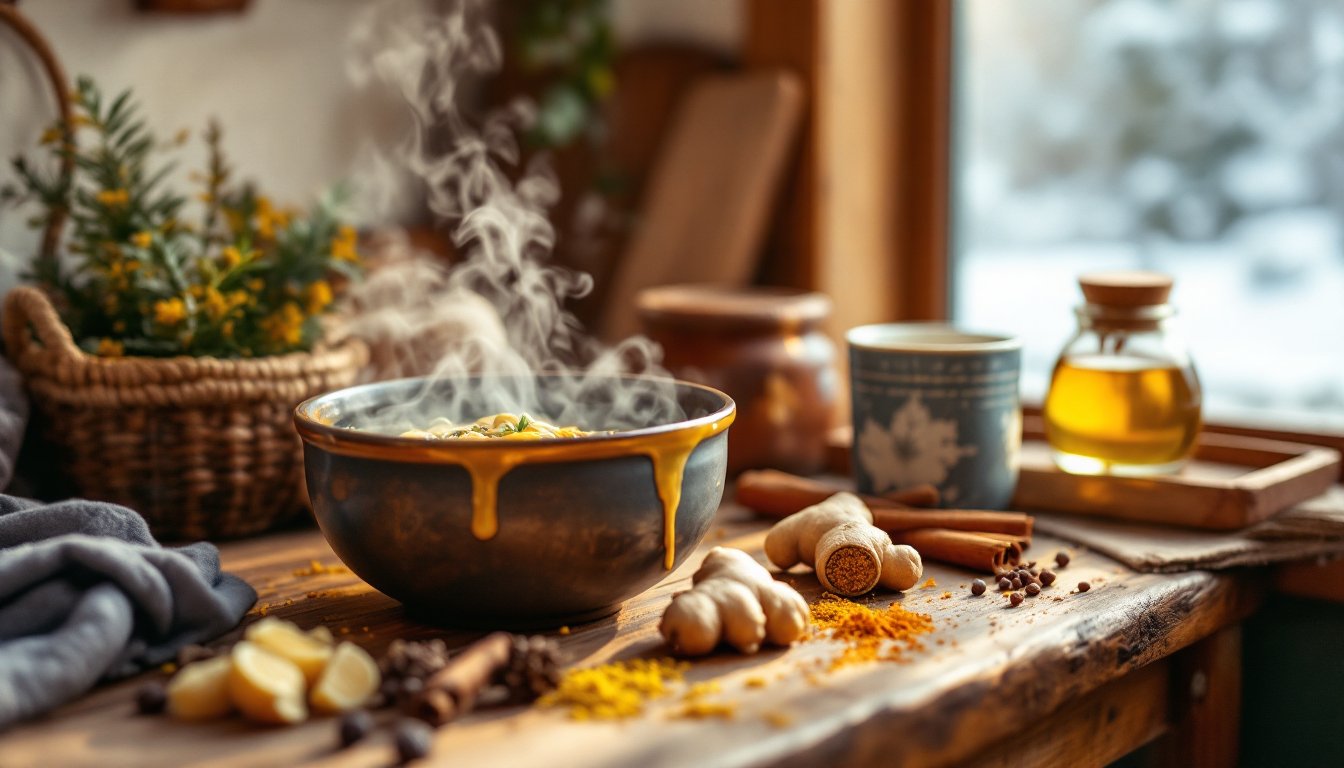
Here’s where Ayurveda gets beautifully practical. In this tradition, food isn’t just fuel, it’s medicine. And when your hands and feet are cold, your body is asking for warmth, nourishment, and easy-to-digest meals that support your digestive fire, or agni.
Agni is your metabolic intelligence. When it’s strong, food gets transformed into usable energy and warmth. When it’s weak, from eating too many cold, raw, or heavy foods, from irregular meal times, or from chronic stress, undigested residue called ama starts to accumulate. Ama is sticky, heavy, and cool. It clogs the subtle channels that carry warmth and nutrients to your tissues. And your extremities are the first to feel the deficit.
Signs of ama? A coated tongue in the morning, sluggish digestion, feeling heavy after meals, or that general foggy, “blah” quality.
To improve circulation through food, I like to think in terms of qualities. You’re adding warm, light, slightly oily, and smooth qualities to counterbalance cold and dry.
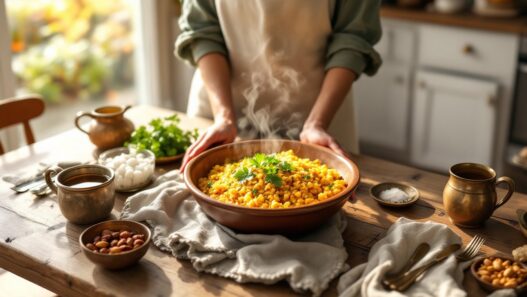
Cooked meals are your friend here. Warm soups, stews, and kitchari (a simple rice-and-lentil dish) are all excellent. Favor warming spices like ginger, black pepper, cinnamon, cumin, and a pinch of turmeric. A small piece of fresh ginger with a squeeze of lemon before meals can wake up agni beautifully.
Healthy fats matter too. Ghee, sesame oil, and olive oil carry warmth into deeper tissues. Drizzle ghee over cooked grains or vegetables, it’s smooth, warm, and oily, which is exactly what Vata-driven coldness needs.
Avoid icy drinks, excessive raw salads (especially in cold weather), and heavy, hard-to-digest foods late at night. These dampen agni and invite more ama.
When your agni is tended well, warmth doesn’t just stay in your core, it radiates outward. That’s the difference between surviving winter and actually feeling comfortable in it.
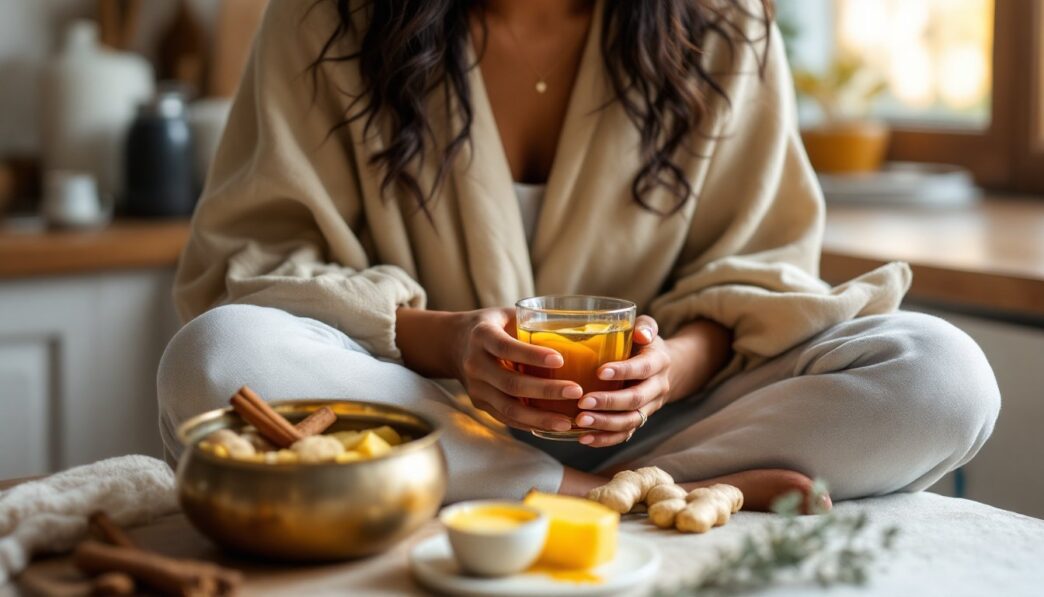
Do this today: Try sipping warm ginger water throughout the morning, just a few thin slices of fresh ginger steeped in hot water. Give it a week. This is for anyone with cold extremities and sluggish digestion. If you have active heartburn or acid reflux, go easy on the ginger and try fennel water instead.
Herbal Remedies and Supplements for Better Blood Flow
Ayurveda has a long tradition of using herbs to support circulation, and some of them are remarkably accessible.
Ginger (Zingiber officinale) is the classic. It’s sharp, hot, and light, qualities that cut through ama, kindle agni, and encourage blood to move toward the periphery. Fresh ginger tea is gentle enough for daily use. Dry ginger powder is stronger and more heating, better suited for Vata and Kapha types.
Cinnamon (Cinnamomum verum) is another warming ally. It’s hot, light, and slightly dry, and it supports healthy blood sugar metabolism, which itself influences circulation. I’ll sometimes stir a quarter teaspoon of cinnamon into warm milk with a touch of honey (added after the milk cools slightly).
Ashwagandha is worth mentioning here because of its effect on the vitality triad, ojas, tejas, and prana. Ojas is your deep resilience, the reserve that keeps you feeling grounded and warm even under stress. Tejas is the metabolic spark, the clarity and inner glow that comes from well-functioning digestion. Prana is your life force, the steadiness in your nervous system. When cold hands stem from depletion, too much work, too little rest, chronic worry, ashwagandha helps rebuild ojas and settle prana. It’s warm, heavy, and oily in quality, making it particularly balancing for Vata.
Trikatu, a blend of black pepper, long pepper, and dry ginger, is a traditional formula specifically aimed at strengthening agni and clearing ama from channels. It’s potent and heating, so it’s best for Vata and Kapha constitutions. Pitta types or anyone with inflammation might want to skip this one.
A word on supplements: turmeric and omega-3 fatty acids both have modern research supporting their role in vascular health and reducing inflammation. From an Ayurvedic view, turmeric is warm, light, and dry, good for clearing stagnation. Omega-3s bring smooth, oily qualities that nourish tissues.
Do this today: Pick one warming herb, ginger tea is the easiest entry point, and include it in your morning routine for two weeks. This is for most body types. If you’re a Pitta type already running warm, or if you’re on blood-thinning medication, talk with your practitioner before adding heating herbs.
Movement, Massage, and Hydrotherapy Techniques
Your blood needs a reason to move, and gentle physical activity is one of the best invitations.
From an Ayurvedic standpoint, cold extremities involve excess stable and stagnant qualities. The remedy? Introducing mobile, warm, and light qualities through movement, touch, and temperature contrast.
Moving Warmth Through the Body
You don’t need intense exercise. A brisk 20-minute walk, some gentle yoga, or even shaking out your hands and feet vigorously for 30 seconds can shift things. Joint rotations, circling your wrists, ankles, fingers, are a traditional Ayurvedic technique for encouraging flow through areas where Vata tends to accumulate. Vata loves joints. When it gets stuck there, stiffness and coldness follow.
If you’re more Vata, keep movement steady and grounding, walks, gentle yoga, tai chi. If you’re more Kapha, you can go a bit more vigorous, dancing, faster walking, sun salutations with purpose. Pitta types do well with moderate, enjoyable movement that doesn’t overheat.
Abhyanga: The Ayurvedic Oil Massage
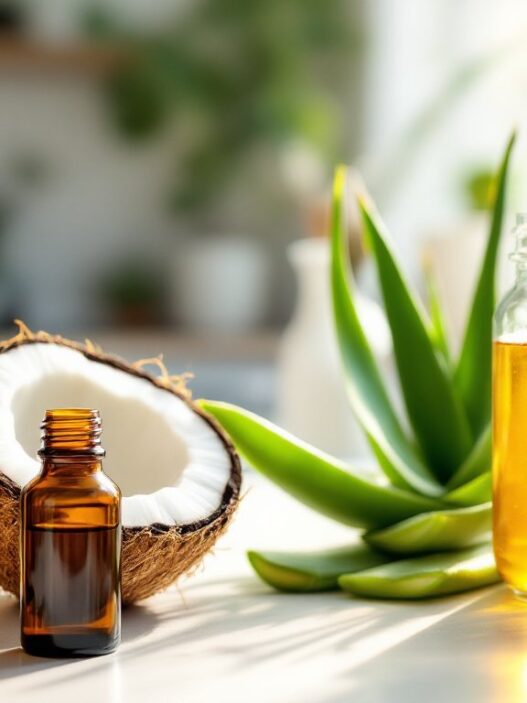
This is one of my favorite natural remedies for cold hands and feet. Abhyanga is warm oil self-massage, and it’s profoundly balancing for Vata. Warm sesame oil is the classic choice, it’s heavy, warm, oily, and smooth, which is the exact opposite of Vata’s cold, dry, rough nature.
Massage your hands and feet with warm oil for five to ten minutes before your morning shower. Work the oil into each finger and toe, around the joints, and across the palms and soles. The warmth and pressure encourage blood flow, calm the nervous system, and build ojas over time.
Contrast Hydrotherapy
Alternating warm and cool water on your hands and feet is a simple technique to train your blood vessels to dilate and constrict more efficiently. Try ending your shower by running warm water over your hands for 30 seconds, then briefly switching to cool (not ice cold) for 10 seconds. Repeat two or three times.
This is sharp and mobile in quality, it wakes up sluggish circulation. Start gently if you’re very Vata: the contrast doesn’t need to be extreme.
Do this today: Try a five-minute warm oil foot massage tonight before bed. Use sesame oil if you have it, or olive oil in a pinch. This is for everyone, especially Vata types. If you have skin conditions or allergies to specific oils, patch test first.
Lifestyle Habits That Support Long-Term Circulation Health
Quick fixes are nice, but lasting warmth comes from consistent daily rhythms. This is where Ayurveda’s concepts of dinacharya (daily routine) and ritucharya (seasonal routine) come alive.
Your Daily Rhythm: Two Habits That Matter
First, eat your main meal between 11 a.m. and 1 p.m. This is when your agni is naturally strongest, it mirrors the sun’s peak. A warm, well-spiced, nourishing lunch gives your body the fuel to generate heat throughout the afternoon and evening. When people skip lunch or eat their biggest meal late at night, digestion weakens, ama builds, and coldness creeps in.
Second, go to bed by 10 p.m. when you can. The hours between 10 p.m. and 2 a.m. belong to Pitta time, your body uses this window for internal repair, detoxification, and metabolic renewal. If you’re awake and scrolling during these hours, you’re borrowing from your body’s ability to restore tejas (metabolic clarity) and rebuild ojas (deep vitality). Over time, this kind of depletion shows up as poor circulation, low energy, and, yes, perpetually cold hands.
If You’re More Vata, Pitta, or Kapha
Vata types: Your circulation challenges are likely tied to dryness, anxiety, and irregular routines. Favor warm, cooked, slightly oily foods. Keep a consistent meal and sleep schedule. Warm sesame oil abhyanga is particularly good for you. Try to avoid skipping meals, excessive travel, and cold, windy environments without proper layers. One thing to steer clear of: ice-cold beverages and raw food binges, especially in autumn and early winter.
Pitta types: If you’re experiencing cold extremities, it often points to burnout or depletion of your natural fire, paradoxical as that sounds. Focus on rebuilding rather than pushing harder. Warm (not scorching) foods, cooling but not cold herbs like shatavari, and adequate rest are your allies. Coconut oil massage works better for you than sesame. One thing to steer clear of: overwork, excessive caffeine, and skipping meals out of busyness.
Kapha types: Your cold hands likely come with a sense of heaviness and sluggishness. You respond well to light, warm, dry, and sharp qualities, think warming spices, lighter meals, vigorous movement, and dry brushing before your shower. Mustard oil is a good massage choice for you. One thing to steer clear of: heavy, cold, and sweet foods, daytime napping, and staying sedentary for long stretches.
Seasonal Adjustments
In late autumn and winter, Vata season, cold extremities naturally intensify because the environment mirrors Vata’s qualities: cold, dry, windy, and light. This is the time to double down on warming practices. Increase healthy fats, favor cooked root vegetables, keep sesame oil massage consistent, and layer up before you actually feel cold.
In spring, Kapha season, the heaviness of accumulated winter can slow circulation. This is a good time to introduce lighter meals, more movement, and pungent spices like black pepper and ginger to clear stagnation.
Summer is usually the easiest season for circulation, but Pitta types can deplete themselves with overactivity. Rest is the remedy.
Do this today: Choose one daily rhythm anchor, either the midday meal or the 10 p.m. bedtime, and commit to it for one week. This is for everyone, regardless of dosha. If you work night shifts or have schedule constraints, adapt as best you can: even small consistency helps.
A Brief Modern Note
It’s worth pointing out that modern research increasingly supports what Ayurveda has observed for centuries. Chronic stress activates the sympathetic nervous system, which constricts peripheral blood vessels, directing blood away from extremities and toward vital organs. Poor sleep disrupts vascular health. Highly processed, nutrient-poor diets contribute to systemic inflammation that impairs circulation.
Ayurveda doesn’t use these terms, but the logic is identical: when the body is stressed, depleted, or poorly nourished, warmth retreats inward. The remedy is the same, nourish, warm, rest, and move with intention.
Do this today: Notice one source of chronic stress in your life and consider one small step to reduce it, even five minutes of quiet breathing before bed counts. This is for anyone. It’s especially relevant if your cold hands worsen during stressful periods.
Conclusion
Cold hands and feet can feel like a small thing, until it’s your reality every single day. But I hope you can see that this isn’t just about circulation in the mechanical sense. It’s about warmth, nourishment, and rhythm, qualities your body is always trying to restore when given the right support.
You don’t need to overhaul your life. Start with one thing. Maybe it’s the ginger water. Maybe it’s the oil massage. Maybe it’s just eating lunch at a consistent time. Let that one change settle in, and notice what shifts.
Your body is remarkably intelligent. It wants to be warm. Sometimes it just needs a little help remembering how.
I’d love to hear what resonates with you, have you tried any of these natural remedies for cold hands and feet? What’s worked? Drop a comment below or share this with someone who’s always reaching for an extra pair of socks.