





What Causes Dandruff and Why Natural Remedies Work
From an Ayurvedic lens, dandruff isn’t just a “scalp problem.” It’s a sign that certain qualities in your body have gone out of balance, and that imbalance is showing up where you can see it.
When Vata dosha increases, you tend to see dry, rough, light flakes. The scalp feels tight, maybe a little itchy, and the skin is parched. This is the classic dry dandruff most people recognize. It’s driven by an excess of dry, rough, and mobile qualities, the very same qualities that make autumn leaves crackle underfoot.
When Pitta dosha flares, the scalp gets hot, irritated, and sometimes reddened. The flakes might be yellowish, and the itch can feel sharp and burning. That’s the hot, sharp, oily combination of Pitta doing its thing.
And when Kapha dosha accumulates, you’ll notice thick, sticky, oily flakes that cling to the scalp. The skin feels heavy and dull. There’s a sense of congestion, like the scalp can’t breathe.
Here’s the piece most people miss: all three patterns trace back to agni, your digestive and metabolic fire. When agni weakens, undigested residue, called ama, begins to circulate. That ama can settle in the skin and scalp tissues, clogging the channels that nourish your hair follicles. Signs of ama include a coated tongue in the morning, sluggish digestion, and a general feeling of heaviness.
Natural remedies work because they address these underlying qualities rather than simply stripping the scalp clean. The Ayurvedic principle is elegant: like increases like, and opposites bring balance. Dry scalp needs moisture and warmth. Hot, inflamed scalp needs cooling and soothing. Heavy, oily scalp needs lightness and gentle stimulation.
When you understand your pattern, the right remedy becomes obvious.
Do this today: Spend two minutes examining your scalp and flakes. Are they dry and fine, yellowish and irritated, or oily and sticky? This tells you your dominant dosha pattern. Takes 2 minutes. Great for anyone just beginning to explore natural dandruff care, skip self-diagnosis if you have open sores or severe inflammation and see a professional instead.
Tea Tree Oil and Coconut Oil for Scalp Relief
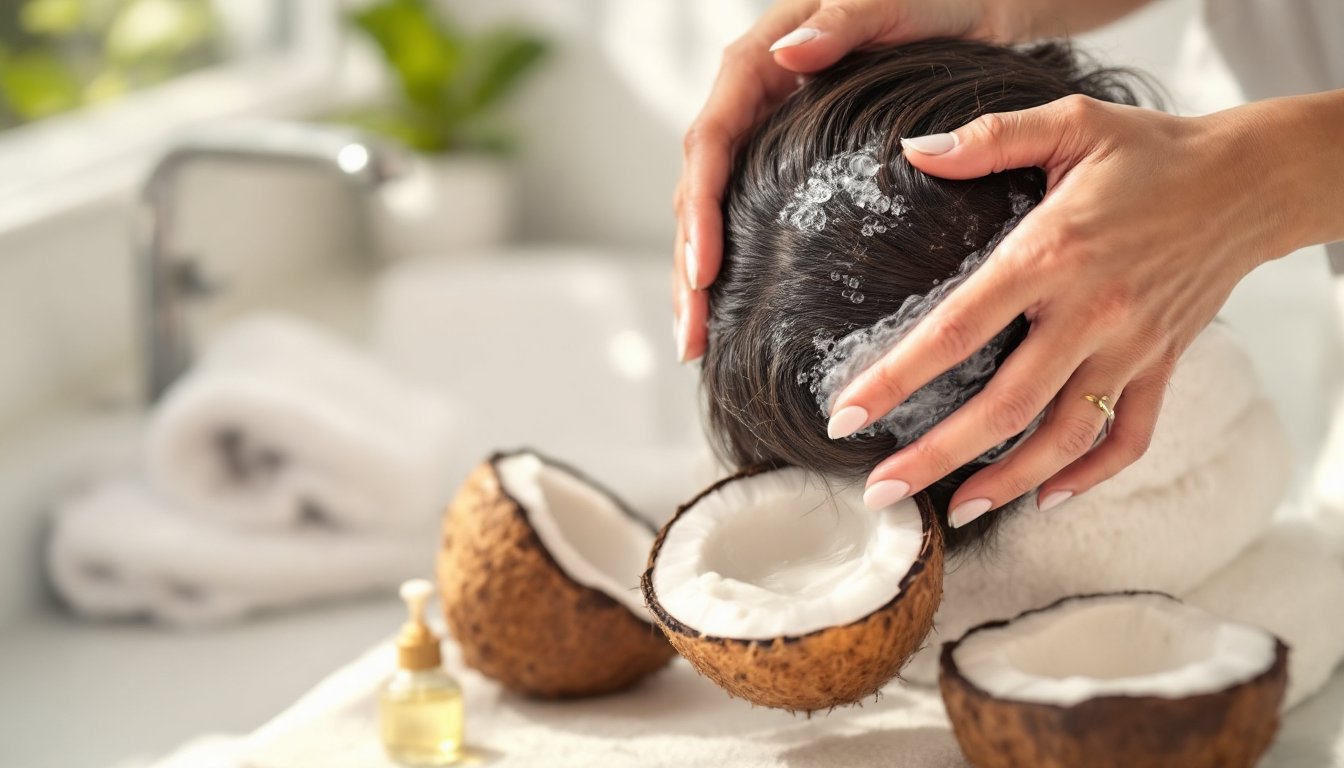
I lean on these two oils constantly because they each bring distinct qualities that directly counterbalance the dosha patterns behind dandruff.
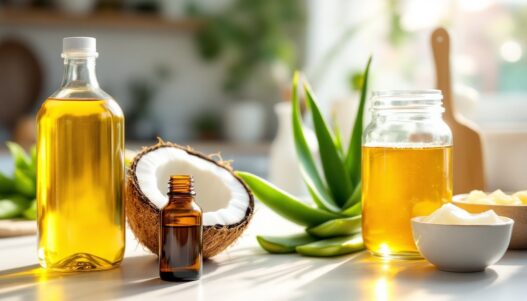
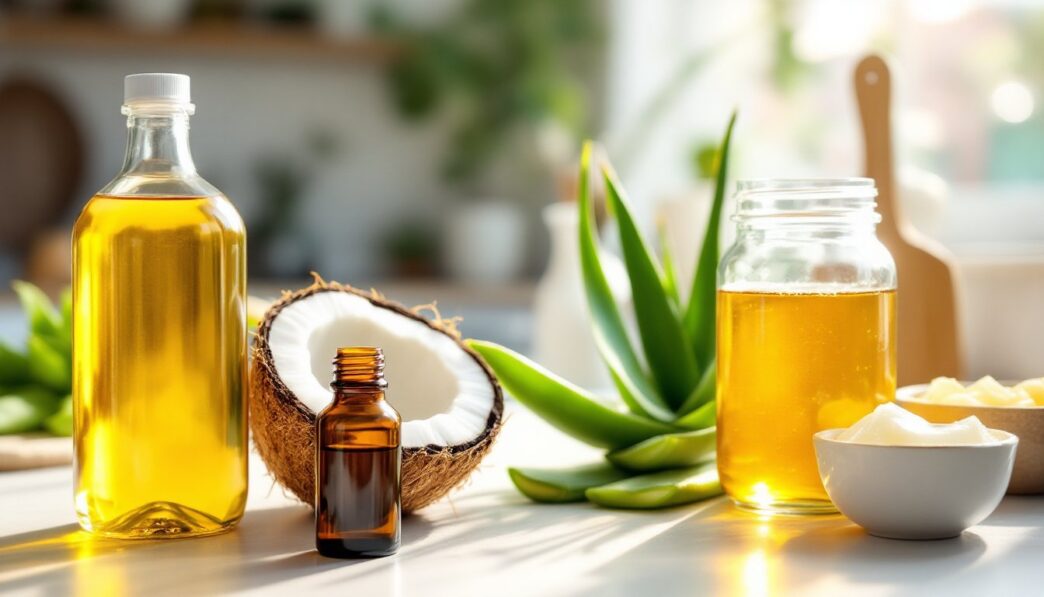
Coconut oil is cool, smooth, and heavy in nature. If your scalp runs dry and rough, classic Vata-type dandruff, coconut oil is like a tall glass of water for parched earth. It coats the scalp, softens those flaky patches, and helps settle the mobile, erratic quality of excess Vata. It’s also wonderful for Pitta-type irritation because of its naturally cooling effect. That sharp, hot itch calms down noticeably.
I like to warm a tablespoon of coconut oil gently between my palms, then massage it into the scalp using slow, circular motions. The warmth helps it absorb. The massage itself is grounding, it calms the nervous system and supports prana, that vital energy flowing through your head and neck.
Tea tree oil brings a different set of qualities. It’s light, sharp, and subtly warming. These qualities make it better suited for Kapha-type dandruff, those thick, sticky flakes that cling. Tea tree oil’s lightness cuts through the heavy, dull congestion on the scalp. Its sharp quality helps clear stagnant buildup.
But here’s the key: tea tree oil is potent. You only need 3–5 drops mixed into a carrier oil like coconut or sesame. Never apply it directly to the scalp undiluted.
For Pitta types, go easy on tea tree oil, its warming, sharp nature can aggravate an already inflamed scalp. Stick with plain coconut oil or add a drop of sandalwood oil instead.
This combination supports ojas, that deep resilience in your skin and tissues, by nourishing the scalp at a foundational level rather than stripping it with harsh chemicals.
Do this today: Warm a tablespoon of coconut oil with 3 drops of tea tree oil. Massage into your scalp for 5 minutes before your next wash. Leave it on for 20–30 minutes. Best for Vata and Kapha types. Pitta types, try plain coconut oil first.
Apple Cider Vinegar Rinses and Aloe Vera Treatments
Apple cider vinegar (ACV) and aloe vera are two of the most accessible natural remedies for dandruff, and they each bring qualities that Ayurveda would recognize immediately.
ACV is light, sharp, and slightly warming. When diluted with water and used as a rinse after shampooing, it helps dissolve the sticky, heavy residue that Kapha-type dandruff leaves behind. It also gently clears the subtle channels of the scalp, think of it as helping your scalp tissues “breathe” again. The mild acidity balances the scalp’s surface, which can get thrown off by harsh products.
I mix about two tablespoons of raw ACV into a cup of cool water and pour it over my scalp after washing. I let it sit for a minute or two, then rinse. The smell fades as your hair dries, I promise.
For Pitta types with an already sensitive, hot scalp, ACV can sometimes feel too sharp. If your scalp stings or reddens, this one isn’t for you. Dilute further or skip it entirely.
Aloe vera is the opposite temperament, cool, smooth, oily, and heavy. It’s deeply soothing. If your scalp is inflamed, dry, or irritated, fresh aloe vera gel applied directly calms that sharp Pitta heat and softens Vata’s rough dryness. It supports tejas, that healthy metabolic glow in the skin, by cooling excess heat without making the scalp sluggish.
I scrape the gel from a fresh aloe leaf, apply it to my scalp, and leave it on for about 15 minutes before rinsing. It feels like a cool compress on a hot day.
Together, ACV and aloe vera cover a wide range of dandruff patterns. ACV clears and lightens. Aloe soothes and nourishes.
Do this today: Try an ACV rinse (2 tbsp in 1 cup water) after your next shampoo, or apply fresh aloe vera gel to your scalp for 15 minutes before washing. Takes 5–20 minutes. ACV works well for Kapha types: aloe vera is ideal for Pitta and Vata. Avoid ACV if your scalp is broken or severely irritated.
Dietary Changes That Support a Healthier Scalp
Here’s what I wish someone had told me years ago: dandruff is often a digestion story playing out on your scalp.
In Ayurveda, the health of your skin and hair depends on how well your agni, your digestive fire, transforms food into nourishment. When agni is weak or irregular, food doesn’t get fully processed. That partially digested material becomes ama, a sticky, heavy residue that travels through the body and can settle in the skin tissues.
Ama on the scalp looks like buildup, flaking, and dullness. It blocks the fine channels that deliver nutrients to your hair roots. So while topical remedies help, lasting change comes from feeding your agni well.
A few dietary shifts make a real difference.
Warm, cooked foods are easier to digest than raw, cold ones, especially if your agni tends to be low. Think soups, stews, cooked grains, and sautéed vegetables with a little ghee. These foods carry warm, moist, smooth qualities that directly counter the dry, rough qualities behind Vata-type dandruff.
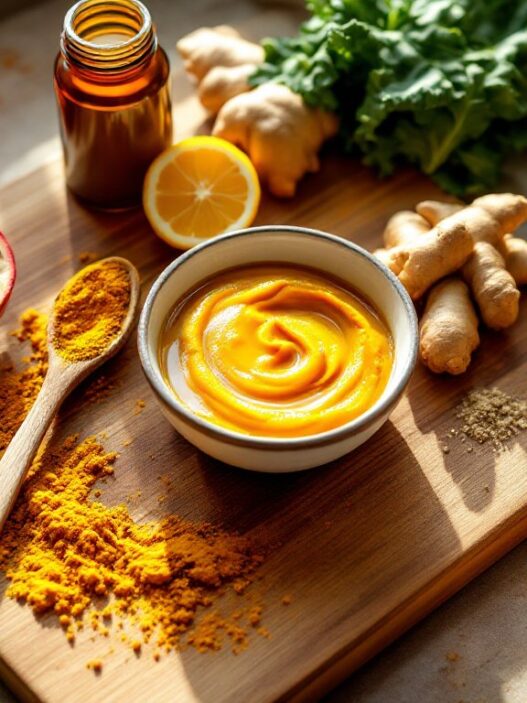
Spices like cumin, coriander, fennel, and fresh ginger are Ayurveda’s digestive allies. They kindle agni gently without overheating it. A simple habit: sip warm water with a thin slice of ginger between meals.
Reduce heavy, fried, and excessively sweet foods, which increase the heavy, oily, dull qualities that feed Kapha-type dandruff. Same goes for very spicy, sour, and fermented foods if your scalp runs hot, those aggravate Pitta’s sharp heat.
Eating your main meal at midday, when digestive fire is naturally strongest, is a timing principle from Ayurveda’s daily rhythm. It gives your body the best chance to fully transform food into healthy tissue, including the tissue that becomes your skin and scalp.
When digestion runs clean, ojas builds, and ojas is what gives your skin its luster, your hair its strength, and your immune system its quiet steadiness.
Do this today: Eat your largest meal at midday and include one digestive spice (cumin, coriander, or ginger). Takes no extra time, just a shift in timing and seasoning. Helpful for all dosha types. If you have acid reflux or a diagnosed digestive condition, work with a practitioner on specifics.
Building a Consistent Anti-Dandruff Hair Care Routine
Consistency matters more than intensity. I’ve seen people try every natural remedy for dandruff in a single week, get overwhelmed, and quit. A simple routine you actually stick with does more than a complicated one you abandon.
Here’s how I think about it through an Ayurvedic lens.
Morning Scalp Massage (Abhyanga for the Head)
One of the most powerful daily habits, part of dinacharya, Ayurveda’s ideal daily rhythm, is a brief scalp oil massage. Even 3–5 minutes before your shower makes a difference. Use warm sesame oil for Vata (it’s heavy, warm, and grounding), coconut oil for Pitta (cool and smooth), or a light application of sunflower oil for Kapha (lighter and less congesting).
This practice calms the nervous system, supports prana flow through the head, and directly nourishes the scalp tissues that produce healthy skin cells. Over time, it reduces both flaking and itching at the root level.
Gentle Washing Rhythm
Washing too often strips natural oils and increases dryness, aggravating Vata. Washing too infrequently lets oily buildup accumulate, feeding Kapha. Finding your rhythm matters. For most people, every 2–3 days works well. Use a mild, natural cleanser. Harsh sulfates disrupt the scalp’s balance.
Evening Wind-Down
Another dinacharya habit: brush or comb your hair gently before bed. This distributes natural oils, removes loose flakes, and is surprisingly calming for the mind. A stable, grounded evening routine helps settle Vata’s mobile, restless quality, and quality sleep is when your body does its deepest repair work, rebuilding ojas overnight.
Seasonal Adjustment (Ritucharya)
Your routine needs to shift with the seasons. In cold, dry winter months, when Vata naturally increases, use heavier oils and wash less frequently. In hot summer months, switch to cooling coconut oil and lighter products. During the damp, heavy spring season, Kapha accumulates, so use lighter oils, wash a bit more often, and consider an ACV rinse weekly to keep things clear. This is ritucharya, adjusting your care to match nature’s rhythm, and it’s one of Ayurveda’s most practical gifts.
Do this today: Pick one habit, morning scalp massage or evening combing, and commit to it for one week. Takes 3–5 minutes. Suitable for all dosha types. If you have a scalp condition being treated medically, check with your provider before adding oils.
When to See a Dermatologist About Persistent Dandruff
I’m a big believer in natural remedies for dandruff, but I also believe in honesty. Sometimes dandruff isn’t just dandruff.
If your flaking is severe, your scalp is very red or swollen, you notice patches of thick scaling, or the itch is intense and unrelenting even though consistent natural care, it’s time to see a dermatologist. Conditions like seborrheic dermatitis, psoriasis, or fungal infections can look like dandruff but need different care.
From an Ayurvedic perspective, these deeper conditions often involve long-standing ama that has settled into the tissues over time, combined with significant dosha imbalance. They benefit from both professional medical evaluation and deeper Ayurvedic consultation, ideally working together.
Also pay attention if your dandruff suddenly changes character. Flakes that were always dry and fine but suddenly become oily and yellowish, or vice versa, can signal a shift worth investigating.
Personalized Guidance: If You’re More Vata, Pitta, or Kapha
If you’re more Vata: Your dandruff likely involves dry, fine, white flakes with a tight, itchy scalp. Favor warm sesame oil massages, warm cooked foods, and a stable daily rhythm. Avoid excessive travel, irregular sleep, and cold, dry environments when possible. The quality you need most is warm, oily, and stable to counter Vata’s cold, dry, mobile nature. Try a 5-minute warm oil scalp massage each morning for a week. Best for Vata-dominant types: skip if you have very oily skin.
If you’re more Pitta: Your scalp probably runs hot, maybe reddish, with yellowish or waxy flakes. The itch can feel sharp and burning. Favor cooling coconut oil, aloe vera treatments, and foods that are sweet, bitter, and cooling. Avoid midday sun exposure on the scalp, very spicy food, and harsh chemical products. The quality you need is cool, smooth, and soft. Try an aloe vera scalp mask for 15 minutes twice a week. Ideal for Pitta types: not the best fit if your scalp is already cold and congested.
If you’re more Kapha: Your flakes tend to be thick, oily, and sticky. The scalp might feel heavy and congested. Favor lighter oils like sunflower, regular ACV rinses, and warm spiced foods that kindle agni. Avoid heavy, oily, sweet foods and oversleeping, which increase Kapha’s dull, heavy qualities. The quality you need is light, warm, and clear. Try a weekly ACV rinse and reduce dairy for two weeks. Great for Kapha-dominant types: not ideal if your scalp is dry and irritated.
Do this today: Identify your dominant pattern from the descriptions above and follow that specific guidance for one full week before adjusting. Takes a few minutes of honest self-reflection. For everyone exploring natural dandruff care. If you’re unsure of your type or have multiple patterns, consider a consultation with an Ayurvedic practitioner.
Conclusion
Dandruff can feel like a small thing, but when it’s persistent, it chips away at your comfort and confidence. What I love about the Ayurvedic approach is that it doesn’t treat your scalp as separate from the rest of you. Those flakes are connected to your digestion, your daily habits, your sleep, the season you’re living in, and the unique way your body is built.
You don’t need to overhaul everything at once. Pick one remedy that resonated, try it for a week, and notice what shifts. That’s how real, lasting change happens, gently, one small step at a time.
I’d love to hear from you. What’s your experience with natural remedies for dandruff? Have you noticed a connection between your digestion or stress levels and your scalp health? Share your story in the comments, your insight might be exactly what someone else needs to hear.