




Why Bruises Form and What Affects Healing Time
At the most basic level, a bruise forms when small blood vessels beneath the skin break open after impact, leaking blood into surrounding tissues. Your body then works to reabsorb that blood and repair the damage. Simple enough. But why do some bruises fade in days while others camp out for weeks?
Ayurveda offers a beautifully layered answer. The health of your rakta dhatu (blood tissue) and mamsa dhatu (muscle tissue) determines how efficiently your body handles that leaked blood. And the intelligence directing the whole cleanup? That’s agni, your metabolic fire.
When agni is strong, your body processes and clears damaged tissue quickly. When it’s sluggish or erratic, residue builds up. Ayurveda calls this undigested residue ama, and it can slow healing, increase dull heaviness around the bruise, and even make the area feel sticky or stagnant under the skin.
Now here’s where your dosha enters the picture.
If you tend toward a Vata constitution, naturally dry, light, and mobile, your blood vessels may be more delicate. Bruises can appear easily and often look darker against thinner skin. The dryness and roughness associated with excess Vata make tissues less cushioned.
If you run Pitta, you carry more heat and sharpness in your blood. Pitta-type bruises tend to be vivid, red, hot to the touch, maybe even a little inflamed. The sharp quality of aggravated Pitta can intensify the initial damage.
And if Kapha is dominant, you might not bruise as easily thanks to naturally oily, dense tissue. But when you do, the heavy and stable qualities of Kapha mean bruises can linger. Swelling tends to be more pronounced and slower to resolve.
So healing time isn’t random. It’s shaped by your constitution, your digestive strength, and the qualities currently at play in your body.
Do this today: Spend two minutes noticing your bruise’s qualities. Is it hot or cool? Swollen or flat? Dark or faint? This simple observation helps you choose the right remedy. Suitable for everyone, beginners and experienced practitioners alike. Skip this only if the bruise is accompanied by severe pain or unusual symptoms (in which case, see a professional first).
Cold and Heat Therapy: The Essential First Steps

This is where Ayurveda’s principle of “opposites balance” becomes incredibly practical.
In the first 24 to 48 hours after a bruise forms, the area is typically hot, sharp, and mobile, blood is actively spreading, inflammation is rising. The intelligent response? Apply cool, stable, and heavy qualities to counter the process. A cold compress does exactly that. It constricts blood vessels, slows the spread, and calms Pitta’s heat.
I like to wrap a few ice cubes in a soft cloth and hold it gently against the area for about 10 minutes. Nothing aggressive, just a calm, cooling invitation for the body to slow down the leaking.
After 48 hours, the game changes. The initial sharp, hot phase gives way to something more stagnant. Blood has pooled. The area may feel dull, heavy, or congested. Now you’re dealing with Kapha-like qualities, and warmth becomes your ally.
A warm compress, even a cloth soaked in warm water, introduces light, mobile, and penetrating qualities. This encourages circulation, helping your body reabsorb the pooled blood. Adding a drop of sesame oil to the warm cloth amplifies the effect, since sesame is warming and penetrating by nature.
Here’s what many people miss: using heat too early can worsen swelling because you’re adding hot to hot. And using cold too late can further stagnate what’s already stuck. Timing matters deeply in Ayurveda, and this is a perfect example.
This approach also supports prana, that vital life force flowing through your tissues. When circulation is stuck, prana can’t move freely. Alternating therapies at the right time keeps prana flowing and supports the nervous system’s own healing signals.
Do this today: For a fresh bruise (under 48 hours), apply a cool cloth for 10 minutes, three times a day. After 48 hours, switch to a warm sesame oil compress for 10 to 15 minutes. This works for all constitution types. Avoid heat therapy if the area is still visibly inflamed or hot to the touch.
Arnica, Bromelain, and Other Herbal Remedies That Work
Herbs are where Ayurveda really sings when it comes to natural remedies for bruising.
Let me start with arnica, because it’s the one most people have heard of. Arnica is cool, light, and penetrating, qualities that make it wonderful for calming the initial hot, sharp inflammation of a fresh bruise. Applied as a topical cream or gel, it helps reduce swelling and ease tenderness. In Ayurvedic terms, it pacifies excess Pitta in the blood tissue without being so cold that it stagnates Kapha.
Then there’s bromelain, an enzyme found in pineapple stems. Bromelain is sharp and light, it helps break down the proteins involved in inflammation and supports your body’s ability to clear the pooled blood. Think of it as a gentle fire that helps digest the ama sitting in the bruised tissue. Many people take it as a supplement, and research does support its role in reducing bruise severity.
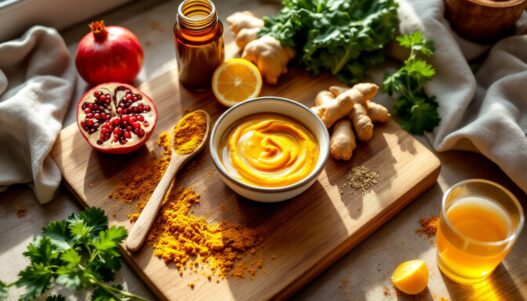
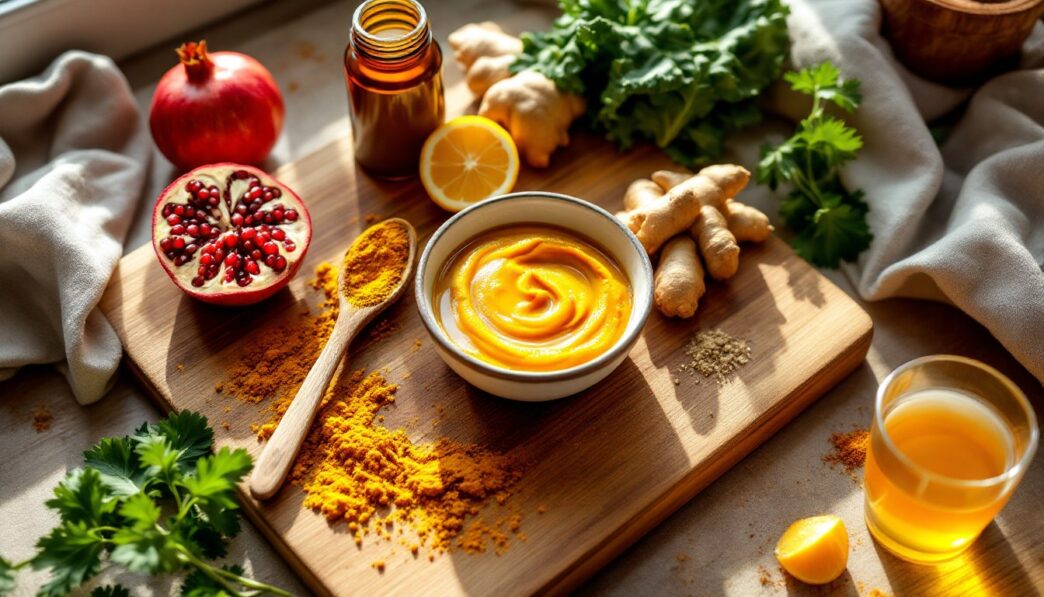
From the Ayurvedic pharmacy, I’m especially fond of turmeric. This golden root is warm, light, dry, and sharp, a powerful combination for clearing stagnation and supporting tejas, that inner metabolic spark that governs tissue transformation. Mixing a pinch of turmeric powder with a little warm coconut oil and applying it as a paste can work wonders on a bruise that’s entered the stagnant phase.
Manjistha (Indian madder) is another gem. It’s one of Ayurveda’s finest blood-purifying herbs, cool, bitter, and astringent. It supports rakta dhatu directly and helps the body process and clear old, congested blood. I sometimes drink it as a mild tea during recovery.
And don’t overlook aloe vera gel, which is cool, smooth, and oily, the perfect antidote for a bruise that feels rough, dry, or irritated. It soothes the skin while gently supporting tissue repair.
One important note: herbs work best when agni is functioning well. If your digestion is weak, maybe you’re feeling bloated, foggy, or heavy after meals, the herbs won’t be absorbed efficiently. Tending to your digestion is always the first step.
Do this today: Apply arnica gel to a fresh bruise twice daily for the first two days, then switch to a turmeric-coconut oil paste for deeper, older bruises. Takes about 5 minutes. Suitable for most adults. Avoid turmeric paste on broken skin, and if you’re taking blood thinners, consult a professional before using bromelain supplements.
Vitamins and Dietary Changes to Support Recovery
What you eat shapes the terrain your body heals in. Ayurveda has always understood this, food is considered the first medicine, and your daily diet directly feeds every layer of tissue, from skin to bone to the subtle essence of ojas.
Ojas is your deep reserve of vitality and resilience. When ojas is strong, you recover faster. Wounds close. Bruises fade. Your immune intelligence hums along. When ojas is depleted, from stress, poor sleep, processed food, or chronic illness, even a small bruise can take forever to heal.
So let’s talk about building the kind of internal environment where bruises don’t overstay their welcome.
Nourishing Your Blood Tissue
Rakta dhatu, your blood tissue, needs specific nourishment. Foods that are naturally rich in iron, vitamin C, and bioflavonoids support strong, flexible blood vessels and efficient clotting. Dark leafy greens, beets, pomegranates, amla (Indian gooseberry), and citrus fruits are all wonderful here.
Amla deserves a special mention. It’s one of the richest natural sources of vitamin C and is revered in Ayurveda for its ability to nourish all tissues without aggravating any dosha. It’s cool, light, and mildly astringent, supporting both Pitta balance and blood quality.
Vitamin K also plays a role in healthy clotting. You’ll find it in green leafy vegetables, broccoli, and fermented foods. In Ayurvedic terms, these foods carry the bitter and astringent tastes that help tighten and tone blood vessels.
Supporting Agni Through Diet
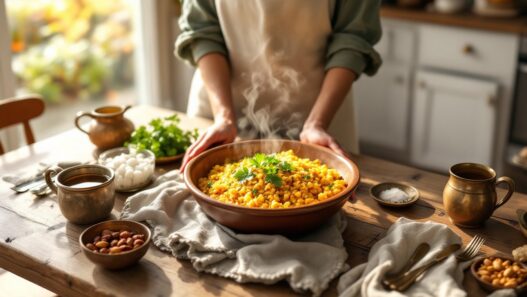
Remember, even the best nutrients won’t help if your digestive fire can’t process them. Eating your largest meal at midday, when agni is naturally at its peak, mirroring the sun’s position, is one of the simplest and most effective Ayurvedic practices. A warm, cooked lunch with gentle spices like cumin, coriander, fennel, and fresh ginger keeps agni bright without overheating it.
Avoid ice-cold drinks with meals, which douse the digestive fire. And try not to eat when you’re stressed or rushing, emotional turbulence scatters Vata and weakens agni.
Dosha-Specific Dietary Tips
If you’re more Vata, favor warm, oily, grounding foods. Ghee-cooked vegetables, stews, and ripe fruits help counteract the dry, rough qualities that weaken your blood vessels. Consider a small cup of warm milk with a pinch of turmeric and nutmeg before bed, it’s deeply nourishing for ojas.
If you’re more Pitta, lean toward cooling, slightly bitter foods. Cucumber, coconut water, cilantro, and sweet fruits help calm the heat that makes your bruises so vivid. Avoid excess spicy, sour, or fermented foods during healing, they add fire to an already hot situation.
If you’re more Kapha, choose lighter, drier, warming foods. Lightly spiced soups, steamed vegetables, and pungent herbs like black pepper and ginger help move the heavy stagnation that slows your healing. Go easy on dairy, wheat, and sugary foods, which increase the heavy, dense qualities you’re already working against.
Do this today: Add one ojas-building food to your next meal, amla, pomegranate, or cooked beets are great starting points. Takes no extra time if you’re already cooking. Suitable for all types. Those with specific dietary restrictions or conditions affecting blood clotting can adjust with a practitioner’s guidance.
When a Bruise Signals Something More Serious
I want to be honest with you here, because natural remedies for bruising are wonderful, but they have limits.
Most bruises are harmless. They’re the body’s normal response to impact, and with a little care, they fade on their own. But sometimes, a bruise is telling you something deeper.
In Ayurveda, unexplained or frequent bruising can point to a significant imbalance in rakta dhatu or a deeper depletion of ojas. If your tissues aren’t being properly nourished, if agni has been weak for a long time, if ama has accumulated in the blood, bruising can become chronic. The body is signaling that it doesn’t have the resources to maintain strong, resilient vessels.
From a modern perspective, frequent unexplained bruising can sometimes indicate nutritional deficiencies (especially vitamin C, vitamin K, or iron), blood clotting disorders, liver issues, or side effects from certain medications like blood thinners or corticosteroids.
Pay attention if you notice bruises appearing without any remembered injury, bruises that are unusually large or painful, bruises accompanied by bleeding gums or nosebleeds, or a bruise that hasn’t improved at all after two weeks.
These signs deserve professional attention, both from a healthcare provider and, if you’re drawn to Ayurveda, from a qualified practitioner who can assess your constitution, tissue health, and agni more deeply.
I believe deeply in the intelligence of natural healing. And part of that intelligence is knowing when to seek help beyond home remedies.
Do this today: If you have a bruise that concerns you, write down when it appeared, how it’s changed, and any other symptoms you’ve noticed. This takes 5 minutes and gives any practitioner, Ayurvedic or conventional, a clearer picture. Appropriate for everyone. Don’t delay if symptoms are severe or worsening.
Conclusion
A bruise might seem like the smallest thing, a mark on the skin, a minor inconvenience. But when you start looking at it through Ayurveda’s eyes, it becomes a doorway into understanding your own body more deeply. Your constitution, your digestive fire, the qualities running through your tissues, they’re all speaking to you, even through something as ordinary as a bruise.
The natural remedies I’ve shared here aren’t complicated. A cool compress at the right time. A turmeric paste. A pomegranate with lunch. Paying attention to your dosha. These small, grounded steps can genuinely reduce swelling and speed healing, not by forcing anything, but by working with your body’s own intelligence.
I’d love to hear what’s worked for you. Have you tried any of these approaches? Do you notice your bruises behaving differently with the seasons or with changes in your diet? Share your experience in the comments, your insight might be exactly what someone else needs to hear.