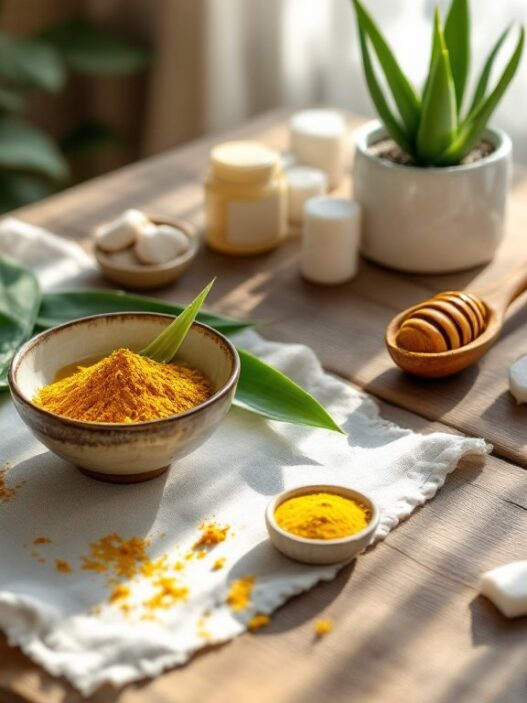








Why Sunburned Skin Needs Gentle, Natural Care
From an Ayurvedic standpoint, sunburn is a textbook case of Pitta aggravation. Pitta dosha governs heat, transformation, and metabolic activity in the body, and the sun is one of its most powerful external triggers. When you’re overexposed, that sharp, hot, light quality of the sun drives excess Pitta deep into the skin tissue (called rakta dhatu in Ayurveda, the blood and skin layer). The result? Redness, inflammation, burning sensation, and sometimes even blistering.
But here’s what most people miss: sunburn doesn’t just affect Pitta types. If you tend toward Vata, with naturally dry, thin, or delicate skin, the sun’s drying and mobile qualities can strip away your skin’s already-limited moisture barrier, leaving you rough, flaky, and painfully tight. Kapha types, who often have thicker, oilier skin, may tolerate sun longer, but when they do burn, the heaviness and sluggishness of recovery can linger for days because Kapha’s slow, stable nature means the body takes its time moving that excess heat out.
So the qualities at play here are hot, sharp, light, dry, and mobile, all intensified by the sun. The Ayurvedic correction is elegantly simple: apply the opposite. You need cool, soft, heavy (grounding), oily, and stable qualities to draw the fire out and let your skin breathe again.
That’s why gentle, natural care matters so much. Harsh chemical-laden products can add more sharpness and penetration to skin that’s already overwhelmed. Your skin’s own metabolic intelligence, its local agni, is working overtime to repair damaged cells. Piling on synthetic ingredients can confuse that process rather than support it.
Do this today: Before reaching for any product, pause and feel the quality of your burn, is it mostly hot and red, or dry and tight, or swollen and slow to change? That observation alone helps you choose the right remedy. Takes about 30 seconds. Good for everyone, regardless of dosha.
Aloe Vera and Cool Compresses: First-Line Soothing Strategies
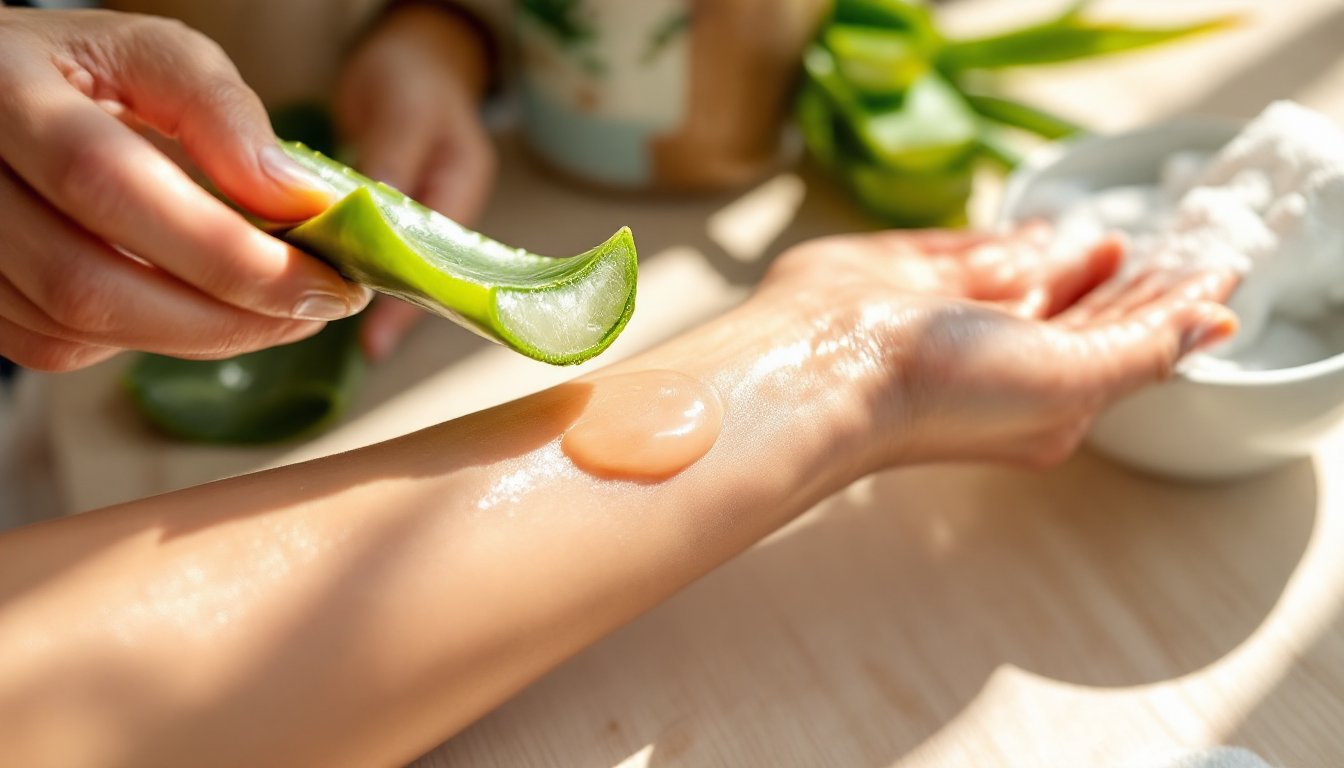
When your skin is on fire, the very first thing your body is asking for is cooling relief. This is where aloe vera and cool compresses come in, and from an Ayurvedic perspective, they’re not just folk remedies. They’re precise applications of the “opposites balance” principle.
Aloe vera is cool, smooth, oily, and heavy in its qualities. That’s almost a mirror opposite of sunburn’s hot, rough, dry, and light nature. When you apply fresh aloe gel to burned skin, you’re directly pacifying aggravated Pitta. The cooling quality reduces the burning sensation. The smooth, oily nature begins restoring the moisture barrier that the sun stripped away. And the slightly heavy quality helps ground and stabilize the tissue so it can begin rebuilding.
I prefer using fresh aloe straight from the leaf when possible, you slice it open, scoop out the gel, and apply it directly. Store-bought aloe works too, but look for versions without alcohol or fragrance, which add drying and sharp qualities you definitely don’t need right now.
Cool compresses work on the same principle. A soft cloth soaked in cool (not ice-cold) water and placed on the burned area draws heat out gently. In Ayurveda, this relates to how we manage Pitta in the blood tissue, you’re literally pulling excess thermal energy toward the surface and allowing it to dissipate. Ice might seem tempting, but it’s too sharp and intense. It can shock the skin and actually constrict blood flow, slowing the very healing process you’re trying to support.
What’s happening inside during this stage is important too. Your skin’s local digestive intelligence, its tissue-level agni, is trying to process the damage. When agni is overwhelmed by too much heat, it can’t metabolize efficiently, and unprocessed residue (ama) starts to build. You might notice this as that sticky, tender, slightly swollen feeling the day after a bad burn. Cooling the surface helps agni recover its rhythm.
Do this today: Apply fresh or pure aloe vera gel to sunburned areas every two to three hours. Between applications, use a cool compress for 10 to 15 minutes. Best for Pitta and Vata types especially. If you have very sensitive or broken skin, test a small patch of aloe first.
Oatmeal Baths and Coconut Oil for Deep Skin Comfort
Once you’ve handled the initial heat, the next layer of natural sunburn relief involves deeper nourishment, and this is where oatmeal baths and coconut oil really shine.
An oatmeal bath might sound like a grandmother’s remedy, and honestly, that’s part of why I trust it. Colloidal oatmeal (just finely ground oats dissolved in lukewarm water) has qualities that Ayurveda would describe as smooth, cool, heavy, and stable. When you soak in it, those qualities directly counter the rough, hot, light, and mobile energy of a Pitta-aggravated burn. The oatmeal creates a gentle film over the skin that soothes irritation and reduces that maddening itch that often shows up as the burn starts to heal.
The bath itself is therapeutic in another way. Lukewarm water, not hot, not cold, supports your body’s overall thermoregulation without creating any new imbalance. You’re giving your system a chance to recalibrate. I find that 15 to 20 minutes in an oatmeal bath, especially in the late afternoon or early evening (Pitta time of day, when heat naturally accumulates), can make a noticeable difference in comfort.
After the bath, while your skin is still slightly damp, that’s the ideal moment for coconut oil. Coconut oil is one of Ayurveda’s most beloved Pitta-pacifying oils. It’s cool, smooth, oily, and slow in its qualities, perfect for replenishing the lipid barrier that sunburn destroys. A thin layer helps lock in moisture and gives the skin tissue the nourishment it needs to rebuild.
This step matters for your vitality triad too. When skin tissue is damaged and depleted, it draws on your deeper reserves. Ojas, that quiet, foundational resilience your body holds, gets taxed by significant burns. Coconut oil, applied externally and even taken internally in small amounts, is considered an ojas-building substance. You’re not just moisturizing. You’re feeding your body’s deepest layer of strength.
Do this today: Draw a lukewarm bath, stir in one cup of finely ground oats, and soak for 15 to 20 minutes. Pat dry gently, don’t rub, and apply a thin layer of organic virgin coconut oil. Takes about 30 minutes total. Wonderful for all dosha types, especially soothing for Vata’s dryness and Pitta’s heat. If you have a coconut allergy, skip the oil and use pure aloe instead.
Hydration, Nutrition, and Internal Support for Healing
Here’s something I think gets overlooked in most sunburn advice: what’s happening on the surface is also happening inside. Your body doesn’t treat a burn as just a skin event. It’s a full-system response.
From an Ayurvedic view, excess heat in the skin means there’s likely excess heat moving through your blood tissue and potentially into your liver, the seat of Pitta’s metabolic fire. When that internal fire (agni) gets pushed too high by external heat, it can start burning through nutrients too quickly, leaving behind metabolic residue (ama). Signs of this? You might feel unusually irritable, have looser digestion, experience a dull headache, or notice your appetite disappear entirely. Those are all signals that Pitta’s sharp, hot qualities have moved beyond the skin.
So internal cooling becomes just as important as what you put on the burn.
Hydration is the obvious starting point, but I’d encourage you to think beyond plain water. Room-temperature water infused with cucumber, fresh mint, or a squeeze of lime is far more Pitta-pacifying than ice water (which, again, is too sharp and can dampen agni). Coconut water is another wonderful option, it’s naturally cooling, sweet, and replenishing.
Food matters too. Favor sweet, bitter, and astringent tastes, which are the three that calm Pitta. Think fresh melon, leafy greens, cilantro, fennel, cucumber, and ripe sweet fruits. Avoid spicy food, fermented foods, alcohol, and anything fried for a few days, these all add more heat and sharpness to a system that’s already overloaded.
This is also where tejas and prana come in. Tejas is your metabolic clarity, the refined spark that helps your body intelligently direct healing where it’s needed. When Pitta is aggravated, tejas can tip into excess, creating that wired-but-depleted feeling. Cooling, nourishing foods help bring tejas back into balance. Prana, your life force and nervous system steadiness, gets disrupted when you’re in pain and not sleeping well. Staying hydrated, eating gently, and resting supports prana’s recovery.
Do this today: Sip room-temperature water with mint or cucumber throughout the day, aim for small, frequent sips rather than gulping large amounts. Have at least one meal that’s cooling and simple: rice with steamed greens, a ripe pear, some coconut. Takes no extra time, just intentional choices. Good for everyone. If you have blood sugar concerns, adjust fruit and sweet intake accordingly.
Common Mistakes That Slow Sunburn Recovery
I’ve made more than a few of these myself over the years, so no judgment here, just honest observations about what tends to backfire.
Mistake 1: Using Hot Showers or Harsh Soaps
A hot shower after a sunburn feels like adding insult to injury, and Ayurvedically, that’s exactly what it is. You’re layering more hot, sharp, mobile energy onto tissue that’s already inflamed. Harsh soaps strip the skin’s natural oils, the very oils your body is trying to produce to repair the damage. Stick to lukewarm water and the gentlest cleanser you have, or skip soap entirely on the burned areas.
Mistake 2: Applying Petroleum-Based Products
Petroleum jelly and many conventional lotions create a seal over the skin that traps heat. In Ayurvedic terms, you’re blocking the natural movement of excess Pitta out of the tissue. The hot quality has nowhere to go. This can actually intensify the burning sensation and delay healing. Choose breathable, cooling oils like coconut oil or pure aloe instead.
Mistake 3: Peeling or Scrubbing Damaged Skin
I know it’s tempting. But peeling skin is your body’s natural process of shedding damaged cells so new tissue can emerge underneath. When you force this process, scrubbing, exfoliating, or picking, you’re introducing rough and sharp qualities into an area that desperately needs smooth and gentle attention. You also risk creating openings for infection and disrupting the delicate tissue-level agni that’s rebuilding your skin layer by layer.
Mistake 4: Ignoring Rest and Sleep
Sunburn recovery happens mostly while you rest. Sleep is when your body channels energy into tissue repair, and in Ayurveda, the Pitta time of night (10 PM to 2 AM) is specifically when the body does its deepest metabolic housekeeping. If you’re staying up late, you’re shortchanging that healing window. Try getting to bed before 10 PM during recovery, even a few nights of earlier sleep can make a meaningful difference.
Personalizing Your Recovery: If You’re More Vata, Pitta, or Kapha
If you’re more Vata, your biggest challenge will be dryness and anxiety about the damage. Your skin may feel tight, crackly, and rough as it heals. Favor heavier, oilier applications, sesame oil mixed with a drop of lavender can be wonderful once the acute heat has passed. Eat warm, grounding, well-cooked meals with healthy fats. Avoid skipping meals and try not to overthink the healing process. Take 5 minutes in the evening for slow, deep breathing to calm your nervous system. Best for thin, dry, or anxiety-prone constitutions. Skip the sesame oil if the burn is still very hot, wait until the redness subsides.
If you’re more Pitta, you likely burned faster and more intensely. The heat may be making you irritable and restless. Double down on cooling: aloe, coconut oil, cucumber water, mint tea. Avoid direct sun completely for several days. Skip sour and spicy foods, and take a 10-minute evening walk in cool air to let the day’s accumulated heat release. Takes minimal effort, big payoff. This guidance is especially important if you run hot by nature. If your burn is blistering or covers a large area, consult a healthcare provider.
If you’re more Kapha, your skin may recover slowly. The heaviness and stability of your constitution means the body takes a measured approach to healing, which can feel frustrating. Support the process by keeping the skin clean and lightly moisturized (don’t over-oil, which adds too much heaviness). Eat lighter meals with gentle spices like turmeric and ginger to keep your internal agni engaged without adding more heat. A gentle 10-minute morning walk helps move stagnant energy. Best for those who feel sluggish or notice slow healing. Skip intense exercise until the skin feels comfortable.
Two Daily Habits to Support Sunburn Recovery
Morning habit: Before breakfast, drink a glass of room-temperature water with a thin slice of cucumber and a few fresh mint leaves. This gently stokes your digestive fire while keeping Pitta cool. It takes about 2 minutes to prepare and sets a calming tone for your whole day.
Evening habit: About an hour before bed, apply a thin layer of cooling oil (coconut for Pitta and Vata, or a light application of sunflower oil for Kapha) to the burned areas. Then do 5 minutes of slow, relaxed breathing, inhale for 4 counts, exhale for 6. This activates your body’s rest-and-repair mode right before the Pitta healing window of the night. Good for all types.
Seasonal Wisdom for Sun Exposure
In summer, the season of naturally high Pitta, your skin is already carrying more heat than usual. This means it takes less sun exposure to tip into a burn than it would in cooler months. Ayurveda’s seasonal routine (ritucharya) recommends reducing time outdoors during the midday Pitta hours (10 AM to 2 PM) in summer, favoring cooling foods daily (not just after a burn), and wearing light, loose, natural-fiber clothing that lets the skin breathe. If you do spend time in the sun during autumn or spring, when the air is drier or more variable, pay extra attention to moisturizing and hydrating afterward, since Vata’s dry, mobile qualities are stronger in those seasons and can complicate healing.
Do this today: Look at your schedule for the week and identify one outdoor activity you can shift away from peak midday hours. Takes 2 minutes of planning. Helpful for everyone, especially those who burn easily.
Conclusion
Sunburn is uncomfortable, sometimes painful, and always a reminder to pay closer attention to what our body is telling us. But it’s also an opportunity. An opportunity to slow down, nourish yourself with intention, and let your body’s own intelligence, its agni, its ojas, its deep capacity for repair, do what it does remarkably well when given the right support.
The remedies here aren’t complicated. Aloe vera, cool compresses, oatmeal baths, coconut oil, hydrating foods, and a little extra rest. What makes them powerful is understanding why they work, that they’re not random folk tips, but precise applications of balancing qualities against the excess heat your skin is carrying.
Be gentle with yourself. Healing takes time, and your body is already doing the hard work.
I’d love to hear from you, what’s your go-to remedy when you’ve had too much sun? Drop a thought in the comments, and if this was helpful, consider sharing it with someone who could use a little cooling relief right now.
This is general education, not medical advice. If you’re pregnant, managing a condition, or taking medication, check with a qualified professional.