







Why Your Muscles Get Sore After Workouts and Everyday Activity
From an Ayurvedic perspective, muscle soreness isn’t random. It’s your body telling you that something in your internal environment has shifted, and the shift almost always involves the doshas and the qualities they carry.
When you exercise intensely or push through a long, physically demanding day, you increase mobile, light, dry, and rough qualities in the body. These are hallmarks of Vata dosha, the principle of movement. A little Vata increase is normal after exertion. But when you don’t recover properly, Vata accumulates in the muscles and joints, bringing stiffness, aching, and that deep fatigue that lingers.
Pitta plays a role too. Intense effort generates heat, sharp, hot qualities that can create localized inflammation, the kind that makes muscles feel tender or slightly swollen after a tough session. If you’re someone who runs warm and pushes hard, you might notice this more.
Kapha types experience soreness differently. Their tissues tend to hold heavy, dull, cool qualities, so recovery can feel sluggish. The soreness may not be sharp, but it sticks around, paired with a sense of heaviness or lethargy that makes it hard to get moving again.
Now here’s the piece that ties it all together: when Vata dries out muscle tissue and Pitta heats it up, the body’s metabolic intelligence, called Agni, can struggle to clear the metabolic byproducts of exertion. Those incompletely processed residues are what Ayurveda calls Ama. Think of ama as a sticky, dull coating that clogs channels and slows repair. Signs of ama in sore muscles include stiffness that’s worst in the morning, a heavy or coated tongue, and soreness that doesn’t improve with simple rest.
When ama lingers and agni stays low, it depletes your deeper vitality reserves, your Ojas (resilience and immunity), Tejas (the metabolic spark that drives tissue repair), and Prana (life energy and nervous system steadiness). That’s why chronic soreness can leave you feeling not just achy, but genuinely drained.
Do this today: Notice which qualities describe your soreness, is it dry and stiff (Vata), hot and sharp (Pitta), or heavy and dull (Kapha)? Spend two minutes just paying attention. This works for anyone, anytime.
Heat, Cold, and Contrast Therapy for Muscle Relief

One of Ayurveda’s most foundational ideas is beautifully simple: like increases like, and opposites bring balance. This is the engine behind every remedy for sore muscles that actually works long-term.
If your soreness carries dry, rough, cold qualities, the classic Vata pattern, then warmth and moisture are your friends. A warm sesame oil self-massage (called abhyanga) before a hot bath introduces oily, smooth, warm qualities directly into the tissues. The oil penetrates, the heat improves circulation, and the nervous system calms down. I’ve found that even ten minutes of warm oil on my legs after a long run changes the next morning dramatically.
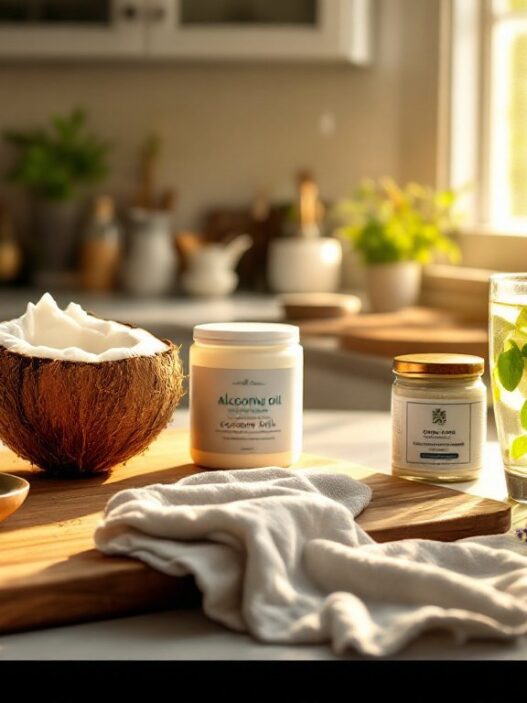
If there’s more of a Pitta pattern, hot, sharp soreness with visible redness or a burning sensation, cool application brings relief. A cool (not ice-cold) cloth with a little coconut oil, which naturally carries cooling qualities, can soothe inflamed tissue without shocking the system. Ayurveda tends to be gentler than the “ice bath” approach here, because extreme cold can aggravate Vata and cause the muscles to seize up.
Contrast therapy, alternating warm and cool, can be helpful when both Vata and Pitta are involved. Warm application opens channels and brings nourishment: brief cool application calms the heat. The key is to always finish with warmth so you don’t leave the tissues in a contracted, cold state.
For Kapha-type soreness, that heavy, dull, stable aching, dry heat works better than moist heat. A warm mustard oil rub, which carries sharp and warming qualities, can cut through the heaviness and get things moving again.
Do this today: Try a 15-minute warm sesame oil self-massage on your sorest areas before a bath or shower tonight. Best for Vata-type stiffness and general post-exercise recovery. If your soreness is hot and inflamed, use coconut oil at room temperature instead. Takes about 20 minutes total.
Movement-Based Recovery: Stretching, Foam Rolling, and Light Exercise
I know it seems counterintuitive, you’re sore, so why move more? But in Ayurveda, stagnation is one of the primary drivers of lingering pain. When Vata increases and ama accumulates, the body’s channels (called srotas) get sluggish. Gentle movement reopens those channels.
The trick is matching the quality of your movement to what your body needs.
If you’re dealing with dry, rough, mobile Vata-type soreness, the kind that makes you feel scattered and achy all over, slow, grounding movement is the remedy. Think gentle stretching held for longer durations, where you breathe into the stretch rather than pushing through it. This introduces stable, smooth qualities that directly counter Vata’s restlessness.
Foam rolling works on a similar principle. By applying steady, moderate pressure, you’re essentially doing a form of self-massage that brings warmth and circulation to congested tissue. I like to think of it as manually encouraging agni, metabolic warmth, into areas where ama has settled. Roll slowly. Rushed, aggressive foam rolling just adds more Vata.
Light exercise like walking, swimming, or easy cycling keeps Prana, your life energy, flowing without generating more heat or depletion. This is especially relevant after intense workouts, when your system has already spent a lot of its metabolic fire and doesn’t need more demand.
For Kapha-type heaviness, slightly more vigorous movement actually helps. A brisk walk or dynamic stretching introduces the light and mobile qualities that Kapha needs to shake off stagnation. But don’t overdo it, the goal is to kindle agni gently, not exhaust it.
Do this today: Choose 10 minutes of slow, breath-led stretching if you’re stiff and achy (Vata), or 10 minutes of brisk walking if you feel heavy and sluggish (Kapha). Not ideal if you have acute inflammation or injury, rest is better in that case.
Nutrition and Hydration Strategies That Speed Up Muscle Recovery
In Ayurveda, food isn’t just fuel, it’s medicine. And how well you digest that food matters more than what’s on the plate. This is where Agni takes center stage.
After physical exertion, your digestive fire is often depleted. If you slam down a heavy protein shake or a cold smoothie right after a workout, you’re asking weakened agni to process dense, cold, heavy food. The result? More ama, not less. And ama in the context of muscle recovery means slower repair, more stiffness, and that lingering fatigue that won’t quit.
Instead, consider starting your post-exercise nutrition with something warm, light, and easy to digest. A bowl of well-cooked rice with a little ghee and turmeric is one of my favorites. The rice provides gentle nourishment, the ghee carries oily, smooth qualities that lubricate dried-out tissues, and turmeric brings a mild warmth that supports agni without creating excess heat.
Warm water with a pinch of ginger throughout the day helps keep ama from accumulating. Ginger is one of Ayurveda’s most valued herbs precisely because it kindles agni, that metabolic spark, or Tejas, without being overly heating for most people.
Hydration matters, but cold water can dampen digestive fire. Room temperature or warm water, sipped throughout the day rather than gulped, supports both digestion and tissue hydration.
For deeper tissue nourishment, the kind that rebuilds Ojas, your deep resilience reserve, foods like almonds (soaked and peeled), warm milk with a pinch of nutmeg, dates, and well-cooked root vegetables are excellent. These foods are heavy and sweet in quality, which directly nourishes muscle tissue in Ayurveda’s framework.
Timing also matters. Eating your largest meal at midday, when agni is naturally strongest (aligned with the sun’s peak), means better digestion, less ama, and faster recovery.
Do this today: Have a warm, simple meal within an hour of your next workout, cooked grains, a little ghee, some cooked vegetables. Sip warm ginger water throughout the afternoon. Takes just a few extra minutes of preparation. Works for all constitutions, though Kapha types can go lighter on the ghee.
Rest, Sleep, and Stress Management for Lasting Relief
Here’s something I had to learn the hard way: recovery doesn’t happen during the workout. It happens when you rest. And not just any rest, the quality of your rest determines how quickly your muscles bounce back.
In Ayurveda, sleep is when your body does its deepest repair work. During the Kapha time of night (roughly 6–10 PM), the body naturally becomes heavy, stable, and cool, perfect conditions for winding down. If you consistently miss this window and stay up past 10 PM, you enter the Pitta time of night, when metabolic activity ramps up again. Your body uses that energy for mental processing instead of tissue repair. This is why night owls often wake up still sore.
Try getting into bed by 10 PM, even if sleep comes a little later. A warm oil foot massage before bed, just two minutes with sesame oil, calms Vata dramatically and signals your nervous system to shift into repair mode. This is one of my two favorite daily routine habits for muscle recovery, and it’s almost embarrassingly simple.
The second daily habit: a brief morning self-massage with warm oil, even just five minutes on your arms and legs before showering. This practice, abhyanga, is a cornerstone of Dinacharya, Ayurveda’s ideal daily rhythm. It introduces warm, oily, smooth qualities that counter the dryness and roughness left by exertion. Over time, regular abhyanga builds Ojas and strengthens Prana, making you more resilient to physical stress.
Stress management fits here because mental tension directly aggravates Vata. When you’re stressed, your muscles hold that tension, quite literally. Even five minutes of slow, deep breathing (try exhaling longer than you inhale) can shift your nervous system from a mobilized state to a restorative one.
If You’re More Vata
Vata types feel soreness as dry, achy, moving pain, it might shift locations or feel worse with cold and wind. Your recovery priority is warmth, moisture, and regularity. Warm sesame oil massage, cooked warm foods, consistent sleep timing, and avoiding cold or raw meals will help the most. Try to stay warm after workouts rather than sitting in air conditioning. Avoid skipping meals, because Vata’s irregular tendencies can starve your muscles of recovery fuel.
Do this today: Tonight, massage warm sesame oil into your calves and feet for five minutes before bed. Ideal for Vata-predominant people and anyone feeling cold, dry, scattered soreness. Not the best approach if your soreness is hot and inflamed.
If You’re More Pitta
Pitta types tend toward hot, sharp soreness with possible redness or a burning quality. You might also feel irritable when you’re in pain, that’s the Pitta talking. Your priority is cooling without creating stagnation. Coconut oil massage, cooling foods like cucumber and cilantro, and avoiding midday sun exposure after intense exercise help tremendously. Skip the hot tub: a lukewarm bath is better for you. And ease up on competitive intensity, Pitta’s drive to push harder is often the root cause.
Do this today: Apply room-temperature coconut oil to inflamed areas after your next workout. Spend 10 minutes in a cool, shaded space. Best for Pitta-predominant types experiencing warm, sharp soreness. Not ideal for Vata types who need warmth.
If You’re More Kapha
Kapha soreness is heavy, dull, and slow to resolve. You might feel like your muscles are waterlogged rather than damaged. The remedy is introducing light, warm, and mobile qualities. Dry sauna (brief, 10–15 minutes), invigorating self-massage with mustard or sunflower oil, and lighter post-workout meals help clear the heaviness. Movement is especially important for you, gentle but consistent. Avoid napping after exercise, as it increases Kapha’s sluggish qualities.
Do this today: Take a brisk 15-minute walk after your next workout, even if you feel sluggish. Follow it with warm ginger tea. Best for Kapha-predominant types with heavy, dull soreness. Not recommended if you’re dealing with acute injury or exhaustion.
Seasonal Adjustments for Muscle Recovery
Your recovery approach wants to shift with the seasons, following Ritucharya, Ayurveda’s seasonal wisdom. In late fall and winter, when cold, dry, and rough qualities dominate the environment, muscle soreness tends to be worse and more Vata-aggravating. This is the time to increase warm oil massage, favor heavier nourishing foods, and reduce exercise intensity slightly.
In summer’s heat, Pitta-type inflammation in muscles flares more easily. Favor cooling oils, lighter exercise during cooler parts of the day, and hydrating foods like watermelon and coconut water.
In the damp, heavy days of early spring, Kapha accumulates and muscles can feel sluggish. This is when slightly more vigorous movement and warming spices in food, like black pepper and ginger, really shine.
Do this today: Look outside. Is it cold and dry? Add an extra layer of warm oil to your recovery routine. Hot and humid? Shift to coconut oil and lighter meals. Cool and damp? Add ginger to everything. Takes zero extra time, just awareness. Works for everyone.
Why Modern Life Makes Muscle Recovery Harder
There’s an interesting overlap between what Ayurveda identified centuries ago and what modern research confirms. Chronic stress keeps your nervous system in a sympathetic (fight-or-flight) state, which impairs tissue repair, Ayurveda would say this is Vata pushing Prana out of balance. Poor sleep quality reduces growth hormone release, which is essential for muscle recovery, Ayurveda would say depleted Ojas can’t rebuild tissue. And processed, cold, or rushed meals create digestive inefficiency, ama, plain and simple.
The beauty of the Ayurvedic approach is that it addresses all of these simultaneously: calming the nervous system (Prana), supporting digestion (Agni and Tejas), and rebuilding deep vitality (Ojas). That’s why these remedies for sore muscles tend to improve more than just the soreness.
Do this today: Pick one habit, the oil massage, the warm post-workout meal, or the early bedtime, and try it for three days. Notice what shifts. Takes 10–20 minutes. Works for anyone willing to experiment.
Conclusion
Muscle soreness doesn’t have to be something you just push through or wait out. When you understand the qualities behind your discomfort and work with your body’s own intelligence, its digestive fire, its rhythms, its unique constitution, recovery becomes something that actually nourishes you rather than just numbing the ache.
Start small. One warm oil massage. One cooked, gentle meal after exercise. One night of getting to bed a little earlier. These aren’t dramatic changes, but they build on each other in ways that might surprise you.
I’d love to hear what you try first. Drop a comment below or share this with someone who’s been dealing with stubborn soreness, sometimes knowing why your body hurts is the first step toward feeling better.
What does your soreness feel like right now, dry and stiff, hot and sharp, or heavy and dull?