








What Makes Mineral Sunscreen Different From Chemical Sunscreen
The distinction here is pretty straightforward once you know what to look for. Mineral sunscreens (sometimes called physical sunscreens) sit on top of your skin and reflect UV rays away from the surface. Chemical sunscreens, on the other hand, absorb into the skin and convert UV radiation into heat, which your body then releases.
That difference matters more than you might think. Chemical sunscreens rely on active ingredients like oxybenzone, avobenzone, octinoxate, and homosalate, compounds that have raised concerns in recent studies about hormone disruption and environmental impact. Mineral sunscreens use just two active ingredients: zinc oxide and titanium dioxide. That’s it.
The feel is different too. Mineral formulas tend to be thicker and can leave a white cast, especially on deeper skin tones. Chemical sunscreens usually blend in more easily but require about 20 minutes to become effective after application. Mineral sunscreen starts working the moment you put it on.
How Zinc Oxide and Titanium Dioxide Protect Your Skin
Zinc oxide is the broader-spectrum workhorse of the two. It protects against both UVA rays (the ones that age your skin and penetrate deeper) and UVB rays (the ones that burn). Titanium dioxide is strong against UVB and short-wave UVA but doesn’t cover the full UVA spectrum on its own.
This is why the best mineral sunscreens use zinc oxide as their primary active ingredient, sometimes alongside titanium dioxide for added UVB protection. If you see a mineral sunscreen that lists only titanium dioxide, that’s a gap in coverage worth noting.
Both minerals have long safety track records. The FDA has classified zinc oxide and titanium dioxide as “generally recognized as safe and effective” (GRASE), and they’re the only two sunscreen ingredients that currently hold that designation. That tells you something.
Why Greenwashing Is Rampant in the Sunscreen Industry
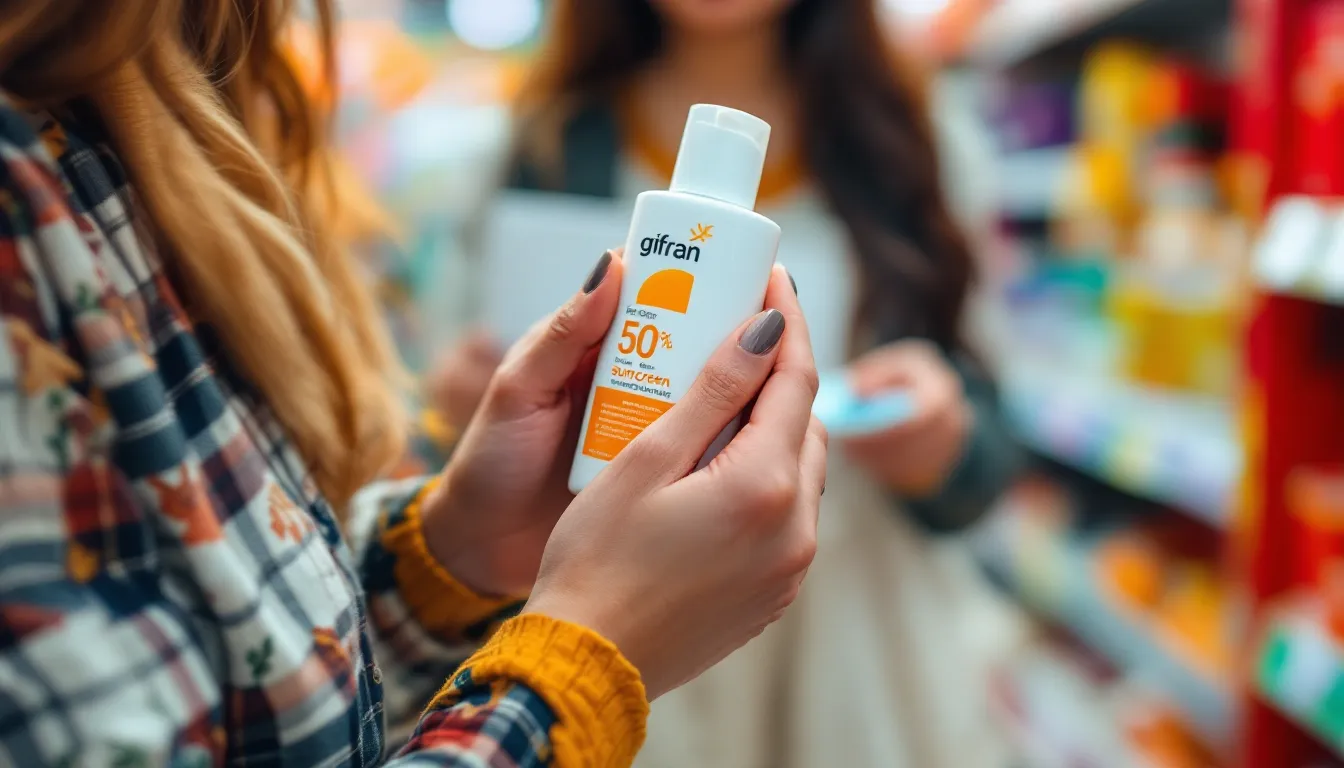
Here’s where things get frustrating. The growing demand for “clean” and “natural” skincare has created a gold rush in the sunscreen market. Brands know that consumers are willing to pay more for products they believe are safer, and some of those brands are more than happy to exploit that willingness.
The sunscreen industry is particularly prone to greenwashing because regulation around marketing terms is shockingly loose. In the US, words like “natural,” “clean,” “green,” and “eco-friendly” have no legal definition when it comes to cosmetics. A company can put “natural” on a bottle of sunscreen that contains synthetic fragrances, preservatives, and petrochemical derivatives. There’s no law stopping them.
And “reef-safe”? That term has no standardized regulatory meaning either. Hawaii banned oxybenzone and octinoxate in sunscreens sold in the state starting in 2021, which was a meaningful step. But a sunscreen labeled “reef-safe” in other states could still contain ingredients that research suggests harm marine ecosystems.
Common Marketing Tactics That Mislead Consumers
One of the most common tricks I’ve seen is what I call the “mineral-forward” label. A brand will prominently feature “mineral” or “zinc oxide” on the front of the bottle, but when you flip it over, you find chemical UV filters listed in the active ingredients too. It’s technically a hybrid formula, but the packaging leads you to believe it’s purely mineral.
Another tactic: burying concerning inactive ingredients deep in the list. The active ingredients might be clean, but the base formula could include things like oxybenzone (as a “stabilizer,” not an active), synthetic fragrance, or parabens.
Then there’s the imagery game. Earthy packaging, green color schemes, pictures of leaves and ocean waves, none of it tells you anything about what’s actually in the product. I’ve picked up sunscreens in recycled-looking brown bottles that had ingredient lists I wouldn’t touch.
The takeaway? Don’t trust the front of the bottle. Ever. Flip it over.
How to Read Sunscreen Labels Like an Informed Buyer
Reading a sunscreen label is simpler than it looks once you know the layout. In the US, sunscreens are regulated as over-the-counter drugs, which means they follow a standardized “Drug Facts” format.
Start with the active ingredients section at the top. For a true mineral sunscreen, you want to see only zinc oxide, titanium dioxide, or both listed here. If you see any other active ingredient, avobenzone, homosalate, octocrylene, octinoxate, it’s not a mineral-only formula, regardless of what the front label says.
Next, check the percentage of zinc oxide. For solid broad-spectrum protection, I look for formulas with at least 15% zinc oxide, though many good options land in the 20–25% range. Higher percentages generally mean better UVA coverage, but they can also mean a thicker texture and more noticeable white cast.
Then scan the inactive ingredients. This is where brands can sneak in things you might want to avoid. Look out for fragrance (or “parfum”), parabens, phthalates, and phenoxyethanol. Not every synthetic inactive ingredient is harmful, but fragrance in particular is a common irritant, especially for sensitive skin.
One more thing: check the expiration date. Sunscreen does degrade over time, and mineral formulas are no exception. Using expired sunscreen can mean significantly reduced protection, even if the product still looks and smells fine. I make it a habit to write the purchase date on the bottle with a marker.
Key Ingredients to Look For and Ones to Avoid
Let me break this down into two camps.
Ingredients I look for: Zinc oxide (the star), titanium dioxide (a solid supporting player), and nourishing inactive ingredients like jojoba oil, shea butter, sunflower seed oil, coconut oil, vitamin E (tocopherol), and aloe vera. These kinds of base ingredients do double duty, they help the sunscreen spread more easily while also caring for your skin.
Ingredients I avoid: Oxybenzone tops my list. It’s been detected in human blood, breast milk, and urine, and the FDA has called for more safety data on it and several other chemical UV filters. Octinoxate is another one I skip, it’s the other ingredient Hawaii specifically banned. Homosalate, octocrylene, and avobenzone are all in the “needs more research” category according to the FDA’s 2019 proposed rule.
For inactive ingredients, I steer clear of synthetic fragrance (a catch-all term that can represent dozens of undisclosed chemicals), parabens (methylparaben, propylparaben, etc.), and retinyl palmitate, which some research has flagged as potentially problematic when exposed to UV light.
Nano vs. Non-Nano Particles: What the Science Actually Says
This is one of the more confusing debates in the mineral sunscreen world. “Nano” refers to particles of zinc oxide or titanium dioxide that have been ground down to less than 100 nanometers. Brands do this because smaller particles reduce the white cast, making the sunscreen more cosmetically elegant.
The concern? That nanoparticles might penetrate the skin and enter the bloodstream. But the research here is actually fairly reassuring. Multiple peer-reviewed studies, including reviews by Australia’s Therapeutic Goods Administration and the EU’s Scientific Committee on Consumer Safety, have found that nanoparticles of zinc oxide and titanium dioxide don’t penetrate past the outer layer of intact skin.
The caveat: if your skin is broken, compromised, or severely sunburned, penetration becomes more of a question mark. And inhaling nanoparticles (from spray sunscreens) is a separate concern that hasn’t been fully resolved.
My personal approach? I use non-nano for my face and any sensitive or broken skin. For body application on intact skin, I’m comfortable with nano formulations from brands I trust. If you’re applying sunscreen on young children, non-nano is the more cautious choice.
Choosing the Right Mineral SPF for Your Skin Type
Not all mineral sunscreens feel the same on your skin, and finding the right match honestly makes the difference between wearing it daily and leaving it in the drawer.
The texture spectrum ranges from lightweight, almost serum-like tinted formulas to thick, pasty creams that feel like you’re frosting a cake on your face. Where you land depends on your skin’s needs.
Options for Oily, Dry, and Sensitive Skin
If your skin runs oily, look for mineral sunscreens labeled “matte finish” or “oil-free.” Formulas with a higher zinc oxide percentage can actually help with oil control since zinc has mild astringent properties. Avoid heavy coconut oil or shea butter bases, they can clog pores and leave you looking shiny by noon. Lightweight, non-nano tinted formulas tend to work well here because the tint provides a matte effect.
If your skin is dry, you want a mineral sunscreen with a moisturizing base. Look for ingredients like hyaluronic acid, squalane, jojoba oil, or shea butter in the inactive ingredients. These formulas tend to be creamier and can even replace your moisturizer in some cases. Applying a hydrating serum underneath also helps prevent that tight, chalky feeling some mineral sunscreens cause on dry skin.
If your skin is sensitive or reactive, mineral sunscreen is already a better bet than chemical options, zinc oxide in particular has soothing, anti-inflammatory properties. But pay close attention to the inactive ingredients. Skip anything with fragrance, essential oils (yes, even lavender and tea tree, they can irritate reactive skin), and alcohol. The simpler the ingredient list, the better. Some of the best sensitive-skin mineral sunscreens I’ve tried have fewer than 10 total ingredients.
And a note on tinted vs. untinted: tinted mineral sunscreens contain iron oxides, which provide protection against visible light (specifically blue light). If you’re concerned about hyperpigmentation or melasma, a tinted formula offers an extra layer of defense that untinted versions don’t.
How to Apply Mineral Sunscreen for Maximum Protection
I can’t stress this enough: how you apply mineral sunscreen matters just as much as which one you buy.
The standard recommendation is about a nickel-sized amount for your face and a shot glass worth (roughly one ounce) for your entire body. Most people apply only 25–50% of that, which means they’re getting a fraction of the labeled SPF protection.
With mineral sunscreen specifically, even application is the game. Because it works by creating a physical barrier on your skin’s surface, any gaps or thin spots are gaps in protection. I find that dotting the sunscreen across my forehead, cheeks, nose, and chin, then blending outward, gives more even coverage than trying to spread one big glob.
Don’t forget your ears, the back of your neck, and your hands. These are the spots people miss most often, and they’re among the most common sites for sun damage over time.
Reapplication is non-negotiable. Every two hours if you’re outdoors, and immediately after swimming, sweating, or toweling off. Mineral sunscreen can rub off more easily than chemical formulas because it sits on the surface rather than being absorbed. Think of it less like a one-and-done shield and more like something that needs refreshing throughout the day.
One trick that’s helped me: I keep a small mineral SPF stick in my bag for touch-ups. Stick formulas are easier to reapply over makeup or on the go, and they’re less messy than creams.
Third-Party Certifications and Resources You Can Trust
When brand marketing can’t be taken at face value, third-party verification becomes your best friend.
The Environmental Working Group (EWG) publishes an annual sunscreen guide that rates hundreds of products on ingredient safety and label accuracy. It’s not perfect, some dermatologists quibble with their methodology, but it’s a solid starting point for narrowing your options.
Made Safe is a certification I’ve come to rely on. Products with this seal have been screened against a comprehensive list of known harmful chemicals, and the organization reviews both active and inactive ingredients. It’s one of the more rigorous certifications out there for personal care products.
NSF International and COSMOS/ECOCERT are other credible certifications, particularly if you’re looking for organic or internationally recognized standards.
For reef safety specifically, the Protect Land + Sea certification (sometimes called the “HEL List Free” certification) is one of the few that actually tests against a defined list of chemicals shown to harm marine environments.
A few other resources I’d recommend bookmarking: the FDA’s sunscreen information page for regulatory updates, and the Skin Cancer Foundation for general UV protection guidance.
No single certification is the whole picture. But when a mineral sunscreen carries two or three of these seals and has a clean ingredient list when you flip the bottle over, that’s a product you can feel pretty good about.
A gentle note: this article is general education, not medical advice. If you’re pregnant, managing a skin condition, or taking medication that affects sun sensitivity, check with a qualified professional before changing your sun protection routine.
Conclusion
Choosing a mineral sunscreen doesn’t have to be overwhelming, even though the market sometimes makes it feel that way. The fundamentals are simple: look for zinc oxide as the primary active ingredient, ignore marketing buzzwords, read the full ingredient list, and find a formula that feels good enough on your skin that you’ll actually wear it every day.
Greenwashing thrives on confusion. But now you know what to look for, and maybe more importantly, what to look past. A few minutes of label-reading can save you from spending money on products that don’t deliver what they promise.
I’ve found that once you identify two or three mineral sunscreens that work for your skin and pass the ingredient test, the decision gets easy. You stop second-guessing in the store. You stop falling for the pretty packaging. And you start actually trusting what you’re putting on your skin.
If you found this helpful, I’d love for you to share it with someone who’s been confused by the sunscreen aisle, we’ve all been there. And I’m curious: what’s been your biggest frustration when shopping for cleaner sunscreen? Drop a comment below. I read every one.