





How Ayurveda Connects the Seasons to Your Skin
In Ayurveda, the seasons aren’t just weather patterns, they carry specific qualities that interact directly with your body. Summer brings hot, sharp, and light qualities. Winter arrives with cold, dry, and rough energy. Spring ushers in heavy, damp, and cool tendencies. Your skin absorbs and reflects all of this.
The principle is beautifully straightforward: like increases like, and opposites create balance. When you live through a hot, sharp summer without adjusting your routine, those same hot, sharp qualities accumulate in your body, and your skin shows it. Redness, sensitivity, small breakouts along the jawline or nose. That’s not random. It’s a pattern.
Ayurveda also ties skin health to something deeper than topical care. Your skin’s clarity and glow depend heavily on ojas, a subtle vitality that reflects how well you’re digesting food, experiences, and even emotions. When ojas is strong, your skin has a natural luster. When it’s depleted, through stress, poor digestion, or ignoring seasonal shifts, your skin looks dull and tired, no matter what serum you use.
Connected to ojas are tejas (your inner metabolic spark, the brightness behind clear skin) and prana (the life force that keeps your skin’s cellular intelligence humming). Seasonal skincare in Ayurveda is really about protecting this triad so your skin can do what it naturally knows how to do.
The Role of Doshas in Seasonal Skincare
Here’s where it gets personal. The three doshas, Vata, Pitta, and Kapha, each govern different aspects of your skin, and each one gets provoked during a particular season.
Vata (air and space) dominates in autumn and early winter. Its qualities are dry, cold, light, mobile, and rough. When Vata rises, skin tends to crack, flake, and feel tight. Fine lines can appear more pronounced almost overnight.
Pitta (fire and water) peaks in summer. Its qualities are hot, sharp, oily, and light. Pitta-type skin imbalances show up as inflammation, redness, rashes, sunburn sensitivity, and that burning or prickly feeling after being outdoors.
Kapha (earth and water) accumulates in late winter and releases in spring. Its qualities are heavy, cool, damp, smooth, and stable. When Kapha is aggravated, skin can feel congested, puffy, overly oily, and sluggish, like it’s not breathing properly.
The magic of Ayurvedic seasonal skincare is that you don’t fight these shifts. You anticipate them. You apply the opposite qualities at the right time, and your skin stays in rhythm with the natural world instead of constantly reacting to it.
Do this today: Spend two minutes noticing your skin right now, is it dry and rough, oily and warm, or heavy and congested? That observation alone tells you which dosha is most active. Takes about 2 minutes. Great for anyone just starting to pay attention to seasonal patterns.
Adjusting Your Skincare Routine for Summer (Pitta Season)
Summer is Pitta’s playground. The heat outside intensifies the heat inside, and your digestive fire, what Ayurveda calls agni, can actually become erratic rather than stronger. I know that sounds counterintuitive. You’d think more heat equals better digestion, but Pitta-season agni tends to burn too fast and too unevenly, kind of like a flame that flickers wildly instead of burning steady.
When agni is disturbed this way, it can produce ama, a sticky, dull residue from incomplete digestion that clogs your channels. In summer, ama often shows up on the skin as small pustules, a yellowish tinge under the eyes, or that greasy-yet-dehydrated feeling where your skin produces excess oil but still feels parched underneath. That’s a sign your metabolism isn’t processing properly.
To balance summer skin, you want to bring in cool, smooth, and slightly heavy qualities to counter the hot, sharp, and light nature of the season. Think of it like offering your skin a glass of cool water after it’s been standing in the sun.
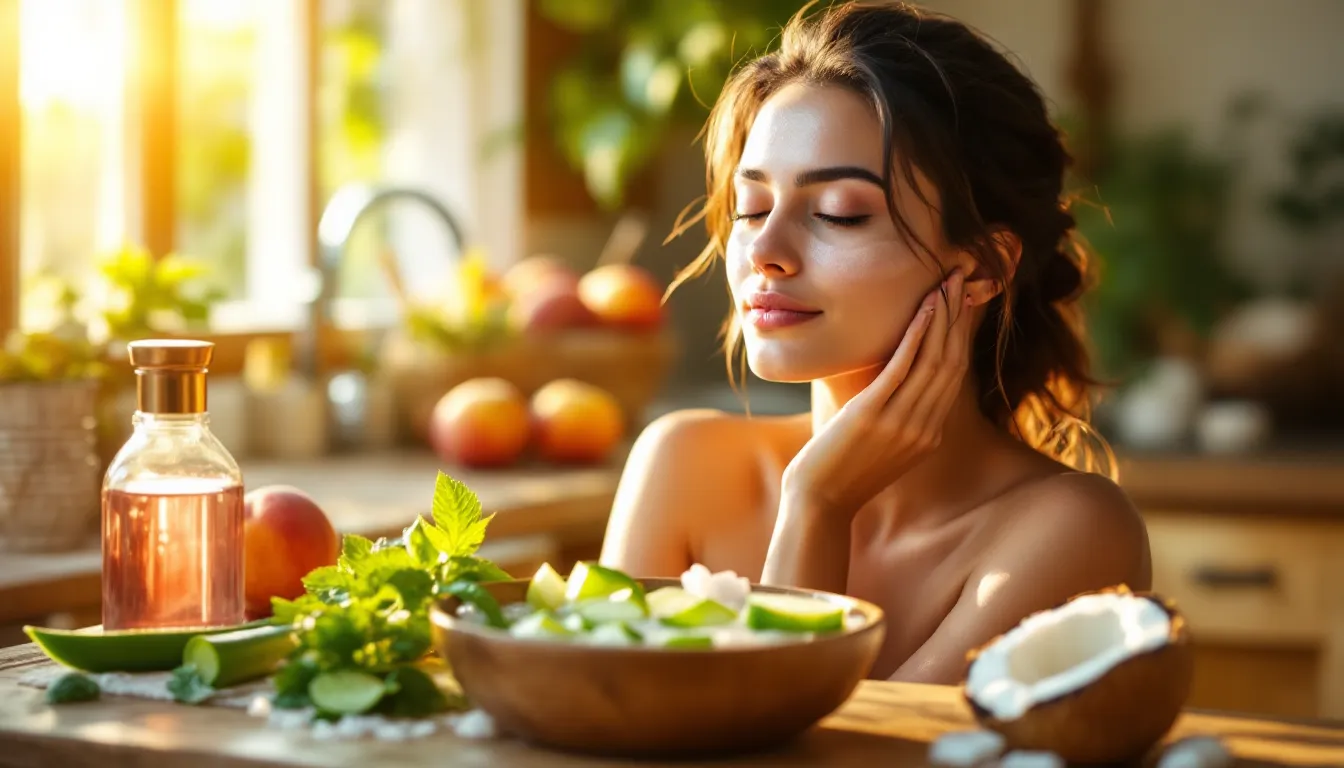
Avoid overly spicy food, excess caffeine, and midday sun exposure between 10 a.m. and 2 p.m., that’s Pitta time of day, and layering Pitta time on top of Pitta season is a recipe for irritated, reactive skin. Instead, favor sweet, bitter, and astringent tastes in your meals. Cucumber, fresh cilantro, coconut, mint, and ripe sweet fruits all help cool your system from the inside.
Cooling Herbs and Ingredients to Prioritize
For topical care, this is the season to reach for sandalwood paste, aloe vera gel, and rose water. These aren’t trendy picks, they’ve been used for thousands of years specifically because their qualities are cool, smooth, and soothing, which directly pacifies Pitta’s sharp heat.
A simple sandalwood and rose water paste applied to the face for 15 minutes can calm redness and bring a noticeable softness. Coconut oil, light and cool by nature, works well as a summer body oil, especially after a lukewarm (not hot) shower.
One thing I love about summer Ayurvedic skincare is how much it relies on what’s already in your kitchen. A splash of raw milk on a cotton pad, gently pressed onto sun-kissed skin, draws out excess heat remarkably well.
Do this today: Mix a teaspoon of pure aloe vera gel with two drops of rose water and apply it to clean skin before bed. Takes about 3 minutes. Wonderful for Pitta-dominant types or anyone experiencing summer redness. If you have very dry or cold-natured skin (strong Vata), use sparingly and add a thin layer of coconut oil afterward.
Nourishing and Protecting Your Skin in Winter (Vata Season)
Winter strips moisture from everything it touches. The air turns cold, dry, and rough, and those are exactly Vata’s qualities. If summer is about cooling down, winter is about building warmth, moisture, and stability back into your skin and your whole system.
This is the season where agni actually tends to strengthen, which is good news. Your body needs more fuel to stay warm, so your digestive fire burns brighter. But here’s the catch: if you don’t feed that stronger agni with nourishing, grounding food, it starts consuming your tissues instead. In Ayurvedic terms, it depletes rasa dhatu, the very first tissue layer, which directly governs skin moisture and suppleness. When rasa is low, skin looks dull and papery, almost translucent in a way that no amount of topical hydration fixes.
Ama in winter often looks different than summer ama. It can manifest as a thick, whitish coating on the tongue in the morning, sluggish bowels, and skin that feels simultaneously dry on the surface and congested underneath, tiny bumps, uneven texture, a muted quality.
The correction is to favor warm, oily, smooth, and heavy qualities, the direct opposites of Vata’s cold, dry, rough, and light nature. Warm soups, ghee, sesame oil, root vegetables, and gently spiced stews all build the internal moisture that eventually shows up as healthy, supple skin.
Oils and Practices That Combat Dryness
Abhyanga, warm oil self-massage, is probably the single most impactful winter skincare practice I’ve ever adopted. And I don’t say that lightly. Warming organic sesame oil (which has naturally hot, heavy, and penetrating qualities) and massaging it into your body before a warm shower changes the texture of your skin within days.
For the face, consider heavier oils like almond oil or ashwagandha-infused sesame oil. These aren’t just moisturizers, they carry the warm, stable, oily qualities that directly counter Vata’s dryness and help rebuild ojas at the tissue level.
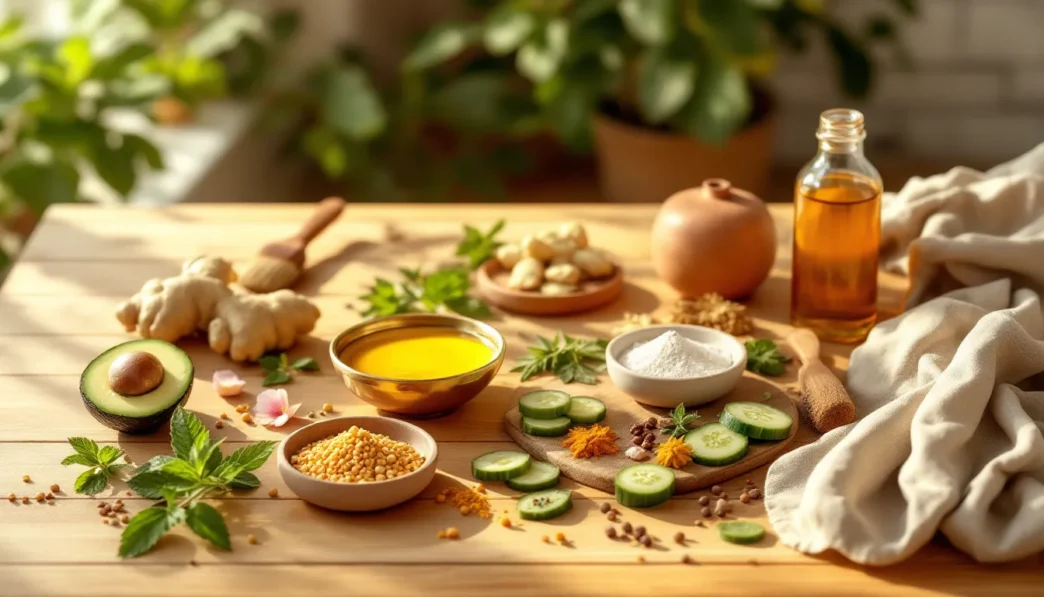
A gentle face mask of mashed avocado with a pinch of turmeric and a few drops of sesame oil, left on for 20 minutes, can deeply nourish winter-stressed skin. The avocado brings smooth, oily qualities: the turmeric adds a subtle warming clarity: the sesame oil grounds and penetrates.
Avoid raw, cold foods during winter, cold salads and iced drinks aggravate Vata and pull moisture away from your skin. And try to keep a consistent sleep schedule. Vata loves irregularity, and late nights during winter deplete prana faster than almost anything else.
Do this today: Warm two tablespoons of sesame oil and massage it into your arms, legs, and torso before your morning shower. Let it sit for at least 10 minutes. Takes about 15 minutes total. Ideal for Vata-dominant types and anyone with dry, rough, or cracking winter skin. If you tend to run hot or have active Pitta skin issues, use coconut oil instead or skip this during acute inflammation.
Refreshing Your Skin in Spring (Kapha Season)
Spring is nature’s great thaw. All that cold, heavy, stable Kapha energy that accumulated through winter starts to liquefy, literally. Think of snow melting. In your body, this shows up as congestion, sluggishness, and on your skin, a heavy, damp, almost waterlogged quality. Pores appear larger. Skin feels oilier than it did a month ago. There might be a puffiness around the eyes or jawline that wasn’t there in February.
This is where agni needs a boost. Spring agni tends to be low and slow, coated, almost, by the residue of winter. Ama from the colder months starts to mobilize, and if your digestive fire isn’t strong enough to burn it off, it circulates and can settle in the skin. You might notice dull, thick-looking skin, unexplained breakouts (especially cystic ones along the chin), and a general lack of radiance.
The balancing qualities for spring are light, warm, dry, and sharp, the opposite of Kapha’s heavy, cool, damp, smooth nature. This is the season to lighten up in every sense: lighter food, more movement, stimulating skincare.
Detoxifying Rituals for Renewed Skin
Dry brushing before your morning shower is a spring staple I genuinely look forward to. Using a natural bristle brush, you sweep toward your heart in long strokes. It’s invigorating, it stimulates lymph flow, removes dead skin, and brings the light, rough, mobile qualities that break up Kapha stagnation.
For the face, chickpea flour (besan) mixed with a little raw honey and a pinch of dried ginger powder makes a wonderful spring cleanser. The chickpea flour is dry and slightly rough, which gently exfoliates. The honey is warm and clarifying. The ginger adds a sharp, heating quality that wakes up sluggish skin.
Internally, favor bitter greens, pungent spices, and astringent foods. Dandelion tea, light kitchari with extra black pepper, steamed bitter greens with a squeeze of lemon, these all stoke agni and help clear ama from the system. Your skin’s clarity is downstream of your digestion, always.
This is also a good season to eat your largest meal at midday, when the sun, and your agni, are at their peak. Lighter dinners help your body focus on overnight detoxification rather than digesting a heavy meal.
Do this today: Try dry brushing your whole body for 5 minutes before your morning shower, using upward strokes toward the heart. Follow with a warm (not hot) shower. Takes about 10 minutes total. Excellent for Kapha-dominant types and anyone feeling puffy, sluggish, or congested in spring. If your skin is already very dry or irritated (active Vata imbalance), skip dry brushing and opt for a light warm oil application instead.
Daily Ayurvedic Practices That Support Skin Health Year-Round
While seasonal adjustments are important, certain daily practices create a foundation that holds everything together. In Ayurveda, we call this dinacharya, your ideal daily rhythm. It’s not about perfection. It’s about consistency in a few key areas.
Morning tongue scraping is one of my non-negotiables. When you wake up, your body has spent the night processing and releasing metabolic waste. That coating on your tongue? That’s ama made visible. Gently scraping it off with a copper or stainless steel tongue scraper (about 7–10 strokes) removes that residue before you swallow it back down. It’s a small act that protects your agni and, over time, contributes to clearer skin. It takes about one minute.
Warm water first thing in the morning, before food, before coffee, gently kindles your digestive fire without overwhelming it. I like to add a thin slice of fresh ginger in cooler months. This simple habit helps flush ama through the system and keeps your channels open, which supports that subtle glow that comes from well-functioning rasa dhatu.
Beyond these two anchors, paying attention to meal timing makes a big difference. Eating your main meal between 11 a.m. and 1 p.m. aligns with your body’s strongest digestive period. When agni processes food completely, there’s less ama to clog things up, and your skin reflects that thoroughness.
Sleep is the other pillar. Getting to bed by 10 p.m. (or close to it) protects the Pitta phase of night, roughly 10 p.m. to 2 a.m., when your body does its deepest metabolic repair and tissue rebuilding. Staying up late disrupts this cycle and directly depletes ojas. I’ve seen it in my own skin: a week of late nights and my complexion looks flat, tired, and years older.
These habits work for everyone, Vata, Pitta, or Kapha, because they support the fundamental processes that keep skin alive and radiant from within.
Do this today: Add tongue scraping and warm water to your morning routine for the next seven days. Total time: about 3 minutes. Appropriate for all dosha types. If you have acid reflux or active stomach ulcers, skip the ginger in your water and consult a practitioner.
Common Mistakes When Transitioning Between Seasons
I’ve made most of these mistakes myself, so I share them with zero judgment.
Changing too abruptly. Your body is not a light switch. When spring arrives, you don’t need to immediately drop all oils and go full detox mode. Ayurveda favors gradual transitions, start shifting your routine about two to three weeks before the season fully changes. Reduce heavy oils slowly. Introduce lighter foods one meal at a time.
Ignoring your personal constitution. This is a big one. A Vata-dominant person going into spring still needs more warmth and grounding than a Kapha-dominant person does. Seasonal guidelines are a general map, but your dosha is the terrain. If you’re more Vata, you might keep warm sesame oil massage going well into spring while a Kapha type has already switched to dry brushing. If you’re more Pitta, you’ll want to start your summer cooling practices earlier than others, because your internal heat is already closer to the tipping point. And if you’re more Kapha, be especially attentive in late winter and early spring, that’s when congestion peaks, and lightening your food and skincare before things feel really heavy is the smartest move.
Relying entirely on topical products. I can’t stress this enough. In Ayurveda, skin is an output, not an input. What you put on your face matters, but it’s secondary to what you eat, how you digest, how you sleep, and how you manage stress. A $90 serum can’t compensate for chronically weak agni.
Skipping the in-between seasons entirely. The junctions between seasons, called ritu sandhi, are actually when you’re most vulnerable to imbalance. The last week of one season and the first week of the next deserve extra attention. Eat simply, sleep well, and go easy on intense exercise during these transition windows.
Do this today: Look at the calendar. If you’re within three weeks of a seasonal shift, begin making one small dietary or skincare adjustment now rather than waiting. Takes about 5 minutes of reflection. Good for all dosha types. If you’re managing a chronic skin condition, work with a practitioner to plan transitions.
Conclusion
Seasonal skincare the Ayurvedic way isn’t about buying new products every few months. It’s about listening, to the air, to your digestion, to the texture of your skin when you touch your cheek first thing in the morning.
The seasons are constantly offering information. Cold and dry? Your skin is asking for warmth and oil. Hot and sharp? It wants cooling and calm. Heavy and damp? It’s ready for lightness and movement. The answers are built into the questions, every single time.
What I find most hopeful about this approach is that it gives your skin a chance to function the way it was designed to. You’re not overriding anything. You’re not fighting your biology. You’re cooperating with it, season by season, and that cooperation builds something lasting, deep vitality, real radiance, the kind of glow that comes from well-nourished tissues and steady, bright agni.
I’d love to hear how your skin changes with the seasons and what adjustments you’ve tried. Drop a comment below or share this with someone who’s been struggling with the same seasonal skin frustrations.
What’s the one seasonal shift that affects your skin the most?