








Why Your Bathroom Deserves a Low-Tox Makeover
Here’s something that surprised me when I first started paying attention: the average person uses around 10 personal care products before leaving the house in the morning. That’s potentially dozens of synthetic chemicals meeting your skin before breakfast. And in Ayurveda, what touches the skin matters deeply, because the skin is governed by bhrajaka pitta, the aspect of Pitta dosha responsible for luster, complexion, and the ability to process what’s applied topically.
When we layer on products full of harsh, sharp, and heating chemicals, we’re aggravating Pitta qualities at the surface. But it goes further than that. Heavy, sticky synthetic residues can also increase Kapha-like congestion in the skin’s channels, while alcohol-based products strip away natural oils and provoke Vata’s dry, rough qualities. Over time, this creates a kind of low-grade confusion in the skin, it doesn’t know whether to produce more oil or less, whether to calm down or keep reacting.
In Ayurveda’s framework, this confusion traces back to a weakening of agni, not just digestive fire, but the metabolic intelligence present in every tissue. When agni in the skin is disrupted, undigested residue (ama) accumulates in the subtle channels. You might notice it as dullness, breakouts that don’t make sense, sensitivity that seems to come from nowhere, or a general lack of that healthy glow Ayurveda calls “ojas” shining through the skin.
Common Toxins Hiding in Everyday Products
I won’t turn this into a chemistry lecture, but a few culprits are worth knowing by name. Parabens (used as preservatives), sulfates like sodium lauryl sulfate (foaming agents), synthetic fragrances (often hiding dozens of undisclosed chemicals), phthalates, and formaldehyde-releasing preservatives are among the most common.
From an Ayurvedic lens, many of these substances carry sharp and penetrating qualities, they move quickly through the skin’s layers without being properly “digested” or metabolized by the tissue. Others are heavy and sticky, creating a coating that blocks the skin’s natural breathing and elimination functions. Still others are intensely hot, provoking inflammatory responses that Pitta-dominant individuals feel first, but that eventually affect everyone.
The tricky part? These ingredients are in products we think of as gentle, baby shampoo, “sensitive skin” lotions, even some products marketed as “natural.”
How Toxic Ingredients Affect Your Skin and the Environment
Your skin absorbs a portion of what’s applied to it, and those substances enter your bloodstream. In Ayurvedic terms, they enter rasa dhatu (the plasma and lymph) and can eventually affect deeper tissues. When the body encounters substances it can’t properly metabolize, ama builds, not just in the gut, but systemically. Signs of this might include persistent skin dullness, a coated tongue in the morning, sluggish energy, or that frustrating cycle of breakouts and dryness.
And it’s not just about you. When those products wash down the drain, the same sharp, synthetic compounds enter waterways. Microbeads, chemical UV filters, triclosan, these disrupt aquatic ecosystems in ways that mirror how they disrupt our internal ecology. Ayurveda has always understood that personal health and environmental health aren’t separate conversations. The qualities that disturb your skin disturb the water, the soil, the larger web of life.
Do this today: Pick up three products you use daily and look up their ingredients on the EWG Skin Deep database. Takes about 10 minutes. This is for anyone who’s curious but hasn’t started examining labels yet. If you’re already reading labels consistently, you might skip ahead.
Personal Care Swaps for Healthier Skin
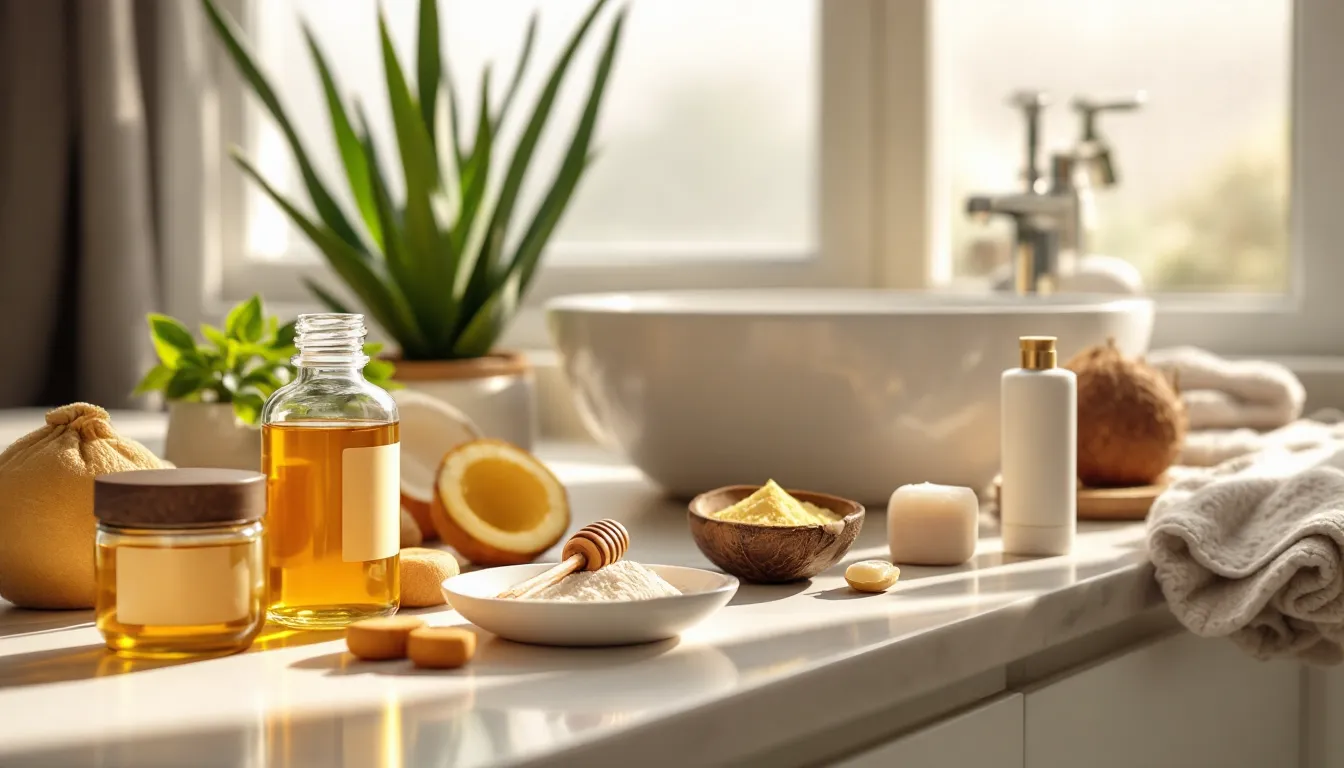
This is where the fun starts. And I mean that, once I began swapping products, my morning routine actually got simpler. Fewer products, better ingredients, less clutter.
Face and Body Care Alternatives
Swap 1: Synthetic face wash → Gentle grain-based cleanser or raw honey. Ayurveda has used chickpea flour (besan) mixed with a pinch of turmeric and milk or water as a facial cleanser for centuries. The qualities here are light, slightly dry, and gently warming, they cleanse without stripping. Raw honey, on the other hand, is smooth, slightly heavy, and cooling, beautiful for Pitta-type skin that’s easily irritated. Either option respects bhrajaka pitta rather than overwhelming it.
Swap 2: Chemical-laden moisturizer → Cold-pressed sesame, coconut, or sunflower oil. Abhyanga (self-oil massage) is one of Ayurveda’s most cherished daily practices, and for good reason. Warm sesame oil is heavy, oily, and warming, perfect for pacifying Vata’s dry, rough, mobile qualities. Coconut oil brings cool, smooth, and slightly heavy qualities ideal for Pitta skin. Sunflower oil sits in the middle and works for most people during warmer months.
Swap 3: Synthetic body wash → Natural soap or herbal ubtan. An ubtan is a traditional paste made from ground lentils, herbs, and sometimes rose water. It cleanses the skin while nourishing rasa dhatu. The texture provides gentle, slightly rough exfoliation that supports the skin’s natural turnover without the micro-tears caused by synthetic scrub beads.
Swap 4: Chemical sunscreen → Mineral-based sunscreen with zinc oxide. Mineral sunscreens sit on top of the skin rather than being absorbed into it. From an Ayurvedic perspective, this matters, you’re creating a stable, protective barrier without introducing sharp, penetrating chemicals into the tissue layers.
Swap 5: Synthetic deodorant → Crystal deodorant or herbal alternatives. Aluminum-based antiperspirants block sweat, but sweating is one of the body’s natural mala (waste elimination) pathways. Blocking it can drive ama deeper. Crystal deodorants or simple combinations of coconut oil and baking soda allow the body to do its work.
Hair Care and Oral Care Upgrades
Swap 6: Sulfate shampoo → Soapnut (reetha) or shikakai-based wash. These traditional Ayurvedic cleansers are light and mildly astringent without the aggressive stripping that sulfates cause. They clean the scalp without provoking excess oil production, a common rebound effect when harsh shampoos disturb the scalp’s pitta balance.
Swap 7: Silicone conditioner → Herbal hair rinse or light oil treatment. A simple rinse of diluted apple cider vinegar with a few drops of rosemary brings cool, light, and clarifying qualities. For deeper nourishment, a weekly warm oil treatment with bhringraj or brahmi oil feeds the hair root (a site connected to prana and nervous system health in Ayurveda).
Swap 8: Commercial toothpaste → Herbal tooth powder or neem-based paste. Neem is cool, bitter, and light, ideal for keeping Pitta-driven oral inflammation in check. Many traditional tooth powders also include clove (warming, sharp, great for Kapha-type oral congestion) and rock salt.
Swap 9: Mouthwash with alcohol → Oil pulling with sesame or coconut oil. Gandusha (oil pulling) is a classic Ayurvedic practice. Swishing warm sesame oil for 10–15 minutes each morning draws ama from the oral cavity, strengthens the gums, and supports clarity of taste, which Ayurveda considers a sign of healthy agni.
Do this today: Choose one face/body swap and one oral care swap to try this week. Give each at least 7 days. This works for all dosha types, just match the oil or ingredient to your constitution (more on that below). If you have active skin conditions or open wounds, consult a practitioner before applying new topical products.
Cleaner Alternatives for Bathroom Essentials
Beyond what goes on your body, there’s everything else in the bathroom, the cleaners, the cotton rounds, the plastic bottles. This is where small changes ripple outward.
Low-Tox Cleaning and Hygiene Products
Swap 10: Chemical bathroom cleaner → Vinegar, baking soda, and essential oils. White vinegar is sharp, light, and penetrating, it cuts through Kapha-like buildup (soap scum, mildew) without the toxic fumes of commercial cleaners. Add baking soda for its dry, rough, and slightly abrasive quality, and a few drops of tea tree oil for its natural antimicrobial properties. Your bathroom smells clean, not chemical.
Swap 11: Bleach-based toilet cleaner → Castile soap and baking soda. Bleach fumes are intensely sharp and hot, they aggravate the respiratory pathways and the subtle prana channels. Castile soap is gentle, plant-derived, and does the job without that aggressive chemical edge.
Swap 12: Synthetic air freshener → Essential oil diffuser or dried herbs. Those plug-in fresheners and aerosol sprays are loaded with phthalates and synthetic fragrance compounds. A small bowl of dried lavender, eucalyptus, or a simple diffuser with pure essential oils provides aroma that actually supports prana, the life force connected to breath and the nervous system, rather than disrupting it. Lavender brings cool, smooth, stable qualities. Eucalyptus is light, sharp, and clearing.
Sustainable Swaps for Single-Use Items
Swap 13: Disposable cotton rounds → Reusable organic cotton pads. This one’s simple and saves money over time. Reusable pads feel softer and smoother on the skin than their disposable counterparts, and you eliminate a surprising amount of waste.
Swap 14: Plastic toothbrush → Bamboo toothbrush. Bamboo is a rapidly renewable material, and the texture of bamboo bristles tends to be gentler and less rough on gums than many plastic-bristled brushes. Billions of plastic toothbrushes end up in landfills each year, this swap is almost effortless.
Swap 15: Plastic bottles → Refillable glass or aluminum containers. When you find products you love, look for brands that offer refill options. Glass and aluminum don’t leach chemicals the way some plastics can, and they carry a stable, cool quality that preserves the integrity of natural formulations better than plastic does.
Ayurveda’s understanding of interconnection, that what touches your skin enters your tissues, that what washes down the drain enters the water, that your personal ecology reflects the larger ecology, makes these swaps feel less like sacrifice and more like alignment.
Do this today: Swap out one cleaning product and one single-use item this week. About 5 minutes of shopping, zero learning curve. Good for everyone. If you’re sensitive to essential oils (common in high-Pitta individuals), use unscented alternatives for cleaning products.
How to Read Labels and Spot Greenwashing
This is where I got frustrated early on. I’d pick up something labeled “natural” or “plant-based” and flip it over to find a paragraph of synthetic ingredients hiding behind a leaf logo. Greenwashing is real, and it preys on our good intentions.
A few things I’ve learned: the words “natural,” “clean,” and “green” have no regulated meaning on personal care products in the US. “Organic” is regulated for food but much less so for skincare. “Fragrance” on a label can represent dozens of undisclosed synthetic chemicals, the formula is considered proprietary, so companies don’t have to tell you what’s in it.
In Ayurvedic terms, I think of greenwashing as a kind of prajnaparadha, a failure of discernment at the marketplace level. The tejas (clarity, inner intelligence) that helps us make wise choices gets dulled when marketing is designed to mislead.
Here’s what I look for instead. Short ingredient lists, five to ten ingredients is usually a good sign. Ingredients I can picture in nature, shea butter, jojoba oil, aloe vera, neem, turmeric. Third-party certifications like USDA Organic, EWG Verified, or Leaping Bunny carry more weight than a brand’s own “clean” claim. And I pay attention to the order of ingredients, they’re listed by concentration, so if “organic chamomile extract” is the second-to-last ingredient and synthetic fragrance is third, that tells you something.
Another Ayurvedic principle that helps here is understanding qualities. If a product claims to be moisturizing but feels dry, rough, or quickly absorbed without leaving any softness, it’s probably not delivering the oily, smooth, heavy qualities your skin actually needs. Your own sensory experience, touch, smell, how your skin feels an hour later, is honest feedback that no label can fake.
Do this today: Next time you’re at the store, flip over one “natural” product and apply the short-list test. Takes 2 minutes. This is for anyone who buys personal care products, which is all of us. Not a substitute for consulting a dermatologist if you have specific skin concerns.
Making the Transition Without Overwhelm
I want to be honest, when I first started this, I went a little overboard. I tried to overhaul everything at once and ended up confused, spending too much money, and feeling guilty about all the half-used products I was throwing away. That guilt itself is a kind of ama, mental residue that doesn’t serve you.
Ayurveda is fundamentally about gradual, sustainable change. The tradition calls this krama, proper sequence, appropriate pace. You wouldn’t do a deep cleanse and a heavy workout on the same day. Similarly, you don’t need to detox your entire bathroom in a weekend.
Here’s the approach that worked for me. When a product runs out, replace it with a cleaner alternative. That’s it. One swap at a time. Over a few months, your bathroom transforms without the financial hit or the decision fatigue.
If you’re more Vata-dominant, meaning you tend toward dryness, anxiety, and a racing mind, start with the moisturizing swaps. Replace your lotion with warm sesame oil. This brings heavy, oily, warm, and stable qualities that directly counterbalance Vata’s cold, dry, light, mobile nature. Try the oil first thing in the morning before your shower, even just on your arms and legs. Give it 5 minutes to absorb. Avoid coconut oil in winter if you run cold, it’s too cooling. This is ideal for anyone who notices dry, flaky skin and a restless mind, especially in fall and early winter.
If Pitta runs strong in your constitution, you tend toward heat, irritation, sharp opinions, and sensitive or reactive skin, start with removing synthetic fragrances and switching to cooling ingredients. Coconut oil, aloe vera gel, rose water as a toner. These bring cool, smooth, and soft qualities to offset Pitta’s sharp, hot, oily tendencies. Try applying rose water to your face and neck after cleansing, it takes 30 seconds and the cooling effect is immediate. Avoid heavily spiced or warming essential oils like cinnamon or clove on the skin. Best for anyone who notices redness, rashes, or breakouts that feel inflammatory, especially in summer.
If Kapha is your primary energy, you tend toward heaviness, congestion, oily skin, and sluggish mornings, start with the cleansing swaps. Grain-based cleansers, dry brushing before your shower, and lighter oils like sunflower or safflower. These bring light, dry, warm, and stimulating qualities that move Kapha’s heavy, cool, damp tendencies. Try dry brushing your limbs toward the heart for 3–5 minutes before bathing each morning. Skip heavy creams and thick butters that add more heaviness. Ideal for anyone who wakes up puffy or notices oily skin with large pores, especially in late winter and spring.
And here’s where daily rhythm, dinacharya, ties everything together. Two practices I’d suggest anchoring into your routine, regardless of your dosha type.
Morning self-oil massage (abhyanga): Even a simplified 5-minute version before your shower nourishes rasa dhatu, calms Vata, supports healthy circulation, and builds ojas, that deep resilience and vitality that shows up as glowing skin and steady energy. Use the oil appropriate for your constitution.
Oil pulling (gandusha) upon waking: Before you eat or drink anything, swish a tablespoon of warm sesame oil (or coconut oil for Pitta types) in your mouth for 10–15 minutes. Spit it out, rinse with warm water. This draws ama from the oral tissues and sharpens agni for the day ahead. It’s a quiet, meditative way to begin the morning.
Do this today: Choose your dosha-specific starting swap and commit to it for two weeks. Add one daily routine habit, either abhyanga or oil pulling. That’s 10–15 minutes total. For everyone, regardless of experience level. If you’re unsure of your constitution, a brief consultation with an Ayurvedic practitioner can point you in the right direction.
As seasons shift, your low-tox bathroom can shift too. In late winter and spring, when Kapha accumulates and the atmosphere turns heavy, damp, and cool, favor lighter products, herbal cleansers, astringent toners, and dry brushing. In summer, when Pitta peaks and heat builds, lean into cooling products, coconut oil, rose water, aloe. In fall and early winter, when Vata rises and everything turns cold, dry, and mobile, prioritize warm oil massage and richer, more nourishing formulations.
This seasonal intelligence, ritucharya, means your bathroom isn’t static. It breathes with the year, just like your body does.
Seasonal Do this today: Look at the current season where you live and ask, are the qualities around me predominantly hot, cold, dry, or damp? Adjust one product or practice accordingly. Takes 2 minutes of reflection. For anyone living in a climate with distinct seasons. If you live in a tropical or consistently warm climate, Pitta-balancing products tend to be your year-round baseline.
I think it’s worth noting that modern research is catching up to a lot of this. Studies on endocrine disruptors, microbiome health, and the skin’s absorptive capacity are essentially rediscovering what Ayurveda has taught for millennia, that what touches the skin enters the body, that the body’s surfaces are not inert barriers, and that the health of the individual and the health of the environment are woven together. The language is different, but the insight is the same.
Ayurveda’s framework gives us something modern product guides often don’t: a reason why certain substances feel wrong on our skin, a way to personalize choices based on our own unique constitution, and a rhythm for adjusting those choices across the year. That’s more than a swap list, it’s a living relationship with your own body’s intelligence.
Do this today: Spend 5 minutes noticing how your current products feel on your skin, not what the label promises, but what your senses actually report. Warmth, coolness, dryness, heaviness, irritation, comfort. Your body’s feedback is the most reliable guide you have. For everyone. No exceptions or contraindications.
Conclusion
A low-tox bathroom isn’t about perfection, and it’s definitely not about fear. It’s about making thoughtful choices, one product, one morning, one season at a time, that honor both your body and the planet you share it with.
From an Ayurvedic perspective, every swap is an act of rebuilding ojas, that quiet, radiant vitality that comes from treating your body as something worth caring for. Every time you choose a cleaner product, you’re supporting your skin’s agni, reducing the ama load on your system, and strengthening the flow of prana that keeps you feeling clear and alive.
I’ve found that these changes compound. What starts as switching out a face wash becomes a whole new relationship with your morning routine, your skin, and your sense of what “clean” actually means.
Start where you are. Swap what you can. Trust what your body tells you.
I’d love to hear from you, what’s the first swap you’re going to try? Or if you’ve already started your low-tox bathroom journey, what change made the biggest difference for you? Drop a comment below or share this with someone who’s been curious about making the switch.