







Why Dehydration Triggers Headaches and How to Recognize the Signs
In Ayurveda, dehydration isn’t just about low fluid levels. It’s a disturbance rooted primarily in Vata dosha, the energy of movement, dryness, and lightness. When you don’t take in enough fluids, Vata’s dry and mobile qualities increase. That dryness pulls moisture from your tissues, and the excess mobility sends erratic signals through your nervous system. The result? A headache that often feels light, throbbing, and restless.
Pitta can get involved too, especially in warm weather or after intense activity. When Pitta’s hot and sharp qualities combine with dehydration, the headache tends to feel more piercing, sometimes concentrated behind the eyes or at the temples. And for Kapha types, dehydration headaches are less common but can show up as a heavy, foggy pressure when the body’s natural lubrication gets disrupted.
So what are the signs to watch for? A dry mouth and cracked lips are the obvious ones. But Ayurveda also points to subtler cues, feeling ungrounded or anxious (Vata rising), experiencing brain fog or a coating on your tongue (that’s ama, or metabolic residue, starting to accumulate), and a general sense of fatigue where your energy feels scattered rather than steady.
The qualities at play here are telling: dry over oily, light over heavy, mobile over stable, rough over smooth, and sharp over dull. When these qualities dominate, your body is asking for their opposites, moisture, grounding, nourishment, and calm.
Do this today: Pay attention to what your headache feels like, throbbing and restless, sharp and hot, or heavy and dull. That quality tells you which dosha is most involved. Takes about 2 minutes of honest self-observation. This works for anyone, though it’s especially clarifying if you’ve been brushing off mild headaches as “just stress.”
The Best Fluids to Drink for Fast Dehydration Headache Relief
Now here’s where most people go wrong, they chug ice-cold water and expect instant relief. From an Ayurvedic perspective, that can actually slow things down. Cold water dampens agni, your digestive and metabolic fire. And agni is exactly what you need working well right now, because strong agni helps your body actually absorb the fluids you’re drinking rather than just flushing them through.
When agni is sluggish, fluids don’t get properly integrated into your tissues. Instead, they can create more ama, that sticky, undigested residue that clouds your thinking and weighs you down. You’ve probably experienced this: drinking a ton of water but still feeling somehow parched and foggy. That’s a sign your agni isn’t processing the hydration efficiently.
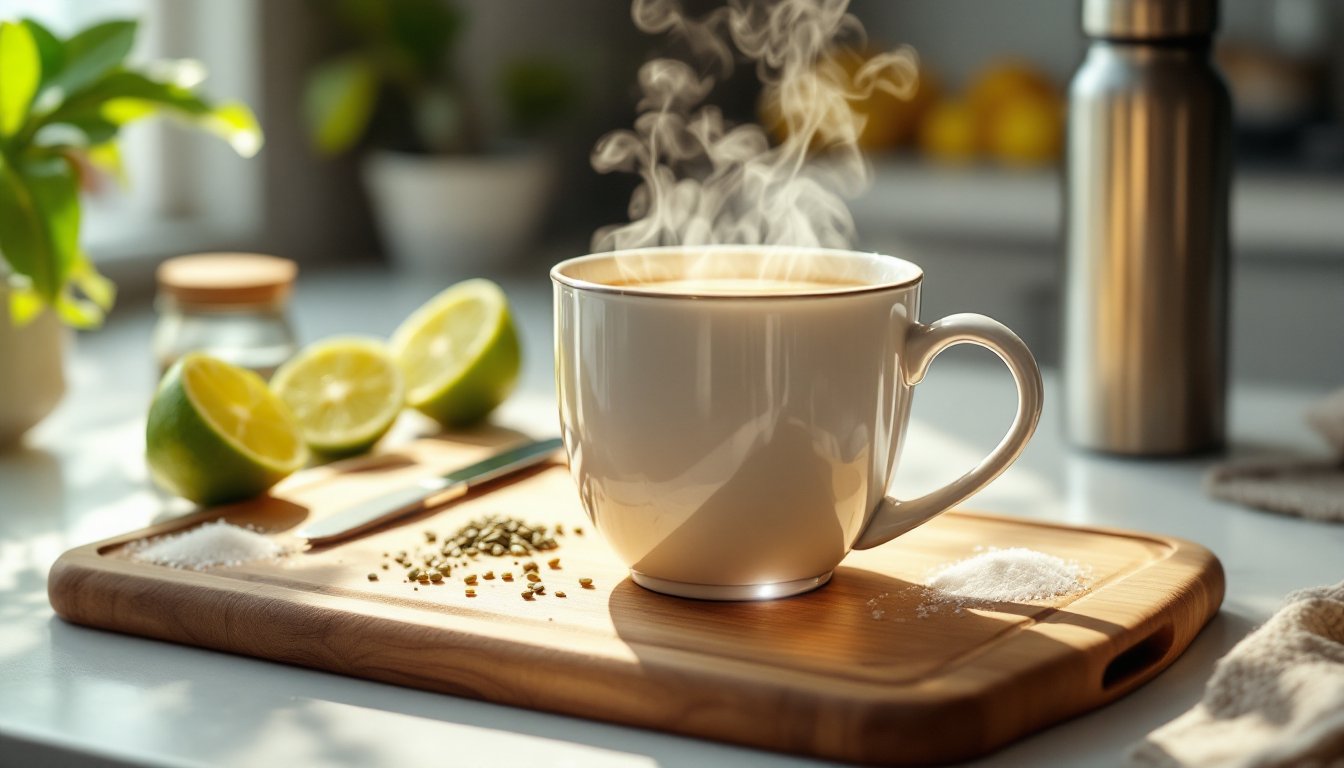
The Ayurvedic approach is to sip warm or room-temperature water throughout the day rather than gulping large amounts at once. Warm water has light and mobile qualities that help it move through your digestive channels without overwhelming agni. You can add a squeeze of fresh lime and a tiny pinch of mineral salt, this mimics what Ayurveda calls a natural electrolyte balance and supports absorption at the tissue level.
Another beautiful option is cumin-coriander-fennel tea (known as CCF tea in Ayurvedic circles). It’s gently cool in its post-digestive effect, which soothes Pitta’s heat, while its light and slightly oily qualities help pacify Vata’s dryness without creating heaviness. I keep a thermos of this at my desk during warm months.
Coconut water is another gem, naturally cool, sweet, and hydrating. It’s especially lovely when Pitta is flaring on a hot day.
Do this today: Warm a cup of water, add half a lime and a pinch of mineral salt, and sip it slowly over 15 minutes. This is great for all body types, though Kapha-dominant folks might prefer it slightly warmer with a thin slice of ginger instead of lime.
Hydrating Foods That Help Ease Dehydration Headaches
Fluids are only part of the picture. In Ayurveda, food is medicine, and certain foods carry so much natural moisture that they rehydrate your tissues from the inside out.
Think of cucumber. It’s cool, heavy, and smooth, the perfect antidote to Vata’s dry roughness and Pitta’s sharp heat. Watermelon works similarly, with its sweet, watery nature that nourishes ojas, your deep vitality reserve. When ojas is depleted (and chronic mild dehydration absolutely depletes it), you feel less resilient, more reactive, and your immune strength dips.
Ripe, juicy fruits like grapes, pears, and sweet melons are wonderful hydrators. They carry the sweet taste that Ayurveda considers deeply nourishing to tissues. Cooked zucchini and tender leafy greens with a little ghee offer both moisture and the oily quality that counters dryness at a deeper level than water alone can reach.
Ghee itself deserves a mention here. A small amount of ghee with meals helps carry nutrients and moisture into the finer tissues, what Ayurveda calls the sukshma (subtle) channels. This supports not just hydration but also tejas, the metabolic clarity that keeps your thinking sharp and your mood even.
Avoid overly dry, crunchy, or raw foods when you’re already dehydrated, crackers, dry granola, raw salads without dressing. These increase the dry and rough qualities that are already out of balance.
Do this today: Add one hydrating food to your next meal, a few slices of cucumber with lunch, or some stewed fruit after dinner. Takes zero extra time if you keep it simple. Ideal for everyone, but especially helpful for Vata and Pitta types. If you have very sluggish digestion, go easy on raw fruits and opt for cooked options instead.
Electrolyte Balance: The Missing Piece in Rehydration
Plain water is wonderful, but sometimes it’s not enough, and Ayurveda understood this long before modern sports drinks existed. The concept of rasa dhatu (your plasma and fluid tissue) depends not just on water intake but on the minerals and salts that help your cells actually hold onto that moisture.
When electrolytes are low, fluids pass through you without truly hydrating your tissues. This is another way ama can build, your body receives water but can’t metabolize it properly, leaving you with that strange bloated-yet-thirsty feeling. Your prana, the vital life force that governs your nervous system and mental clarity, also suffers. Low prana from poor hydration shows up as scattered attention, anxiety, and that ungrounded sensation Vata types know all too well.
Ayurveda’s approach to electrolyte balance is beautifully simple. The classic combination is water with mineral salt (like rock salt or Himalayan pink salt), a touch of raw honey or natural sugar, and lime juice. This trio addresses the sweet, sour, and salty tastes, three of the six tastes Ayurveda considers important for balanced nutrition and tissue nourishment.
You can also look to buttermilk (takra), one of Ayurveda’s most celebrated digestive drinks. Thin, lightly salted buttermilk supports agni while delivering natural electrolytes. It’s light and slightly sour, making it perfect for midday when your digestive fire is at its peak.
Do this today: Try a glass of thin buttermilk with a pinch of rock salt and a small pinch of roasted cumin powder at lunch. Takes 3 minutes to prepare. This is especially suited for Pitta and Vata types. Kapha-dominant folks can enjoy it too but might want to add a pinch of black pepper for extra warmth. Not ideal if you’re lactose-sensitive, stick with the lime-salt water instead.
Practical Habits to Prevent Dehydration Headaches From Returning
Relief is great, but prevention is where Ayurveda really shines. The daily routine, dinacharya, is your strongest tool here.
First, morning hydration. I like to start my day with a cup of warm water before anything else. This gently wakes up agni after the night’s rest and signals your body to begin its natural cleansing process. It’s a small habit that takes 5 minutes and sets the tone for the whole day’s hydration. Over time, this simple practice supports ojas by ensuring your tissues start the day nourished rather than depleted.
Second, mindful sipping throughout the day. Rather than forgetting water for hours and then gulping a huge glass, try keeping warm or room-temperature water nearby and taking small sips every 30 to 45 minutes. This steady approach matches the stable quality that balances Vata’s tendency toward irregularity. Your body absorbs small, frequent amounts far better than large, infrequent ones.
A third habit worth adopting is self-massage with warm oil (abhyanga) a few times a week. I know, this sounds unrelated to hydration. But in Ayurveda, oiling the skin counters dryness from the outside in, calms the nervous system, and supports the smooth, oily qualities your body craves when Vata is high. Even 5 minutes of warm sesame oil on your feet and scalp before a shower can make a noticeable difference in how grounded and hydrated you feel.
For seasonal adjustment (ritucharya): in hot, dry months, late spring through summer, increase your intake of cooling fluids like coconut water and CCF tea. Add more juicy, sweet fruits. Reduce pungent and salty foods that increase internal heat. In cooler months, lean toward warming hydration: ginger water, warm spiced milk, and well-cooked soups. The seasonal shift in qualities (hot and sharp in summer versus cold and dry in winter) means your hydration strategy naturally needs to adapt.
Do this today: Pick one daily habit, morning warm water or mindful sipping, and commit to it for a week. Takes less than 5 minutes of intentional effort each day. Good for every body type. If you tend toward Kapha heaviness in the morning, add a thin slice of fresh ginger to your warm water for a gentle metabolic nudge.
When a Dehydration Headache Signals Something More Serious
Most mild dehydration headaches respond beautifully to the fixes I’ve described. But I want to be honest with you, sometimes a headache that seems like dehydration is telling you something deeper.
If you’re hydrating well and the headache persists for more than a day, or if it comes with confusion, very dark urine, rapid heartbeat, or dizziness when standing, it’s time to seek professional guidance. In Ayurvedic terms, these can be signs that ama has accumulated significantly or that a deeper dhatu (tissue layer) imbalance is at play, something beyond simple fluid loss.
If You’re More Vata
Vata types tend toward chronic mild dehydration because of their naturally dry, light constitution. Your headaches might feel like a dull throb that moves around, accompanied by anxiety or restlessness. Focus on warm, oily, grounding hydration, warm water with ghee, stewed fruits, and sesame oil massage. Avoid cold, carbonated, or caffeinated drinks that increase dryness and mobility.
Do this today: Drink warm water with a half teaspoon of ghee stirred in, mid-morning. Takes 2 minutes. Ideal for Vata-dominant types or anyone feeling dry and scattered. Skip this if you have a very weak digestive fire or active congestion.
If You’re More Pitta
Pitta types lose fluids through heat and intensity, whether that’s exercise, mental overwork, or hot weather. Your dehydration headache probably feels sharp, focused, maybe behind the eyes. Reach for cooling hydration: coconut water, cucumber-infused water, sweet fruits, and CCF tea. Avoid spicy, sour, or fermented drinks that fan Pitta’s internal fire.
Do this today: Sip coconut water or a cool (not icy) glass of water with fresh mint around midday. Takes no extra time. Perfect for Pitta types and anyone experiencing heat-related headaches. Not the best choice for Kapha types in cold, damp weather.
If You’re More Kapha
Kapha types rarely get classic dehydration headaches, but when they do, it often shows up as a heavy, congested pressure. Your hydration fix is warm and lightly stimulating, ginger-lemon water, light broths, and a focus on the pungent and astringent tastes that keep your channels open. Avoid heavy, cold, sweet drinks that increase Kapha’s already dense qualities.
Do this today: Brew a cup of fresh ginger tea with a squeeze of lemon, sipped warm in the late morning. Takes 5 minutes. Suited for Kapha-dominant types or anyone feeling sluggish with their headache. Pitta types in summer may find this too heating, adjust accordingly.
Conclusion
A dehydration headache, uncomfortable as it is, carries a kind of wisdom. It’s your body asking, gently at first, for moisture, nourishment, and rhythm. And when you answer that call with warm fluids, hydrating foods, balanced electrolytes, and a daily routine that keeps you grounded, the relief often comes faster than you’d expect.
What I love about the Ayurvedic approach is that it doesn’t just hand you a quick fix and send you on your way. It invites you to understand your pattern, your constitution, your season, your tendencies, so that the headache becomes less frequent over time, and eventually, rare.
Start small. One warm cup of water in the morning. One hydrating food at lunch. That’s enough.
I’d love to hear from you, what’s your go-to remedy when a dehydration headache hits? Drop a comment below or share this with someone who’s always forgetting their water bottle. And if you found something new here, try it for a week and let me know how it goes.