







Why Overeating Disrupts Your Digestive System
Think of your digestion like a campfire. When it’s burning steadily, it can handle a reasonable amount of fuel, food, and transform it into warmth and energy. But dump an entire log pile on that fire all at once? You smother it.
That’s what happens when you overeat. Your agni, that metabolic intelligence at your core, gets overwhelmed. It can’t process everything you’ve given it. The food sits, partially broken down, and starts producing what Ayurveda calls ama, a sticky, heavy residue of incomplete digestion. You know ama is forming when you feel bloated, foggy-headed, sluggish, or notice a thick coating on your tongue the next morning.
Now here’s where it gets interesting. The way overeating affects you depends on your unique constitution.
If you tend toward Vata qualities, naturally light, dry, and mobile, overeating creates an odd paradox. Your body craves grounding, so you might eat past fullness seeking comfort. But then your already-variable digestion stalls, and you’re left with gas, bloating, and an anxious, unsettled stomach.
If you’re more Pitta, warm, sharp, intense, your strong digestive fire might initially handle the excess. But the overload generates extra heat. Think acid reflux, burning sensations, irritability. Your inner fire gets too hot rather than too dim.
And if Kapha dominates your makeup, cool, heavy, stable, overeating amplifies those very qualities. Everything gets heavier, slower, more congested. You feel lethargic. Motivation drops. Digestion practically grinds to a halt.
In each case, the qualities of the food you overate matter too. A heavy, oily feast affects you differently than too much dry, rough food. Ayurveda always looks at these qualities, heavy versus light, oily versus dry, hot versus cool, to understand what’s gone off balance.
Do this today: Sit quietly for two minutes and notice what you’re actually feeling. Is it heaviness? Heat? Gas and movement? That awareness alone starts the reset. This works for anyone, any constitution, and takes no time at all.
Hydration and Herbal Teas That Ease Bloating

After overeating, the instinct to reach for cold water or a carbonated drink is strong. I get it. But from an Ayurvedic perspective, that’s one of the worst things you can do. Cold liquids dampen your already-struggling agni even further, like throwing ice water on those smothered campfire embers.
Instead, warm water becomes your quiet hero. Sipping plain warm water throughout the hours after a big meal gently encourages movement through the digestive tract without shocking your system. The warmth itself carries the hot, light, and mobile qualities that counterbalance the cold, heavy, stable stagnation of undigested food.
But here’s where things get really helpful, herbal teas.
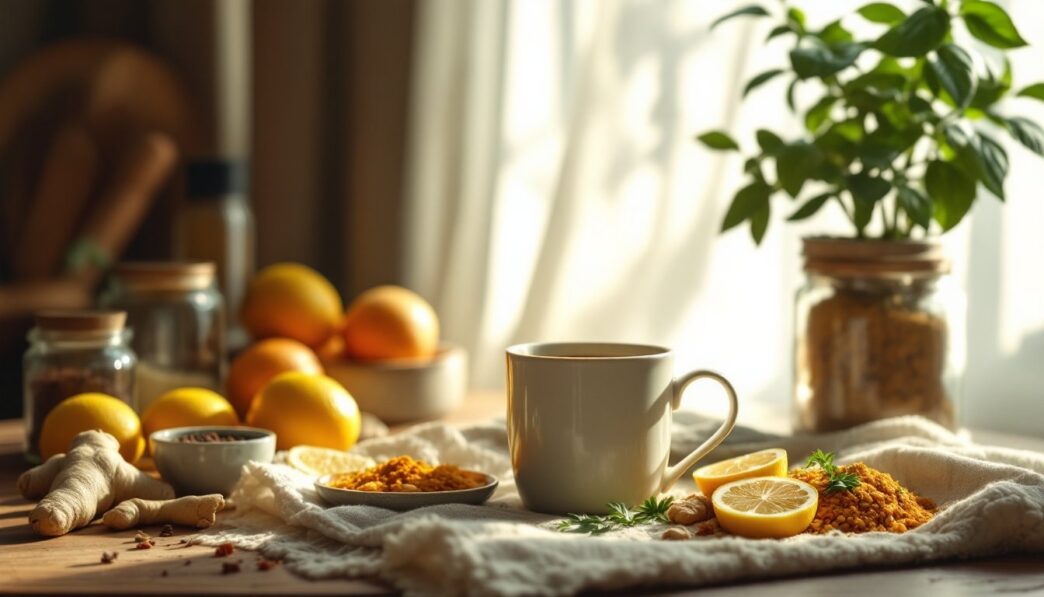
Ginger tea is probably the single most effective post-overeating remedy I know. Ginger is sharp, hot, and light. Those qualities directly oppose the dull, heavy ama building up in your gut. A thumb-sized piece of fresh ginger sliced into hot water, maybe with a squeeze of lemon, can reignite sluggish agni within 20 minutes.
Cumin-coriander-fennel tea, sometimes called CCF tea, is another classic. It’s gentler than ginger, making it a better fit if you’re running hot (hello, Pitta friends). Fennel is cool and sweet, cumin kindles digestion without excess heat, and coriander clears subtle channels. Together, they ease bloating and begin dissolving ama.
A note on peppermint tea: while popular in the West, it’s quite cooling. It can work well for Pitta-type overeating with acid reflux, but if you’re feeling cold, heavy, and sluggish, stick with ginger or CCF.
These warm teas also protect your prana, that vital life-force energy connected to your breath and nervous system. When digestion stalls, prana gets stuck too. Warm, aromatic liquids help everything flow again.
Do this today: Brew a cup of fresh ginger tea within an hour of overeating. Sip it slowly over 15–20 minutes. Ideal for Vata and Kapha types. Pitta types might prefer CCF tea or fennel tea instead.
Gentle Movement and Breathing Techniques for Relief
I want to be clear about something: this is not the time for a HIIT workout or a five-mile run. Vigorous exercise after overeating diverts energy away from digestion and can actually make you feel worse.
What does help is gentle, intentional movement. A slow 10-to-15-minute walk after a heavy meal is one of the oldest Ayurvedic recommendations, and honestly, one of the most effective remedies for overeating I’ve ever practiced. Walking introduces the mobile quality that counteracts the heavy, stable stagnation sitting in your belly. It encourages the downward flow of energy (called apana vayu in Ayurveda) that moves food through your system.
If walking isn’t an option, try lying on your left side for 10 minutes. This isn’t random, your stomach naturally curves in a way that left-side rest supports the digestive process, allowing gravity to assist your agni.
Now let’s talk about breath.
Breathing practices offer a subtle but powerful way to stoke your digestive fire from the inside. One of my favorites after overeating is a simple technique where you breathe deeply into your belly, then exhale slowly and completely, drawing your navel gently back toward your spine at the end of the exhale. This isn’t forceful. It’s smooth and rhythmic. Five to ten rounds can shift the heaviness remarkably.
This kind of breathing directly supports tejas, that inner clarity and metabolic spark that helps your body process and transform what you’ve taken in. When tejas is bright, your mind clears and your digestion sharpens. When it’s dim, you feel foggy and stuck.
The combination of a short walk followed by a few minutes of intentional breathing is genuinely one of the fastest ways to start feeling human again.
Do this today: Take a slow, relaxed 10-minute walk, then sit comfortably and do 5–10 rounds of deep belly breathing with a long exhale. Suitable for all constitutions. Takes about 15 minutes total.
Foods and Supplements That Support Digestive Recovery
Here’s a piece of advice that might surprise you: after overeating, the best food strategy is often… less food.
I don’t mean starving yourself. I mean giving your agni space to catch up. Skipping your next meal, or keeping it extremely light, lets your digestive fire burn through the backlog without adding more fuel to the pile. This is where Ayurvedic timing becomes important. If you overate at dinner, consider having only warm water or herbal tea until you feel genuine hunger the next day. Real hunger, not habit hunger.
When you do eat again, think light, warm, and easy to digest. This is the opposite-qualities principle at work: the heavy, dense, oily residue of overeating gets balanced by foods that are light, warm, and a little dry.
Kitchari, a simple one-pot dish of rice and mung beans with gentle spices, is the gold standard here. It’s nourishing without being heavy. It gives your agni something manageable to work with, like kindling instead of logs.
Cooked vegetables, clear soups, and small amounts of well-spiced grains also work beautifully.
A few specific digestive supports worth knowing about:
Triphala, a traditional blend of three fruits, taken before bed with warm water, gently encourages complete elimination and helps clear ama from the digestive tract. It’s balancing for all three doshas, which makes it a safe go-to.
Hingvastak churna, a spice blend with asafoetida (hing) as its star ingredient, is remarkable for gas and bloating. A pinch mixed into warm water or sprinkled on food kindles agni with its hot, sharp, light qualities.
These remedies support your ojas, that deep reservoir of vitality and immune strength. When ama accumulates, ojas depletes. Clearing ama and restoring clean digestion is one of the most direct ways to rebuild it.
Do this today: Keep your next meal light, a small bowl of kitchari or clear soup. Consider a half-teaspoon of triphala in warm water before bed. Appropriate for all types. Adjust spice levels based on your constitution (more warming spices for Vata and Kapha, milder for Pitta).
What to Avoid After Overeating (and Common Myths Debunked)
There’s a lot of well-meaning but misguided advice floating around about what to do after eating too much. Let me clear up a few things.
“Eat a big salad to compensate.” This sounds logical, but raw, cold food is about the hardest thing for weakened agni to process. Raw food carries the cold, rough, dry qualities that further dampen your digestive fire. Save the salad for when you’re feeling strong again.
“Exercise hard to burn it off.” As I mentioned earlier, intense exercise after overeating pulls energy and blood flow away from your digestive organs. It creates more mobile, scattered energy (excess Vata) when what your body actually needs is gentle, supported movement.
“Drink lots of cold water to flush your system.” Cold water is heavy, dense, and slow-moving. It extinguishes agni. Think of it this way, you wouldn’t pour cold water on a struggling fire and expect it to burn brighter.
“Take a nap.” This one’s tricky. While rest sounds appealing, sleeping right after overeating increases Kapha qualities, heavy, stable, dull, and slows your digestive process even further. Lying on your left side for a short rest is fine, but a full nap tends to make things worse. Your ama just sits there, getting stickier.
“Skip eating for the whole next day.” Prolonged fasting can tip Vata out of balance, creating anxiety, lightheadedness, and irregular digestion. A better approach is eating lightly and simply until genuine hunger returns.
The common thread here? Most of these myths ignore the qualities involved. Ayurveda always asks: what qualities are already in excess, and what’s the intelligent opposite? After overeating, heaviness, dullness, and stagnation are the problems. The remedies that work are the ones that introduce lightness, warmth, and gentle movement.
Do this today: Notice if you’re tempted by any of these common post-overeating habits. Choose the Ayurvedic alternative instead. Takes zero extra time, it’s about making a different choice. Relevant for everyone.
How to Prevent Overeating Before It Happens
Recovery is great, but what if you could sidestep the problem more often? Ayurveda has some genuinely practical wisdom here, rooted in daily and seasonal rhythms.
Two Daily Habits That Protect Your Digestion
First, eat your largest meal at midday. Between roughly 10 a.m. and 2 p.m., your agni naturally peaks, mirroring the sun’s intensity. Food eaten during this window gets processed more completely, with less ama production. When you push your heaviest eating to the evening, your weaker nighttime digestion can’t keep up, and overeating becomes more likely because you’ve been underfueling all day.
Second, pause before eating and check in with your hunger. This sounds almost too simple, but it’s a core Ayurvedic practice. Genuine hunger feels clean, a lightness in the stomach, a clear mind, a readiness. If you’re eating from boredom, stress, or habit, you’re much more likely to eat past your body’s needs.
Adjusting for the Seasons
Your appetite naturally shifts with the seasons, and honoring that prevents a lot of digestive trouble. In late fall and winter, when Vata’s cold, dry, light qualities dominate, you might crave heavier, richer foods, and your agni can often handle them. But in spring and early summer, as Kapha’s heaviness accumulates and then Pitta’s heat rises, your body calls for lighter fare. Overeating dense food in warm, humid months is a recipe for ama buildup. Adjust your portions and food choices as the weather shifts.
If You’re More Vata
You tend to eat irregularly, skipping meals, then overeating when hunger finally hits. Try eating at consistent times, favoring warm, oily, grounding foods in moderate portions. Avoid ice-cold drinks and very dry, crunchy snacks that aggravate your constitution. A warm, slightly oily evening meal eaten before 7 p.m. works wonders.
Do this today: Set a recurring reminder for a consistent lunch around noon. Keep meals warm, cooked, and moderately oiled. Takes 5 minutes to set up, one meal to start feeling the difference. Best for Vata types or anyone with irregular eating patterns.
If You’re More Pitta
Your strong appetite can trick you into eating too much, too fast. You may also gravitate toward spicy, oily, and sour foods that increase heat. Try eating at a moderate pace, favoring cooling foods like cucumber, coconut, cilantro, and sweet grains. Avoid overly sharp, fermented, or fried foods when your digestion already feels hot.
Do this today: At your next meal, put your fork down between bites for a few seconds. Choose one cooling element to add to your plate. Takes no extra time. Ideal for Pitta types or anyone experiencing post-meal heat and irritability.
If You’re More Kapha
You may eat out of comfort or emotional heaviness rather than true hunger. Portions tend to creep up because your system tolerates fullness without immediate complaint, until it doesn’t. Try using a slightly smaller plate, incorporating pungent and bitter flavors (like leafy greens, black pepper, or ginger), and eating your lightest meal in the evening. Avoid heavy desserts and cold dairy, which amplify Kapha’s already stable, dense qualities.
Do this today: Before your next meal, ask yourself honestly: am I truly hungry, or am I seeking comfort? If it’s comfort, try a short walk or five minutes of deep breathing first. Takes 5 minutes. Best for Kapha types or emotional eaters.
Seasonal Adjustment
As spring settles in, lighten up. Reduce portion sizes by about a quarter from what felt right in winter. Favor bitter greens, lighter grains, and warming spices. This seasonal shift prevents the springtime Kapha accumulation that makes overeating, and its heavy aftermath, so much worse.
Do this today: Look at your next grocery list and swap one heavy winter staple for a lighter, seasonal alternative. Takes 2 minutes. Relevant for all constitutions transitioning between seasons.
Conclusion
Overeating isn’t a moral failing. It’s a digestive event, and one your body is beautifully equipped to recover from when you work with it rather than against it.
The Ayurvedic approach is simple: understand the qualities that are out of balance, gently introduce their opposites, and give your agni the space and support it needs to come back online. Warm water, light movement, simple food, conscious breathing, and a little patience go a remarkably long way.
What I love most about this approach is that it builds something deeper over time. Each time you reset with awareness instead of guilt, you strengthen your ojas, brighten your tejas, and steady your prana. You’re not just recovering from one meal, you’re building a more resilient, intuitive relationship with food.
I’d love to hear from you. What’s your go-to remedy after eating too much? Or is there an Ayurvedic approach here you’re curious to try? Drop a comment below, and if this resonated, share it with someone who might need a gentler way to reset.