





The Science Behind Beauty Sleep: What Happens While You Rest
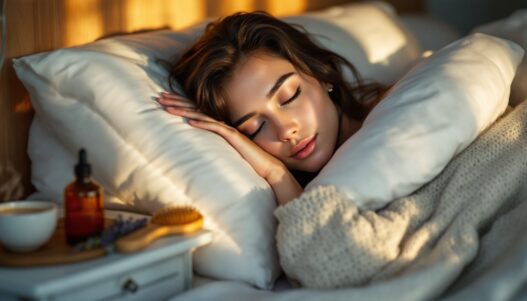
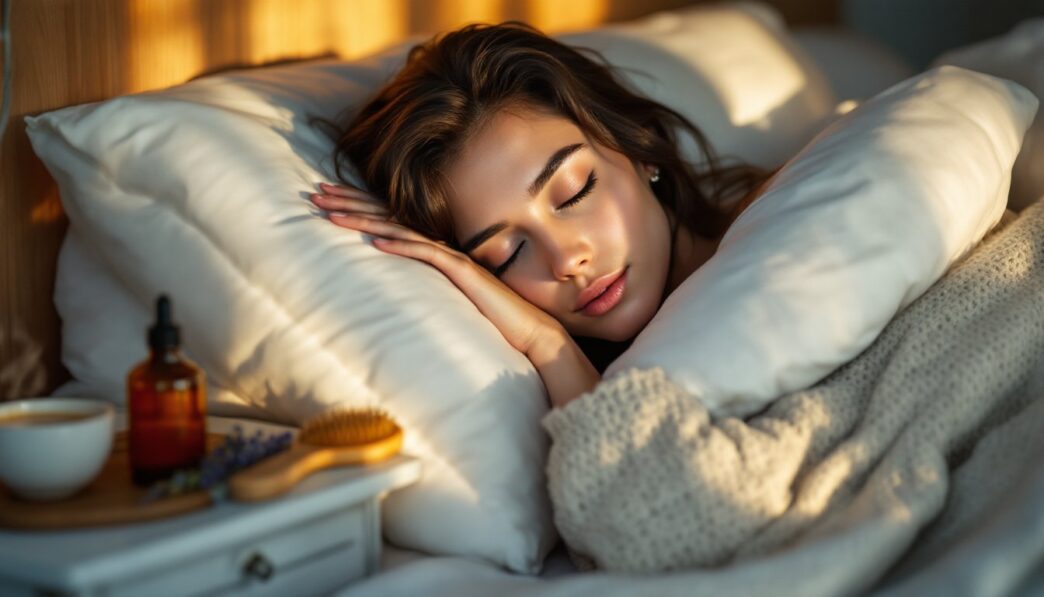
When I close my eyes at night, my body doesn’t just switch off. It goes into one of its busiest shifts of the day, repairing, cleaning, rebuilding. Ayurveda has been pointing at this for thousands of years, naming sleep as the time when ojas, our deep reserve of vitality and glow, is replenished.
If I shortchange sleep, I’m essentially borrowing tomorrow’s radiance to pay for tonight’s scroll. The face notices. The hair notices. Even my posture notices.
Think of nighttime as the cool, heavy, stable counter-balance to our hot, mobile, sharp daytime. Skin softens. Breath slows. The nervous system finally exhales. That settling is where beauty quietly happens.
Cellular Repair and Collagen Production Overnight
During deep sleep, my body releases growth hormone, which drives the rebuilding of skin, muscle, and connective tissue. Collagen, the protein that keeps skin springy, is laid down in these unhurried hours. In Ayurvedic terms, this is rasa and mamsa dhatu (the plasma and muscle tissues) being nourished, which is what gives skin its plump, smooth quality.
When I sleep well, my agni (digestive and metabolic intelligence) finishes its overnight cleanup instead of being pulled into stress mode. Less internal residue, more clean repair. That’s why a well-rested face looks lit from within rather than puffy or dull.
Try this today: Aim for lights out by around 10 p.m., even one night this week. Takes 5 minutes to set up: ideal for anyone feeling depleted. Not for shift workers tonight, start with a single anchor habit instead.
Hormonal Shifts That Influence Your Looks
Sleep is when cortisol (the stress hormone) is meant to drop and melatonin rises. If I stay up late, cortisol stays elevated, which Ayurveda would describe as aggravated Pitta and Vata, too much heat, too much movement, not enough grounding. Skin reacts with breakouts, redness, or that wired-but-tired look.
Low melatonin also means less antioxidant protection overnight, so the small daily wear and tear on skin doesn’t get cleaned up properly. Over weeks, that shows.
Try this today: Dim overhead lights an hour before bed and switch to a single warm lamp. 2 minutes: great for everyone, especially anxious sleepers. Skip if your environment isn’t safe with low light.
How Poor Sleep Shows Up on Your Skin
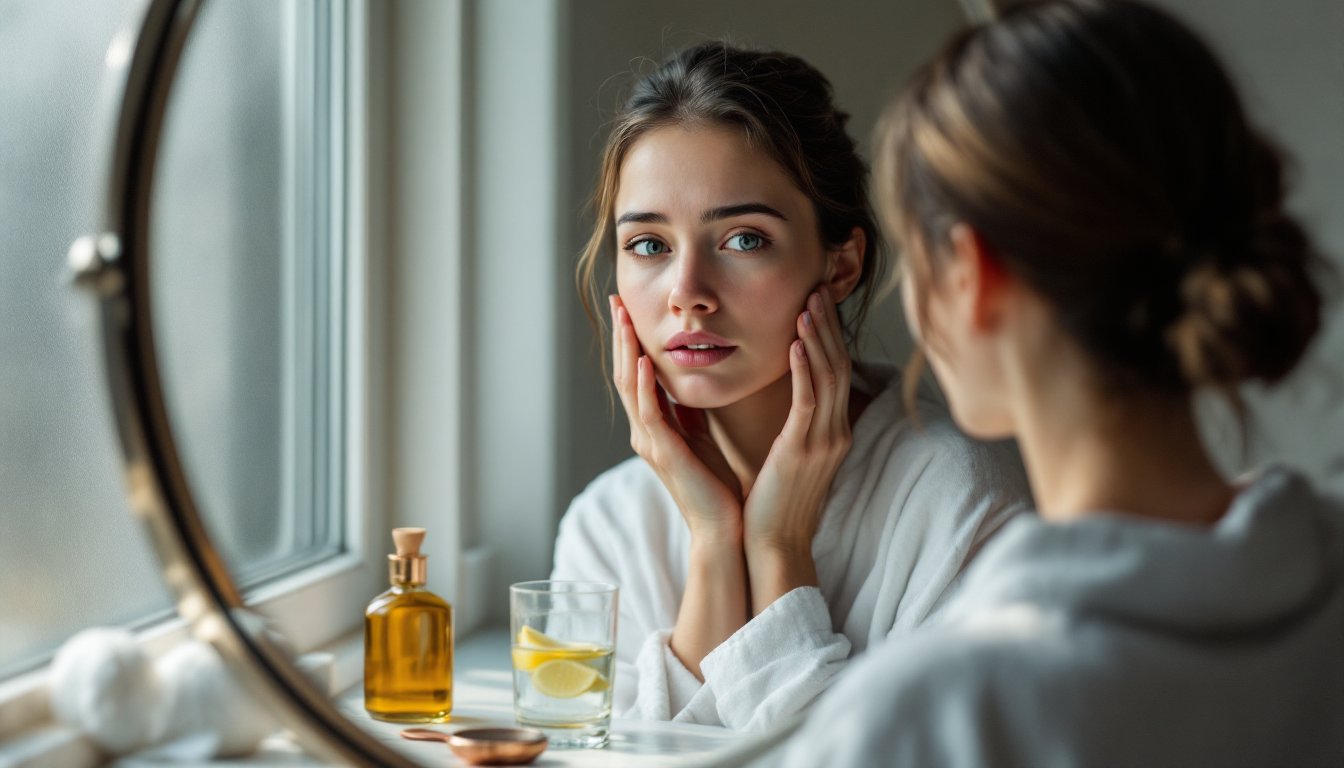
I can usually tell within a day or two of bad sleep, my skin loses that smooth, even quality and starts feeling rougher, drier, somehow both oily and flaky at once. That’s the language of imbalance. Ayurveda would say my agni has gotten erratic, ama (sticky undigested residue) is building up, and my doshas are out of their lanes.
The skin is essentially a mirror of inner digestion and inner calm. When either falters, the surface tells on us.
Dark Circles, Puffy Eyes, and Dull Complexion
Puffiness around the eyes is classic Kapha territory, heavy, stagnant, watery quality pooling where circulation is slow. Dark circles, on the other hand, lean Vata: dry, depleted, with that bluish, hollow look that comes from a tired nervous system and poor prana flow.
Dullness usually means ama is in the picture. Instead of skin reflecting light evenly, it looks coated, like a window that needs cleaning. My personal tell: when my tongue has a thick film in the morning, my face looks foggy too. They travel together.
Try this today: Drink a warm cup of water with a squeeze of lemon on waking, then gently scrape your tongue. 90 seconds: helpful for most adults. Skip the lemon if you have active acid reflux.
Accelerated Aging, Fine Lines, and Wrinkles
Chronic short sleep keeps the body in a dry, mobile, sharp state, exactly the qualities that age skin faster. Vata’s rough, light nature dominates, moisture leaves the tissues, and fine lines settle in around the eyes and mouth.
Underneath, tejas (the metabolic spark that gives skin its glow) starts burning unevenly. Too much heat in some places, not enough in others. That’s how I end up with redness on my cheeks and dryness on my forehead in the same week.
Good sleep is one of the most powerful anti-aging tools I have, and it costs nothing.
Try this today: Massage a few drops of warm sesame or almond oil onto your face after cleansing at night. 3 minutes: lovely for dry, lined, or tired skin. Patch test first if you’re acne-prone.
The Link Between Sleep and Hair Health

My hair has always been the loudest messenger. When I’m sleeping well, it’s shinier, thicker at the root, and behaves. When I’m not, it gets brittle at the ends and starts shedding more in the shower. Ayurveda places hair under the umbrella of asthi dhatu (bone tissue) and considers it deeply connected to the nervous system and to prana.
So poor rest doesn’t just stress the scalp, it depletes the whole foundation hair grows from.
Sleep Deprivation, Stress, and Hair Loss
When Vata is aggravated by late nights, irregular hours, and a buzzing mind, hair often responds first. The follicle is small, sensitive, and easily affected by the dry, mobile, rough qualities that come with sleeplessness.
Elevated cortisol from chronic poor sleep also pushes more hairs into the shedding phase. Add in weak agni, which means even the nutrients I eat aren’t being fully absorbed, and the strands have less to work with. It’s a quiet cascade, but a real one.
Try this today: A short, slow scalp massage with warm coconut or sesame oil before bed, just 2 minutes with your fingertips. Great for stressed, thinning, or dry hair. Skip if you have an active scalp infection.
How Rest Supports Stronger, Shinier Hair
When I sleep deeply, blood flow to the scalp improves, hormones balance, and the tissues that feed hair, plasma, blood, and bone, get properly nourished. Ayurveda would say ojas is being rebuilt, and ojas is what gives hair that soft, smooth, almost lit-from-within shine.
There’s a reason a well-rested person’s hair just looks alive. It’s not the shampoo. It’s the inner reservoir.
Consistent sleep also steadies tejas, which keeps the scalp from getting too hot or too oily. Less inflammation, less dandruff, more even growth.
Try this today: Set a wind-down alarm 45 minutes before your target bedtime. 1 minute to set: helpful for anyone who loses track of time at night. Not ideal if alarms make you anxious, use a candle or a song instead.
Sleep’s Impact on Body Weight, Posture, and Overall Appearance
Sleep shapes how I carry myself, not just how I look in close-up. When I’m rested, I stand taller, breathe deeper, move with a kind of unhurried steadiness. When I’m not, I slump, I snack, I shuffle. The whole silhouette changes.
Ayurveda would describe well-rested presence as balanced prana moving freely through a grounded body. Poor sleep scatters that prana, and we feel it head to toe.
Why It Works: Qualities and Their Opposites
The core principle here is opposites balance. A day that is hot, fast, sharp, and dry needs a night that is cool, slow, dull (in the calming sense), and a little oily. If I keep my evenings stimulating, bright screens, spicy food, loud conversations, I’m doubling down on day qualities and asking my body to repair in the wrong climate.
A cool, dim, quiet, slightly heavy evening invites real sleep. And real sleep is what changes appearance from the inside.
Try this today: Eat your last meal by around 7 p.m. and keep it warm and simple. 20 minutes: suits most adults. Not for those with blood sugar issues, adjust timing with your provider.
A Practical Plan: Food and Lifestyle
For food (ahara), I lean toward warm, easy-to-digest meals at night, think soupy dal, cooked vegetables, a little ghee. Heavy, cold, or raw foods late in the day overwhelm agni and leave ama behind, which then shows up on the face by morning.
For lifestyle (vihara), I keep evenings smooth and a touch boring on purpose. A walk after dinner, a warm shower, a few pages of a paper book. Phones live in another room when I can manage it.
And water, sipped warm through the day, not gulped at night, keeps tissues hydrated without disrupting sleep.
Try this today: Swap your evening cold drink for warm water with a pinch of cardamom. 3 minutes: gentle on most people. Skip cardamom if you’ve had a reaction to it before.
If You’re More Vata, Pitta, or Kapha
If you’re more Vata (light, dry, quick, often cold), your sleep tends to be shallow and your mind races at night. Try a warm, oily dinner like khichdi with ghee, a foot massage with sesame oil, and a steady bedtime even on weekends. Keep the bedroom warm and quiet. The one thing to avoid: late-night screens or stimulating conversations after 9 p.m.
Try this: Oil your feet for 2 minutes before bed. Ideal for restless, anxious sleepers. Not for those with diabetic foot concerns, check with your provider.
If you’re more Pitta (warm, sharp, intense, ambitious), you may fall asleep fine but wake at 2 or 3 a.m. with a busy mind. Try a cooler bedroom, a lighter dinner, and coconut oil on the scalp a couple of nights a week. Avoid working or arguing right up to bedtime, Pitta needs a real cool-down ramp.
Try this: 10 slow breaths with a longer exhale at lights out. Wonderful for hot, driven types. Skip if breathwork makes you dizzy.
If you’re more Kapha (steady, soft, heavy, easygoing), oversleeping can actually dull your glow and slow your metabolism. Try an earlier wake-up around 6 a.m., a lighter and earlier dinner, and some morning movement. Avoid heavy late-night snacks and naps after 3 p.m.
Try this: A brisk 10-minute morning walk. Great for sluggish mornings. Skip if you’re recovering from illness or injury.
Ideal Daily Routine (Dinacharya)
Two habits have changed my skin and hair more than any product. First, a consistent wake time, even within a 30-minute window, anchors my whole nervous system and stabilizes agni. Morning sunlight on the face for a few minutes seals the deal.
Second, an unhurried evening wind-down: dinner by sunset when possible, a warm shower, gentle stretching, and lights low. This shift from day qualities to night qualities is where appearance is quietly built.
Try this today: Pick one anchor, wake time or wind-down, and keep it for 7 days. 5 minutes a day: suits almost everyone. Not for those in acute crisis: be gentle with yourself first.
Seasonal Adjustment (Ritucharya)
In hot, sharp summer months, I lean cooler, lighter dinners, coconut oil on the scalp, a cool (not cold) shower in the evening, and a slightly later bedtime is fine because daylight is long. In cold, dry winter months, I go warmer and oilier, heavier oils on skin and hair, earlier bedtimes around 9:30 p.m., and an extra blanket so the body doesn’t waste energy staying warm.
In wet, heavy seasons, I keep things light and a little stimulating so Kapha doesn’t pool, earlier wake-ups, drier foods, and a brisker morning routine.
Try this today: Match tonight’s oil to the season, sesame in cold, coconut in heat. 2 minutes: suits most skin types. Patch test new oils first.
Modern Relevance: Why This Lands Now
We live in a culture that treats sleep as optional and skincare as the answer. Ayurveda flips it. The nervous system, the gut, the hormones, all the modern buzzwords, are simply newer names for what classical texts called prana, agni, and ojas. Beauty rest isn’t a marketing phrase. It’s biology meeting an old, quiet wisdom.
When I sleep well, my expensive products finally work. When I don’t, no serum saves me.
Try this today: Before buying your next skincare item, give yourself one full week of consistent sleep and see what changes. 0 minutes, 0 dollars: for anyone curious. Not a replacement for medical care if you have a diagnosed skin condition.
A Gentle Note on Safety
This is general education, not medical advice. If you’re pregnant, managing a condition, or taking medication, please check with a qualified professional before changing routines, oils, or foods.
Closing Thoughts
Here’s what I keep coming back to: my face and hair aren’t separate from my life. They’re a daily report card on how I’m resting, eating, and pacing myself. When I treat sleep as sacred, cool, quiet, consistent, my appearance softens in ways no product has matched.
You don’t need a full overhaul. Pick one small thing from this piece, try it for a week, and watch what your mirror says. I’d love to hear which habit you choose, what feels most doable for your life right now?