Why Meal Prep Templates Save More Than Just Time
The obvious benefit of meal prep is efficiency. You chop once, cook once, eat several times. But there’s a deeper layer that most meal prep articles skip over entirely.
When you eat irregularly, skipping lunch, grabbing something heavy late at night, snacking on cold leftovers straight from the fridge, your body’s metabolic rhythm gets disrupted. In Ayurvedic terms, this weakens your agni, and weak digestion creates a sluggish residue called ama that leaves you feeling foggy, bloated, and drained. You know that heavy, coated-tongue feeling on a Monday morning? That’s ama talking.
Templates solve this because they build consistency without rigidity. You’re not locked into eating the same chicken breast five days running. Instead, you have a warm, nourishing framework that adapts to what’s fresh, what’s in season, and what your body actually wants that week.
The result is lighter energy, better mood stability, and a digestive system that actually works with you instead of against you. I’ve found that when my meals have a predictable rhythm, warm lunch around noon, lighter dinner before 7 PM, everything else falls into place more easily.
Try this: Pick just one template from this list and commit to it for a single week. Spend about 60–90 minutes prepping on a weekend. This works well for anyone feeling overwhelmed by weeknight cooking decisions. If you have specific dietary restrictions or health conditions, adjust the ingredients to suit your needs.
How to Choose the Right Template for Your Week

Not every week is the same, and that’s exactly why having multiple templates matters. Some weeks are packed with back-to-back meetings, and you need grab-and-go options. Other weeks are slower, and you can afford to reheat a proper bowl at lunch.
I like to think about this in terms of qualities. A frantic, high-travel week has a lot of mobile, light, dry energy, so you want meals that are grounding, warm, and a little heavier to balance things out. A slow, rainy week at home might call for something lighter and more stimulating, with a bit of spice and crunch.
Here’s my simple decision process: on Friday or Saturday, I glance at my calendar for the upcoming week. If it’s chaos, I lean toward the slow cooker or big batch soup templates, minimal effort, maximum nourishment. If I have more breathing room, I might try the bowl builder or salad template.
Also consider what season you’re in. During cold, dry months, I gravitate toward warm stews and oily, well-spiced dishes. In summer’s heat, I shift toward the salad and bowl templates with cooling herbs like cilantro and mint.
Try this: Before your next grocery run, spend five minutes scanning your week ahead. Choose your template based on your schedule’s intensity and the current weather. This is great for anyone who’s tried meal prep before but found it too rigid. If you’re new to cooking entirely, start with the sheet pan or slow cooker templates, they’re the most forgiving.
The Sheet Pan Protein and Veggie Template
This is my go-to when I want variety without complexity. The idea is dead simple: pick a protein, pick two or three vegetables, toss everything with oil and spices, and roast on a single sheet pan.
What I love about this template is the warmth and the gentle oiliness of roasted food. Roasting brings out natural sweetness and creates a satisfying, grounding quality in your meals. The warm, slightly heavy, oily nature of roasted vegetables is particularly soothing when life feels scattered or when the weather turns cool and dry.
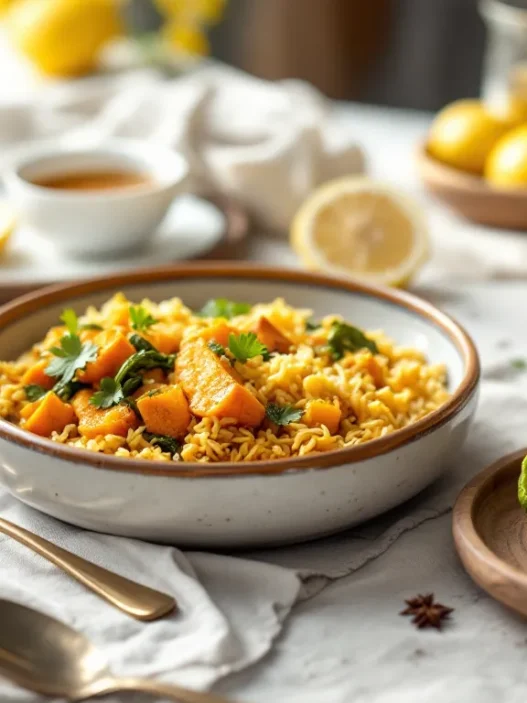
A typical sheet pan for me might be cubed sweet potatoes, broccoli, and chickpeas with cumin, turmeric, and a drizzle of ghee. I’ll roast two pans’ worth and portion them into glass containers. That gives me lunches for three to four days.
The key is choosing vegetables that roast at similar speeds. Root vegetables and cruciferous veggies work beautifully together. Leafy greens, not so much, save those for your salad template.
Try this: Prep two sheet pans on Sunday afternoon, about 45 minutes of active time. This template works wonderfully for anyone who finds cooking intimidating, since there’s almost nothing to mess up. If you tend to run cold or feel anxious during busy weeks, this warm, grounding approach is especially supportive.
The Big Batch Soup or Stew Template
There’s something about a pot of soup simmering on the stove that makes a house feel like a home. This template is my winter workhorse.
Soups and stews are already partially broken down through slow cooking, which means your body doesn’t have to work as hard to digest them. This is huge during stressful weeks when your digestive capacity might already be compromised. The warm, moist, soft qualities of a good stew are the exact opposite of the cold, dry, rough qualities that accumulate when you’re running on fumes and skipping meals.
My basic formula: a base of sautéed onions and garlic in ghee, a grain or legume for substance, seasonal vegetables, warming spices like ginger and black pepper, and enough broth to make it soupy. One big pot yields six to eight servings easily.
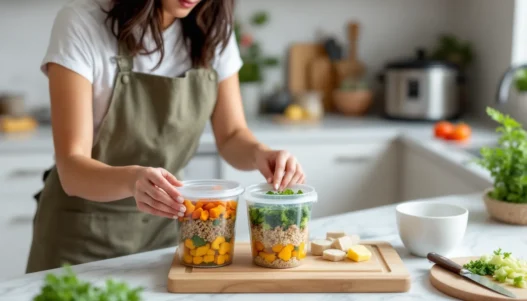
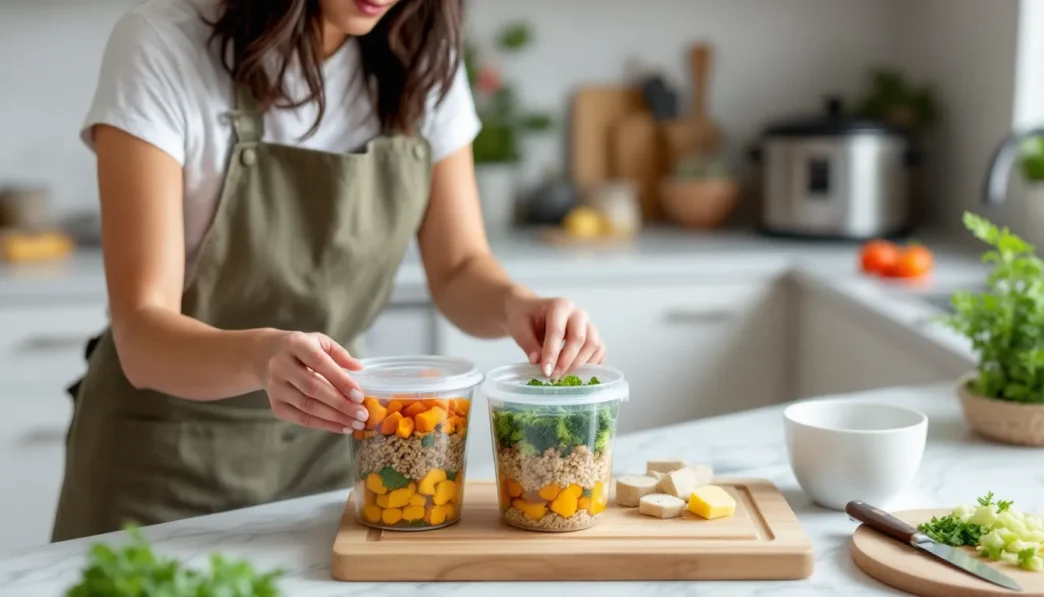
I portion these into individual containers and keep half in the fridge, half in the freezer. Lunch is literally just reheating.
Try this: Make one large pot of soup this weekend, roughly 90 minutes including simmering time. This template is perfect for anyone with a sensitive stomach or anyone going through a particularly demanding stretch. If you tend to feel heavy or congested after eating, add a pinch of black pepper and fresh ginger to keep things moving.
The Bowl Builder Template
Bowls are endlessly customizable, which makes this template a favorite for people who get bored easily. The structure is: one grain base, one protein, two toppings, one sauce.
I’ll cook a big batch of rice or quinoa, prepare a protein (roasted tofu, baked chicken, seasoned lentils), and then prep a few toppings, pickled onions, roasted seeds, sautéed greens, avocado. The sauce is where the magic happens. A tahini-lemon dressing, a cilantro-ginger sauce, or even a simple drizzle of good olive oil with salt changes the entire personality of the bowl.
What I appreciate about this approach is the balance of qualities. You get the stable, heavy quality from the grain, the sharp and warm quality from spices and sauces, and the subtle freshness from raw toppings. It’s a full spectrum of nourishment in one container.
This template also supports your body’s deeper vitality, what Ayurveda calls ojas, because you’re combining whole foods in a balanced way. When ojas is strong, you feel resilient, calm, and genuinely well-rested. When it’s depleted, even eight hours of sleep doesn’t feel like enough.
Try this: Prep your grain, protein, and two toppings on Sunday, about 60 minutes total. Assemble fresh bowls each morning. This works beautifully for anyone who values variety and creativity in their meals. If you tend toward sluggishness after lunch, keep the grain portion moderate and increase the vegetables.
The Breakfast Grab-and-Go Template
I used to skip breakfast entirely, telling myself I wasn’t hungry. The truth was, my body had simply stopped expecting food in the morning because I’d been so inconsistent.
Breakfast sets the tone for your entire digestive day. Eating something warm and light between 7 and 8 AM gently wakes up your agni, like kindling a fire rather than dumping a log on cold ashes. Skipping it, or eating something ice-cold and heavy, leaves that fire sputtering.
My grab-and-go breakfast prep usually involves overnight oats (soaked with warm spices like cinnamon and cardamom), egg muffins with vegetables, or small jars of chia pudding made with warm milk the night before. I prep five servings on Sunday and they’re ready to grab each morning.
The trick is keeping breakfast light but warm in quality, even if you eat it at room temperature. Soaking grains overnight makes them easier to digest, and the spices add a gentle metabolic spark, what Ayurveda calls tejas, that clarity and brightness that makes your mornings feel purposeful rather than groggy.
Try this: Prep five breakfasts in about 30 minutes on Sunday evening. This is ideal for anyone who routinely skips breakfast or relies on coffee alone. If you run hot and tend toward acid reflux, skip the cinnamon and use cooling cardamom and fennel instead.
The Slow Cooker Set-It-and-Forget-It Template
If you’ve ever come home after a long day to the smell of a meal that cooked itself, you know the particular joy of this template.
Slow cooking mirrors the Ayurvedic principle of gentle, sustained transformation. Low heat over many hours breaks food down thoroughly, making nutrients more accessible and reducing the burden on your digestion. The result is smooth, well-cooked food with warm, moist, soft qualities, deeply nourishing.
My slow cooker formula: a protein or legume, aromatics (onion, garlic, ginger), a liquid base (broth or coconut milk), and a spice blend. I set it before work and come home to dinner plus three or four days of leftovers.
Favorites include dal with turmeric and cumin, chicken stew with root vegetables, or a simple bean chili. The long, slow cooking infuses every ingredient with flavor, which means you don’t need to rely on heavy sauces or excessive salt.
Try this: Load your slow cooker before leaving for work, about 15 minutes of active prep. This template is a lifesaver for anyone with truly packed schedules. If you tend toward feeling dull, heavy, or lethargic, add warming spices like mustard seed, ginger, and a pinch of cayenne to keep your energy clear.
The Mix-and-Match Salad Template
I’ll be honest, I resisted salads for a long time because raw food can be tough on digestion, especially in colder months. But a well-designed salad template actually works beautifully when you add warm, cooked elements.
The framework: a bed of greens (or massaged kale, which is easier to digest), one roasted or cooked component, one raw crunchy element, a protein, and a dressing with some warmth to it, think ginger-miso or a lemon-tahini with black pepper.
This template brings together opposite qualities in a really satisfying way. The cool, light, rough quality of raw greens gets balanced by warm, oily, smooth dressing and roasted vegetables. That interplay of opposites is one of the core principles I keep coming back to: balance isn’t about avoiding things, it’s about combining them thoughtfully.
The key to making this template sustainable is prepping components separately. Wash and dry your greens, roast your vegetables, make your dressing, and store everything in separate containers. Assemble fresh each day so nothing gets soggy.
Try this: Prep all your salad components on Sunday, about 45 minutes. Assemble each morning. This template shines in warm weather or for anyone who tends to feel sluggish and heavy after meals. If you tend toward dryness, anxiety, or cold hands, add extra warm, oily elements and avoid eating this as your main meal on chilly days.
The Freezer-Friendly Batch Cooking Template
This is the long game of meal prep, and honestly, it’s changed my relationship with cooking more than any other approach.
The idea is simple: once or twice a month, you cook double or triple batches of freezer-friendly meals, soups, stews, casseroles, grain dishes, sauces, and stash them. On the nights when cooking feels impossible, you pull something out and reheat it.
From a nourishment perspective, well-made frozen meals retain much of their original quality, especially soups and stews that are already fully cooked. The warming, heavy, oily qualities of a good frozen stew are infinitely better than a cold protein bar or skipped dinner. Your prana, that steady, vital energy that keeps your nervous system humming, stays supported when you eat real, cooked food consistently.
I label everything with the date and contents, and I rotate so nothing sits longer than a month. Glass containers work best for reheating.
Try this: On your next free weekend, double one recipe and freeze half, adds about 20 extra minutes. This template is a game-changer for anyone who has weeks where cooking simply isn’t going to happen. If you’re sensitive to reheated food or notice bloating from leftovers, add a squeeze of fresh lemon and a pinch of fresh ginger when reheating to rekindle the meal’s digestive qualities.
Tips for Staying Consistent With Weekly Meal Prep
The biggest reason people abandon meal prep isn’t lack of recipes, it’s lack of rhythm. And rhythm, in Ayurveda, is everything.
Your body thrives on regularity. Eating at roughly the same times, sleeping at roughly the same times, and yes, prepping at roughly the same time each week. When I anchored my meal prep to Sunday mornings with a podcast and a cup of tea, it stopped feeling like a chore and started feeling like a ritual. That consistency feeds your body’s internal clock, keeps your digestion strong and predictable, and protects your deeper reserves of vitality.
A couple of habits that have kept me on track: I always start by cleaning out the fridge on Saturday evening, ten minutes, tops. Then I write a rough plan based on the week ahead and whatever template I’ve chosen. Sunday morning, I cook. By noon, I’m done for the week.
Another thing that helps: give yourself permission to simplify. If you’re exhausted, the slow cooker or freezer template is perfectly fine. Meal prep isn’t about perfection. It’s about making nourishment easy enough that you’ll actually do it.
As the seasons shift, let your templates shift too. In late autumn and winter, lean into the soups, stews, and slow cooker meals, warm, oily, grounding. In spring, lighten up with more spice and less oil. In summer, bring in the salads and bowls with cooling herbs.
Try this: Choose a consistent day and time for your weekly prep, and pair it with something you enjoy, music, a podcast, good company. Start with just one template. About 10 minutes of planning plus 60–90 minutes of cooking. This approach works for everyone, and it’s especially powerful if you’ve struggled with inconsistency in the past.
This is general education, not medical advice. If you’re pregnant, managing a condition, or taking medication, check with a qualified professional.
Conclusion
Meal prep made simple isn’t about Instagram-worthy containers or eating the same bland chicken for five days. It’s about giving yourself the gift of rhythm, a steady, warm, nourishing foundation that carries you through whatever your week throws at you.
I’ve found that when I take care of the food part, so much else gets easier. My energy is more stable. My thinking is clearer. I sleep better. And I actually enjoy eating again, which is really the whole point.
Start with one template this week. Just one. See how it feels. And if you’d like, come back and tell me which one you tried, I’d genuinely love to hear how it went.
What’s the one meal during your busy week that you most wish was already taken care of?