







Why Blood Sugar Balance Matters for Daily Energy
In Ayurveda, energy isn’t something you chase with stimulants, it’s a reflection of how well your body’s inner intelligence is working. That intelligence starts with agni, your digestive and metabolic fire. When agni burns steadily, food is broken down into usable fuel and your tissues get deeply nourished. When it flickers or flares unpredictably, you get what Ayurveda calls ama, a sticky, heavy residue from incomplete digestion that clogs channels and dulls your clarity.
Blood sugar swings are essentially agni gone erratic. A spike is like throwing paper on a fire: bright and hot for a moment, then gone. A crash is the cold aftermath, dull, heavy, foggy. Over time, this pattern depletes ojas (your deep reserves of vitality and immune strength), dims tejas (the sharp, clear metabolic spark that keeps your mind focused), and destabilizes prana (the mobile life force that governs your nervous system and breath).
Each dosha experiences this differently. If you tend toward Vata, your energy is naturally mobile and light, blood sugar dips can leave you anxious, scattered, and shaky. Pitta types run warm and sharp, so crashes often show up as irritability, acid digestion, or that intense “I need food NOW” feeling. Kapha constitutions tend toward heaviness and stability, so imbalanced blood sugar might look like persistent sluggishness, brain fog, or that weighed-down feeling after meals.
Understanding your pattern is the first step toward correcting it.
Do this today: Notice which of those three descriptions fits your energy dips best. Just observe, no changes yet. Takes about one mindful day of noticing. Great for anyone beginning to tune into their body’s signals.
How Food Choices Affect Blood Sugar Levels
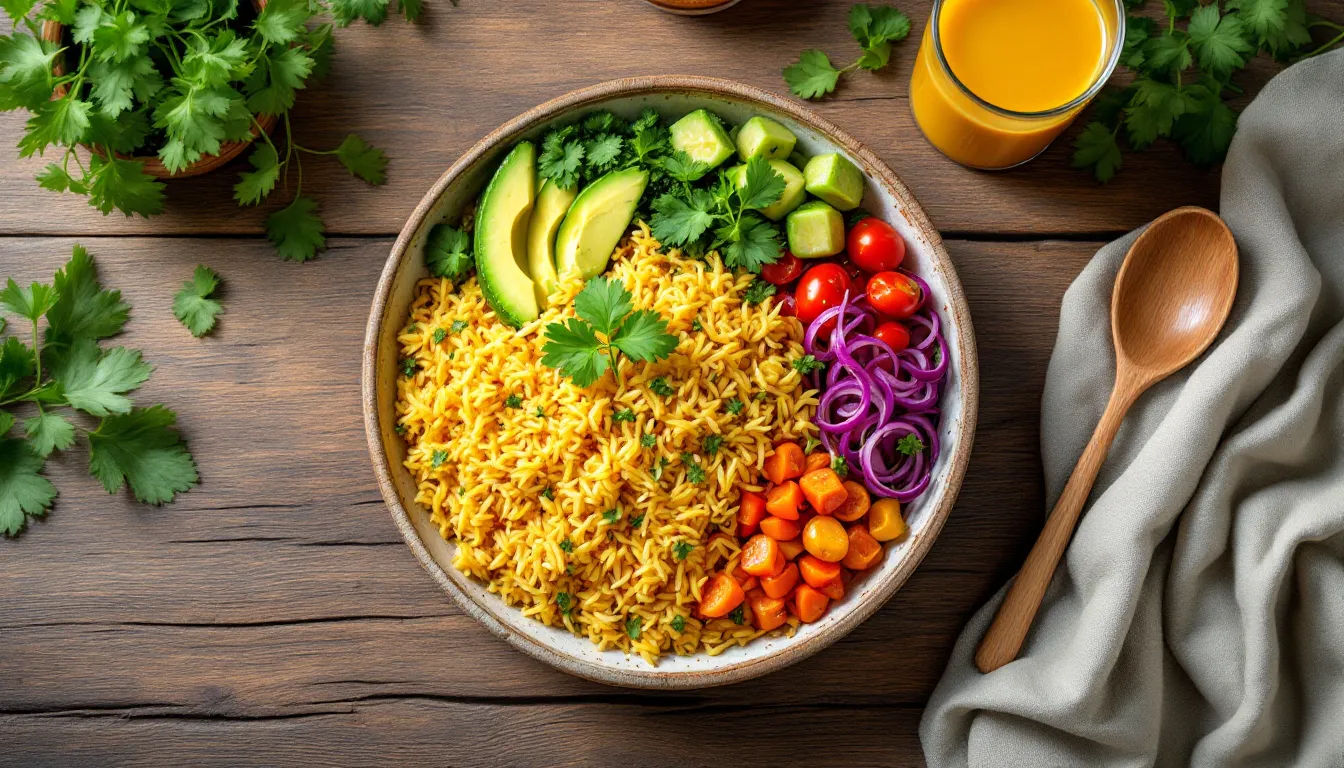
From an Ayurvedic perspective, food isn’t just calories, it carries qualities (gunas) that either stabilize or destabilize your system. A cold, dry rice cake has a very different effect on your body than a warm, oily bowl of kitchari. The qualities of what you eat directly influence how your agni handles it, and that determines whether your blood sugar stays steady or takes you on a rollercoaster.
Foods that are light and dry, think crackers, raw salads, or plain toast, burn fast. They spike agni briefly, then leave it unsupported, which creates those rapid blood sugar swings that Vata types know all too well. On the other end, foods that are excessively heavy and cool, like a big cold smoothie bowl loaded with fruit, can overwhelm a sluggish Kapha agni, leading to incomplete digestion and that post-meal heaviness that signals ama is forming.
The sweet spot (literally) is food that carries a balance of qualities: warm enough to kindle agni, oily enough to sustain it, and grounding enough to keep blood sugar from bouncing around.
The Role of Macronutrients in Blood Sugar Regulation
I find it helpful to think of macronutrients through the Ayurvedic quality lens rather than purely by numbers. Healthy fats, ghee, sesame oil, avocado, carry the oily, heavy, and smooth qualities that slow digestion in the best way, giving agni time to do its work properly. Proteins bring stability and density, anchoring the lightness that carbohydrates introduce. And complex carbohydrates, especially cooked grains, carry a gentle warmth and sweetness (in the Ayurvedic sense, naturally nourishing, building ojas over time).
When a meal includes all three, digestion happens at a measured pace. Agni burns steadily rather than flaring and crashing. The tissues receive nourishment in waves rather than a flood followed by drought.
Refined sugars and highly processed foods, by contrast, are sharp and fast-moving, they rush through your system, overstimulate agni, and leave ama in their wake. That coated tongue in the morning? The foggy head after a sugary snack? Classic ama signs.
Do this today: At your next meal, pair whatever carbohydrate you’re eating with a quality fat, a drizzle of ghee on your rice, half an avocado alongside your grain bowl. Takes zero extra time. Appropriate for all dosha types: especially stabilizing for Vata.
Best Foods to Keep Blood Sugar Steady Throughout the Day
I keep coming back to foods that Ayurveda considers deeply nourishing, the ones that build ojas rather than just filling you up. These are the warm, slightly oily, moderately heavy, and smooth foods that your agni can actually work with.
Cooked whole grains like basmati rice, quinoa, and oats (prepared warm, not overnight-soaked and cold) provide sustained, grounding energy. Mung beans are a personal favorite, they’re one of the few legumes Ayurveda considers easy on all three doshas because they’re light enough not to overwhelm Kapha agni but nourishing enough to stabilize Vata.
Ghee is honestly my secret weapon for blood sugar balance. It’s smooth, oily, and carries a subtle coolness that tempers Pitta’s sharpness while feeding agni without aggravating it. A teaspoon with meals makes a noticeable difference in how long my energy lasts.
Cooked vegetables, especially sweet potato, squash, beets, and leafy greens sautéed with spices, bring grounding, stabilizing qualities. Raw vegetables, while nutritionally valuable in a modern sense, carry rough, dry, cold qualities that can destabilize Vata and weaken a delicate agni. If your energy crashes tend to come with bloating or gas, that’s a clue your agni prefers cooked food.
Spices like cinnamon, turmeric, cumin, and ginger aren’t just flavor, they stoke agni gently, helping your body metabolize food more completely. Less ama, more tejas, steadier blood sugar.
Do this today: Try a warm breakfast of cooked oats with ghee, cinnamon, and a few soaked almonds. Give it a week and notice your mid-morning energy. Takes 10 minutes to prepare. Wonderful for Vata and Kapha types: Pitta types can lighten the ghee slightly and add cooling cardamom.
Meal Timing and Eating Habits That Support Stable Energy
Ayurveda pays close attention to when you eat, not just what. Your agni follows the rhythm of the sun, it’s gentle in the early morning, strongest around midday, and winding down by evening. Eating in harmony with this rhythm is one of the most effective things I’ve done for blood sugar balance.
Make lunch your main meal. This is when your digestive fire is at its peak, hot, sharp, and capable of handling heavier or more complex foods. A substantial, well-spiced lunch with grains, protein, vegetables, and a good fat gives your body fuel that lasts deep into the afternoon without a crash.
Dinner, on the other hand, works best when it’s lighter and eaten earlier, ideally by 6:30 or 7 p.m. A heavy, late dinner sits in a system where agni is cooling down, and that’s a recipe for ama formation overnight. I notice that when I eat late, my morning energy suffers, my tongue has a coating, and my appetite is off, all signs that last night’s meal didn’t fully digest.
Breakfast can be moderate and warm. It doesn’t need to be enormous, just enough to gently wake agni without flooding it.
One habit that’s helped me enormously: eating without distractions. When my attention is on my food, my agni responds more fully. When I’m scrolling or working through a meal, digestion becomes scattered and incomplete, even if the food itself is perfect.
Do this today: Move your largest meal to midday for three days and keep dinner light and early. Notice the difference in your afternoon and morning energy. Takes no extra time, just a shift in proportion. Suitable for all constitutions.
Common Mistakes That Cause Energy Crashes
I’ve made every one of these mistakes, so there’s no judgment here, just recognition.
Skipping meals is a big one, especially for Vata types. When you skip a meal, agni has nothing to work on, and the mobile, erratic quality of Vata takes over. Blood sugar drops, anxiety rises, and when you finally eat, you tend to overeat, which overwhelms agni and produces ama.
Relying on cold, raw foods throughout the day is another common pattern. Smoothie bowls, salads, cold-pressed juices, they carry cold, light, and rough qualities that can actually diminish agni over time. If your digestion feels sluggish and your energy dips after these meals, the qualities simply aren’t matching what your body needs.
Constant snacking disrupts the digestive cycle. Ayurveda recommends giving your agni space to fully process one meal before introducing the next. When you graze all day, agni never completes its work, and half-digested residue accumulates. For Kapha types especially, this habit intensifies heaviness and dullness.
Excess caffeine on an empty stomach creates a sharp, mobile spike, almost like borrowing prana from tomorrow. It stimulates without nourishing, and the crash that follows is your body’s honest feedback.
Do this today: Pick the one mistake you recognize most in your own habits. Just that one. Gently adjust it for a few days and notice what shifts. Takes only awareness. Not appropriate as a standalone fix if you have a diagnosed metabolic condition, work with a practitioner in that case.
Simple Daily Strategies for Long-Lasting Energy
Here’s where it all comes together, the daily rhythm that supports steady blood sugar balance from morning through evening.
Morning: Start with a cup of warm water, perhaps with a thin slice of fresh ginger. This gently wakes agni, think of it like lighting a pilot flame before asking it to cook a full meal. Follow with a warm, grounding breakfast. This simple dinacharya (daily routine) habit sets the tone for your entire day’s energy.
Midday: Eat your largest meal between 11 a.m. and 1 p.m. Include cooked grains, a quality protein, well-spiced vegetables, and a healthy fat. Take five slow breaths before eating. This is the one time of day your agni is strong enough to turn even a hearty meal into clean-burning fuel rather than ama.
Evening: A light supper, a short walk after dinner (even ten minutes helps digestion move downward and settle Vata), and a conscious wind-down. Avoid screens and stimulation as the Kapha time of night (after 6 p.m.) naturally invites slowing down. Sleeping before 10 p.m. protects prana and allows your body’s overnight repair processes to rebuild ojas.
For personalized dosha guidance:
If you’re more Vata, prioritize warm, oily, grounding foods at every meal. Sweet potato with ghee, warm spiced milk in the evening, cooked grains rather than dry or cold options. Eat at consistent times: your mobile nature resists routine, but routine is exactly what stabilizes your blood sugar. Avoid fasting or skipping meals. Try adding a midday meal with basmati rice, mung dal, and ghee this week, 15 minutes to prepare, profoundly steadying for Vata energy patterns.
If you’re more Pitta, focus on cooling, moderately substantial meals that don’t leave you running on sharp, hot, fast-burning fuel. Favor coconut oil or ghee over heating oils, include sweet grains and bitter greens, and avoid excessive spice, caffeine, or skipping lunch (Pitta hangry is a real thing). Try replacing your afternoon coffee with a cool fennel-coriander tea, takes 5 minutes. Especially helpful for Pitta types: less relevant if you tend toward Kapha sluggishness.
If you’re more Kapha, keep meals warm, light, and well-spiced. Favor pungent and bitter tastes that stimulate your naturally slower agni. Ginger tea before meals works wonders. You can handle longer gaps between meals better than Vata or Pitta, but don’t skip them entirely. Avoid heavy, cold, sweet foods, they increase the dense, dull qualities that make blood sugar sluggishness worse for you. Try swapping your cold morning cereal for a small bowl of warm quinoa with cinnamon and a pinch of black pepper, 10 minutes to make, and it changes how your whole morning feels.
Seasonal adjustment: In late autumn and winter, the cold, dry, mobile season that aggravates Vata, blood sugar balance requires extra attention to warmth and oil in your meals. I add more ghee, cook with warming spices like ginger and cinnamon, and eat slightly heavier midday meals during this season. In summer’s heat, I shift toward cooling grains and lighter fats. Paying attention to how the season’s qualities affect your digestion keeps your approach flexible and effective year-round.
One small modern bridge here: much of what science now describes about glycemic response, insulin sensitivity, and the gut-brain axis maps beautifully onto what Ayurveda has observed for centuries about agni, ama, and the relationship between digestion and mental clarity. You don’t have to choose between frameworks. But I find that Ayurveda gives me something the modern model often lacks, a personalized, qualitative understanding of my body rather than generalized averages.
Do this today: Choose one morning habit and one mealtime adjustment from above. Practice both for five days. Takes minimal extra time. Appropriate for everyone: adjust the specifics to your dosha tendency.
Conclusion
Blood sugar balance isn’t about perfection or rigid control. It’s about working with your body’s natural intelligence, your agni, your constitution, your rhythms, rather than overriding them with quick fixes.
What I’ve found is that the steadiest energy comes from the simplest shifts: warm food, good fat, consistent timing, and a willingness to notice what your body is actually telling you. Ayurveda doesn’t ask you to overhaul everything overnight. It asks you to pay attention, start small, and trust that your body knows how to find balance when you give it the right conditions.
I’d love to hear what resonates with you. Which dosha pattern did you recognize in your own energy dips? What’s one small thing you’re willing to try this week? Drop a thought in the comments or share this with someone who’s tired of the afternoon crash, it might be exactly what they need to hear.