
Understanding Your Hair Type and Its Unique Needs
Before I bought a single bottle of anything, I had to figure out what my hair actually is, not just curly or straight, but what’s driving it underneath.
In Ayurveda, hair is considered a byproduct of asthi dhatu (bone tissue) and is deeply shaped by your dominant dosha. Vata hair tends to be dry, fine, frizz-prone, sometimes coarse, think light, rough, mobile qualities. Pitta hair is usually fine to medium, often with early graying, thinning, or a warm scalp, sharp, hot, oily qualities at play. Kapha hair is thick, wavy, lush, sometimes heavy and slow to dry, that’s the stable, smooth, oily signature.
When you know your baseline, you stop fighting your hair. You start working with it. A Vata head of hair doesn’t need clarifying shampoo every other day. A Kapha scalp doesn’t need a heavy oil left on for 12 hours.
Try this today (2 minutes): Look in the mirror and notice three things, your scalp feel (dry, warm, or oily?), your strand thickness, and how your hair behaves on day two. That’s your starting point. Great for everyone. Not for moments when you’re being self-critical, come back to it with curiosity instead.
Building a Gentle Cleansing Routine

I used to wash my hair like I was scrubbing a pan. Hot water, foamy shampoo, repeat. My scalp paid for it.
Ayurveda sees over-cleansing as a Vata aggravator, too much dryness, too much air, too much movement stripping the scalp. On the flip side, never cleansing properly is a Kapha problem, where heavy, dull buildup smothers the follicle and slows growth. The goal is a middle path: cleanse enough to clear ama (that sticky, undigested residue that also shows up as scalp gunk), but not so much that you scrape away your natural oils.
Lukewarm water, please. Hot water is sharp and drying. A mild, sulfate-free cleanser, or even a traditional shikakai or reetha rinse, respects the scalp’s natural intelligence.
How Often You Should Really Wash Your Hair
Honestly? It depends on your dosha and your environment. Vata-leaning hair usually thrives on once or twice a week. Pitta scalps often want twice or three times, heat builds up faster there. Kapha hair, with its heavier oil production, can handle three times a week comfortably.
If you work out daily or live somewhere humid, adjust up. If you live somewhere cold and dry, adjust down.
Try this (5 minutes): Next wash, use lukewarm water and massage the scalp with your fingertips, not your nails, for one full minute. Great for all hair types. Skip if you have an active scalp infection, see a professional first.
Deep Conditioning and Moisture Sealing for Lasting Shine
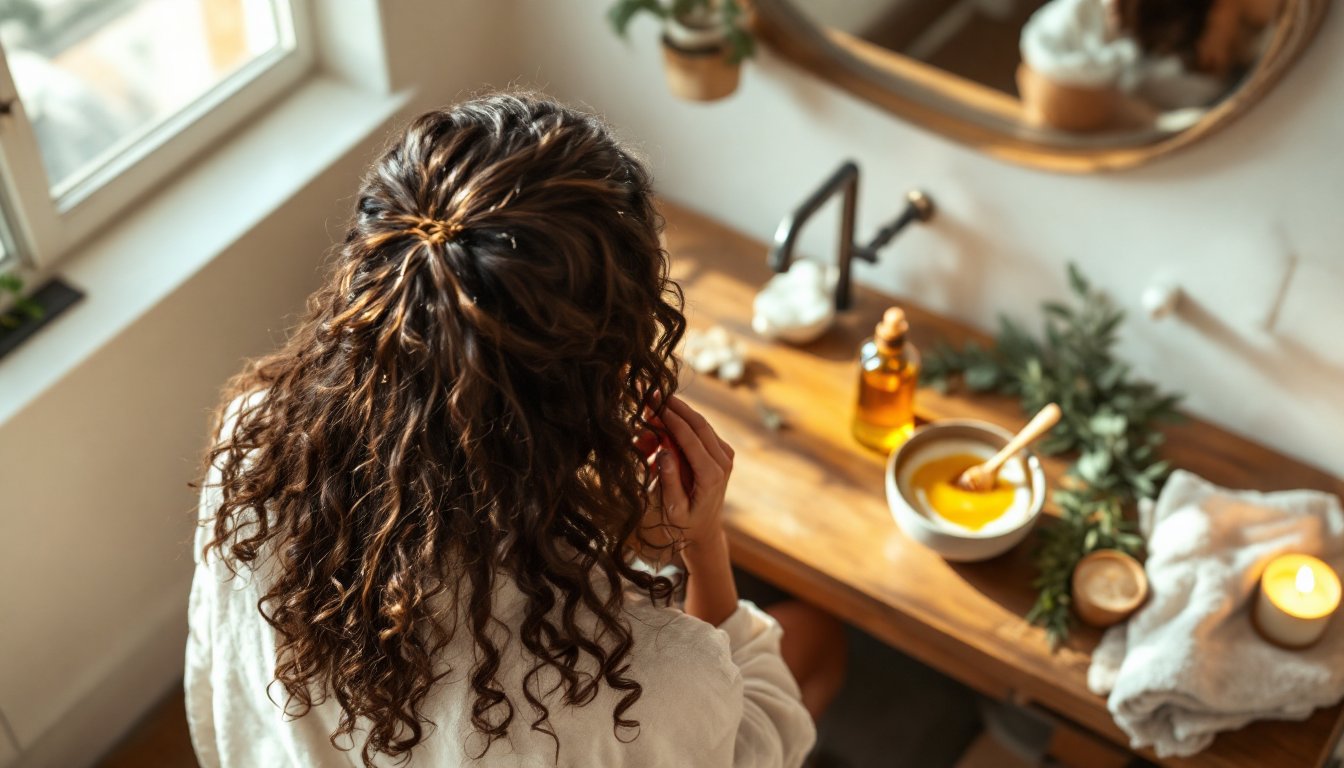
Shine, in my experience, isn’t about silicone. It’s about a hair shaft that’s hydrated inside and sealed smoothly on the outside.
Ayurveda calls on the principle of opposites balance. Dry, rough, brittle hair (Vata signs) needs oily, smooth, heavier qualities to come back into harmony. Hot, inflamed, thinning hair (Pitta signs) wants cooling, soothing inputs like coconut or brahmi. Heavy, limp hair (Kapha signs) needs lighter, more stimulating treatments so it doesn’t feel weighed down.
This is also where ojas comes in, that deep reserve of vitality that gives skin and hair their inner glow. Stress, poor sleep, and over-processing burn through ojas quickly, and your hair is often the first place it shows.
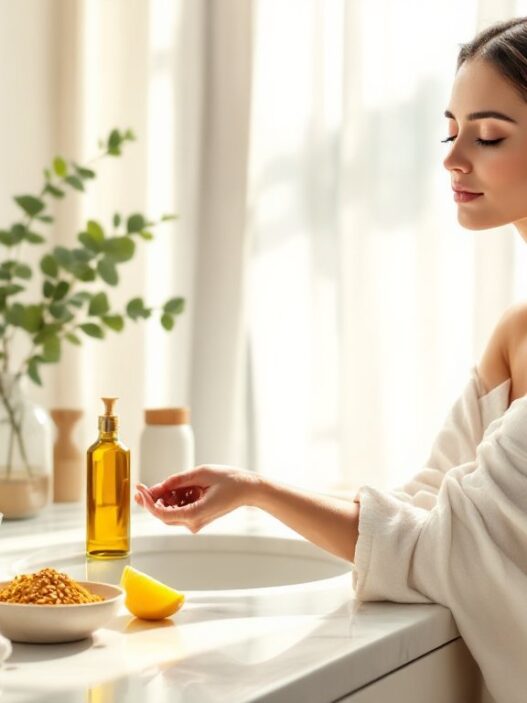
My weekly ritual: warm a small amount of oil (more on which oils in a bit), massage it through lengths and scalp, leave it 30 to 60 minutes, then cleanse gently. Once a month, I follow with a yogurt-and-honey mask for extra smoothness.
Try this (45 minutes, once a week): A pre-wash oil treatment on a quiet evening. Perfect for dry, dull, or chemically treated hair. Not ideal right before an important event, give it a day to settle.
Nourishing Your Hair From the Inside Out
Here’s the part most hair routines skip: your hair eats what you eat.
In Ayurveda, strong hair depends on strong agni, your digestive fire. When agni is bright, food becomes nourishment that eventually reaches the deeper tissues, including asthi and the hair that grows from it. When agni is sluggish or erratic, you get ama, that undigested residue that clogs channels and dulls everything from skin to scalp. Signs of ama? Coated tongue in the morning, heaviness after meals, dull hair, brain fog.
The fix isn’t fancy. It’s warm, cooked, mineral-rich food eaten at regular times, with your biggest meal at midday when your digestive spark is naturally strongest.
Key Vitamins and Foods That Support Hair Growth
Think sesame seeds (deeply nourishing for bone tissue), soaked almonds (a classic ojas-builder), amla in any form (cooling, vitamin C-rich, beloved by Pitta types), ghee in small amounts, leafy greens, mung dal, and seasonal fruit. Coconut water is wonderful in hot months for prana and hydration.
Try this (10 minutes a morning): Soak 5 almonds overnight, peel them, and eat them with breakfast. Excellent for thinning, brittle hair. Skip if you have a nut allergy, sunflower seeds work too.
Natural Oils and DIY Treatments That Actually Work
Oiling is the one habit I’d save if I had to give up everything else.
Bhringraj is my forever favorite, it’s traditionally called the “king of herbs” for hair, and it calms an overheated Pitta scalp while gently stimulating growth. Amla oil strengthens and cools. Brahmi quiets a busy Vata mind (yes, your nervous system and your hair are connected, more on that soon). Coconut oil is cooling and smoothing. Sesame oil is warming, ideal for Vata in cold months. Mustard oil, lighter and slightly sharp, suits Kapha scalps that need stimulation.
A simple DIY I make often: warm sesame oil infused with a few curry leaves and a pinch of fenugreek, strained and stored in a glass bottle. Five minutes of warm massage with this, twice a week, and I can feel the difference within a month.
The massage itself matters as much as the oil. Slow, circular, generous. It moves prana, supports lymphatic flow, and calms the whole system.
Try this (10 minutes, twice a week): Warm oil, massage scalp slowly, leave on at least 30 minutes before washing. Great for almost everyone. Use sparingly if you have very oily or acne-prone scalp.
Protective Styling and Heat Damage Prevention
I love a good blowout. But my hair doesn’t, and pretending otherwise didn’t help anyone.
Heat tools bring sharp, hot, drying qualities, the opposite of what hair needs to stay resilient. Repeated exposure dehydrates the shaft, weakens tejas at the follicle level (yes, your hair has its own metabolic spark), and creates breakage that masquerades as slow growth.
Protective styling, done gently, is your friend. Loose braids at night on a silk or satin pillowcase, low buns with soft fabric scrunchies, and air-drying whenever the weather allows. If you must use heat, use the lowest setting that works, and never on soaking wet hair.
And tight ponytails? They’re sneakier than they look. Constant tension at the same spot weakens the follicle over months. Rotate your part. Switch up where you tie.
Try this tonight (2 minutes): Loose three-strand braid before bed on a smooth pillowcase. Wonderful for all hair types, especially long or wavy hair. Skip very tight braids, they create the exact tension we’re trying to avoid.
Scalp Care: The Foundation of Stronger, Faster Growth
If your hair were a garden, your scalp would be the soil. No good gardener obsesses over leaves while ignoring the dirt.
A balanced scalp is neither parched nor swampy. Vata scalps often feel tight, flaky, itchy in dry air. Pitta scalps run warm, sometimes red, sometimes prematurely thinning. Kapha scalps feel oily, heavy, slower to refresh. Each one needs a slightly different touch, but they all benefit from regular, mindful massage.
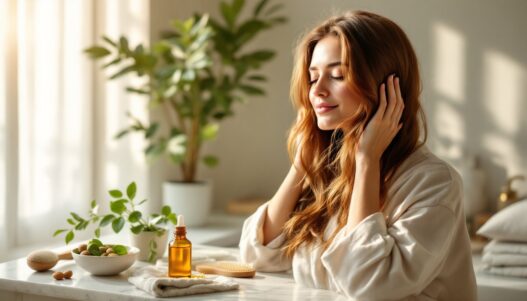
This is where prana really enters the picture. Slow scalp massage steadies the nervous system, improves microcirculation, and gives the follicles the oxygen and nourishment they need. It’s also one of the most underrated stress practices I know. I’ve literally fallen asleep mid-massage.
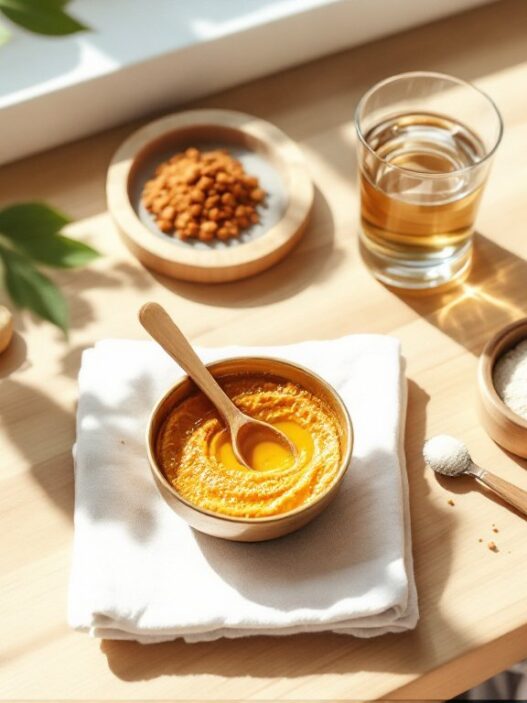
A weekly exfoliation, a gentle paste of besan (chickpea flour) and water, or a soft scalp brush, clears residue without aggression.
Try this (5 minutes daily): Dry scalp massage with fingertips, slow circles, no oil needed if you’re short on time. Beautiful for everyone. Avoid if your scalp is currently inflamed, broken, or post-treatment, let it heal first.
Everyday Habits That Quietly Sabotage Your Hair
Some habits don’t announce themselves as damaging. They just slowly chip away.
Late nights mess with your body’s natural repair cycle, Pitta time (roughly 10 PM to 2 AM) is when your tissues, including hair, do their deep restoration. Staying up past 11 PM regularly burns through ojas and shows up as dullness within weeks. Skipping meals scrambles agni, creates ama, and starves your hair of nutrients. Constant stress floods the system with mobile, hot qualities that aggravate both Vata and Pitta.
Then there are the small physical things. Brushing wet hair (too much breakage). Wrapping it tightly in a rough towel (friction damage). Endless scrolling under bright light at midnight (sleep disruption, hello cortisol).
Daily and Seasonal Rhythms That Make a Real Difference
A simple dinacharya for hair: oil massage on the scalp two evenings a week, lukewarm wash days, lights down by 10 PM. Add a midday meal that’s warm and properly cooked, your strongest digestive window deserves real food, not a sad desk salad.
Seasonally, shift with the climate. In summer, lean into cooling oils like coconut, amla, and brahmi: wash a little more often: eat more sweet, juicy fruit. In winter, switch to warming sesame oil, oil more frequently, cover your head outdoors to protect against the dry, sharp wind. Monsoon and humid months call for lighter oils and a touch more cleansing.
If You’re More Vata, Pitta, or Kapha
If you’re more Vata: Your hair likes warmth, oil, and routine. Stick to regular meal times, warm cooked foods, sesame oil massages, and 7–8 hours of sleep. Avoid raw cold salads as a daily habit and skipping meals, both throw your system into more dryness and movement.
If you’re more Pitta: Cool it down. Coconut and brahmi oils, amla daily in some form, cooler showers, and shade in midday sun. Move at a steady pace, not a frantic one. Avoid spicy, fermented, and fried foods piled on top of stress, that combination shows up in your scalp first.
If you’re more Kapha: Lighter is better. Mustard or sesame oil in smaller amounts, more vigorous scalp massage, earlier wake times, and warm spiced foods. Move your body daily. Avoid heavy dairy, leftover food, and napping after meals, all of which deepen heaviness and dullness.
Try this this week (15 minutes total): Pick one habit from your dosha section and just do it. Wonderful for everyone willing to experiment. Not for perfectionism, one habit, done gently, beats five done anxiously.