








Why Tea Is One of Nature’s Most Versatile Remedies
In Ayurveda, we don’t look at a tea and think, “That’s good for digestion” in some vague, general way. We look at its qualities, its gunas, and match those against what’s going on inside you.
Every imbalance starts somewhere. Ayurveda calls the root cause nidana, and it usually involves a shift in one or more of the three doshas: Vata (the principle of movement and air), Pitta (the principle of transformation and heat), and Kapha (the principle of structure and moisture). When these drift out of their natural range, your digestive fire, called agni, gets disrupted. And when agni falters, undigested residue called ama starts to accumulate. You might feel it as brain fog, heaviness after eating, a coated tongue in the morning, or that wired-but-tired sensation.
Tea works because hot water itself is a gentle kindling for agni. Add specific herbs, and you’re delivering targeted qualities right where they’re needed. Something warm and sharp like ginger stokes a dull, sluggish fire. Something cool and smooth like chamomile soothes a fire that’s burning too hot.
The beauty is that the right tea, chosen with even a basic understanding of your constitution, can support all three pillars of vitality: ojas (your deep resilience and immunity), tejas (your metabolic clarity and inner spark), and prana (your life force and nervous system steadiness). That’s a lot of potential in one humble cup.
Here’s where it gets personal, though. A tea that’s perfect for your Kapha friend might leave your Vata constitution feeling spacey and dry. So as we go through each category, I’ll help you understand why a tea works, not just that it works.
The Best Teas for Digestion and Gut Health
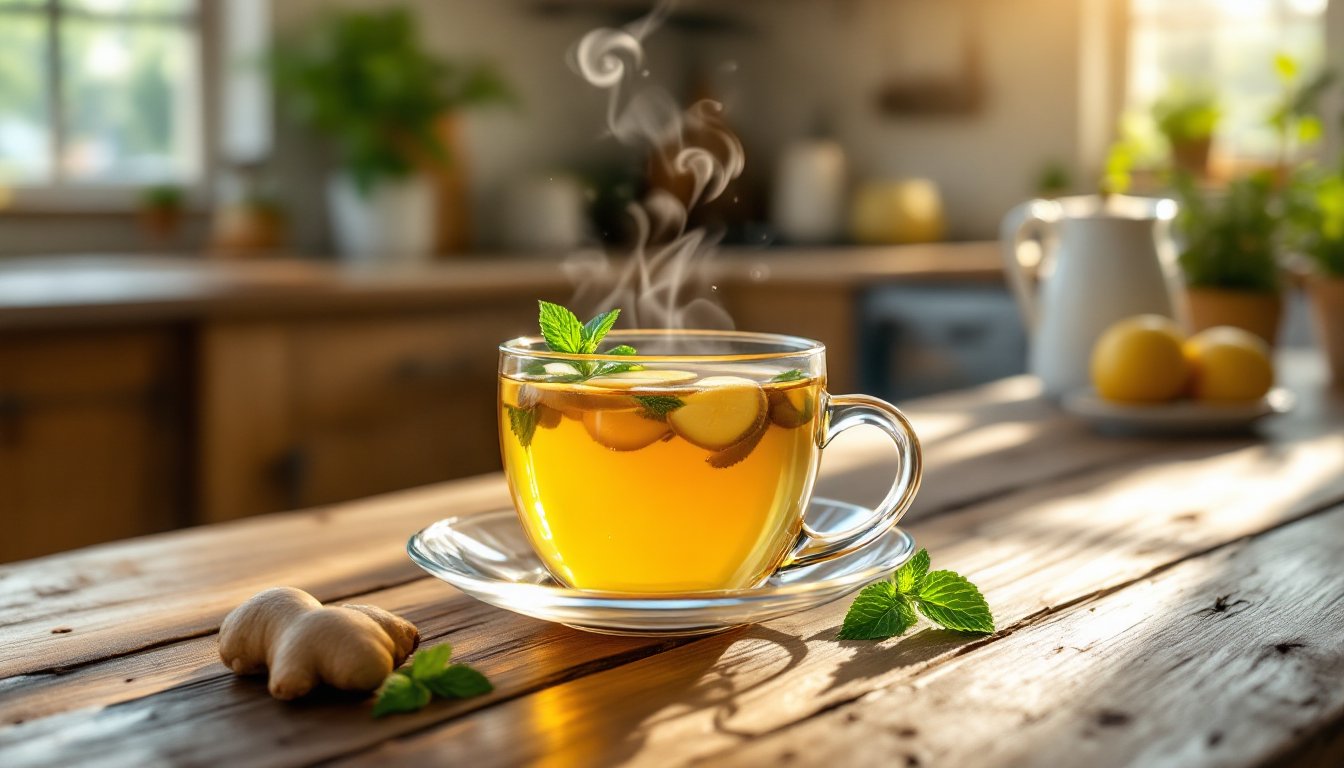
Digestive trouble is where most people first notice something’s off. In Ayurveda, digestion isn’t just about the stomach, it’s the central organizing intelligence of the whole body. When agni is strong and steady, nutrients get properly transformed at every level, from the gut all the way to your deepest tissues. When it’s weak or erratic, ama builds up, and you feel it: bloating, irregular appetite, that uncomfortable fullness, or acid creeping up after meals.
The best teas for digestion work by restoring the right quality to your digestive fire.
Peppermint and Ginger Tea
Ginger is one of Ayurveda’s most celebrated herbs, and for good reason. It’s warm, light, and sharp, three qualities that directly counter the cold, heavy, dull qualities of a sluggish Kapha-type digestion. If you tend toward slow digestion, a heavy feeling after meals, and excess mucus, fresh ginger tea is a wonderful daily ally.
Peppermint brings a different angle. It has a cool, light, and slightly sharp quality that makes it especially helpful when Pitta is involved, think acid indigestion, burning sensations, or loose stools from excess heat. Together, ginger and peppermint cover a wide range of digestive complaints.
I like to steep a few thin slices of fresh ginger with a couple of peppermint leaves in hot water for about five minutes. The result is gently warming without being aggressive.
Try this today: Sip a small cup of fresh ginger-peppermint tea about 20 minutes before lunch. Give it a week and notice what shifts. This is especially supportive for Kapha and Vata types. If you run very hot or have active gastritis, lean more toward the peppermint and use less ginger.
Chamomile and Fennel Tea
Chamomile is cool, light, and smooth, it calms an inflamed or overactive digestive tract beautifully. Fennel is gently warm, sweet, and slightly oily, which makes it one of the rare herbs that’s generally balancing for all three doshas.
When Pitta pushes agni into overdrive, creating sharp hunger, acid reflux, or inflammation, chamomile helps soothe that excess heat. Fennel, meanwhile, gently encourages the downward flow of digestion (what Ayurveda calls apana vayu), relieving gas and bloating without aggravating anything.
This combination is one I often recommend for people who feel tense in their belly, especially after stressful meals eaten in a rush.
Try this today: Brew chamomile-fennel tea after dinner, about 30 minutes before winding down. It takes about 5 minutes to steep. Wonderful for Pitta types or anyone experiencing heat-related digestive discomfort. If you’re very cold and sluggish, this may be too cooling on its own, add a pinch of dried ginger.
The Best Teas for Sustained Energy Without the Jitters
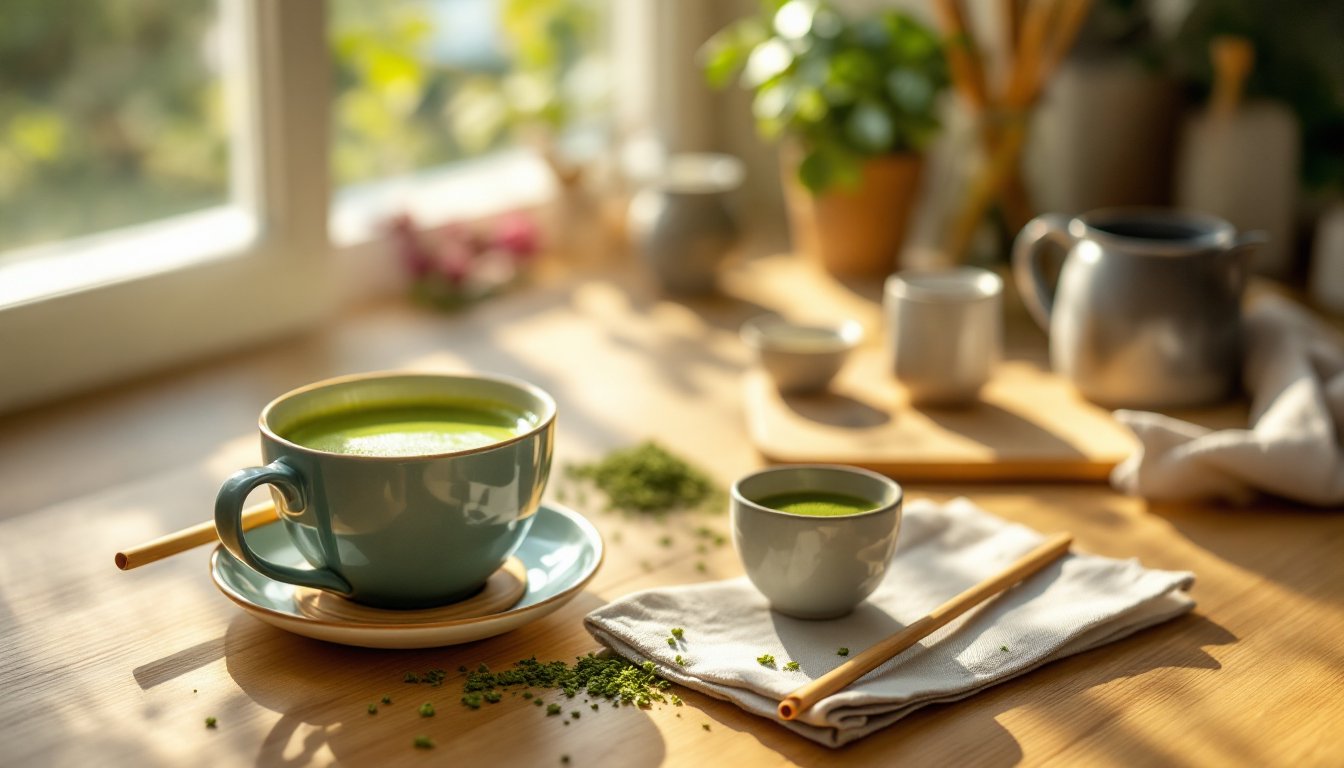
Here’s something I notice constantly: people conflate stimulation with energy. Ayurveda sees them as very different things. True energy, the kind that feels steady and clear, comes from well-functioning agni, healthy tissue nourishment, and robust prana. Stimulation, on the other hand, often borrows from your reserves, leaving you more depleted once it wears off.
The best teas for energy work with your body’s natural rhythms rather than overriding them.
Green Tea and Matcha
Green tea carries qualities that are light, slightly bitter, and gently astringent. In Ayurvedic terms, these qualities help clear mild ama, that foggy, heavy feeling that drags your energy down, without creating excess heat or dryness.
Matcha, because you’re consuming the whole leaf, is a bit heavier and more nourishing. It contains L-theanine alongside its caffeine, which in Ayurvedic language means it offers sharpness (for clarity and tejas) alongside a stabilizing quality that keeps Vata from getting rattled.
The key is timing. Ayurveda identifies the Kapha period of the morning, roughly 6 to 10 a.m., as the time when heaviness naturally dominates. A cup of green tea or matcha during this window helps counter that dense, slow quality with lightness and gentle stimulation.
Try this today: Enjoy green tea or matcha between 7 and 9 a.m., ideally after a light breakfast or with a small snack. Steep green tea for just 2–3 minutes to avoid excessive bitterness. This is especially supportive for Kapha types who struggle with morning sluggishness. Vata types, go easy, too much can feel drying and overstimulating. Add a splash of warm milk or ghee to matcha if you need grounding.
Yerba Mate and Black Tea
Yerba mate is warm, slightly bitter, and mobile, it gets things moving. In Ayurveda, those mobile and sharp qualities increase both Vata and Pitta, which means it can be energizing but also destabilizing if you’re already running on fumes.
Black tea is similar but a bit heavier and more astringent. It has a grounding quality that yerba mate lacks, making it a better option for Vata types who want a lift without the scattered feeling.
Both of these teas support tejas, that inner metabolic spark, when used in moderation. But neither is a substitute for actual rest or nourishment.
Try this today: If you reach for an afternoon pick-me-up, try black tea with a small pinch of cardamom between 2 and 3 p.m., right as the Vata time of day begins and focus tends to scatter. Brew for 3–4 minutes. Better suited for Kapha and some Pitta types. High-Vata individuals or anyone dealing with anxiety or insomnia might want to skip these and reach for a prana-building herbal like tulsi instead.
The Best Teas for Relaxation and Stress Relief
When stress becomes chronic, Ayurveda sees a very specific pattern unfold. First, Vata increases, the mobile, dry, subtle, rough qualities intensify. Your nervous system gets overstimulated. Sleep suffers. Then agni becomes erratic, and ama begins building even if your diet is reasonable. Over time, this depletes ojas, your deep reservoir of calm, immunity, and resilience.
The best teas for relaxation work by introducing opposite qualities: heavy instead of light, smooth instead of rough, stable instead of mobile, oily instead of dry.
Lavender, Passionflower, and Valerian Root Tea
Lavender is cool, light, and subtly aromatic. Its quality is primarily calming to Pitta’s intensity, the sharp, hot, driven quality that keeps your mind analyzing when it’s time to rest.
Passionflower is heavier and more sedating. It has a dull, stabilizing quality that counters Vata’s restless mobility directly. If your mind races at bedtime, this is the herb that gently says, “Enough.”
Valerian root goes even deeper. It’s warm, heavy, and slightly oily, qualities that nourish the nervous system and coax Vata back toward stability. Some people find the taste strong, even a little earthy and rough. That’s part of its grounding nature.
Together, these three address the full spectrum of stress: Pitta’s mental intensity, Vata’s scattered restlessness, and the gradual depletion of ojas that chronic tension creates. Prana, which gets fragmented under stress, begins to settle back into a steady rhythm.
Try this today: Steep a blend of lavender, passionflower, and valerian root for 7–10 minutes about an hour before bed. Start with milder amounts if you’re new to valerian. This is deeply supportive for Vata types and anyone with racing thoughts. Kapha types who already feel heavy and lethargic might find this combination too sedating, try lavender on its own, or pair it with a small amount of tulsi for a lighter calming effect.
A note on personalizing your teas by dosha:
If you’re more Vata, you tend toward dryness, coldness, restlessness, and irregular digestion. Favor warm, oily, and grounding teas: ginger with a little honey, black tea with cardamom and milk, valerian-passionflower blends at night. Avoid excess peppermint or green tea, which can be too cooling and light. Try incorporating one warming tea into your morning routine for a week and notice how your energy and digestion respond. Best for Vata-dominant individuals, especially during fall and early winter.
If you’re more Pitta, you run hot, sharp, and intense, with a strong appetite that can tip into acidity or irritability. Favor cooling, smooth teas: chamomile, fennel, peppermint, lavender. Be mindful with ginger, black tea, and yerba mate, their heat and sharpness can push Pitta further out of balance. Try a cup of chamomile-fennel after your evening meal for a week. Best for Pitta-dominant types, especially in summer or during high-stress periods.
If you’re more Kapha, you tend toward heaviness, sluggishness, and cool dampness. Favor warm, light, and stimulating teas: ginger, green tea, black tea with spices, tulsi. Avoid heavy, sedating blends like valerian (unless you genuinely can’t sleep). Try starting each morning with hot ginger-lemon water before anything else for a week. Best for Kapha-dominant types, especially in late winter and spring.
How to Brew Tea for Maximum Benefits
Brewing matters more than most people realize. In Ayurveda, how you prepare and consume something is part of the medicine.
First, temperature. Warm-to-hot water kindles agni. Room temperature or iced teas dampen it. If you’re drinking tea for digestive or energetic benefit, keep it warm. This single shift, choosing warm over cold, already aligns you with one of Ayurveda’s most fundamental principles.
Second, timing. Drink digestive teas 15–20 minutes before or after meals, not during (too much liquid with food dilutes agni). Energizing teas work best in the Kapha hours of morning. Relaxation teas belong in the evening Kapha window, roughly 6–10 p.m., when the body is naturally winding down.
Third, attention. This might sound simple, but sipping tea mindfully, without scrolling, without rushing, activates the parasympathetic nervous system. It signals to your body that you’re safe, that there’s space to digest and absorb. This alone strengthens prana and protects ojas over time.
Two daily habits I recommend tying to your tea practice: a cup of warm ginger or lemon water first thing in the morning as part of your dinacharya (daily routine), and a calming herbal tea as part of your evening wind-down. These two anchors bookend your day with warmth, intention, and support for agni.
For a seasonal adjustment, consider this: in spring and early summer, when Kapha and then Pitta naturally rise, shift toward lighter, cooler teas, more peppermint, more green tea, less heavy ginger or valerian. In autumn and winter, when Vata dominates with its cold, dry, mobile qualities, lean into the warmer, heavier, spicier brews. This is ritucharya, seasonal living, applied to something as simple as your kettle.
Try this today: Choose one morning tea and one evening tea based on what you’ve read here. Commit to it for seven days, same teas, same times, same quiet attention. Notice what changes in your digestion, your energy, and your sleep. This practice is for everyone, regardless of dosha, and takes less than ten minutes a day.
I find that tea is one of the gentlest doorways into Ayurvedic living. You don’t need to overhaul your entire routine. You just need a kettle, a few herbs, and a willingness to pay attention to how your body responds.
What’s the one tea you’re most curious to try first? I’d love to hear, drop a thought in the comments or share this with someone who could use a better cup.