






What Causes Dehydration and Who Is Most at Risk?
In Ayurveda, dehydration isn’t just a fluid deficit. It’s a shift in the body’s internal landscape toward dry, light, rough, and mobile qualities, all signatures of elevated Vata dosha. When Vata rises unchecked, it pulls moisture from tissues, dries out the digestive tract, and scatters the mind.
The causes, or nidana in Ayurvedic thinking, are pretty intuitive once you see them through this lens. Excessive heat (from weather, spicy food, or intense emotions like anger) aggravates Pitta, which burns through your body’s water reserves. Meanwhile, too much movement, travel, irregular eating, cold dry wind, or skipping meals fans Vata’s already mobile and drying nature. Even Kapha types, who tend toward natural moisture, can become dehydrated when heavy, sluggish digestion prevents fluids from being properly absorbed.
So who’s most at risk? People with a predominantly Vata constitution tend to run dry and light by nature, they’re often the first to feel the effects of low hydration. Pitta-dominant folks lose water through heat and metabolic intensity, especially in summer. And anyone going through a season of high stress, frequent travel, or erratic schedules is essentially stoking Vata’s fire.
Older adults and children are also more vulnerable, not because of dosha alone, but because their digestive fire, their agni, tends to be either too delicate or too variable to process and distribute fluids well.
Do this today: Notice which qualities dominate your current lifestyle, are things dry, mobile, hot, or irregular? That awareness alone takes 30 seconds and helps anyone, regardless of constitution, begin to understand their personal dehydration risk.
Common Signs and Symptoms You Shouldn’t Ignore
Here’s where things get interesting, because Ayurveda reads dehydration symptoms as messages about which dosha is out of balance, not just a generic checklist.
The early signs most people notice are dry lips, dark urine, and thirst. In Ayurvedic terms, these reflect Vata’s dry and rough qualities creeping into the body’s water-carrying channels. Your skin might feel papery. You might notice your joints cracking more than usual. That’s the subtle dryness deepening.
When Pitta is involved, you’ll feel the sharp, hot edge of dehydration, headaches, irritability, burning sensations in the stomach, or eyes that feel hot and strained. Pitta-type dehydration often comes with a short temper and acidic digestion.
Kapha-related dehydration is less obvious but still real. You might feel heavy and sluggish even though you’re low on fluids, because Kapha’s dull and heavy qualities mask the underlying dryness. The clue? A thick coating on the tongue, bloating, or a sense that water just “sits” in your stomach without refreshing you. That tongue coating is a classic sign of ama, undigested metabolic residue, which tells you that fluids aren’t being processed well.
When dehydration goes deeper, it starts to affect what Ayurveda calls ojas, your deep reserves of vitality and immune resilience. You feel brittle, anxious, like your inner reserves are running on empty. Your prana, or life force energy, becomes unstable, and your tejas, the subtle metabolic spark behind clear thinking, dims. Brain fog, emotional fragility, and a weakened immune response can all follow prolonged dehydration.
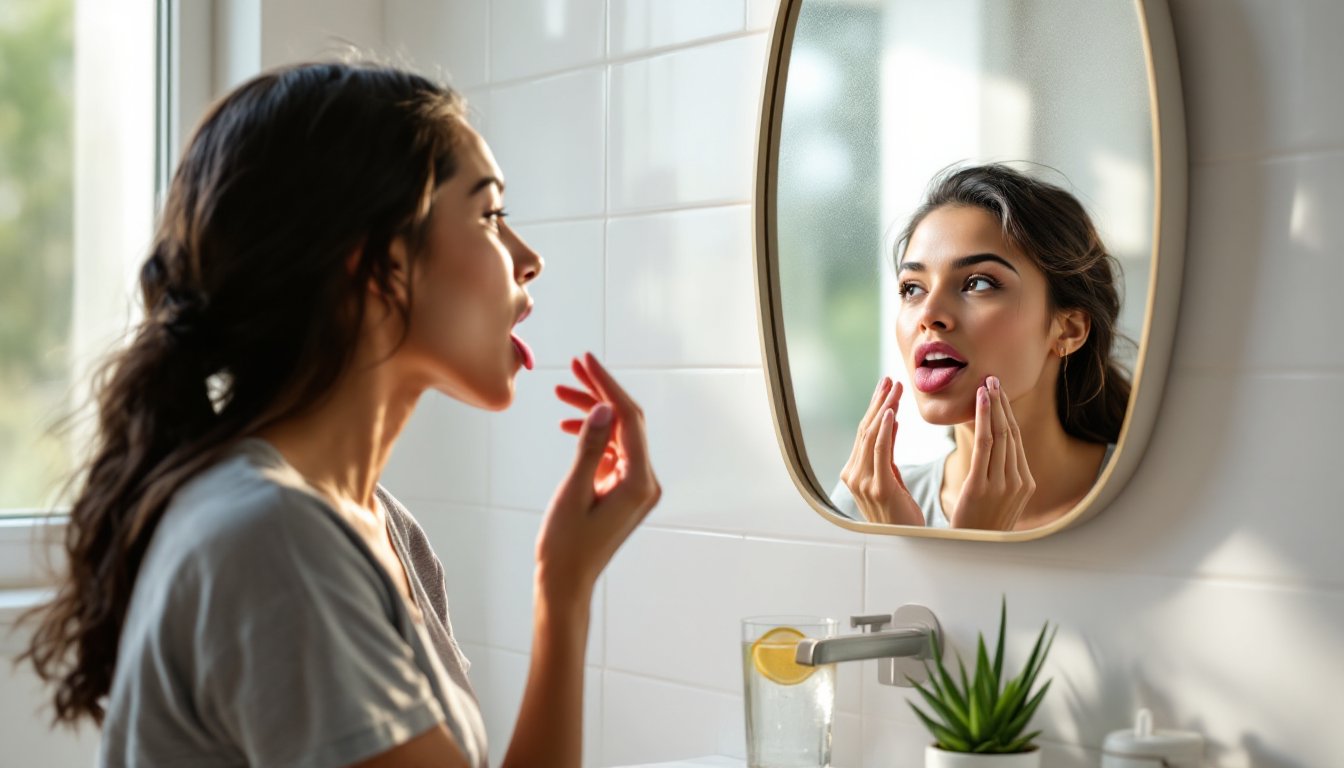
Do this today: Check your tongue first thing in the morning. A dry, cracked tongue with little coating points to Vata-type dryness. A yellowish coat suggests Pitta heat. A thick white coat hints at Kapha congestion and ama. This takes about 10 seconds and is helpful for anyone wanting to understand their body’s current state.
Effective Home Remedies to Rehydrate Quickly
The core Ayurvedic principle at work here is beautifully simple: like increases like, and opposites bring balance. If dehydration is driven by dry, light, rough, and mobile qualities, then the remedies for dehydration involve introducing their opposites, moist, heavy (in a gentle sense), smooth, and stable qualities.
This is why plain ice water isn’t always the best answer. Cold water can actually dampen your agni, your digestive and metabolic intelligence, making it harder for your body to absorb and distribute fluids. It’s a bit like pouring water on a campfire when what you really need is to keep the flame steady so it can do its job.
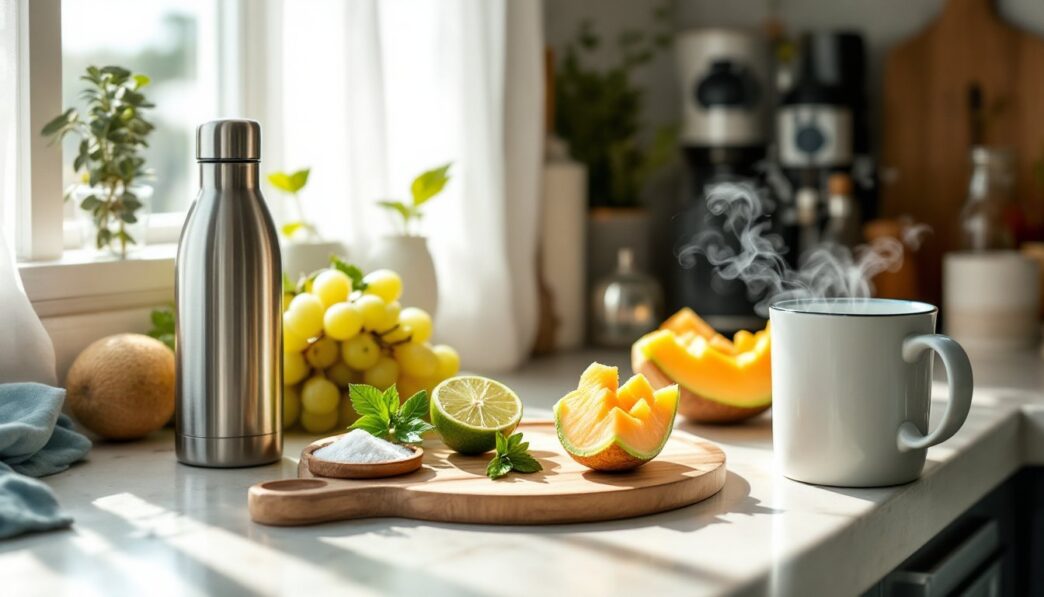
Instead, try sipping warm or room-temperature water throughout the day. Warmth supports agni, helping your body actually use the water you’re taking in rather than letting it pass through without nourishing your tissues. Adding a pinch of mineral salt and a squeeze of fresh lime makes this even more effective, the minerals help your cells hold onto moisture, and the sour taste stimulates gentle absorption.
Another classic Ayurvedic remedy is water slow-boiled for 10 to 15 minutes and sipped warm. This process is said to make water lighter and easier for the body to absorb at a cellular level. I keep a thermos of this on my desk most days, and I honestly notice a difference in how satisfied I feel versus chugging cold water from the fridge.
What to Eat and Drink for Faster Recovery
Food plays a huge role in rehydration, sometimes more than water alone. Juicy, naturally sweet fruits like ripe melon, grapes, and pomegranate carry moisture directly into your tissues with the added bonus of natural sugars that support ojas.
Cooked foods with a soupy, moist quality, think rice cooked with extra water (almost like a thin porridge), warm broths with mild spices, or stewed vegetables with a little ghee, are deeply rehydrating in a way that raw salads and dry snacks simply aren’t. The smooth, oily quality of ghee in particular helps counteract the rough dryness of Vata.
Fresh coconut water is another wonderful option, especially when Pitta heat is part of the picture. It’s naturally cool, sweet, and smooth, the perfect antidote to sharp, hot dehydration.
Avoid very salty, fried, or overly spicy foods when you’re dehydrated. These increase heat and dryness, pulling you further out of balance.
Do this today: Prepare a thermos of warm water with a small pinch of mineral salt and a squeeze of lime. Sip it between meals over the next 3 to 4 hours. This works well for all constitutions, though Kapha types may want to add a thin slice of fresh ginger instead of lime to keep things from feeling too heavy.
When Dehydration Requires Medical Attention
I want to be straightforward here. Ayurvedic home remedies for dehydration work wonderfully for mild to moderate cases, the kind that come from a busy day, a missed meal, or a hot afternoon. But there are times when the body needs more support than warm water and ripe fruit can provide.
If you or someone you’re caring for experiences rapid heartbeat, confusion, fainting, very dark or absent urine, sunken eyes, or skin that doesn’t bounce back when gently pinched, those are signs of severe dehydration. In young children, watch for no tears when crying, unusual drowsiness, or a dry mouth that persists.
From an Ayurvedic standpoint, severe dehydration means ojas has been deeply depleted, prana is destabilized, and the body’s tissues are critically lacking nourishment. This isn’t something gentle sipping can fix quickly enough.
Please seek medical care promptly in these situations. Oral rehydration solutions or intravenous fluids may be needed to restore balance safely.
This is general education, not medical advice. If you’re pregnant, managing a condition, or taking medication, check with a qualified professional.
Do this today: Familiarize yourself with the signs of severe dehydration listed above, it takes a minute or two. This awareness is valuable for everyone, especially parents and caregivers.
Daily Hydration Habits That Prevent Dehydration Long-Term
Prevention, in Ayurveda, is always about rhythm. Your body thrives on regularity, regular meals, regular sleep, regular hydration. When your daily routine is chaotic, Vata’s mobile and erratic energy takes over, and one of the first things to go is consistent hydration.
Here are two daily habits, drawn from the Ayurvedic concept of dinacharya (ideal daily routine), that I find make a real difference.
Morning warm water ritual. Before coffee, before breakfast, before checking your phone, try drinking a full glass of warm water. This gently wakes up your agni after the night’s rest and starts flushing the subtle ama that accumulates during sleep. It’s a small act, but it sets the tone for your body’s hydration for the entire day. I’ve been doing this for years and it’s become as automatic as brushing my teeth.
Midday hydration with lunch. Ayurveda considers the midday hours, roughly 10 a.m. to 2 p.m., to be Pitta time, when your digestive fire is at its peak. This is the ideal window for your largest meal and a great time to include hydrating foods like soups, stews, or juicy fruits. Sip warm water during and after lunch to support digestion without drowning your agni. Avoid gulping large amounts of cold water right before eating, as this can create a dull, sluggish feeling.
Now, because I promised personalization, here’s how to adjust based on your primary constitution.
If you’re more Vata: You tend toward dryness, coldness, and irregularity. Warm water with a little ghee stirred in (yes, really, just half a teaspoon) can feel incredibly grounding. Favor sweet, sour, and salty tastes, which all promote moisture retention. Avoid raw, cold foods and too much caffeine, which dries you out further. Try to eat and drink at the same times each day, Vata craves that stability. One thing to avoid: skipping meals, which accelerates both dehydration and anxiety. Do this today: Set a gentle alarm for mid-morning and mid-afternoon to remind yourself to sip something warm. Takes 10 seconds to set up, best for Vata types and anyone with an irregular schedule.
If you’re more Pitta: Your internal heat burns through water quickly, especially in warm weather. Cool (not ice-cold) water with cucumber, mint, or rose petals is your friend. Coconut water between meals is wonderful. Favor sweet, bitter, and astringent tastes. Steer clear of excess alcohol, coffee, and very spicy food, they all fan the sharp, hot quality that accelerates Pitta dehydration. One thing to avoid: exercising in the midday sun without hydrating first. Do this today: Keep a bottle of room-temperature water infused with a few mint leaves at your desk. Takes 2 minutes to prepare, ideal for Pitta types and anyone who runs warm.
If you’re more Kapha: You might not feel thirsty often, but that doesn’t mean you’re well hydrated. Kapha’s heavy, cool, and dull qualities can slow fluid circulation, so water just pools without reaching your tissues. Warm water with fresh ginger or a pinch of black pepper helps kindle agni and move fluids where they need to go. Favor pungent, bitter, and astringent tastes. Avoid excessive dairy and very sweet or oily foods, which increase heaviness. One thing to avoid: drinking large quantities of water at once out of habit, small, warm sips work better. Do this today: Add a few slices of fresh ginger to your morning warm water. Takes 1 minute, best for Kapha types and anyone who feels sluggish after drinking water.
For a seasonal adjustment, consider this: during hot, dry summer months, when Pitta’s sharp heat and Vata’s dryness both intensify, your hydration needs increase significantly. This is the time to emphasize cooling, sweet, and moist foods. Think fresh melon, soaked raisins, coconut, and aloe vera juice. In the cooler, damp months of late winter and early spring, when Kapha accumulates, you can shift toward warming herbal teas with ginger, cinnamon, and tulsi to keep fluids moving without creating heaviness.
Do this today: Glance at the weather and the season. Ask yourself: is the quality around me more hot, dry, cool, or damp? Adjust one drink today to balance that quality. Takes 30 seconds of awareness, helpful for everyone, any time of year.
Conclusion
Dehydration might seem like a simple problem with a simple fix, just drink more water. But as I hope you’ve seen, there’s a richer story underneath. How you hydrate, when you hydrate, and what qualities you bring into your body all matter. Your constitution shapes your experience, and your daily rhythms determine whether hydration becomes a sustained habit or an afterthought.
The beautiful thing about Ayurveda’s approach to remedies for dehydration is that it meets you where you are. There’s no one-size-fits-all prescription, just an invitation to pay closer attention to what your body is telling you, and to respond with warmth, rhythm, and care.
Start with one small thing today. Maybe it’s that glass of warm water in the morning. Maybe it’s checking your tongue. Whatever feels right, trust that.
I’d love to hear from you. What’s one hydration habit you’ve been meaning to try, or one sign your body gives you that you’ve been ignoring? Drop a thought in the comments, let’s learn from each other.