
Why Pitta-Dominant Skin Runs Hot and Reactive
In Ayurveda, Pitta dosha governs transformation, it’s the metabolic intelligence behind digestion, enzyme activity, and how your body processes heat. When Pitta is in balance, your skin tends to be warm, slightly oily, and naturally luminous. But when it tips into excess, that warmth becomes inflammation, and that glow becomes redness.
The qualities driving Pitta are hot, sharp, light, oily, and mobile. When these qualities accumulate, through diet, stress, sun exposure, or just living in a climate that pours heat on you, your skin becomes the first place that overflow shows up. Think of it this way: your skin is the body’s largest organ of elimination, and when internal fire has nowhere else to go, it rises to the surface.
This matters because the root cause (what Ayurveda calls nidana) isn’t your skin itself. It’s the excess heat circulating through your blood tissue (rakta dhatu) and metabolism. Until you address what’s feeding the fire, topical fixes alone won’t hold.
Common Signs of Pitta Skin Imbalance
You might notice redness that flares without obvious cause, sometimes across your cheeks, sometimes on your chest or the backs of your hands. Skin feels hot to the touch, even indoors. Small breakouts that are inflamed and tender rather than the deep, cystic kind. Sensitivity to products that never bothered you before.
There can also be a sharpness to the irritation, a stinging or burning quality, especially after sweating or eating spicy food. If your eyes feel irritated alongside your skin, that’s another Pitta signal. The body is telling you there’s too much of the sharp and hot qualities accumulating internally.
When this heat isn’t properly processed by your digestive fire (agni), it creates a kind of toxic residue called ama, and when ama mixes with excess Pitta, it gets sticky and harder to clear. That’s often why skin issues feel so stubborn.
Seasonal and Lifestyle Triggers to Watch For
Late spring through summer is Pitta season. The environment itself loads you with hot, sharp, and light qualities, and if your constitution already leans Pitta, you’re getting a double dose. But it’s not only seasonal, skipping meals and then overeating, working through lunch under fluorescent lights, intense exercise in the midday sun, or running on caffeine and adrenaline all stoke the same fire.
Emotional triggers count too. Frustration, impatience, and that driven “I’ll rest when it’s done” energy are Pitta patterns. They increase internal heat just as surely as a bowl of hot salsa.
Try this today: Spend two minutes noticing where heat shows up in your body right now, skin, eyes, digestion, emotions. That awareness alone starts the cooling process. This is for anyone with reactive skin, though if your skin tends to be dry and cold rather than hot, a different approach may suit you better.
Building a Cooling Body Care Routine

Once you understand that Pitta skin is responding to an excess of hot, sharp, and mobile qualities, the approach becomes intuitive: you introduce the opposite qualities. Cool balances hot. Soft balances sharp. Stable balances mobile. Smooth balances rough. This “like increases like, opposites bring balance” principle is one of the most practical tools in Ayurveda, and it works beautifully for skin care.
Gentle Cleansing Without Stripping the Skin
I see so many people with irritated skin reaching for harsh cleansers or exfoliating acids, thinking they need to strip away the problem. But for Pitta skin, that sharpness actually aggravates the very quality that’s already in excess. You’re adding sharp to sharp.
Instead, consider cleansing with something that has cool, soft, and slightly oily qualities. A paste of chickpea flour (besan) mixed with a little raw milk or rose water is a classic Ayurvedic body cleanser, it lifts impurities without disrupting the skin’s natural protective layer. If that feels too unfamiliar, look for a gentle, fragrance-free cleanser and use lukewarm (not hot) water.
The timing matters too. In Ayurveda, bathing is ideally done during the cooler parts of the day, morning is perfect. A cool or lukewarm shower in the morning calms that early Pitta energy before it builds.
Try this today: Switch your shower temperature from hot to comfortably lukewarm for one week, about 5 minutes is plenty. This is great for Pitta-dominant skin types. If you run very cold and your skin is dry rather than inflamed, warm water may actually serve you better.
Hydrating and Soothing Ingredients to Prioritize
When choosing what goes on your skin, think in terms of qualities. You want cool, smooth, heavy (grounding), and soft. Coconut oil is a go-to for Pitta skin because it’s naturally cooling, unlike sesame oil, which is warming. Aloe vera gel, sandalwood paste, and rose water all carry those cool, soothing qualities that directly counterbalance Pitta’s heat.
I personally keep a small spray bottle of pure rose water in the fridge during summer. A quick mist on the face and neck between tasks is one of those tiny things that makes a surprisingly big difference. Rose is considered one of the finest Pitta-pacifying botanicals in Ayurveda, it cools, softens, and has an affinity for the blood tissue where excess Pitta tends to lodge.
For the body, applying a thin layer of coconut oil after your shower, while skin is still slightly damp, locks in moisture and creates a cool, smooth barrier. This is a simplified version of the Ayurvedic practice of oil application (more on that below).
Try this today: After your next shower, apply a small amount of room-temperature coconut oil to your arms and legs. Takes about 3 minutes. Ideal for Pitta and Pitta-Kapha types. If you have very oily, congested skin with a heavy, dull quality, use the oil sparingly or try aloe vera gel instead.
Daily Habits That Calm Pitta Skin From the Inside Out
Here’s the thing I wish someone had told me earlier: you can’t fully resolve Pitta skin issues from the outside. Your skin is a mirror of your digestion, your stress load, and your daily rhythm. Ayurveda calls this the connection between agni (your digestive and metabolic fire) and the tissues it nourishes, or fails to nourish when things go sideways.
When agni is functioning well, food is transformed cleanly into nourishment that reaches every tissue layer, all the way to the skin. When agni is aggravated, and Pitta-type agni tends to run too hot, burning through food too fast, it creates a sharp, acidic residue (ama) that circulates and irritates tissues. That’s often what’s behind the redness and reactivity you’re seeing on the surface.
Healthy agni also supports ojas, which you can think of as your deep vitality reserve, the quality that makes skin look genuinely healthy, not just treated. It supports tejas, the subtle metabolic clarity that helps your body distinguish what to absorb and what to release. And it supports prana, the life-force energy that keeps your nervous system steady and your cells responsive. When all three are nourished, skin has a natural resilience that no product can replicate.
Cooling Foods and Hydration Practices
Eating for Pitta skin means favoring foods with cool, sweet, bitter, and slightly heavy qualities. Think cucumber, cilantro, fennel, ripe sweet fruits, coconut, basmati rice, and leafy greens. These aren’t random “healthy foods”, each one specifically introduces the cool, smooth, and grounding qualities that counterbalance Pitta’s hot, sharp, light nature.
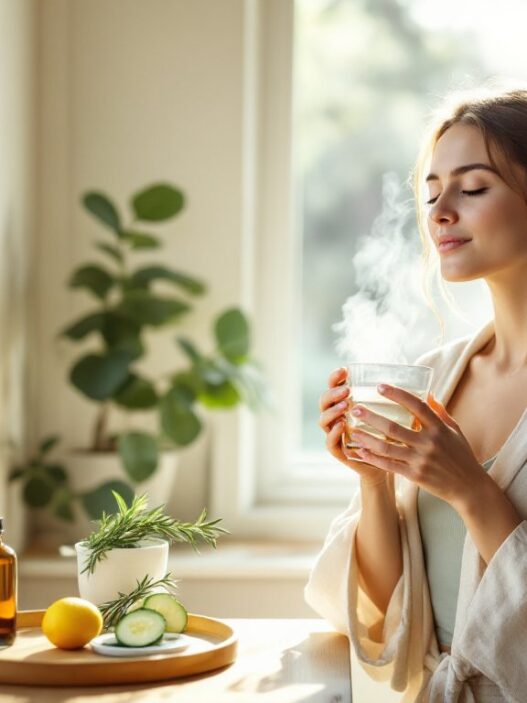
One of my favorite daily practices is sipping room-temperature water infused with a few slices of cucumber and a pinch of fennel seeds throughout the morning. It’s gentle, it supports hydration without overwhelming digestion, and fennel is one of Ayurveda’s best friends for cooling an overactive digestive fire.
Try to eat your main meal at midday, when your digestive fire is naturally strongest. This is a core Ayurvedic timing principle, eating heavy meals late at night forces agni to work during its rest cycle, which creates more ama and more heat.
What to dial back: very spicy, sour, and fermented foods, excessive caffeine, alcohol, and anything that makes you feel that sharp, acidic burn afterward. You don’t have to eliminate them forever, just notice how your skin responds when you reduce them for a stretch.
Try this today: Replace one caffeinated drink with cucumber-fennel water and eat your largest meal before 1 PM. Give it five days and watch your skin’s response. This is ideal for Pitta types and anyone with heat-related skin issues. If you tend toward cold, sluggish digestion, warming spices in moderation may still be appropriate for you.
Breathwork and Stress Management for Skin Health
Stress isn’t just “in your head”, it’s a Pitta accelerant. When you’re running on urgency and adrenaline, your body generates internal heat, your agni becomes erratic, and inflammation follows. I’ve seen my own skin flare up during stressful work weeks even when my diet was perfectly clean.
A simple cooling breath practice called Shitali Pranayama is remarkable for calming Pitta. You curl your tongue (or purse your lips if tongue-curling isn’t your thing), inhale slowly through the mouth, and exhale through the nose. Even 5–10 rounds creates a noticeable cooling sensation, not just in your mouth, but spreading through your whole system. It’s like turning down the thermostat from the inside.
Pairing this with a few minutes of quiet sitting, not necessarily formal meditation, just stillness, in the early morning or evening gives your nervous system a chance to shift out of that driven, mobile Pitta mode and into something more stable and grounded.
Try this today: Practice 10 rounds of Shitali breathing before bed tonight, takes about 3 minutes. This is wonderful for Pitta types and anyone who feels wired or overheated at the end of the day. If you have asthma or a respiratory condition, gentle nostril breathing may be a better fit.
Ayurvedic Body Rituals for Lasting Relief
There’s something deeply grounding about turning skin care into a ritual rather than a chore. In Ayurveda, self-care practices like oil massage and herbal bathing aren’t luxuries, they’re part of the daily rhythm (dinacharya) that keeps the doshas in check and supports tissue nourishment all the way to the deepest layers.
Abhyanga and Cooling Oil Massage Techniques
Abhyanga, warm oil self-massage, is one of the cornerstones of Ayurvedic daily routine. For Pitta skin, the key adjustment is using cooling oils rather than the warming sesame oil that’s often recommended as a default.
Coconut oil is my top pick for Pitta abhyanga. It’s cool, smooth, and heavy enough to be deeply grounding without clogging skin. Sunflower oil is another good option, it’s lighter and still has that cooling quality.
The practice itself is simple: apply oil to your whole body using long strokes on the limbs and circular motions over joints. Work gently, Pitta skin doesn’t need vigorous friction. Let the oil sit for 15–20 minutes if you can (this is a great time for that breathwork practice), then shower it off with lukewarm water.
What’s happening beneath the surface is significant. The oil’s smooth, cool, and heavy qualities are being absorbed through the skin and working to pacify the hot, sharp, mobile qualities of excess Pitta. It nourishes rasa dhatu (the plasma/fluid tissue) and supports ojas, that deep vitality that makes your skin genuinely resilient rather than just temporarily soothed.
Try this today: Do a coconut oil self-massage on your arms and legs before your morning shower, even 10 minutes makes a difference. This is ideal for Pitta and Vata-Pitta types. If you have a Kapha constitution with naturally oily, cool skin, try a lighter application or use a small amount of sunflower oil instead.
Herbal Baths and Natural Skin Soothers
An herbal bath is one of the most luxurious ways to cool Pitta skin, and it doesn’t have to be complicated. Steeping a handful of dried rose petals, chamomile, or neem leaves in warm (not hot) bathwater creates a soothing, anti-inflammatory soak that works on multiple levels, calming the nervous system, cooling the blood tissue, and softening the skin’s rough, reactive quality.
If a full bath isn’t practical, even soaking a washcloth in cooled chamomile tea and draping it over irritated areas for a few minutes can bring noticeable relief. Sandalwood paste mixed with a little rose water, applied as a thin mask to the face or chest, is another traditional Pitta remedy that’s wonderfully cooling.
These rituals support prana, your vital energy, by giving your body sensory input that’s calming, grounding, and nourishing rather than stimulating. And they support tejas by allowing the body’s natural intelligence to redirect its metabolic energy toward repair instead of reactivity.
Try this today: Draw a lukewarm bath with a handful of dried rose petals or chamomile, soak for 15 minutes in the evening. This is lovely for all skin types, especially Pitta-dominant. If you’re very Kapha and tend toward sluggishness, keep the soak shorter and follow with light, invigorating movement.
Mistakes That Make Pitta Skin Worse
I’ve made most of these myself, so there’s no judgment here, just a gentle heads-up.
Using very hot water in showers and baths is one of the biggest offenders. It feels good momentarily, but you’re pouring the hot quality directly onto skin that’s already overloaded with heat. The result is more dryness, more redness, and more reactivity within hours.
Over-exfoliating is another one. Physical scrubs and strong chemical exfoliants carry sharp, rough, and mobile qualities, exactly what Pitta skin doesn’t need. If you feel the urge to exfoliate, a soft cloth with lukewarm water is enough.
Skipping meals, especially lunch, lets agni run without fuel, which creates a sharp, acidic internal environment. Your skin pays the price. Similarly, eating while angry or rushed disrupts the digestive process and generates ama that’s particularly hot and irritating.
Exercising intensely during the midday Pitta hours (roughly 10 AM to 2 PM) when the sun and your internal fire are both at their peak amplifies every hot, sharp quality in your system. Moving your workout to early morning or evening is a simple shift that makes a real difference for skin.
And finally, this one’s subtle, pushing through irritation or frustration without acknowledging it. That emotional heat is real, and it accumulates. Even a brief pause to breathe or step outside can interrupt the cycle.
Try this today: Pick one habit from above that you recognize in your own life and gently adjust it for the next week. Even 5 minutes of awareness around that one pattern can shift things. This applies to anyone, but it’s especially relevant if you have Pitta-dominant skin that seems to flare “for no reason.”
How to Adapt Your Routine as Seasons Change
Ayurveda’s seasonal wisdom (ritucharya) is one of its most practical gifts, and it’s something I lean on heavily in my own routine.
During summer and late spring, peak Pitta season, the environment is saturated with hot, sharp, and light qualities. This is when your cooling body care practices matter most. Favor coconut oil abhyanga, cool showers, rose water mists, and bitter or sweet foods. Protect your skin from direct midday sun, not just with sunscreen, but by simply staying in the shade during the hottest hours. This is a natural expression of the Ayurvedic principle: don’t add to what’s already in excess.
As autumn arrives, the environment shifts toward dry, light, rough, and mobile, Vata qualities. Pitta skin that was inflamed in summer may now feel dry and tight. This is the time to gradually introduce slightly warmer (but still not hot) oils, add more grounding and nourishing foods like sweet potatoes and warm grains, and increase the frequency of your oil massage to keep skin smooth and protected.
In winter and early spring, Kapha qualities, heavy, cool, damp, dominate. Your Pitta skin may actually feel its calmest now, but you can still support it by keeping digestion strong with gentle warming spices like ginger and cumin (in moderation, don’t overdo it), and by continuing your abhyanga practice with a slightly lighter hand.
The key insight is that your body care routine isn’t static. It’s a living conversation with your environment, and small seasonal tweaks keep you ahead of imbalance rather than chasing it.
Try this today: Look at the current season where you live and ask, “What qualities are dominant in my environment right now?” Adjust one element of your routine accordingly, your oil choice, shower temperature, or food emphasis. Takes just a moment of reflection. This practice benefits everyone regardless of constitution, because we all live within the same seasonal rhythms.
Conclusion
Caring for hot, irritable skin isn’t about finding the one perfect product or following a rigid protocol. It’s about understanding what your skin is trying to tell you, that there’s excess heat looking for a way out, and responding with qualities that bring genuine relief. Cool where there’s hot. Smooth where there’s sharp. Stable where there’s mobile. Nourishing where there’s depleted.
What I love about this Ayurvedic approach is that it works with your body’s own intelligence rather than against it. Every practice we’ve explored, from cooling foods and gentle cleansing to oil massage, breathwork, and seasonal awareness, is designed to support your agni, clear ama, and rebuild the deep vitality (ojas, tejas, prana) that makes skin truly healthy from the inside out.
Start with one thing. Maybe it’s the cucumber-fennel water. Maybe it’s the lukewarm shower. Maybe it’s ten rounds of Shitali breathing tonight. Whatever feels doable and appealing, begin there. Your skin has been asking for this kind of care, and even small, consistent shifts have a way of rippling outward.
I’d love to hear what you try first. Drop a comment below or share this with someone whose skin could use a little cooling down. And here’s something to sit with: what’s one source of heat in your daily life, physical, emotional, environmental, that you’ve been ignoring?
That might be exactly where your healing begins.