







How Your Skin Benefits From Physical Stimulation
In Ayurveda, the skin isn’t just a wrapper, it’s a living organ deeply connected to your inner vitality. The skin reflects the state of your rasa dhatu (the first tissue layer nourished after digestion), which means that what you see on the outside is a direct mirror of how well your digestive fire, or agni, is processing what you take in.
When agni is strong and steady, nutrients reach the skin efficiently. You get that natural glow, what Ayurveda connects to healthy ojas, your deep reservoir of resilience and vitality. When agni weakens, undigested residue called ama can accumulate, and the skin often shows it first: dullness, roughness, uneven texture, or that heavy, sluggish feeling.
Physical stimulation, whether through a dry brush or warm oil, works because it moves prana, your life force, through the subtle channels of the body. It also kindles surface-level agni in the skin itself, encouraging circulation and supporting the body’s natural ability to clear stagnation. Think of it as giving your skin a gentle wake-up call.
The key difference between dry brushing and oil massage comes down to qualities. One is light, rough, and stimulating. The other is heavy, smooth, and nourishing. And in Ayurveda, choosing between those qualities isn’t random, it depends on what your body actually needs.
Do this today: Before choosing a method, spend 30 seconds noticing your skin. Is it dry and rough, or oily and congested? That simple observation takes you halfway to the right choice. This is helpful for anyone just starting to pay attention to their skin’s signals, though if you have active skin conditions, consider consulting a practitioner first.
What Is Dry Brushing and How Does It Work?
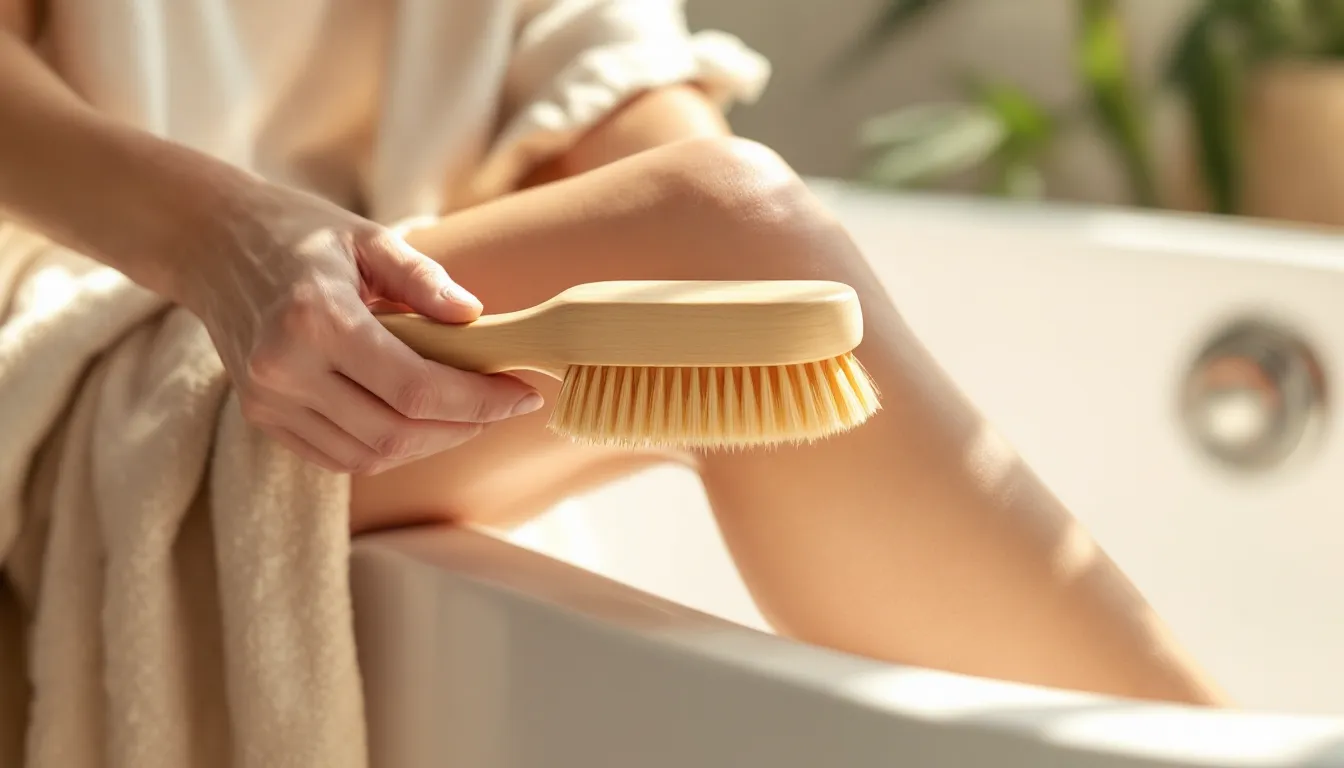
Dry brushing is exactly what it sounds like, using a firm, natural-bristle brush on dry skin in long, sweeping strokes. In Ayurveda, this practice is called garshana, and it’s traditionally done with raw silk gloves or a dry brush before bathing.
The purpose? To introduce light, rough, and mobile qualities into the body. These qualities are stimulating by nature. They cut through heaviness, break up stagnation, and get things moving, circulation, lymph, even your mental energy.
Garshana is especially valued when there’s excess Kapha energy at play. If your skin feels thick, cool, or slightly congested, or if your whole body feels sluggish in the morning, dry brushing introduces the opposite qualities to restore balance.
Technique and Best Practices for Dry Brushing
I like to start at my feet and work upward in long, firm strokes toward the heart. On my belly and chest, I use gentler circular motions. The whole thing takes about five minutes, and I do it on completely dry skin, usually right before a warm shower.
The pressure matters. You want enough friction to feel a light tingle and see a slight pinkness, that’s prana moving. But if your skin feels raw or irritated afterward, you’ve gone too far. The brush itself is doing the work: you don’t need to press hard.
Timing-wise, morning is ideal. In Ayurveda, the early morning hours (roughly 6–10 AM) fall in Kapha time, when the body naturally carries more heaviness and moisture. Dry brushing during this window works with the body’s rhythm, helping to clear that Kapha-period sluggishness.
Skin Benefits and Limitations of Dry Brushing
Dry brushing excels at removing dead surface cells, which can make skin look instantly smoother and brighter. It also supports lymphatic movement and can kindle tejas, that metabolic spark that gives skin its inner clarity and warmth.
But here’s where I want to be honest: dry brushing has real limitations. Because it introduces dry, rough, light qualities, it can aggravate Vata, the dosha already prone to dryness, roughness, and depletion. If your skin is already thin, flaky, or sensitive, dry brushing without follow-up nourishment can actually make things worse.
It also doesn’t deeply nourish. It stimulates and exfoliates, but it doesn’t rebuild ojas or replenish the deeper tissue layers the way oil can.
Do this today: Try a 5-minute garshana session before your morning shower, using light-to-medium pressure. This is especially good for Kapha types or anyone feeling heavy and sluggish. If your skin is very dry, cracked, or inflamed, skip this and read the oil massage section instead.
What Is Oil Massage and How Does It Work?
Oil massage, abhyanga in Ayurveda, is one of the most beloved self-care practices in the entire tradition. It involves massaging warm oil into the skin using long strokes on the limbs and circular motions around the joints. And honestly, it feels like a hug for your nervous system.
Where dry brushing introduces lightness and stimulation, abhyanga brings the opposite: heavy, smooth, oily, warm, and stable qualities. These are deeply grounding. They calm excess Vata (which governs movement, dryness, and anxiety), nourish the skin at a tissue level, and directly support ojas, that deep vitality that keeps you feeling resilient and well.
In Ayurvedic thinking, oil doesn’t just sit on the surface. Warm oil is considered sukshma (subtle), meaning it can penetrate through the skin’s layers and reach deeper tissues. This is why abhyanga is traditionally recommended not just for skin health but for calming the mind, supporting sleep, and strengthening immunity.
Choosing the Right Oil for Your Skin Type
This is where personalization really matters. Ayurveda doesn’t use a one-size-fits-all oil.
If you tend toward Vata qualities, dry, cool, light skin that gets rough easily, sesame oil is your friend. It’s warming, heavy, and deeply nourishing. It balances all those dry, mobile qualities that Vata brings.
If you run Pitta, warm, sensitive, prone to redness or irritation, coconut oil or sunflower oil works beautifully. These are cooling and soothing, calming that sharp, hot quality Pitta carries.
For Kapha, thicker, oilier skin that tends toward congestion, a lighter oil like safflower or even a very small amount of sesame with warming herbs can work. Some Kapha types do better with dry brushing alone, or a very light oil application.
Skin Benefits and Limitations of Oil Massage
Abhyanga builds ojas over time. It smooths rough, dry skin. It calms the nervous system, which means it indirectly helps with stress-related skin issues like dullness, premature aging, and uneven tone. And because it’s deeply stabilizing, it supports prana, your life force stays steady instead of scattered.
The limitations? Oil massage is heavy and slow. If you’re already feeling congested, lethargic, or carrying excess Kapha, adding more oily, heavy qualities can create more stagnation. You might notice your skin feels greasy or doesn’t absorb the oil well, that’s a sign your channels are already a bit blocked, possibly with ama.
Also, abhyanga takes more time than dry brushing, typically 15–20 minutes for a full-body session, plus you’ll want to let the oil sit for at least 10 minutes before showering.
Do this today: Warm a small amount of oil suited to your constitution and massage just your feet and lower legs before bed tonight. This takes about 5 minutes and can dramatically improve sleep quality. This is wonderful for Vata and Pitta types. If you’re feeling very heavy or congested, try dry brushing first or use a very light application.
Dry Brushing vs. Oil Massage: A Side-by-Side Comparison
Let me lay this out simply, because I think the contrast tells the story better than anything.
Dry brushing is light, rough, dry, mobile, and stimulating. It’s best for breaking up stagnation, clearing Kapha congestion, and waking up sluggish skin. It takes 5 minutes, costs almost nothing, and works fast on the surface. But it doesn’t deeply nourish, and it can deplete Vata types over time.
Oil massage is heavy, smooth, oily, warm, and stabilizing. It’s best for building deep vitality, calming Vata, and nourishing skin from within. It takes 15–20 minutes, requires choosing the right oil, and works more slowly, but the effects compound over weeks and months.
In terms of agni and ama, dry brushing helps clear surface-level ama by stimulating circulation and exfoliating dead cells. Oil massage supports agni more indirectly, by calming the nervous system and reducing stress, it allows digestion and metabolism to function more efficiently.
For ojas, oil massage wins hands down. It’s one of the most ojas-building practices in Ayurveda. Dry brushing supports tejas (clarity, brightness) and prana (movement, energy) more directly.
Neither practice is universally “better.” The right choice depends on your constitution, the season, and what’s going on in your body right now.
Do this today: Ask yourself one question, “Do I need more stimulation or more nourishment right now?” If stimulation, lean toward dry brushing. If nourishment, reach for the oil. This simple check takes 10 seconds and works for everyone as a starting point.
Can You Combine Dry Brushing and Oil Massage?
Absolutely, and in fact, this is one of my favorite approaches. In traditional Ayurvedic practice, garshana (dry brushing) is sometimes done before abhyanga (oil massage) to prepare the skin. You get the stimulating, channel-clearing benefits first, then follow with deep nourishment.
Think of it like preparing soil before planting. The dry brush loosens the surface, clears dead cells, opens the subtle channels, gets circulation humming. Then the warm oil sinks in more effectively, reaching deeper tissues and delivering those smooth, heavy, nourishing qualities right where they’re needed.
This combination is particularly powerful during late winter and early spring, when the body naturally accumulates Kapha. The dry brushing addresses that seasonal heaviness, and the oil prevents you from tipping too far into dryness or depletion.
One thing I’d caution: don’t combine them if your skin is actively irritated, inflamed, or broken. The brush can create micro-abrasions that sting when oil is applied, and inflamed skin needs gentleness above all else.
Do this today: Try a combined session this weekend, 3 minutes of dry brushing followed by a 10-minute warm oil massage, then a warm shower. Total time: about 25 minutes. This works beautifully for Kapha and Vata-Kapha types. Pitta types with sensitive skin might prefer oil massage alone.
How To Build a Routine That Works for Your Skin Goals
Here’s where the Ayurvedic principle of personalization really comes alive, because your routine isn’t about copying someone else’s morning ritual. It’s about reading your own body’s signals and responding with the right qualities.
If you’re more Vata, meaning you tend toward dry, thin, or rough skin, feel cold easily, and your energy comes in bursts, your skin is craving warmth, heaviness, and moisture. Abhyanga with warm sesame oil is your anchor practice. I’d suggest doing it 4–5 times per week, ideally in the morning before your shower. On days you feel particularly stiff or stagnant, a very gentle, brief dry brush session (2 minutes, light pressure) before the oil can help. But oil is your non-negotiable. One thing to avoid: aggressive dry brushing on cold, windy days, that’s adding dry, rough, mobile qualities when your body already has too much.
Do this today: Warm 2 tablespoons of sesame oil and massage your arms, legs, and belly for 10 minutes before showering. This takes about 15 minutes total and is ideal for Vata-dominant individuals. If you have a sesame allergy, use almond oil instead.
If you’re more Pitta, meaning your skin runs warm, tends toward sensitivity or redness, and you’re prone to irritation, your skin wants cooling, soothing, smooth qualities. Coconut oil abhyanga is wonderful, especially during warmer months. Dry brushing can work for you, but use a softer brush and lighter pressure, and keep sessions short (3 minutes max). One thing to avoid: vigorous dry brushing during summer or after intense exercise, the sharp, hot quality of friction plus your natural heat is a recipe for irritation.
Do this today: Try a gentle coconut oil massage on your feet, calves, and forearms before bed. This is calming and cooling, takes about 7 minutes, and works well for Pitta types. If it’s very cold where you are, you can use sunflower oil instead.
If you’re more Kapha, meaning your skin is thicker, slightly oily, and you tend toward congestion or puffiness, dry brushing is your go-to. That light, rough, stimulating quality is exactly what balances Kapha’s heavy, cool, damp nature. Aim for 5 minutes of dry brushing most mornings. You can follow with a very light application of warm safflower oil if needed, but some Kapha mornings, the brush alone is enough. One thing to avoid: heavy oil massage every day, especially in spring, it can increase congestion and leave you feeling more sluggish.
Do this today: Do a 5-minute garshana session before your morning shower, focusing on your thighs, hips, and upper arms where Kapha tends to accumulate. This is great for Kapha types and anyone feeling heavy or puffy in the morning. Skip this if you have open wounds or active skin inflammation.
For your daily routine (dinacharya), I’d recommend anchoring two habits. First, make your skin care practice part of your morning rhythm, this aligns with Kapha time and prepares you for the day. Second, try a brief evening foot massage with warm oil before bed. Even 3 minutes of oiling the soles of your feet can ground scattered energy and improve sleep quality. These two bookend habits, one stimulating, one calming, create a rhythm your skin and nervous system can rely on.
For seasonal adjustments (ritucharya), pay attention to what the weather is doing. During dry, cold, windy months (Vata season), lean more heavily into oil massage and cut back on dry brushing. During the damp, cool heaviness of late winter and spring (Kapha season), increase dry brushing and lighten the oil. During hot summer months (Pitta season), favor cooling oils and be gentler with any friction-based practice. The season is always whispering what your skin needs, you just have to listen.
Who Should Avoid Each Method
I want to be straightforward here, because both practices are generally gentle, but they’re not for everyone in every situation.
Avoid dry brushing if you have broken skin, active rashes, sunburn, eczema flares, or any open wounds. Also avoid it during acute illness or fever, your body’s agni is already redirected toward healing, and adding stimulation can be disruptive. If you’re pregnant, it’s wise to check with your healthcare provider before starting any new body practice.
Avoid oil massage if you’re experiencing acute indigestion, heavy ama (signs include a thick coating on your tongue, body heaviness, foggy thinking, and sluggish elimination), or if you have a fever. When ama is high, the body’s channels are already congested, adding heavy, oily qualities can make that worse. In these cases, lighter practices like gentle dry brushing or simply warm baths may serve you better until digestion clears.
Both practices are best avoided on freshly broken or inflamed skin. And neither is a substitute for medical treatment if you’re dealing with a diagnosed skin condition.
This is general education, not medical advice. If you’re pregnant, managing a condition, or taking medication, check with a qualified professional.
Do this today: If you’re unsure whether a practice is right for you, start with the mildest version, light pressure, small area, short duration, and notice how your body responds over 2–3 days. This cautious approach works for anyone and takes only a few extra minutes of attention.
Conclusion
The beauty of Ayurveda’s approach to skin care is that it doesn’t ask you to follow a trend, it asks you to know yourself. Dry brushing and oil massage aren’t competing practices. They’re two tools with very different qualities, and your body already knows which one it’s asking for on any given day.
When I started paying attention to what my skin actually needed, not what looked appealing on social media, everything shifted. Some mornings I reach for the brush. Other mornings, the oil. And honestly, that flexibility is the point.
Your skin is a living conversation between your inner vitality and the world around you. The more you listen, the less you’ll need to chase after the “perfect” routine, because the right routine changes with you.
I’d love to hear where you are in your own practice. Have you tried dry brushing, oil massage, or both? What did you notice? Drop a thought in the comments or share this with someone who’s been curious about these practices. And if you’re just getting started, what’s the one thing you’re most excited to try first?