What Is the Plate Method?
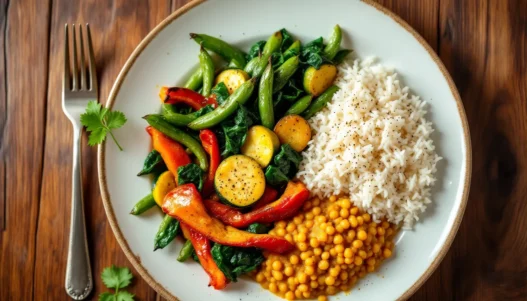
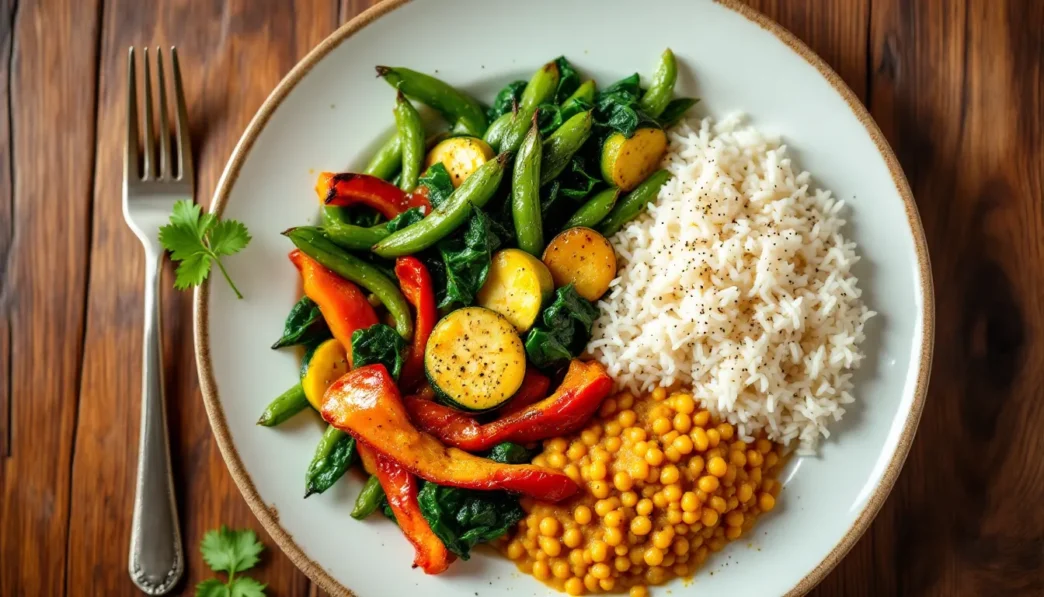
At its simplest, the plate method is a visual guide for portioning your meals. You divide your plate into sections, roughly half for vegetables, a quarter for protein, and a quarter for whole grains or starchy foods. No calorie counting, no food scales, no apps. Just your plate and a little awareness.
But here’s where I think most explanations stop too short. From an Ayurvedic perspective, balanced nutrition isn’t only about what fills each section, it’s about the qualities those foods bring to your body. Are they light or heavy? Warming or cooling? Dry or oily? These qualities directly affect your digestive fire, which Ayurveda calls agni.
When agni is strong and steady, you break down food completely and absorb real nourishment. When it’s weak or erratic, undigested residue, called ama, builds up. Ama shows up as that foggy, sluggish, coated-tongue feeling after eating. The plate method, done thoughtfully, is actually a beautiful way to keep agni balanced because it naturally prevents you from overloading any one quality on your plate.
Think of it this way: a plate that’s all heavy, dense foods smothers your digestive fire like wet logs on a campfire. A plate that’s too light and dry leaves the fire with nothing substantial to work with. The plate method, by design, creates variety, and variety of qualities is exactly what keeps digestion humming.
Do this today: Look at your next meal and simply notice, is your plate dominated by one quality (all heavy, all dry, all cold)? Just noticing is the first step. Takes about 30 seconds. Good for anyone, regardless of body type or experience level.
How to Build Your Plate Step by Step
Non-Starchy Vegetables: Filling Half Your Plate
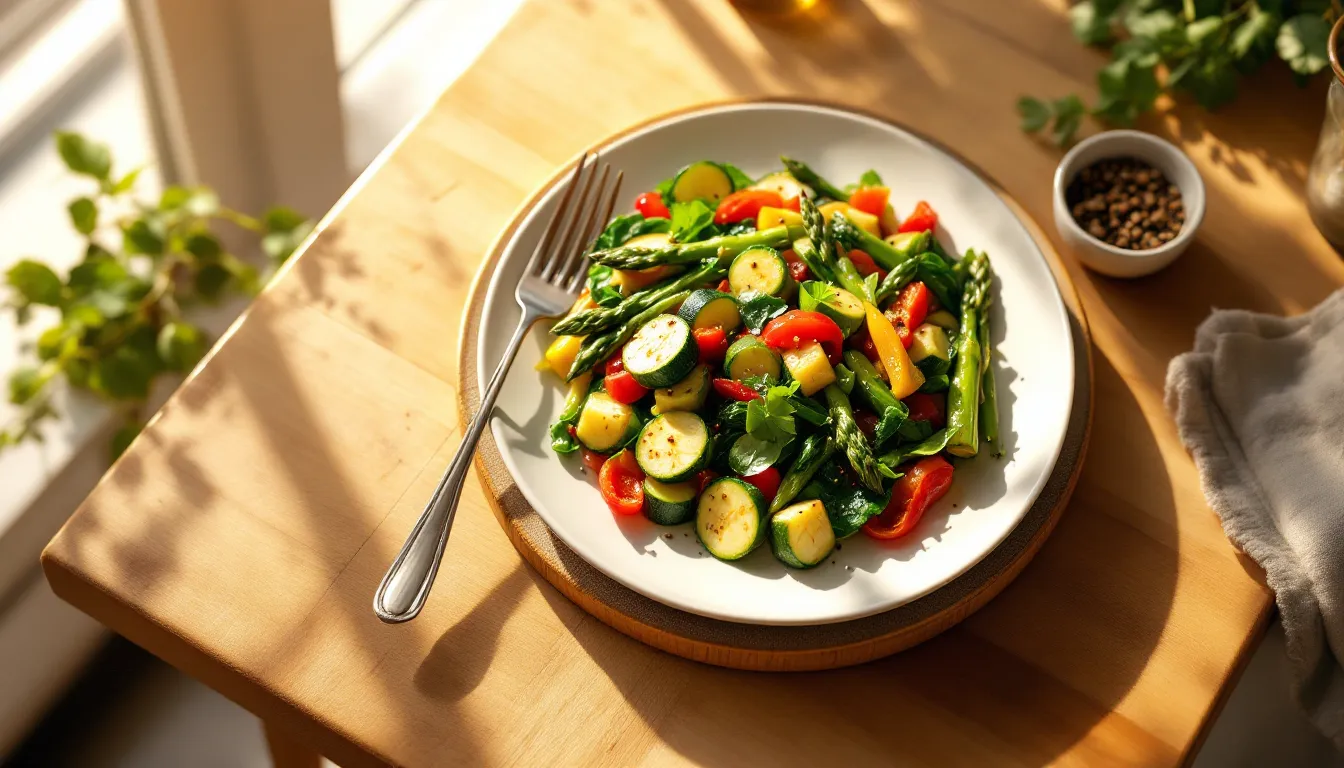
This is where I always start. Half the plate goes to non-starchy vegetables, things like leafy greens, zucchini, green beans, asparagus, bell peppers, or cooked beets. These tend to be light and full of prana, that subtle life-force energy that keeps your mind clear and your nervous system steady.
Cooked vegetables are generally easier on digestion than raw ones. If you’re someone who tends to feel bloated or gassy after salads, that’s often a sign of excess Vata, too much cold, dry, rough quality overwhelming your agni. Lightly sautéing or steaming your veggies with a little ghee or olive oil adds the oily, warm qualities that help your body actually absorb the nutrients.
I like to think of this half of the plate as the part that keeps things moving without being too heavy. It’s the kindling for the fire.
Do this today: Try lightly cooking your vegetables with a small amount of healthy fat and a pinch of warming spice like cumin or black pepper. Five minutes of prep. This works well for most people, though if you tend to run very hot and have strong digestion, you can enjoy more raw veggies than others.
Lean Proteins and Whole Grains: Completing the Balance
The other half of your plate splits between protein and whole grains. Proteins, whether that’s lentils, mung beans, eggs, fish, or chicken, bring heavy, grounding, stable qualities. They build and repair tissues and contribute to what Ayurveda calls ojas, that deep reserve of vitality and immune resilience.
Whole grains like rice, quinoa, or barley add sustaining energy without being too dense. Basmati rice, for instance, is considered one of the most balanced grains because it’s nourishing yet relatively light and easy to digest. It supports agni rather than suppressing it.
The combination matters. Protein without grain can feel too heavy. Grain without protein can leave you hungry an hour later. Together, they create a stable, smooth foundation that keeps blood sugar even and your mind calm, that’s tejas at work, the metabolic spark that turns food into clarity rather than fog.
Do this today: Pair a modest portion of protein with an equal portion of a well-cooked whole grain at lunch, when your digestive fire is naturally strongest (between about 11 a.m. and 1 p.m.). Takes no extra time, just intention. Good for everyone, especially if you tend to skip grains or overdo protein.
Common Mistakes to Avoid With the Plate Method
The biggest mistake I see, and one I made myself for a while, is treating the plate method as purely mechanical. Filling the sections “correctly” but ignoring how the food makes you feel.
For example, loading half your plate with raw kale in the middle of winter adds a lot of cold, dry, rough qualities to a season that’s already cold and dry. That’s a recipe for aggravated Vata: bloating, anxiety, restless sleep. Ayurveda teaches that like increases like, and opposites create balance. So in colder months, you’d want that vegetable half to be warm, cooked, and perhaps a bit oily.
Another common misstep is eating the right foods at the wrong time. A heavy, protein-rich plate at 9 p.m. taxes your agni when it’s naturally winding down for the night. The result? Ama. You wake up feeling heavy, maybe with a coated tongue or dull mind.
And then there’s the one-size-fits-all trap. A plate that’s perfect for a Kapha constitution, lighter, more pungent, with less grain, could leave a Vata person feeling ungrounded and anxious. Personalization isn’t optional: it’s the whole point.
Do this today: After your next meal, sit quietly for two minutes and notice how you feel. Energized or sluggish? Light or heavy? This simple check-in trains you to read your body’s feedback. Works for everyone, and it’s free.
Adapting the Plate Method to Different Meals and Lifestyles
Here’s where personalization comes in, and I find this the most rewarding part.
If you’re more Vata, meaning you tend toward dryness, cold hands, racing thoughts, or irregular digestion, your plate benefits from extra warmth and moisture. Favor cooked, oily vegetables. Choose heavier grains like rice over dry crackers. Add ghee. Your protein portion might be slightly larger for grounding. Consider avoiding raw salads, especially in cool weather, and try eating in a calm, settled environment.
Try this: A warm bowl of basmati rice with mung dal, sautéed greens, and a drizzle of ghee. Eat at consistent times. Ten minutes to prepare. Especially supportive for Vata types or anyone feeling scattered and ungrounded.
If you’re more Pitta, sharp digestion, tendency toward heat, irritability, or inflammation, your plate wants more cooling, slightly heavier qualities. Load up on sweet, bitter vegetables like cucumber, zucchini, and leafy greens. Choose cooling grains like barley or basmati rice. Go easier on pungent spices and sour foods.
Try this: A plate of steamed green beans and cilantro rice with a moderate portion of coconut-seasoned lentils. Avoid skipping meals, Pitta’s strong agni turns on you when there’s nothing to digest. Takes the same ten minutes. Ideal for Pitta-dominant types or anyone dealing with acidity and heat.
If you’re more Kapha, heavier build, slower digestion, tendency toward lethargy or congestion, your plate benefits from being lighter and more stimulating. Favor the vegetable half generously, go easier on grains, and choose lighter proteins like lentils or white fish. Add sharp, warming spices like ginger, black pepper, and turmeric to kindle agni.
Try this: A big plate of spiced roasted vegetables with a small portion of quinoa and light dal. Eat your largest meal at midday and keep dinner light. Five to ten minutes of prep. Best for Kapha types or anyone feeling sluggish and heavy after meals.
As seasons shift, your plate naturally adjusts too. In late autumn and winter, when cold, dry, mobile qualities dominate, everyone benefits from warmer, heartier, slightly oilier plates. Come summer, lighter and cooler meals feel right. This is ritucharya, seasonal living, and it’s one of Ayurveda’s most practical gifts.
Do this today: Pick the dosha description that resonates most with how you feel right now (not necessarily your birth constitution) and adjust one meal accordingly. Five minutes of thought, real results.
Why the Plate Method Works for Long-Term Health
The reason the plate method sticks, when so many diets don’t, is that it works with your body’s intelligence rather than against it.
From a modern standpoint, it supports steady blood sugar, adequate fiber, and nutrient diversity without requiring a nutrition degree. But from the Ayurvedic perspective, the deeper reason is this: it naturally tends toward balance of qualities. A well-built plate offers a mix of light and heavy, warm and cool, dry and oily. That mix keeps agni steady, reduces ama accumulation over time, and supports the vitality triad, ojas for deep resilience, tejas for mental clarity, and prana for that feeling of being truly alive and present.
Two daily habits that anchor this beautifully: eating your main meal at midday when agni peaks, and beginning each morning with a glass of warm water to gently wake up digestion, a simple piece of dinacharya, or ideal daily routine. These two small practices paired with the plate method create a rhythm your body can trust.
And isn’t that what we’re really after? Not perfection. Just a rhythm that feels good, meal after meal, season after season.
Do this today: Commit to the warm-water-first-thing habit for one week and build your midday plate using the method above. Takes three minutes in the morning. Good for absolutely everyone.
Conclusion
Balanced nutrition doesn’t need to be complicated. I’ve found that the plate method, especially when you layer in a little Ayurvedic awareness about qualities, digestion, and your own unique constitution, becomes something you don’t have to think about so hard. It becomes intuitive.
You’re not following a rigid plan. You’re learning to read what your body is asking for and responding with a plate that actually supports you. That’s a skill that lasts a lifetime.
I’d love to hear how this lands for you. Have you tried the plate method before? What’s the one change you’re going to try first? Drop a comment below or share this with someone who’s been struggling to make mealtime simpler.
Here’s to plates that feel as good as they look.