







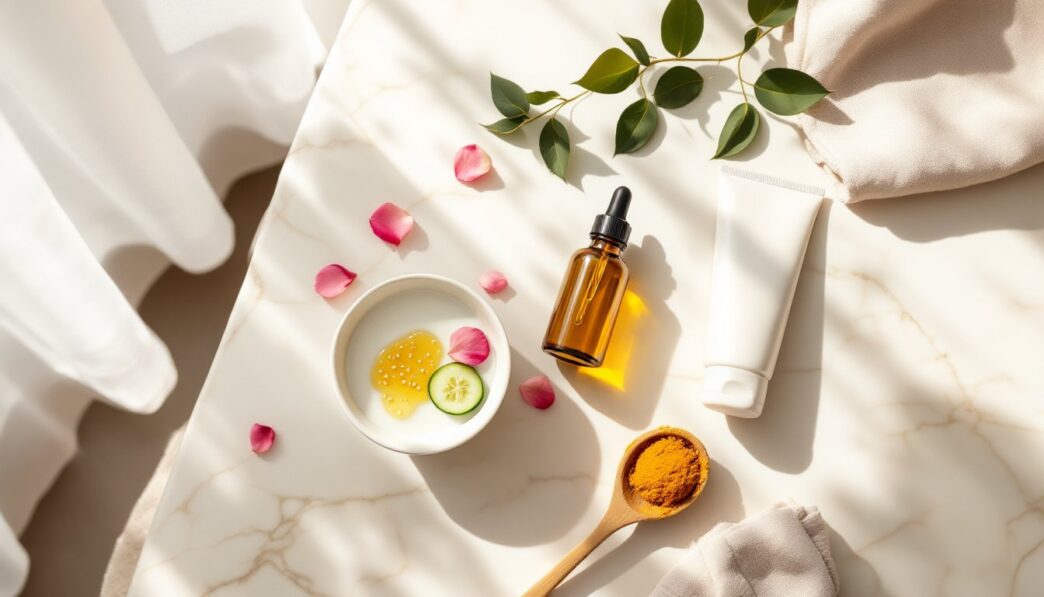
Why Affordable Skincare Can Work Just as Well as Luxury
Here’s something the beauty aisle won’t tell you: your skin doesn’t read price tags. It reads qualities. Is what you’re putting on cooling or heating? Light or heavy? Dry or oily? Smooth or rough? That’s the language your skin actually speaks, and Ayurveda has been fluent in it for centuries.
When I stopped chasing brand names and started asking, what quality does my skin need right now?, everything shifted. A jar of pure coconut oil calmed my summer flare-ups better than a $90 cream because it offered the cool, smooth, slightly heavy qualities my overheated Pitta was begging for.
Luxury packaging adds cost, not always benefit. A clean, well-chosen ingredient with the right guna for your skin will outperform a flashy formula full of fillers. Affordable doesn’t mean less effective, it means less wasted.
Try this today: Look at one product on your shelf and describe it in qualities, not marketing words. Two minutes. Helpful for anyone curious about their current routine. Skip if you’re mid-flare and need to rest first.
Knowing Your Skin Type Before You Spend a Cent
Before I bought another thing, I had to figure out what my skin actually was. In Ayurveda, your skin reflects your dominant dosha, and once you see that, your shopping list gets surprisingly short.
Vata skin tends to feel dry, thin, and a little rough. It chaps easily in wind, ages faster, and craves oil and warmth. Pitta skin runs hot, think redness, sensitivity, breakouts that sting, freckles, and a tendency to react to spicy food or stress. Kapha skin is the thick, smooth, oily one. It’s the slowest to wrinkle, but also the most prone to congestion, dullness, and stubborn blackheads.
Most of us are a blend. I’m Pitta-Vata, so my T-zone flushes while my cheeks flake in winter. Knowing that saved me from buying anything labeled “for oily skin” ever again.
This ties straight back to agni, your inner metabolic spark. When agni is steady, your skin reflects clarity and tejas, that lit-from-within glow. When it’s off, your skin tells on you.
Try this today: Wash your face with plain water, wait an hour, and notice how your skin feels. Tight? Slick? Patchy? Five minutes. Useful for everyone. Not for days when your skin is actively irritated.
The Core Four: Essentials Every Budget Routine Needs

I used to have eleven products. Now I have four. My skin is happier, and so is my bank account. Here’s the honest minimum, and how each one earns its keep.
Cleanser: The Non-Negotiable First Step
A cleanser’s job is to remove the day, dust, sunscreen, the subtle residue Ayurveda calls ama when it builds up inside, or its surface cousin when it sits on your skin. But harsh foaming cleansers strip your skin’s oily, smooth protective layer, leaving it dry, rough, and confused.
For dry Vata skin, I use a splash of raw milk or a gentle cream cleanser. For Pitta, cool rose water works wonders. For Kapha, a little chickpea flour mixed with water cuts heaviness without aggression. All cost pennies per wash.
Try this tonight: Switch your harsh foamy wash for something gentler for one week. Two minutes per use. For anyone whose skin feels tight after cleansing. Skip if you have an active skin condition under treatment.
Moisturizer: Hydration Without the Markup
Moisturizer replaces what cleansing removes and seals in what your skin already has. The key is matching its qualities to your dosha. Vata skin loves heavier, warming oils like sesame. Pitta prefers cooling, light ones like coconut or sunflower. Kapha does best with lighter, almost dry-feeling oils like mustard or a thin almond.
A $6 bottle of cold-pressed oil from your kitchen-supply aisle often outperforms a $60 cream. I keep mine in a small glass dropper and use three drops on damp skin.
Try this: Apply oil to slightly damp skin within sixty seconds of washing. One minute. Great for most skin types. Avoid heavy oils on actively congested Kapha skin.
Sunscreen: The Cheapest Anti-Aging Tool You’ll Ever Buy
If I could only keep one product, it would be sunscreen. The sun’s sharp, hot, penetrating quality is the single biggest agitator of Pitta in the skin, and the fastest road to premature aging across all doshas.
A basic mineral sunscreen with zinc, around $12–15, does the job beautifully. No need for the $50 version with gold flecks.
Try this every morning: Apply sunscreen as your last step before makeup, even on cloudy days. Thirty seconds. For everyone over six months old. Patch test first if your skin is reactive.
Smart Ingredients to Look For on a Tight Budget
You don’t need a chemistry degree, just a sense of qualities. For dry, mobile, rough Vata skin, look for sesame oil, ghee-based balms, shatavari, and almond. These offer the oily, heavy, smooth, stable qualities that ground and nourish.
For hot, sharp, sensitive Pitta skin, reach for aloe vera gel, rose water, sandalwood powder, cucumber, and coconut. Cool, soft, and a little subtle, exactly the opposites Pitta craves.
For heavy, oily, dull Kapha skin, turmeric, neem, honey, and a pinch of triphala powder bring the light, dry, slightly sharp qualities needed to wake things up.
These ingredients support prana flowing freely through your skin and protect ojas, your deep reserve of vitality that gives skin its bounce and resilience. They’re often available for under $10 each and last months.
Try this week: Pick one ingredient suited to your dosha and use it three times. Five minutes per use. For curious beginners. Skip anything you’ve reacted to before.
Where to Splurge and Where to Save
Not every product deserves equal investment. I save on cleansers, toners, body lotion, and most masks, these are short-contact or easily replaced with kitchen staples.
I’m willing to spend a little more on sunscreen (because formulation matters), one targeted treatment if I genuinely need it (like a vitamin C serum for stubborn pigmentation), and a quality face oil that suits my dosha. Even then, “splurge” might mean $25 instead of $8, not $150.
The trick is asking: does this product stay on my skin long enough to matter? A cleanser is rinsed off in seconds. A moisturizer sits for hours. Spend where time and contact justify it.
Also, beware the dull, heavy quality of decision fatigue. A simpler routine is easier to stick with, and consistency is what actually transforms skin.
Try this weekend: List your current products and mark each “save” or “splurge.” Ten minutes. For anyone rebuilding their shelf. Not urgent if your current routine is working.
Lifestyle Habits That Boost Skin Health for Free
Here’s the part beauty brands don’t want you to hear: your skin is downstream of your digestion, your sleep, and your nervous system. No cream will outwork a chaotic lifestyle.
When agni is strong, food becomes nourishment that builds clear, glowing tissue. When it’s weak, food becomes ama, that sticky, heavy residue that shows up as dullness, breakouts, puffiness, and dark circles. I can tell within two days when my digestion slips: my skin always tattles.
Drink warm water through the day instead of icy drinks, which dull agni. Eat your biggest meal at midday when digestive fire is strongest. Get to bed before 10 p.m. so your skin can do its repair work during the cool, stable hours of the night.
Movement matters too. A brisk walk improves prana flow and brings color to the cheeks better than any blush.
Try this tonight: Lights low by 9:30, phone away, in bed by 10. Free. For anyone with tired-looking skin. Adjust if you work night shifts.
If You’re More Vata, Pitta, or Kapha: Your Personalized Guide
This is where budget skincare becomes truly powerful, when it’s tailored to you.
If you’re more Vata
Your skin is dry, thin, and loves warmth. Choose heavier oils like sesame, eat warm cooked meals with healthy fats, and keep your environment humid and cozy. Slow down your pace: rushing aggravates Vata’s mobile, dry quality and shows up as flaky, dull skin. Avoid cold raw foods and icy water, especially in fall and winter.
Try this: Warm sesame oil massage before your shower, three times a week. Ten minutes. For most Vata types. Skip if you have a fever or active skin infection.
If you’re more Pitta
Your skin runs hot and reactive. Choose cooling, light ingredients, coconut oil, aloe, rose. Eat sweet, bitter, and astringent foods like cucumber, leafy greens, and sweet fruit. Keep your environment cool and your schedule un-overheated. Avoid spicy food, excessive sun, and skipping meals, Pitta skin punishes a missed lunch.
Try this: Splash cool rose water on your face midday. Two minutes. For Pitta-prone redness. Avoid if rose triggers any sensitivity for you.
If you’re more Kapha
Your skin is thick, oily, and slow. Choose light, slightly warming ingredients like turmeric and a touch of honey. Eat lighter meals, move daily, and keep your space bright and airy. Avoid heavy creams, dairy at night, and napping after meals, all amplify Kapha’s heavy, dull quality.
Try this: Dry brush your skin for two minutes before your morning shower. Daily. For Kapha congestion. Skip on broken or irritated skin.
Your Ideal Daily Routine (Two Simple Habits to Anchor)
A routine doesn’t have to be elaborate to be effective. Two well-placed habits will do more than ten scattered ones.
Morning anchor: Splash your face with room-temperature water, apply three drops of an oil suited to your dosha on damp skin, then sunscreen. This sets a stable, smooth, protective layer before the day’s mobile, sharp stressors hit. It takes me under four minutes.
Evening anchor: Cleanse gently to clear the day’s surface ama, then do a one-minute self-massage with warm oil on your face and neck before bed. This calms prana, settles the nervous system, and supports the slow, deep work of overnight repair, the time when ojas quietly rebuilds.
If you can’t do both, just do the evening one. Sleep is where skin actually heals.
Try this all week: Same two anchors, same times. Roughly six minutes a day total. For anyone craving simplicity. Adjust timing to your schedule, consistency beats perfection.
Seasonal Adjustment: Letting Your Routine Breathe With the Year
Your skin in July is not your skin in January, and pretending otherwise is how routines fail. Ayurveda calls this seasonal wisdom ritucharya, and it’s the easiest free upgrade you can give your skin.
In hot, sharp summer months, lean into cooling: lighter oils like coconut, rose water mists, more cucumber and watermelon at meals, and a sunscreen you actually reapply. Pitta runs high, and your skin will thank you for the soft, cool, subtle support.
In cold, dry, mobile winter months, switch to heavier, warming oils like sesame or almond, a richer moisturizer, and warm cooked foods. Vata spikes, and your skin loses moisture fast through dry indoor air.
In damp, heavy spring, lighten everything. Less oil, more movement, a touch of turmeric or neem to keep Kapha congestion from settling in.
Try this at season change: Swap one product for a seasonally appropriate version. Five minutes. For everyone. Especially helpful if your skin “suddenly” changes each season.
Common Budget Skincare Mistakes to Avoid
Saving money is wonderful. Sabotaging your skin in the process isn’t. Here are the slips I see most often, even from well-meaning folks.
Over-cleansing is the biggest one. Washing twice a day with a harsh product strips the smooth, oily layer that protects your skin, leaving it more reactive, not less. Once a day with something gentle is plenty for most.
Chasing trends is another. Just because a fermented yak butter mask is viral doesn’t mean it suits your dosha. Trends ignore your individual qualities: Ayurveda centers them.
Mixing too many actives, retinol, acids, vitamin C, at once creates a sharp, hot, irritating environment that flares Pitta and damages your skin barrier. One active at a time, introduced slowly.
And skipping sunscreen to save money is a false economy. UV damage costs far more to undo than to prevent.
Finally, neglecting sleep, water, and digestion while obsessing over products. Skincare without lifestyle is like watering a plant in toxic soil.
Try this: Audit your routine for one of these mistakes this week and adjust. Fifteen minutes. For anyone whose skin feels stuck. Not for those mid-treatment with a dermatologist, follow their plan.
A Gentle Closing Thought
Healthy skin isn’t bought: it’s built, through small, kind choices that respect what your skin is actually telling you. When I let go of the idea that more expensive meant more effective, my skin finally got what it needed: warmth where it was cold, coolness where it was hot, and steadiness everywhere else.
Your routine can be simple, affordable, and deeply personal. That’s not a compromise, that’s the whole point.
If this resonated, I’d love to hear from you in the comments, and please share it with someone whose bathroom shelf could use a little breathing room. What’s one product you’re ready to let go of, and what quality do you think your skin is really asking for?