








Why Popular Wellness Advice Isn’t Always What It Seems
Here’s the thing about most wellness advice: it’s designed for everyone and no one at the same time. A green juice cleanse might feel amazing for one person and leave another shaky, bloated, and cold. That’s not a flaw in the person, it’s a flaw in the one-size-fits-all approach.
Ayurveda starts from a completely different place. Instead of asking “what’s trending?,” it asks “what’s your constitution?” Your dosha, your unique blend of Vata (air and space energy, which tends toward lightness, dryness, and mobility), Pitta (fire and water, which runs hot, sharp, and intense), or Kapha (earth and water, which leans heavy, cool, and stable), determines how your body responds to any given input.
Then there’s agni, your digestive and metabolic intelligence. When agni is strong and steady, you process food, experiences, and even emotions well. When it’s weakened or erratic, undigested residue, what Ayurveda calls ama, starts to accumulate. Ama shows up as brain fog, sluggish energy, a coated tongue, achy joints, or that general feeling of heaviness that no amount of kale smoothies seems to fix.
The wellness myths I’m about to walk through all share a common thread: they ignore your individual constitution, your current state of balance, and whether your digestive fire can actually handle what you’re throwing at it. That’s where they go sideways.
Do this today: Before adopting any new health habit, pause and notice how your digestion, energy, and mood respond over three to five days. Takes about two minutes of honest reflection each evening. This works for anyone curious about building body awareness, though if you’re managing a health condition, work with a practitioner first.
Detox Diets and Juice Cleanses
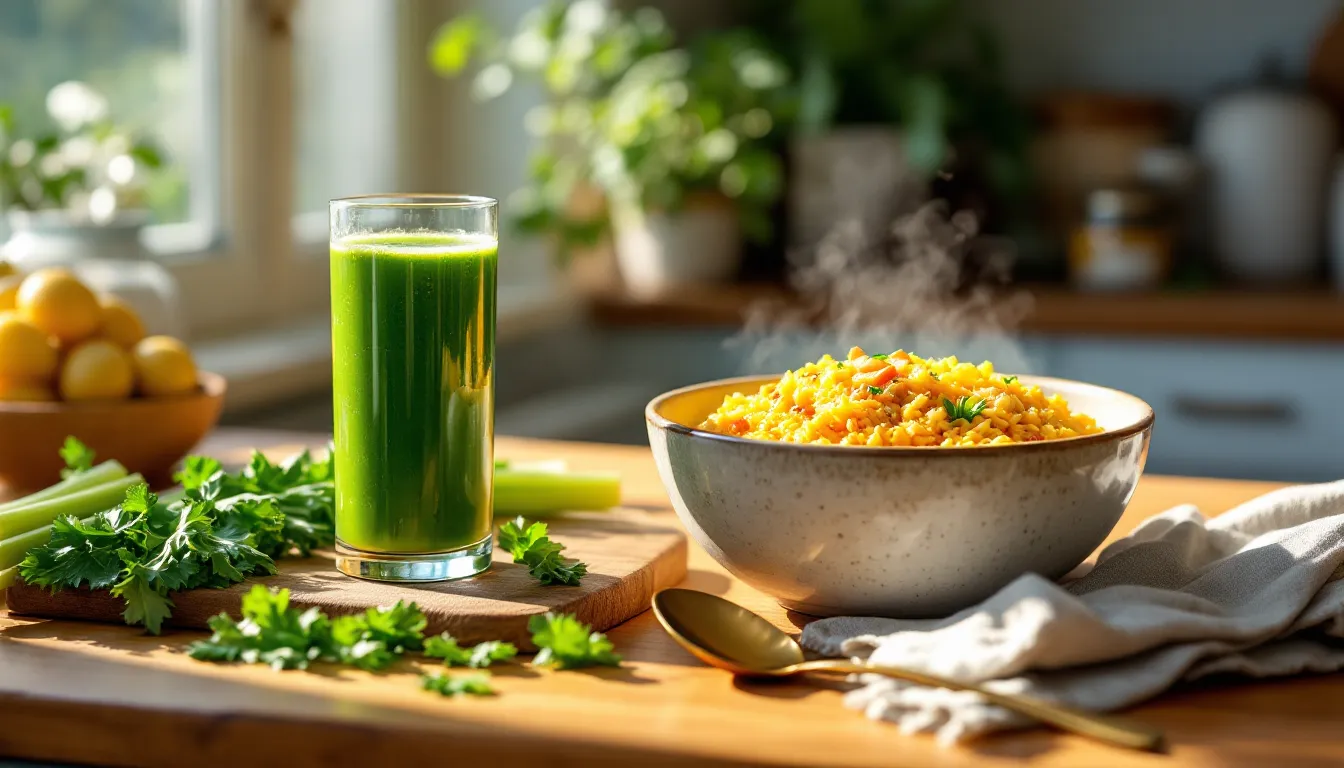
Detox diets and juice cleanses are probably the most glamorous wellness myth out there. The idea sounds clean and appealing: flood your body with raw juice, give your digestion a “rest,” and emerge glowing.
But from an Ayurvedic perspective, most juice cleanses do the opposite of what they promise. Raw, cold juices are light, cool, and rough in quality. For someone with a Vata-predominant constitution, already prone to dryness, coldness, and irregularity, a three-day juice cleanse can scatter their energy, aggravate their nervous system, and actually weaken agni rather than strengthen it.
When agni dims, food (even healthy juice) doesn’t get fully processed. That’s how ama builds, not from eating “bad” food, but from poor digestion of any food. Signs you might notice: a white coating on your tongue in the morning, a sense of heaviness even though you’ve barely eaten, or feeling spacey and ungrounded.
Pitta types might tolerate cool juices a bit better in summer, but the sharp, liquid quality can still irritate their already intense digestive fire, leading to acidity or loose stools. And Kapha types? Cold, heavy, sweet juices can increase the very sluggishness they’re trying to clear.
Ayurveda does value cleansing, but gently. Think warm, cooked, lightly spiced foods like kitchari that support agni rather than suppress it. The goal is to kindle your metabolic spark (what’s called tejas) and build deep vitality (ojas), not strip your system down.
Do this today: If you’re craving a reset, try a day of simple warm meals, rice, mung dal, cooked vegetables with a pinch of cumin and ginger. About ten minutes to prepare. This is gentle enough for all constitutions, though Kapha types can add a bit more spice and Vata types can stir in a little ghee.
The Myth of “More Is Better” With Exercise
I used to believe that if thirty minutes of exercise was good, sixty had to be better. And ninety? Even more virtuous. This “more is better” mentality is baked into fitness culture, and it can genuinely backfire, especially when you factor in your dosha.
Exercise increases heat, lightness, and mobility in the body. For Kapha types, who tend toward heaviness, coolness, and stability, vigorous movement can be wonderfully balancing. But for Vata types, already light, dry, and mobile, intense daily exercise can deplete prana, the life-force energy that steadies the nervous system. You might notice this as anxiety, insomnia, or feeling wired but tired.
Pitta types face a different risk. They’re naturally driven and competitive, so they’re often drawn to intense workouts. But too much heat-generating exercise, especially in warm weather, can push Pitta into overdrive: irritability, inflammation, skin flare-ups, or burning digestion.
Overexercise also weakens agni in a subtle way. When your body is constantly in recovery mode, metabolic energy gets diverted from digestion to tissue repair. Ama can accumulate not because you ate poorly, but because your system was too taxed to process what you ate.
The Ayurvedic guideline is elegant: exercise to about half your capacity. You want to feel warm and lightly energized afterward, not wrung out.
Do this today: Try exercising at about 50–70% of your maximum effort and notice how you feel two hours later. Takes no extra time, just a shift in intensity. Especially helpful for Vata and Pitta types who tend to overdo it. Kapha types can go a bit harder, but the half-capacity principle still applies.
Cutting Out Entire Food Groups for Health
Cutting out gluten, dairy, grains, or fats wholesale has become almost a badge of honor in wellness circles. And while some people genuinely need to avoid specific foods, blanket elimination often creates new imbalances.
Ayurveda thinks about food in terms of qualities and tastes, not macronutrient categories. Grains, for instance, carry the sweet taste, which is grounding, nourishing, and ojas-building. Remove them entirely and Vata types can become ungrounded, anxious, and depleted. Healthy fats are oily, smooth, and heavy, qualities that directly counter Vata’s dry, rough tendencies. Cut them out and you might see dry skin, constipation, and restless sleep.
Kapha types sometimes benefit from reducing heavy, sweet, oily foods, but even they need some of those qualities in moderation to maintain stability and nourishment.
The real question isn’t “is this food group bad?” It’s “can my agni handle this food right now?” When digestion is strong, a wider variety of foods can be well-processed and turned into healthy tissue. When agni is weak, even “superfoods” become a source of ama.
Do this today: Instead of eliminating a food group, try improving how you eat one meal, sit down, eat warm food, chew well, and avoid distractions. Five minutes of presence. This benefits all constitutions. If you have a diagnosed allergy or intolerance, of course, continue following your practitioner’s guidance.
Supplements as a Substitute for Real Food
I’ve met people taking fifteen supplements a day who still feel foggy and fatigued. The wellness industry has convinced many of us that we can “hack” our nutrition with capsules and powders, but Ayurveda sees this differently.
Whole food carries prana, a living intelligence that isolated supplements simply don’t. When you eat a warm, freshly cooked meal, your agni engages with the full spectrum of tastes, textures, and qualities. That interaction is part of how your body builds ojas, that deep reservoir of resilience, immunity, and calm strength.
Supplements, by contrast, are often dry, concentrated, and stripped of context. Swallowing a handful of pills doesn’t activate your digestive intelligence the way a meal does. And if your agni is already compromised, those supplements may not get absorbed well, becoming another form of ama rather than nourishment.
This doesn’t mean herbs and supplements have no place. Ayurveda has used herbal formulations for thousands of years. But they work best as complements to good food and strong digestion, not replacements.
Do this today: Look at your supplement routine honestly. Could one or two of those capsules be replaced by a well-chosen food? Maybe a teaspoon of turmeric in warm milk instead of a curcumin pill, or soaked almonds instead of a vitamin E capsule. Takes five minutes. Great for all types, but if you’re on prescribed supplements, check with your healthcare provider before making changes.
Overhydration and the Eight-Glasses-a-Day Rule
The eight-glasses-a-day rule is one of those wellness ideas that sounds so reasonable, nobody questions it. But Ayurveda asks: eight glasses for whom? In what season? With what constitution?
Water is cool, heavy, and liquid in quality. For Kapha types, who already trend toward cool heaviness and water retention, forcing down large volumes of water can dampen agni like pouring water on a small campfire. You might notice sluggish digestion, bloating, or a feeling of waterlogged heaviness.
Vata types often do need more hydration because of their dry, light nature, but cold water can aggravate them. Warm or room-temperature water with a little ginger is far more balancing, supporting both hydration and agni.
Pitta types generally handle moderate water well, especially in warm months when their internal heat is high. But even they can overdo it during cool, damp seasons.
The Ayurvedic approach to hydration is beautifully simple: drink when you’re thirsty. Sip warm water throughout the day rather than gulping large amounts at once. And pay attention to the season, you’ll naturally need more in hot, dry weather and less in cool, wet months. That seasonal attunement is part of ritucharya, the Ayurvedic practice of adjusting your habits with the rhythms of nature.
Do this today: Try sipping warm water between meals instead of drinking large glasses with food. Just a small shift, takes no extra time. Particularly helpful for Kapha and Vata types. Pitta types can go slightly cooler in summer but still avoid ice-cold water with meals.
How to Evaluate Wellness Trends Before Trying Them
So how do you sort the helpful from the harmful when a new wellness trend pops up? I use a simple Ayurvedic filter, and you can too.
First, consider the qualities of the practice. Is it hot or cool? Light or heavy? Stimulating or calming? Then ask: do I already have too much of that quality in my system right now? If you’re a Pitta type in the middle of a hot summer and a trend involves intense hot yoga and spicy cleanses, that’s adding sharp, hot qualities to an already heated situation. Not ideal.
Second, ask: how will this affect my agni? Will it support steady, strong digestion, or overwhelm it, suppress it, or scatter it? If a practice leaves you bloated, foggy, or wired, your digestive intelligence is sending a clear signal.
Third, check the timing. Ayurveda’s daily rhythm, dinacharya, offers guidance here. A gentle morning routine with warm water, a few minutes of quiet breathing, and a grounding breakfast supports all three doshas. Heavy exercise late at night or skipping meals for intermittent fasting that doesn’t match your constitution can throw things off.
Two daily habits I come back to again and again: a consistent wake time (ideally before the heaviness of the Kapha morning period sets in, around 6 AM) and eating your main meal at midday when agni is naturally strongest. These two anchors alone can transform how you feel.
For a seasonal adjustment: as we move into cooler, drier months, favor warm, oily, grounding foods and reduce raw, cold inputs. In warm, humid months, lighter and slightly cooling choices help maintain balance.
Do this today: Next time a wellness trend catches your eye, pause and run it through the quality filter: what qualities does it bring, and do I need more or less of those right now? Takes about sixty seconds of reflection. Works for all constitutions and experience levels.
A gentle note: everything I share here is general education, not medical advice. If you’re pregnant, managing a condition, or taking medication, please check with a qualified professional.
Conclusion
The wellness world moves fast, and it’s easy to get swept up in the next promising trend. But your body isn’t a trend, it’s a living, intelligent system with its own rhythms, needs, and signals.
What I love about the Ayurvedic approach is that it puts you back in the center. Instead of asking “what’s the latest hack?,” it invites you to ask “what does my body actually need right now?” That shift, from external authority to internal awareness, is where real, lasting wellbeing begins.
You don’t have to overhaul everything at once. Pick one myth from this article that resonates, try the gentle alternative for a week, and notice what shifts. Your digestion, your energy, your sleep, they’ll tell you what’s working.
I’d love to hear from you. What’s one wellness trend you tried that didn’t quite work for you? Drop a comment or share this with someone who might be questioning the same things. And if you’re curious to learn more about your unique constitution, stay tuned, there’s always more to explore together.