





Why a Smart Grocery List Is the Foundation of Healthy Eating
In Ayurveda, food isn’t just fuel, it’s the raw material your body uses to build every tissue, from blood to bone to the deep vitality reserves called ojas. When the right ingredients are already sitting in your kitchen, you naturally gravitate toward meals that support your digestive fire, or agni. When they’re not? That’s when things get shaky.
Think of your digestive capacity like a campfire. If you feed it clean, dry kindling (fresh, well-chosen ingredients), it burns bright and steady. But if you pile on damp logs and plastic wrappers (heavily processed, stale, or incompatible foods), the fire smokes and sputters. That smoke, in Ayurvedic terms, is ama, a kind of undigested residue that clogs your channels, dulls your clarity (your inner tejas), and drags down your energy (your prana, or life force).
So a smart grocery list isn’t just about nutrition labels. It’s about choosing foods with qualities that match what your body actually needs, warm or cool, light or grounding, oily or dry, depending on your constitution and the season. When you shop with this awareness, you’re not just filling a cart. You’re laying the groundwork for how you’ll feel all week.
The beautiful part? This doesn’t require a PhD in Sanskrit. It just takes a little attention to what qualities you’re inviting into your kitchen.
This is general education, not medical advice. If you’re pregnant, managing a condition, or taking medication, check with a qualified professional.
What to Buy: Whole Foods Worth Filling Your Cart With
Fresh Produce and Lean Proteins
Fresh, whole foods carry the most prana, that vital life energy your nervous system thrives on. When produce is freshly harvested, it still holds its living intelligence. Compare biting into a ripe peach versus eating something from a can that’s been sitting on a shelf for two years. Your body can feel the difference, even if your mind can’t articulate why.
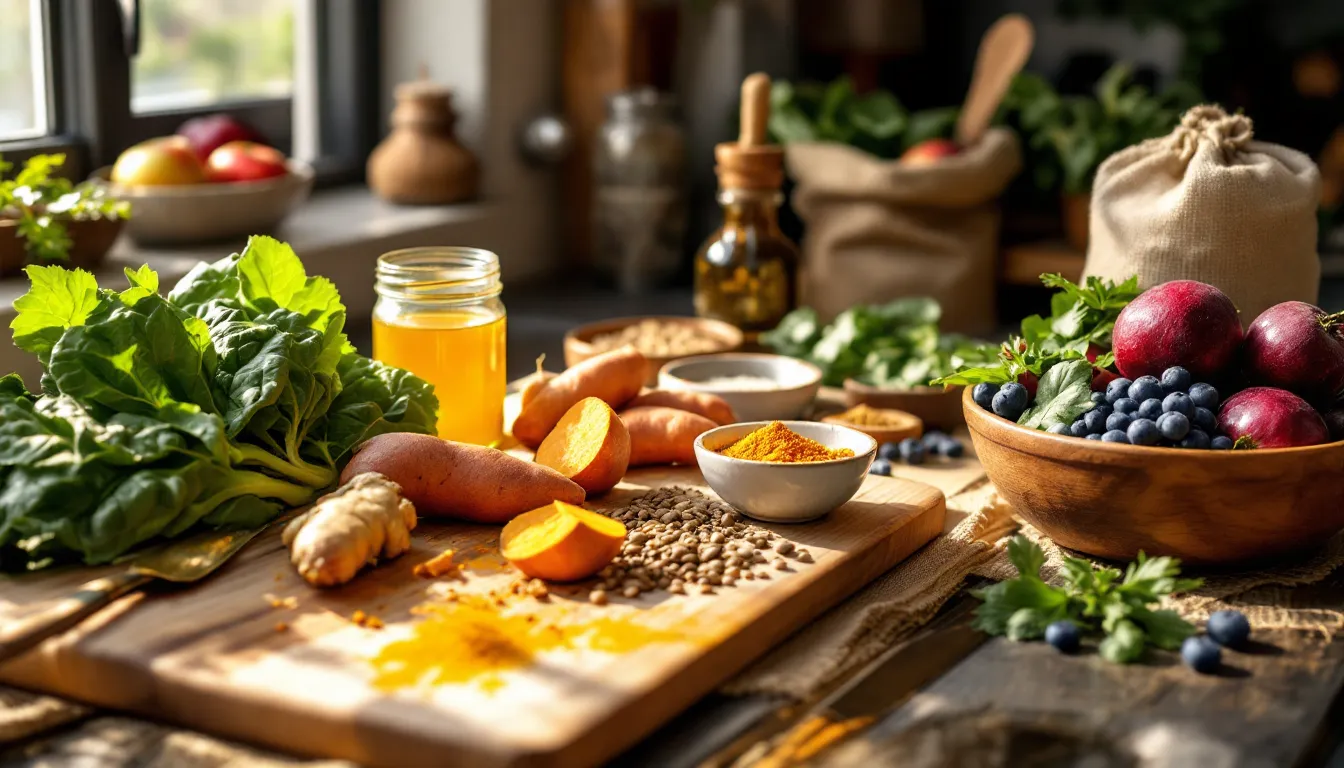
For vegetables, I lean toward cooked greens like spinach, chard, and zucchini, they’re lighter and easier on digestion than raw salads, especially in cooler weather. Root vegetables like sweet potatoes, beets, and carrots bring a beautiful grounding, heavy and sweet quality that’s stabilizing when life feels scattered (hello, Vata imbalance). Seasonal fruits, berries in summer, stewed apples in fall, keep things fresh without overwhelming your digestive fire.
For proteins, consider mung beans. They’re the gold standard in Ayurveda because they’re light yet nourishing, easy to digest, and they don’t create much ama. If you eat animal protein, favor small portions of freshly prepared fish or chicken over heavy red meats, which can be harder to process and tend to increase internal heat.
Try this: Pick three vegetables you enjoy cooked, two fruits that are in season right now, and one easy-to-digest protein like mung dal or lentils. That’s your fresh foundation, about 10 minutes of shopping.
Whole Grains, Healthy Fats, and Pantry Staples
Grains and fats are where the heavy, oily, smooth qualities live, and your body genuinely needs them. Basmati rice is a staple in Ayurvedic cooking because it’s light compared to other grains but still satisfying. Oats (cooked, not raw overnight oats sitting cold in the fridge) work wonderfully in the morning to kindle a gentle, warm start to your day.
For fats, ghee is the single most celebrated food in the Ayurvedic tradition. It’s smooth and oily, which counters dryness. It feeds ojas, that deep reservoir of immunity and calm resilience. It also carries nutrients into your tissues more effectively than most cooking oils. A small jar goes a long way.
Other pantry heroes: cumin, coriander, fennel, turmeric, fresh ginger, mineral salt, and a good quality sesame or coconut oil. These aren’t fancy extras, they’re digestive allies. Cumin and ginger are sharp and warm, which helps stoke a sluggish agni. Coriander and fennel are cool and gentle, which can soothe an overactive, hot digestion.
Try this: Stock your pantry with ghee, basmati rice, one bag of mung dal, and four key spices (cumin, coriander, turmeric, ginger). This takes about 15 minutes and gives you a week’s worth of simple, nourishing meals. Great for anyone, though if you’re new to Ayurvedic cooking, start here.
What to Skip: Items That Undermine Your Goals
Ultra-Processed Foods and Hidden Sugar Traps
Here’s the thing about ultra-processed foods, they’re essentially dead food. In Ayurvedic thinking, they fall into the category of tamasic substances: heavy, dull, stale, devoid of prana. They might give you a quick burst of energy (that sharp, mobile sugar spike), but they leave a trail of ama in their wake.
Sodas, packaged snack cakes, frozen dinners with ingredient lists longer than a novel, these overwhelm your agni. Your digestive fire simply wasn’t designed to process artificial preservatives, refined sugars, and hydrogenated fats all at once. The result? That foggy, sluggish feeling after eating. A coated tongue in the morning. Irregular elimination. These are classic signs that ama is accumulating.
Hidden sugars are sneaky, too. Flavored yogurts, bottled smoothies, granola bars, and even many “whole wheat” breads are loaded with refined sweeteners that spike internal heat (aggravating Pitta) while simultaneously creating heaviness (aggravating Kapha).
Try this: Next time you shop, flip over three packaged items you usually buy and scan for added sugars or ingredients you can’t pronounce. If there are more than five or six ingredients, consider a simpler swap. Takes 2 minutes per item, and it’s eye-opening for anyone just starting to pay attention.
Misleading “Health” Foods to Leave on the Shelf
This one gets me every time. So many products marketed as healthy are actually working against your digestion. Protein bars that are essentially candy in disguise. Cold-pressed juices that are all raw, cold, and rough on an empty stomach, especially challenging for Vata types. Rice cakes that are dry, light, and airy to the extreme (more Vata aggravation).
And then there’s the “superfood” powders that nobody can taste without mixing into a sugary smoothie. If a food needs that much help to be palatable, it might not be the right fit.
Ayurveda’s test is simple: does this food have vitality? Can I digest it well? Does it leave me feeling clear and satisfied, or heavy and confused? If your body consistently says no, trust that, regardless of what the packaging promises.
Try this: Pick one “health” food you buy on autopilot and honestly assess how you feel 30–60 minutes after eating it. If you notice heaviness, bloating, or an energy crash, swap it for something freshly prepared instead. This reflection takes 1 minute and works for everyone.
How to Shop Smarter on Any Budget
Eating well doesn’t require an unlimited budget, it requires intention. Some of the most nourishing Ayurvedic staples are among the cheapest items in the store. A bag of dried mung beans, a sack of basmati rice, a bundle of seasonal greens, and a few spices can feed you beautifully for a fraction of what processed convenience foods cost.
Here’s my approach: I spend a little more on ghee and fresh produce (where quality really matters for prana and ojas), and I save on grains and legumes by buying in bulk. Spices from ethnic grocery stores are often a third of the price you’d pay at a chain supermarket, and they’re frequently fresher, too.
Shopping seasonally is another game-changer. Seasonal produce naturally carries the qualities your body needs at that time of year. Cooling cucumbers and melons in summer balance Pitta’s heat. Warming squash and root vegetables in fall and winter counter Vata’s cold, dry qualities. And in spring, lighter greens and astringent foods help offset Kapha’s heavy, damp tendencies.
One more thing, eat before you shop. Seriously. When agni is satisfied, you make clearer decisions. When you’re hungry, everything sharp and stimulating on the shelf suddenly looks irresistible.
Try this: Plan your next grocery trip around what’s in season locally. Bring a short list (no more than 15 items) and shop the perimeter of the store first, where fresh foods live. Takes about 5 minutes of planning. Great for anyone looking to simplify and save.
Building a Flexible Weekly Grocery Template
I’m a fan of templates over rigid meal plans. A template gives you structure without making you feel boxed in, and it works beautifully with Ayurveda’s emphasis on tuning into your body day by day.
Here’s the framework I use. My weekly shop covers four categories: a base grain (usually basmati rice or oats), a legume (mung dal or red lentils), five to seven vegetables (at least two cooked greens and two root vegetables), and my spice and fat essentials (ghee, cumin, coriander, turmeric, fresh ginger, and sesame oil).
From there, I adjust based on my constitution and the season.
If you lean more Vata, you’ll want to emphasize warm, oily, grounding foods. Add extra ghee, favor cooked root vegetables over raw salads, include warming spices like cinnamon and cardamom, and consider adding some natural sweetness like dates. Avoid too much dry, cold, or rough food (like crackers, raw kale, or iced drinks). Try building your meals around a warm bowl of rice, dal, and sautéed veggies, takes 25 minutes to cook, and it’s deeply stabilizing.
If you lean more Pitta, focus on cool, slightly sweet, and grounding foods. Coconut oil or coconut flakes, cilantro, cucumber, sweet fruits like ripe pears, and cooling grains like barley all help. Go easy on anything too sharp or hot, chili peppers, fermented foods, vinegar-based dressings, and excessive garlic. Try a cooling rice bowl with coconut, cilantro, and sautéed zucchini, about 20 minutes to prepare, and it settles that internal fire beautifully.
If you lean more Kapha, reach for lighter, drier, and more warming choices. Favor leafy greens, lighter grains like millet or quinoa, pungent spices like black pepper and mustard seed, and smaller portions of fat. Skip heavy cheeses, excessive bread, and too many sweet fruits. Try a spiced lentil soup with greens, about 30 minutes, and it’s invigorating without weighing you down.
For your daily routine, two habits make a real difference here. First, try cooking your biggest meal at midday when your digestive fire is naturally strongest, even if it’s just reheating something you prepped. Second, take 5 minutes each Sunday evening to glance at your week ahead and jot down your grocery template. That small act of intention sets the whole week in motion.
As for seasonal shifts: in late winter and early spring, lighten up your cart. Fewer heavy grains, less oil, more bitter greens and warming spices. This counters the heavy, cool, damp qualities that accumulate naturally as winter transitions to spring. In summer, swing toward sweeter, cooler, more hydrating options. Your body already knows this, Ayurveda just gives you the language for it.
Try this: Write out your four-category template this week, one grain, one legume, five vegetables, and your spice essentials. Adjust for your dominant dosha. It takes about 10 minutes the first time, and maybe 3 minutes each week after. This works for everyone, from beginners to experienced home cooks.
Conclusion
A grocery list might seem like a small thing. But in my experience, it’s one of the most powerful places to start making real changes, because what you bring home shapes every meal, every day, every season.
When you shop with awareness of your body’s unique needs, the qualities your food carries, and the rhythms of nature, something shifts. Cooking becomes simpler. Eating becomes more satisfying. And that foggy, heavy, “why don’t I feel great?” feeling starts to lift, not through deprivation, but through nourishment that actually fits you.
You don’t need to overhaul everything at once. Start with one swap, one new staple, one small act of attention the next time you’re standing in the produce aisle.
I’d love to hear from you, what’s the one item you always reach for at the grocery store that genuinely makes you feel good? Drop it in the comments, and let’s build a community grocery list together.