







Your Skin as a Mirror of Daily Habits
Ayurveda sees the skin as the largest, most honest report card of your inner ecosystem. It reflects your agni (digestive spark), your doshas (the qualities running your body), and your prana (the steadiness of your nervous system). When these are humming along, skin looks bright, soft, evenly toned, and just slightly dewy.
When they’re off, skin starts whispering. Vata imbalance tends to show up as dry, rough, thin, or flaky areas. Pitta surfaces as heat, redness, breakouts with pus, or burning sensitivity. Kapha shows as oily, heavy, congested, sometimes puffy skin with stubborn cystic bumps.
I like to think of it this way: hot vs. cool, light vs. heavy, dry vs. oily, sharp vs. dull, mobile vs. stable. Whichever quality is loudest inside is the one that quietly takes over your face.
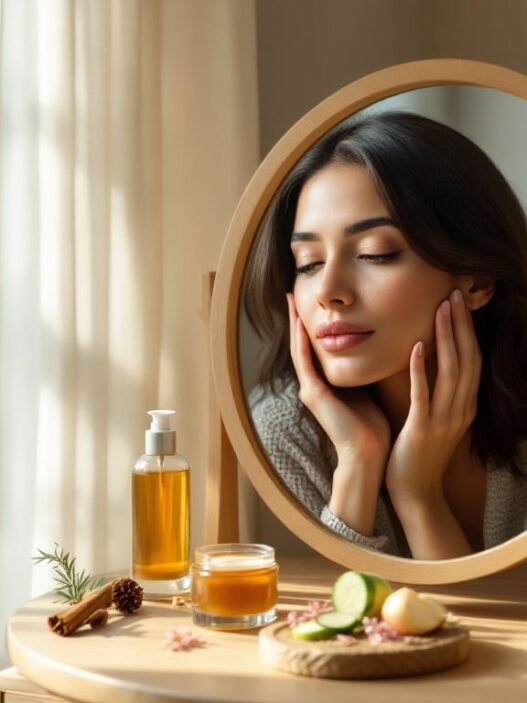
Try this today: Spend two minutes after washing your face simply looking. Note one quality you see (dry? hot? puffy?). That’s your starting clue. Takes 2 minutes. Good for anyone curious about their skin. Skip if you’re prone to mirror anxiety: do it in soft light instead.
Persistent Breakouts and the Stress-Diet Connection

When I’m stressed and eating on the run, my skin breaks out almost predictably along my jaw and forehead. Ayurveda would say my agni has gone sharp and erratic, my Pitta is rising, and undigested residue (ama) is finding the nearest exit, which often happens to be my face.
Spicy, sour, fried, fermented, and very salty foods stoke heat. Skipped meals or late-night eating confuse the digestive rhythm. Add chronic stress, which tightens prana and sparks tejas in the wrong direction, and breakouts become almost inevitable.
Think of your gut and your skin as roommates sharing one wall. Whatever gets loud in one room, the other one hears.
Try this today: Eat your meals at roughly the same time for three days in a row, with your biggest meal at midday when agni is naturally strongest. Takes zero extra time. Good for stress-driven, jawline, or forehead breakouts. Not ideal if you have a medical eating plan: follow that first.
Hormonal vs. Lifestyle-Triggered Acne
Hormonal breakouts tend to cluster on the lower face and chin and follow a monthly pattern. Lifestyle-triggered ones move around with your week, showing up after takeout binges, poor sleep, or particularly stressful stretches.
In Ayurvedic language, hormonal acne often blends Pitta heat with Kapha heaviness (deep, slow-healing cysts), while lifestyle acne is usually a sharper, more mobile Pitta-Vata flare. One isn’t worse, they just want different care.
Try this: Track breakouts on a simple calendar for one cycle. Note food, sleep, and stress next to each flare. Takes 30 seconds a day. Helpful for anyone over 20 with recurring breakouts. Skip if tracking makes you obsessive.
Dullness, Dehydration, and What Your Water Intake Reveals

Dull, papery, slightly rough skin is classic Vata territory. The qualities of dry, light, and subtle have crept in, and your tissues aren’t holding moisture the way they could. It’s rarely just about ounces of water.
Ayurveda is picky here. Ice-cold water can actually dampen agni, which then weakens the very tissues that keep skin plump and glowing. Warm or room-temperature water, sipped slowly through the day, hydrates without putting out the digestive fire.
Foods matter too. Cooked, slightly oily, grounding meals (think soups, stews, ghee, soaked nuts) build ojas, the deep vitality that gives skin its inner shine.
Try this today: Keep a thermos of warm water nearby and sip every 30–45 minutes instead of chugging a bottle at once. Takes no extra time. Wonderful for dull, dry, tired skin. Not necessary if you already feel well-hydrated and your skin is naturally oily.
Dark Circles, Puffiness, and the Quality of Your Sleep
The under-eye area is thin, mobile, and sensitive, basically a Vata zone. When sleep is short, late, or restless, prana gets jangled, agni doesn’t reset overnight, and ama pools in this delicate tissue. The result: shadows, puffiness, sometimes a bluish tint.
Ayurveda places huge weight on the hours before 10 p.m. That window is when the body slips into a natural Pitta phase of repair. Stay up past it and you ride a second wind that depletes ojas instead of building it.
Puffiness with heaviness leans Kapha. Hollow, dark, sunken circles lean Vata. Red, irritated under-eyes lean Pitta.
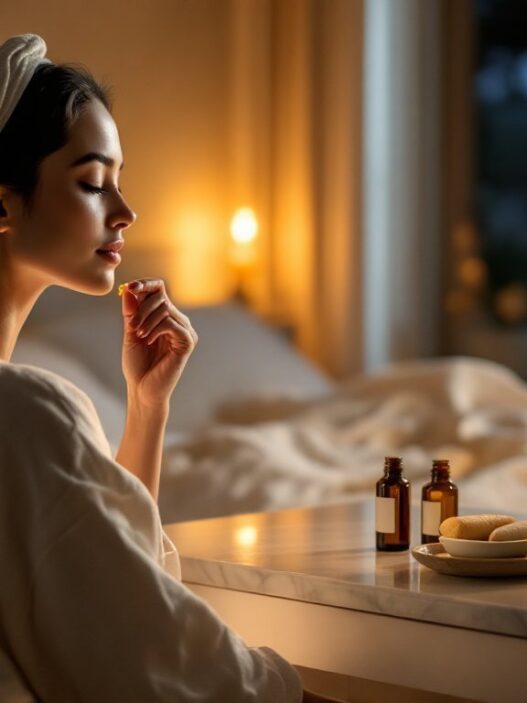
Try this tonight: Dim your lights by 9 p.m. and aim to be in bed by 10. Even 20 minutes earlier helps. Takes a willingness to put the phone down. Good for almost everyone. Skip strict timing if you work shifts: just keep your sleep window consistent.
Premature Wrinkles and Sun, Smoking, and Screen Habits
Fine lines that arrive earlier than expected are often Vata writing on the wall. The drying, rough, mobile qualities of wind and screens and smoke pull moisture and prana out of the tissues, and the skin loses its smooth, stable quality.
Sun, in small mindful doses, is medicine. In excess, it scorches tejas and dries ojas at the same time, which is a fast track to crepey texture. Screens add their own subtle drain: shallow breathing, squinting, blue light, and hours of stillness that quietly age the face.
Smoking, in Ayurvedic eyes, is hot-dry-sharp on every level, depleting the very moisture your skin depends on.
Try this today: Every hour you’re on a screen, take 60 seconds to blink slowly, breathe through your nose, and massage a drop of sesame or almond oil into your temples and cheeks. Takes one minute. Good for desk workers and anyone over 30. Not for skin actively breaking out from oils: use a lighter option.
Redness and Flushing: Signals From Alcohol, Spice, and Stress
If your cheeks flush easily, your skin runs warm to the touch, or you blotch after wine, that’s Pitta speaking clearly. The hot, sharp, slightly oily qualities have built up, and your skin is venting heat the only way it knows how.
Alcohol is heating and sharp. Chilies, vinegar, aged cheese, and tomatoes pile on. Add deadlines, hot weather, and skipped meals, and tejas turns from a steady spark into a small bonfire under the skin.
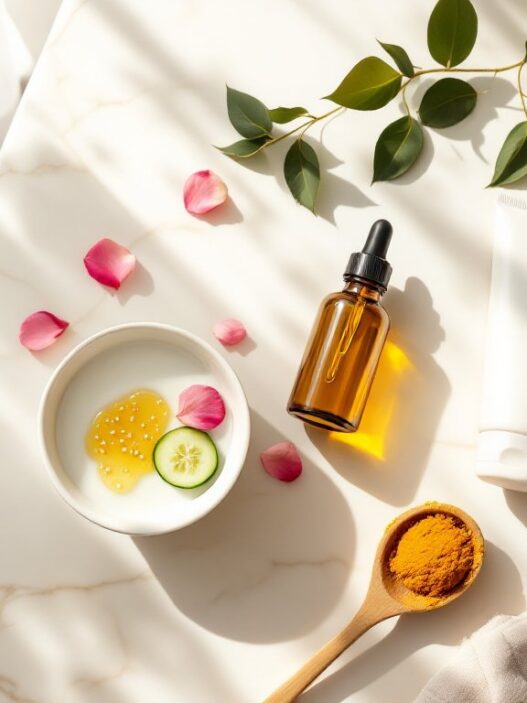
The fix isn’t bland living, it’s cooling intelligence. Coconut water, cucumber, cilantro, fennel, sweet fruit, coriander tea, and meals eaten in a calm setting all soothe the heat.
Try this today: Swap one heating drink (coffee, wine, hot chocolate) for room-temperature coconut water or mint-fennel tea. Takes 2 minutes to prepare. Lovely for flushed, sensitive, or rosacea-prone skin. Skip coconut if it doesn’t suit you: cool aloe juice works too.
Itchy, Flaky Patches and the Role of Diet and Gut Health
Itchy, flaky, sometimes scaly patches are usually a duet between Vata and Pitta with a backstage role for ama. When agni is uneven, food doesn’t fully digest, the residue circulates, and skin takes the hit, especially at elbows, scalp, and the sides of the nose.
Signs of ama I look for: coated tongue in the morning, heaviness after meals, foggy thinking, dull skin tone, and a general sense that nothing tastes quite right. Any two of those and I gently reset.
Resetting means simpler meals, fewer cold and raw foods, more warm cooked vegetables, mung dal, basmati rice, and a little ghee. Spices like cumin, coriander, fennel, and turmeric quietly stoke agni without inflaming Pitta.
Try this for three days: Replace one meal a day with warm kitchari or a simple dal-rice bowl. Takes 25 minutes to cook. Beautiful for flaky, itchy, or congested skin. Not ideal if you have specific dietary restrictions: adapt the grains and legumes to fit.
Uneven Tone and Dark Spots Linked to Sun Exposure and Inflammation
Patchy tone, sunspots, and post-acne marks tell a longer story of repeated heat and lingering ama. Pitta lays down extra pigment when the skin has been irritated, scratched, picked, or sun-scorched. The marks fade slowly because tejas is busy elsewhere.
The gentle path here is to stop adding fuel. Cover up during the harshest midday sun, ease off harsh exfoliants and acids that thin the skin, and feed the body cooling, antioxidant-rich foods: pomegranate, amla, leafy greens, soaked almonds, saffron in warm milk.
Self-massage with a small amount of cooled coconut or sunflower oil at night supports even tone and a soft, smooth quality over time.
Try this tonight: Warm a teaspoon of coconut oil between your palms and massage your face for two minutes before bed. Wipe gently with a warm cloth. Takes 5 minutes. Good for dark spots and post-breakout marks. Skip oil if you’re actively breaking out cystically: use aloe gel instead.
Building a Lifestyle That Shows on Your Skin in the Best Way
This is where everything I’ve learned about skin distills into a way of living. Ayurveda calls the daily rhythm dinacharya and the seasonal one ritucharya, and skin responds to both more than to any product on a shelf.
If you’re more Vata
Your skin tends to be thin, dry, and quick to show stress. Favor warm, oily, grounding foods like soups, stewed fruit, ghee, and root vegetables. Keep a predictable rhythm, slow your pace, and protect yourself from wind and over-scheduling. Avoid skipping meals and ice-cold drinks. Try this: A 5-minute warm sesame oil self-massage before your shower. Daily if possible. Lovely for dry, anxious skin. Not for active breakouts.
If you’re more Pitta
Your skin runs warm, reactive, and breakout-prone under pressure. Favor sweet, bitter, and cooling foods: cucumber, cilantro, fennel, coconut, sweet fruit, leafy greens. Take real lunch breaks, work in cooler rooms, and avoid eating while angry or rushed. Stay away from chilies, alcohol, and midday sun when you can. Try this: A 10-minute walk after lunch in shade or AC. Daily. Great for flushed, sensitive skin. Skip if you need to lie down and rest instead.
If you’re more Kapha
Your skin is thicker, oilier, and slower to wrinkle but quicker to congest. Favor lighter, warmer, slightly spiced foods: steamed greens, lentils, ginger tea, barley, and less dairy. Move daily, rise earlier, and avoid heavy, cold, sweet foods late at night. Try this: A brisk 20-minute walk before breakfast. Most days. Wonderful for puffy, congested skin. Skip if you’re recovering from illness: gentle stretching is enough.
Ideal daily routine that shows on your skin
Two habits I rely on: tongue scraping first thing in the morning (it removes overnight ama and you can almost see the difference by day three), and a five-minute oil self-massage (abhyanga) before your evening shower or bath. Morning scraping clears tejas. Evening oiling steadies vata and feeds ojas.
Try this: Tongue scrape every morning for one week and notice your skin by Friday. Takes 30 seconds. Good for everyone. Skip oil massage if you have a fever or active infection.
Seasonal adjustment
In hot, dry summer, lean cool and sweet: rose water mists, coconut oil at night, cucumber and melon, earlier wake-ups before the heat. In cold, dry winter, lean warm and oily: sesame oil massage, hearty soups, covered ears in the wind. In humid, heavy seasons, lean light and warming: ginger tea, dry brushing, less dairy.
Try this season: Pick one oil that matches the weather (coconut for hot, sesame for cold, sunflower for in-between). Use it nightly. Takes 3 minutes. Good for all skin types. Patch test first if you’re sensitive.
Modern relevance
In modern language, much of this maps onto nervous system regulation, circadian rhythm, gut-skin axis, and the inflammation pathways researchers are increasingly studying. Ayurveda just got there a few thousand years earlier and stayed practical about it.
Try this: Pick one nervous system anchor (slow nasal breathing for 3 minutes, twice a day). Takes 6 minutes total. Good for stress-reactive skin. Skip if breathwork feels triggering: a quiet walk works too.
A Gentle Closing Thought
If I’ve learned anything from reading my own skin, it’s that it doesn’t want perfection. It wants rhythm, warmth, hydration, real food, and a little quiet. Most of the changes that have made the biggest difference for me took five minutes, not five steps.
Start with one clue your skin is offering this week and respond with one gentle habit. Then let it speak again. That conversation, more than any product, is what builds skin that genuinely glows.
I’d love to hear what your skin has been telling you lately. What’s the one signal you’re finally ready to listen to?