




Why Overeating Drains Your Energy in the First Place
When I eat past my comfortable fullness, I’m essentially asking my digestive fire, what Ayurveda calls agni, to handle more than it was built for in one sitting. Imagine putting a giant log on a small campfire. The flame doesn’t roar back, it sputters and gets smothered.
That smothered fire leaves behind partially digested food, known as ama. Ama is heavy, sticky, and dull, and it’s the real reason I feel like my limbs have turned to wet sand after a big meal. It clogs the subtle channels that carry energy and clarity through the body.
From a dosha angle, overeating tends to spike Kapha first (heavy, slow, cool, oily qualities), then aggravates Vata as gas and bloating creep in. Pitta types often feel a hot, irritable edge too, since the metabolic spark gets overwhelmed.
The Blood Sugar Roller Coaster
When I pile on rich, sweet, or starchy foods, my blood sugar climbs fast and then drops just as quickly. That dip is part of why I crash. In Ayurvedic terms, the tejas, my inner metabolic spark, flares and then dims, leaving me foggy.
The heavy, oily, dull qualities of a big meal directly oppose the light, clear, mobile qualities I need to feel alert. That’s the imbalance, in plain English.
Digestive Overload and Blood Flow Shifts
More blood rushes to your gut after a heavy meal, which is why your head feels checked out. Ayurveda would say your prana, your life-force breath, has gotten pulled downward and inward to manage the load.
Try this: Pause for two minutes, place a hand on your belly, and breathe slowly. It tells your body, gently, that you’ve registered the overload. Good for most adults: skip if you feel sharp pain or anything unusual.
Take a Gentle Walk to Jumpstart Digestion

There’s a beautiful Ayurvedic phrase, shatapavali, which roughly means “a hundred steps after meals.” It’s one of the simplest dinacharya (daily routine) habits, and honestly one of the most underrated.
A slow, easy walk introduces light, mobile qualities to balance the heavy, stable load in your belly. It nudges agni back to work without rattling it. The key word is gentle. This isn’t a power walk or a HIIT session.
When I walk after overeating, I aim for a relaxed pace, almost like I’m strolling through a garden. Five to fifteen minutes is plenty. If I push too hard, my body diverts blood away from digestion and the food just sits there longer, which is the opposite of what I want.
Try this: Step outside or pace your living room for 10 minutes at a conversational pace. Great for most people: not ideal right after surgery, with acute injury, or if walking feels painful.
Sip Warm Water With Lemon or Ginger

Warm water is my number one fix. It’s the simplest way I know to coax sluggish agni back to life without overwhelming it. Cold drinks do the opposite, they dampen the spark and thicken the residue.
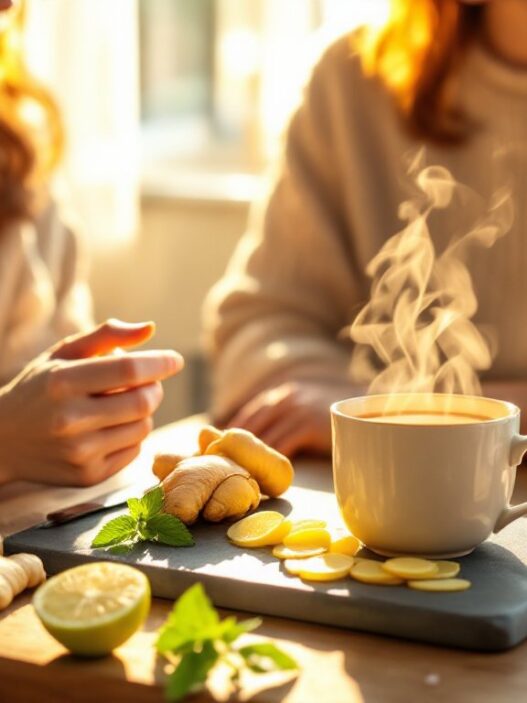
A thin slice of fresh ginger adds a sharp, warming quality that cuts through the dull, oily heaviness of a rich meal. A squeeze of lemon offers a sour note that Ayurveda traditionally uses to wake up digestion and stimulate saliva, which is where the whole process actually begins.
If I’m running hot or it’s a scorching summer day, I skip the ginger and lean on lemon and warm (not hot) water instead. Pitta types feel better with that cooler approach.
Try this: Sip a mug of warm water with a thin ginger slice and a small squeeze of lemon over 15 minutes. Suits most adults: ease off the lemon if you have acid reflux or mouth ulcers.
Try Calming Yoga Poses and Stretches
I’m not about to do sun salutations on a full stomach, and I don’t recommend you do either. But gentle poses can move trapped air, encourage downward flow, and free up prana that’s gotten stuck.
My favorite is Vajrasana, sitting on my heels with a tall spine. It’s one of the few poses traditionally allowed right after a meal. I’ll sit there for five to ten minutes and feel a real difference. The stable, grounded quality settles a churning belly.
A gentle seated twist, done lightly, can help nudge things along too. If there’s real bloating, lying on the left side for a few minutes uses gravity to support the natural flow through the digestive tract.
Try this: Sit in Vajrasana for 5 minutes, then do a soft seated twist on each side. Good for most adults: skip twists if you’re pregnant or have knee or back issues.
Brew a Cup of Digestive Tea
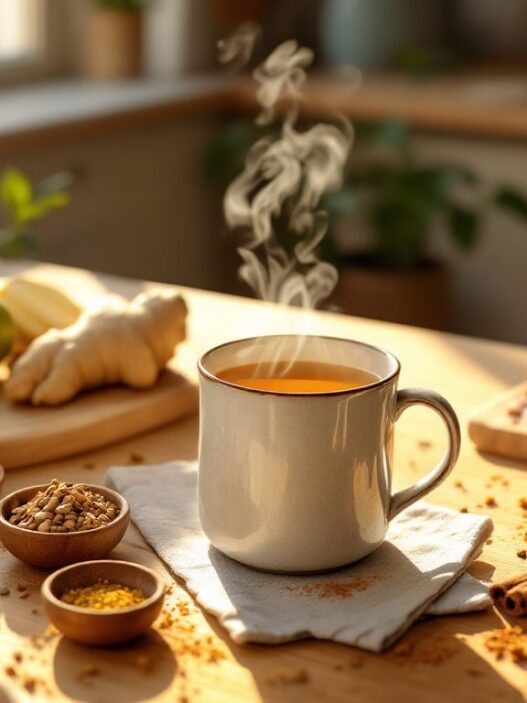
Ayurveda leans hard on warm, aromatic teas because they bring subtle, penetrating qualities that heavy meals lack. My go-to is CCF tea: cumin, coriander, and fennel, equal parts, simmered in water for about five minutes.
Cumin nudges agni, coriander cools any excess heat, and fennel calms bloating and that uncomfortable gassy feeling. Together they’re balanced for all three doshas, which is rare and very useful when I’m not sure what I’ve aggravated.
If I’m feeling cold and sluggish (very Kapha), I add a pinch of dry ginger. If I’m hot and irritable (Pitta), I lean more on the fennel and coriander. If I’m gassy and bloated (Vata), I add a touch of ajwain or extra fennel.
Try this: Sip one warm cup of CCF tea about 30 minutes after eating. Suits most adults: check with a professional if you’re pregnant or on medication that interacts with herbs.
Reset With Mindful Breathing and Rest
When my belly is heavy, my breath usually gets shallow. That shallow breath starves prana, and the foggy feeling deepens. So I deliberately slow down and breathe through my nose, into my lower belly, for a few minutes.
A soft alternate-nostril breath works beautifully here. It’s smooth, not sharp, and it eases that wired-but-tired post-meal state. Avoid intense breathwork like kapalabhati on a full stomach, the sharp, mobile quality is too much for an already overloaded system.
Here’s the part people skip: a short, upright rest. I don’t mean a nap. Lying flat right after eating can backfire. Instead, sit comfortably, maybe with a book, for 20 to 30 minutes. It supports ojas, that deeper sense of resilience, without sedating agni further.
Try this: Sit upright and breathe slowly through your nose for 5 minutes. Great for everyone: if you feel dizzy, stop and try again later.
Eat Lighter, Smarter Meals for the Next 24 Hours
The day after I overeat, I keep things deliberately simple. Cold leftovers, cheese plates, and fried snacks just pile more heavy, oily, dull qualities on top of yesterday’s ama. Not helpful.
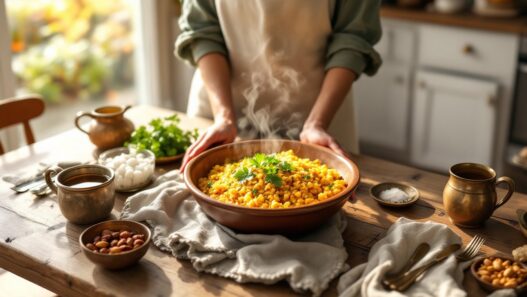
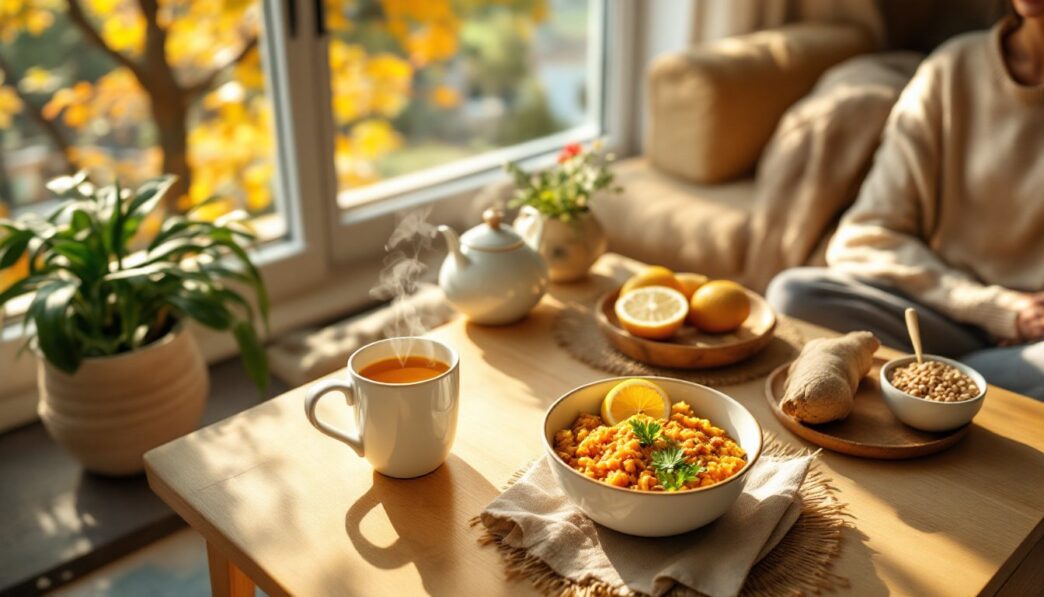
Instead, I lean on warm, soupy, easy-to-digest foods. Khichdi, a soft mix of rice and split mung beans cooked with cumin, turmeric, and ginger, is the classic Ayurvedic reset. It’s light enough to give agni a break but nourishing enough that I don’t crash.
Warm vegetable soups, stewed apples or pears, and cooked greens with a little ghee also fit the bill. I keep meals smaller, space them about four hours apart, and stop at roughly two-thirds full, which Ayurveda considers the comfortable cap.
Try this: Make one bowl of khichdi or a simple veggie soup for your next meal and pause before seconds. Suitable for most: adjust portions and ingredients if you have allergies or specific dietary needs.
Long-Term Habits to Prevent Post-Meal Sluggishness
Quick fixes are wonderful, but the real shift happens when I respect my digestion every day, not just on bloated Sundays. Ayurveda is essentially a long game played in small, consistent moves.
If You’re More Vata, Pitta, or Kapha
If you’re more Vata (slim build, fast-moving, anxious when stressed), overeating often shows up as gas, bloat, and a scattered mind. Lean on warm, oily, grounding meals like soups and stews, sip ginger tea, slow your pace, and keep your environment cozy and quiet. The thing to avoid: cold, raw, dry foods like big salads or crackers when you’re already off-kilter.
If you’re more Pitta (medium build, driven, gets hangry), overeating tends to bring heat, acidity, and irritability. Choose cooling, moderately oily foods like cucumber, cilantro, coconut, and basmati rice. Keep your space cool, slow your work pace for a day, and skip spicy, fried, and fermented foods until you feel settled.
If you’re more Kapha (sturdy build, steady, prone to heaviness), overeating leaves you foggy, congested, and immobile. Favor light, dry, warm foods like steamed veggies, lentil soups, and warming spices. Move more, open the windows, get sunlight, and avoid dairy, sweets, and heavy leftovers for a day or two.
Try this: Pick the dosha that fits you best and apply one tweak today. Suitable for everyone: deeper personalization is best done with a qualified Ayurvedic practitioner.
Ideal Daily Routine (Dinacharya)
Two habits make the biggest difference for me. First, I drink warm water on waking, before anything else, which gently activates agni and clears overnight residue. Second, I eat my biggest meal at midday, between noon and 1 p.m., when the sun is highest and digestion is naturally strongest.
I keep dinner lighter and earlier, ideally by 7 p.m., so my body isn’t still working when I’m trying to sleep. Late, heavy dinners are the single most common cause of next-morning grogginess I see in myself and the people I talk to.
Try this: Move your largest meal to lunch for a week and notice the difference. Works for most adults: shift workers and people with medical conditions should adapt thoughtfully.
Seasonal Adjustment (Ritucharya)
Seasons matter more than we think. In hot, humid summers, I shift toward cooler, juicier foods (cucumber, melon, coconut water) and smaller portions, because agni naturally weakens in the heat. Heavy, oily meals in July are a recipe for that swampy, sluggish feeling.
In cold, dry winters, the opposite is true. Agni is actually stronger, so warm, hearty, slightly oily meals like soups, stews, and root vegetables feel right. The trick is matching the qualities of the season with opposing qualities in your plate.
Try this: This season, swap one meal to match the weather, lighter in summer heat, warmer in winter chill. Suitable for most: adjust if you have specific food sensitivities.
A Quick Modern Bridge
Modern research keeps circling back to what Ayurveda named long ago. Eating slowly engages your parasympathetic nervous system (rest-and-digest), which is essentially prana settling into a steady rhythm. Front-loading calories earlier in the day mirrors the midday-meal principle. Even the gut-brain axis echoes the ojas-tejas-prana triad in its own modern vocabulary.
None of this replaces Ayurveda’s framework, it just confirms that paying attention to how, when, and how much you eat is at least as important as what’s on your plate.
Try this: For your next meal, put your phone down and chew each bite a few extra times. Great for everyone: especially helpful if you eat while working or scrolling.