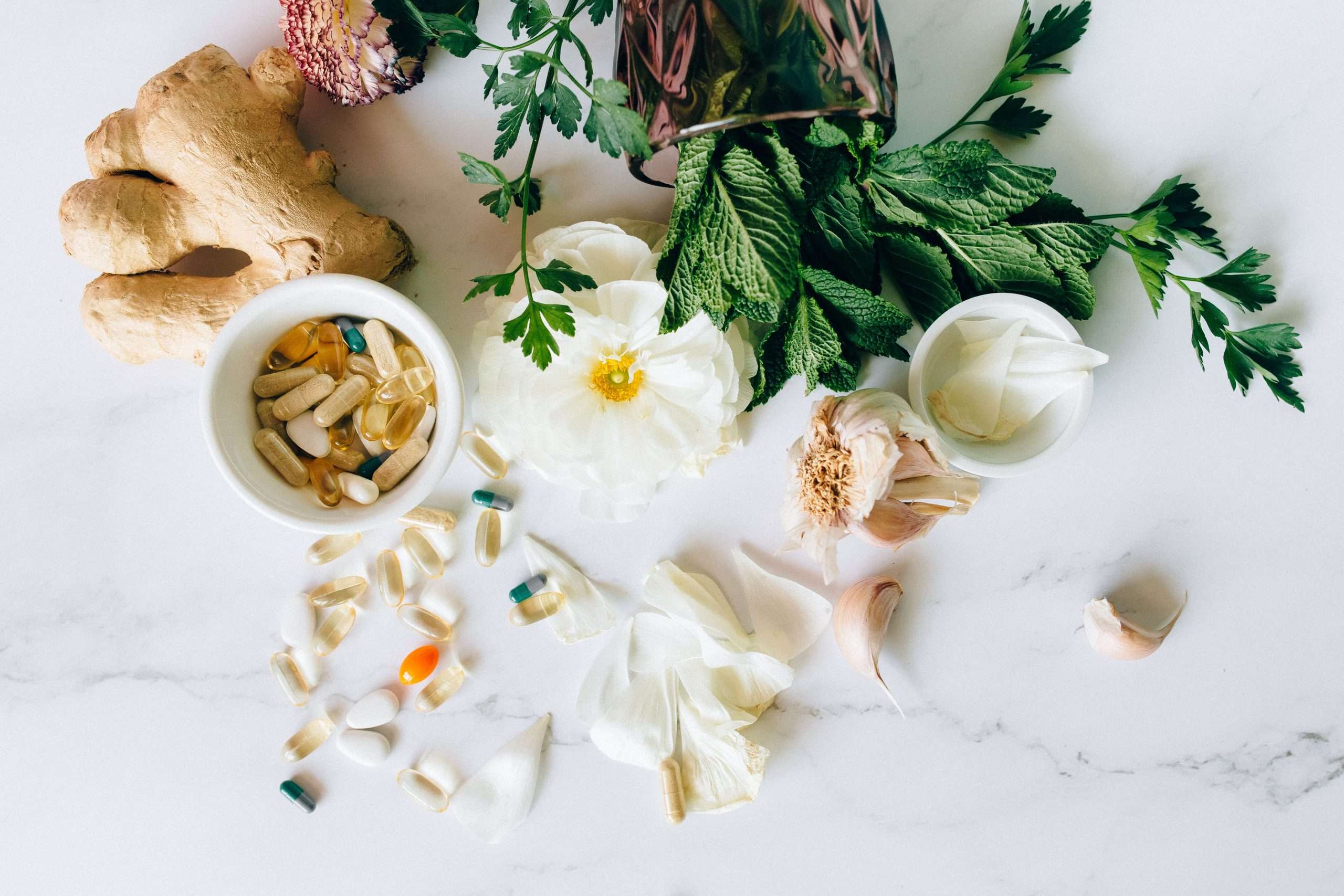








Why Muscles Feel Tight After a Workout
When I push my body in a workout, I’m essentially asking my tissues to do something they’re not entirely used to. The tightness that follows is the body’s way of saying, give me a moment to repair this. In Ayurveda, exercise temporarily increases the mobile, dry, and rough qualities in the body, which nudges Vata upward. That’s why post-workout stiffness often feels light, achy, and a bit unpredictable, classic Vata territory.
If my digestion (agni) is steady and my sleep is solid, the soreness clears quickly. If I’ve been skimping on either, the tightness lingers longer because a little ama, that sticky undigested residue, settles into already-stressed tissues. The fix is rarely complicated. It usually means meeting the dryness and movement with their opposites: warmth, oiliness, and stillness.
Try this today: notice where you feel tight after movement and rate it 1–10. Takes 30 seconds. Good for anyone post-exercise: skip if you have a sharp, localized pain that feels like an injury.
The Role of Microtears, Lactate, and Inflammation
On the physiological side, resistance work creates tiny microtears in muscle fibers, that’s normal and necessary for getting stronger. Lactate, long blamed for soreness, actually clears within an hour or two. The real culprit behind next-day stiffness is a low-grade inflammatory response as your body repairs those fibers.
Ayurvedically, I think of this as a small tejas flare, a metabolic spark doing repair work. Help it along with warmth and rest, and it finishes the job cleanly. Smother it with cold drinks, late nights, and more intense training, and you stall the process.
Try this: after a hard session, sit quietly for 5 minutes and breathe slowly before reaching for your phone. Good for everyone: especially helpful if you feel wired-but-tired after workouts.
Hydration and Electrolytes: The First Line of Recovery

I used to chug ice water after a workout and wonder why my muscles still cramped. Cold, sharp liquids tend to shock a system that’s already heated up and aggravated. Warm or room-temperature water with a pinch of mineral salt does so much more for muscle recovery, because it actually gets absorbed instead of sitting heavy in the belly.
Electrolytes, sodium, potassium, magnesium, are what let muscles contract and release smoothly. When they’re low, you get that twitchy, knotted feeling. A simple homemade drink I love: warm water, a squeeze of lime, a pinch of pink salt, and a teaspoon of honey once it’s cooled to drinkable. It’s hydrating without being heavy, and it gently supports prana, that life-force quality that keeps your nervous system steady.
Coconut water works beautifully in warmer months. In cooler seasons, I lean toward warm spiced water with a slice of fresh ginger instead, because anything too cooling can dampen agni.
Try this: sip 8–12 oz of warm electrolyte water within 30 minutes of finishing your workout. Takes 2 minutes to prepare. Good for most adults: those on blood pressure or kidney medication should check with their doctor about added salt.
Active Cooldowns and Gentle Movement

The worst thing I can do after a tough session is collapse on the couch. Stillness right after intense effort traps the heavy, dull qualities in my tissues, and tomorrow’s stiffness gets worse. A 5–10 minute cooldown, easy walking, slow cycling, light yoga, keeps blood flowing through the muscles I just worked, flushing waste products and bringing in fresh oxygen.
In Ayurveda, this is the bridge between intense movement (rajasic activity) and rest (tamasic stillness). A gentle cooldown honors that middle ground and keeps prana flowing smoothly through the channels. I think of it as letting the engine idle before turning it off.
The next morning matters too. Instead of jumping straight into another hard workout, I’ll take a slow walk, do some cat-cow stretches, or just amble around the kitchen while breakfast cooks. Light, rhythmic movement on a recovery day clears stagnation without adding more stress.
Try this: after every workout, walk slowly for 5 minutes before sitting down. No equipment needed. Good for all levels: modify pace if you have joint issues.
Stretching Techniques That Actually Help
Stretching gets a lot of mixed press, and honestly, the research is nuanced. What I’ve found works best is matching the type of stretch to the moment. Before a workout, my muscles want to wake up and move. After, they want length and release, but gently, not aggressively.
Forcing a deep stretch into a tight muscle can actually create more microtrauma. Think of it like pulling on a rope that’s already frayed. A softer, longer hold, 30 to 60 seconds with relaxed breathing, invites the tissue to soften rather than resist.
I like to add a little warm sesame or coconut oil to the skin before stretching after exercise. The oily, smooth qualities help counter the dry, rough post-workout state and let muscles glide more comfortably. It’s a small touch that makes a real difference.
Try this: pick 3 stretches for the muscles you worked, hold each for 45 seconds while breathing slowly. Takes 5 minutes. Good for everyone: avoid pushing into sharp pain.
Static vs. Dynamic Stretching for Post-Exercise Recovery
Dynamic stretches, leg swings, arm circles, gentle twists, are for before you train. They prime the nervous system and warm tissues up. Static stretches, holding a position, are better suited for after, when the goal is restoration, not activation.
This isn’t a rigid rule, just what tends to feel right and aligns with how the body’s energy shifts. Pre-workout you want mobility and spark (tejas waking up). Post-workout you want grounding and release (prana settling back in).
Try this: save dynamic flows for warm-ups, static holds for cooldowns. Takes 5–10 minutes total. Good for all fitness levels.
Self-Massage and Foam Rolling for Tight Muscles
Self-massage is one of my favorite recovery tools, and it has deep roots in Ayurveda as abhyanga, a daily oil massage tradition. Whether I’m using my hands with warm oil or rolling out my legs on a foam roller, the principle is similar: applying steady, firm pressure to release the stable, stuck quality that builds up in tired muscles.
With a foam roller, slow is better than fast. I roll an inch every few seconds and pause on tender spots while breathing into them. Quick, aggressive rolling can spike Vata and leave you more sore, not less. Two to three minutes per major muscle group is plenty.
For abhyanga, I’ll warm a few tablespoons of sesame oil (cooling coconut oil in summer) and massage it into my limbs in long strokes, circular at the joints. Even 5 minutes before a shower does wonders for tight calves and shoulders. The oily, warm qualities directly counter post-exercise dryness and roughness, and the touch itself nourishes ojas, that deep reserve of resilience.
Try this: 5 minutes of warm oil self-massage or 5 minutes of foam rolling, focusing on the tightest areas. Good for most: avoid rolling directly over joints, bones, or any acute injury.
Heat and Cold Therapy at Home
I’ll admit I’ve gone back and forth on ice baths over the years. They have their place for acute injury and elite-level recovery, but for mild post-workout tightness, I find warmth almost always serves me better. Heat opens up circulation, softens stuck tissue, and aligns with the body’s natural repair process.
A warm bath with epsom salts (rich in magnesium) is my go-to. Twenty minutes, water comfortably hot but not scalding, lights off if I really want to wind down. The hot, moist qualities counter the dry, light Vata aggravation that post-exercise tightness creates, and the magnesium helps muscles release.
If I do use cold, say after a long run on a hot day, I keep it brief and local. A cool (not icy) compress on a specific tight spot for a few minutes can calm inflammation without driving the cold deep into tissues, which Ayurveda generally cautions against.
Try this: a 15–20 minute warm epsom salt bath in the evening after a hard workout. Good for most adults: skip if you have low blood pressure, are pregnant, or have heart conditions without medical clearance.
Anti-Inflammatory Foods and Herbal Support
What I eat after a workout matters as much as the workout itself. A warm, easy-to-digest meal supports agni, the digestive fire that converts food into nourishment for tired tissues. Cold smoothies and raw salads, while popular, can actually dampen this fire when the body is in recovery mode.
My favorite post-workout foods are gently spiced, a vegetable soup with ginger and turmeric, kitchari (a simple rice and lentil dish), or warm oats with cinnamon and ghee. Turmeric and ginger are both well-studied for their anti-inflammatory effects, and they support tejas without being harsh. A pinch of black pepper helps turmeric absorb better.
Herbs like ashwagandha are wonderful for muscle recovery and building ojas. A half teaspoon stirred into warm milk (dairy or plant-based) before bed is a classic combination. Tart cherry juice has solid research behind it for reducing exercise-induced soreness, too, I’ll have a small glass in the evening on heavy training days.
Try this: make your post-workout meal warm, cooked, and lightly spiced. Takes 15–20 minutes. Good for most: check with a practitioner before starting new herbs if pregnant or on medications.
Sleep and Stress Management for Muscle Repair
Here’s the truth I had to learn the hard way: no recovery strategy beats sleep. Muscle repair happens primarily during deep sleep, when growth hormone peaks. If I’m getting 5 hours and stressed out, no amount of foam rolling or turmeric is going to fully compensate.
In Ayurveda, the window between roughly 10pm and 2am is considered the body’s prime repair time. Going to bed before 10 isn’t always realistic, but I aim for lights-out by 10:30 on training days. The stable, heavy qualities of night help muscles settle and ojas rebuild.
Stress matters too. Chronic stress keeps cortisol elevated, which directly interferes with muscle repair and increases inflammation. A few minutes of slow nasal breathing, inhale for 4, exhale for 6, before bed shifts the nervous system into recovery mode. This is prana work, and it’s free.
If You’re More Vata, Pitta, or Kapha
If you’re more Vata (lean build, tend toward dryness, anxious when stressed): your muscles tighten quickly and need extra warmth, oil, and grounding. Favor cooked grains, warm soups, and abhyanga with sesame oil. Keep workouts moderate and consistent rather than extreme. Avoid skipping meals after training.
If you’re more Pitta (medium build, run warm, intense when stressed): you recover quickly but overheat easily. Favor cooling foods like cucumber, coconut water, and cilantro. Train in cooler parts of the day when possible. Avoid pushing through pain or training in high heat.
If you’re more Kapha (sturdier build, steady energy, slower to start): you build muscle well but can feel heavy and stiff. Favor lighter, warmer, spiced foods and slightly more vigorous cooldowns. Avoid long naps and heavy dairy right after workouts.
Ideal Daily Routine for Recovery
Two small daily habits I lean on: a 5-minute warm oil self-massage before my morning shower, and a slow 10-minute walk after dinner. The morning oil grounds Vata and primes tissues for the day. The evening walk supports digestion and gently mobilizes any lingering tightness before sleep.
Seasonal Adjustment
In cold, dry months, I double down on warmth, heavier oil, warm baths, soups, earlier bedtimes. In hot summer months, I switch to cooling coconut oil for self-massage, train early in the morning, and lean on coconut water and sweet fruits to replace minerals without overheating.
Try this: protect a consistent bedtime within a 30-minute window, 7 nights a week. Good for everyone.