







Why Lotion Alone Isn’t Enough for Truly Healthy Skin
Here’s the thing my grandmother used to say, in her own roundabout way: you can’t paint a wilting plant green. Lotion sits on the outside. Your skin is fed from the inside.
In Ayurveda, skin reflects three doshas working together. Vata governs dryness, thinness, and that papery, rough feel when you’re stressed or sleep-deprived. Pitta brings warmth, redness, sensitivity, and the occasional breakout when things run too hot. Kapha holds moisture and smoothness, but in excess it can leave skin oily, congested, or dull.
When I only relied on lotion, I was treating dry, rough qualities with a thin coat of oily-smooth, without ever asking why my skin was dry in the first place. The cause (late nights, rushed meals, long hot showers) kept feeding the imbalance underneath.
This is also where agni, your digestive fire, enters the picture. Sluggish digestion creates ama, a sticky, heavy residue that clouds your skin’s natural glow. No cream reaches that layer.
Try this today: Before you reach for lotion tonight, pause and ask, what did my skin go through today? Two minutes. Good for anyone curious about a gentler approach. Skip if you’re already in a structured treatment plan.
Rethinking How You Shower for Better Skin Barrier Health

I used to treat my shower like a tiny vacation, steamy, long, scalding. My skin paid the bill. Hot, sharp water strips the subtle, oily film your body works hard to make. That film isn’t just comfort: it’s your barrier, your buffer against the world.
In Ayurvedic terms, very hot showers spike Pitta (heat, sharpness) and aggravate Vata (dryness, roughness) at the same time. You walk out feeling clean but oddly depleted. That’s not your imagination, it’s your ojas, your deep reserve of vitality, quietly leaking.
The Case for Cooler, Shorter Showers
I’m not asking you to suffer through an ice bath. Just bring the temperature down to comfortably warm, and trim the time to around 8–10 minutes. Cooler water is more stable, less mobile, and less drying. It keeps that protective layer intact.
A warm (not hot) shower in the morning also wakes up prana, your life force, without scorching your nervous system. Evenings can stay a touch warmer if you’re a Vata type who chills easily.
Choosing Cleansers That Respect Your Skin’s pH
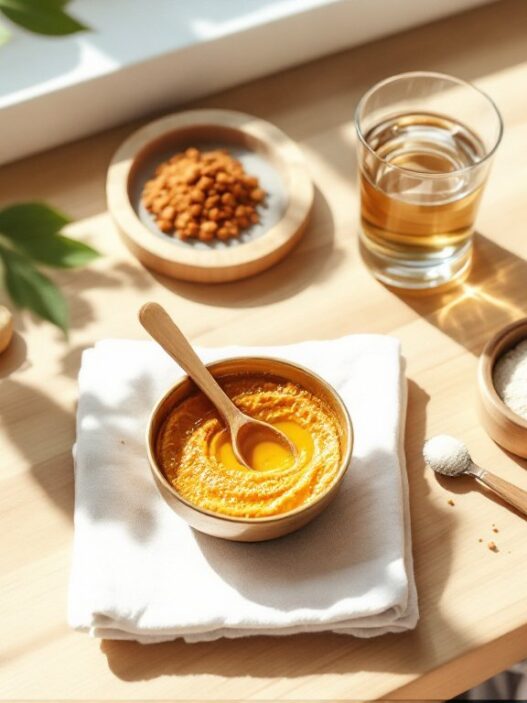
Harsh, foamy soaps are sharp and drying, they scrub away the good with the bad. Look for gentle, pH-balanced cleansers, or try a traditional ubtan (chickpea flour with a pinch of turmeric) a few times a week. It cleanses without stripping, leaving skin smooth rather than squeaky.
I also love a quick abhyanga, warm sesame or coconut oil massaged in before showering. It coats the skin with a grounding, oily quality that hot water can’t fully wash away.
Try this today: Tomorrow morning, turn the water down a notch and cap your shower at 10 minutes. Five seconds of effort. Good for almost everyone. Skip extreme cool water if you have circulation issues.
Exfoliation Done Right: Smoother Skin Without the Irritation

Exfoliation is one of those habits people either obsess over or completely forget. Both extremes leave skin unhappy. Too much, and you grind down your barrier, rough, red, reactive. Too little, and dull, heavy layers build up, often a sign of Kapha accumulation or low-grade ama at the skin’s surface.
The Ayurvedic logic is simple: dull, gross, sticky residue is balanced by light, slightly rough, mobile actions, but gently. I use a soft garshana glove (raw silk or dry brushing) two or three mornings a week, always toward the heart. It’s quick, around three minutes, and it wakes up circulation and lymph flow in a way no scrub can.
If you prefer wet exfoliation, a chickpea-flour paste with a drop of oil works beautifully. Skip the gritty walnut shells and aggressive acids if your skin runs sensitive or thin, that’s Vata or Pitta territory, and they don’t need more sharpness.
The payoff is real: better absorption of oils afterward, brighter tone, and that subtle softness that comes from clearing, not scraping.
Try this today: Dry brush for three minutes before your shower, two to three times this week. Good for most adults. Skip over broken skin, rashes, or sunburned areas.
Hydration From the Inside Out: Diet, Water, and Skin-Supporting Nutrients
If your skin feels parched no matter how much lotion you use, the dryness probably isn’t living on the surface. It’s living in your tissues. Ayurveda calls this deep nourishment layer rasa dhatu, the juicy, plasma-like quality that keeps skin plump and supple.
Cold, dry, crunchy foods (think crackers, chips, raw salads on repeat) feed Vata and starve rasa. Warm, slightly oily, moist foods build it back: cooked grains, stewed fruits, soups, ghee in small amounts, soaked almonds, ripe seasonal produce.
Water matters too, but how you drink it matters more. Icy water dulls your agni (that metabolic spark, your tejas) and slows the very digestion that turns food into glowing skin. I keep a thermos of warm or room-temperature water nearby and sip through the day. It’s a small switch with a surprisingly visible payoff in about two weeks.
Good fats are your friend. A spoon of ghee or a handful of soaked nuts gives the body the oily, smooth qualities skin craves from the inside.
Try this today: Swap one cold drink for warm water with a squeeze of lemon. Thirty seconds. Good for most people. Skip lemon if you have active acid reflux or mouth ulcers.
The Role of Sleep, Stress, and Movement in Skin Renewal
I’ll be honest, the single biggest shift in my own skin came not from a product but from going to bed earlier. Ayurveda has known this forever. Between roughly 10 p.m. and 2 a.m., your body is in deep repair mode. Miss that window, and you wake up with that puffy, dull, slightly sharp-edged look that no serum can fully erase.
Late nights aggravate Vata (mobile, restless energy) and burn through ojas, your reserve tank for resilience and glow. Chronic stress adds heat, pure Pitta, which often shows up as breakouts along the jaw, sensitivity, or sudden redness.
Movement helps, but the kind matters. Gentle, steady movement (walking, yoga, swimming) keeps prana flowing without overheating you. Punishing workouts at 9 p.m.? Counterproductive for skin renewal.
A five-minute wind-down ritual, dim lights, slow breathing, maybe a little oil on the feet, settles the nervous system enough that real sleep can take over.
Try this today: Aim for lights-out by 10:30 p.m. tonight, even if you read in bed for a bit. Good for nearly everyone. Adjust if you work night shifts.
Sun Protection for the Body, Not Just the Face
We slather SPF on our cheeks and forget the rest of the body exists. Meanwhile, our shoulders, chest, and the backs of our hands quietly accumulate damage that shows up years later as roughness, dark patches, and that crepey, dry texture.
In Ayurvedic language, too much direct sun is intensely hot, sharp, and light, straight Pitta provocation. For fair, sensitive, or already-warm types, it depletes both tejas (the steady metabolic glow) and ojas over time.
I keep a mineral SPF for arms and chest during peak hours, and I lean on simple shade strategies: a wide hat, long sleeves in lighter cotton, walking on the shaded side of the street. None of this is fancy. All of it adds up.
If you’ve been out longer than planned, a cooling aloe gel or a splash of rose water calms the heat before it settles into the skin. Coconut oil at night soothes that rough, post-sun dryness with its cool, oily, smooth quality.
Try this today: Put a small body SPF or mineral lotion by your door so you actually use it. Two minutes of setup. Good for most skin tones: check ingredients if you have allergies.
Fabric, Laundry, and Environmental Habits That Impact Your Skin
Your skin spends more hours touching fabric than touching air. And yet we rarely think about what we’re wrapping ourselves in. Synthetic fibers tend to be rough, slightly static, and they trap heat, not ideal if you already run hot or itchy.
Natural fibers like cotton, linen, and soft wool breathe better. They carry a subtle, light quality against the skin and let warmth and moisture move rather than sit. I noticed less random body itchiness within a couple of weeks of switching my sleepwear to plain cotton.
Laundry detergent is another quiet culprit. Heavily fragranced, residue-heavy detergents leave behind sharp, irritating compounds that flare Pitta-type sensitivity. A fragrance-free, simple formula goes a long way. An extra rinse cycle helps even more.
Indoor air matters too. Dry heating in winter pulls moisture out of everything, including you. A small humidifier near your bed restores some of that gentle, moist quality your skin needs overnight.
Try this today: Wash one load with fragrance-free detergent and notice how your skin feels in those clothes. Three minutes. Good for sensitive skin especially. Skip if your current detergent is already working beautifully.
Layering Treatments: Serums, Oils, and Targeted Body Care
Now, finally, the products. Notice we’re nine habits in before we even get here, that’s intentional. Once the foundation is solid, what you apply actually has something to work with.
My go-to is a thin layer of body oil on slightly damp skin right after a shower. Damp skin is receptive: oil seals in that moisture rather than sitting on top. Sesame oil is warming and grounding for Vata. Coconut oil is cool and light for Pitta. Mustard or a light almond oil suits Kapha when you want stimulation without heaviness.
For targeted concerns, rough elbows, dry shins, dull knees, a richer balm at night does more than ten daytime applications. Layering is about matching qualities to the issue: heavy and oily for dryness, light and slightly astringent for congestion.
Serums aren’t only for faces. A vitamin C body serum on the chest, or a gentle lactic acid lotion on the upper arms, can address specific texture issues without overwhelming the whole body.
If You’re More Vata, Pitta, or Kapha
If you’re more Vata: Your skin tends to run dry, thin, and cool. Lean on warm sesame oil massage in the morning, hearty cooked meals, and a steady daily rhythm. Avoid skipping meals or staying up late, both empty your reserves fast.
If you’re more Pitta: Your skin runs warm, sensitive, sometimes reactive. Choose coconut oil, cooler showers, leafy greens, and shade during midday sun. Avoid overly spicy food and intense workouts in peak heat, they pour fuel on a fire that’s already lit.
If you’re more Kapha: Your skin is naturally smooth and moist but can feel heavy or congested. Favor dry brushing, lighter oils like mustard or safflower, brisk morning walks, and warm spiced foods. Avoid heavy creams and oversleeping, which add to the dullness.
A Simple Daily Rhythm (Dinacharya) and a Seasonal Note
In the morning, a quick oil massage and a warm shower set the tone. In the evening, a gentle wind-down, dim light, a foot oil rub, lights out by around 10:30, repairs what the day used up.
Seasonally: In dry, cold months, switch to heavier oils (sesame, almond) and add a humidifier. In hot, humid months, lighten everything, coconut oil, cooler showers, breathable cotton. Match the opposite quality to what the season is throwing at you.
Try this today: Pick one oil that matches your dosha and apply it after tonight’s shower while skin is still damp. Two minutes. Good for most people. Skip on broken skin or active rashes.
A Gentle Closing
Softer, healthier skin isn’t a product. It’s a quiet conversation between how you sleep, eat, move, bathe, and dress, with Ayurveda offering the language to listen better. Start with one habit this week. Just one. Your skin keeps score, but it also forgives quickly when you show up consistently.
I’d love to hear from you: which of these ten habits feels most doable in your life right now, and which one feels like a stretch? Share in the comments, and if a friend’s skin has been struggling lately, pass this along.
What would your skin say if it could speak today?