




The Ayurvedic Approach to Beauty: Why Ancient Wisdom Still Works
In Ayurveda, beauty isn’t painted on. It’s the visible expression of healthy tissues, steady digestion, calm breath, and good sleep. When my inner world is in rhythm, my skin tends to look soft, clear, and a little luminous on its own.
The ancient texts describe three layers of beauty: outer beauty (clean, well-cared-for skin), inner beauty (a nourished body and clear mind), and lasting beauty, which comes from ojas, the subtle essence of vitality. Ojas gives skin that quiet, dewy radiance you can’t fake with highlighter. Tejas, the metabolic spark, gives clarity and warmth to your complexion. And prana, your life force, keeps your face looking alive rather than flat or tense.
The cause of most skin trouble, from an Ayurvedic lens, isn’t really the skin. It’s irregular meals, late nights, dry air, stress, and the buildup of ama (undigested residue) that dulls everything from the inside out.
Try this today: Take three slow breaths before you wash your face tonight. Two minutes. Good for anyone. Skip if you’re mid-migraine: just rest instead.
Discover Your Dosha: The First Step to Personalized Skincare
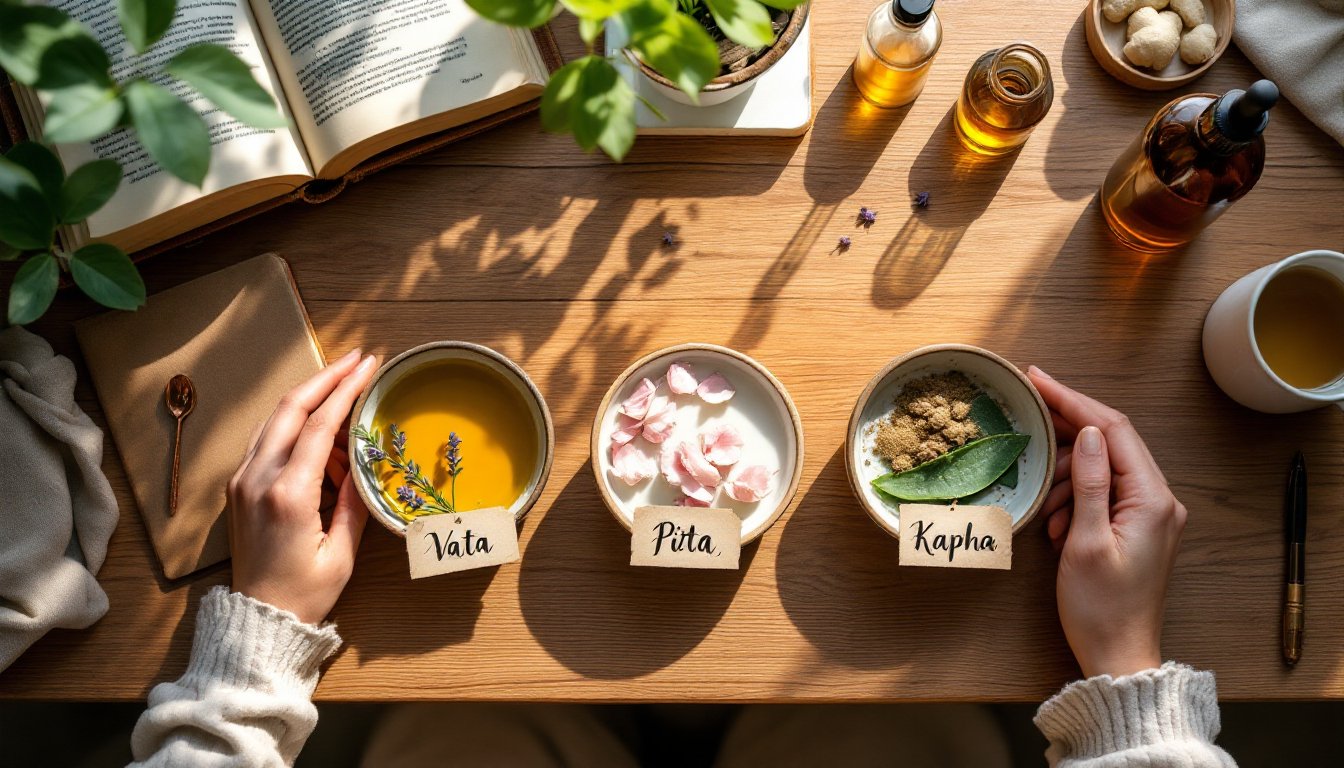
Before you buy a single oil or herb, it helps to know which energies tend to run the show in your body. The three doshas, Vata, Pitta, and Kapha, are blends of qualities (think dry, hot, heavy, mobile, oily, cool) that shape how you look, feel, and react to the world.
Most of us are a mix, with one or two dominant. Knowing yours helps you choose ingredients that balance rather than aggravate. The principle is simple: opposites soothe. If your skin runs hot, you don’t want sharp, heating things on it. If it runs dry, you don’t want more dryness.
Try this today: Take five quiet minutes with a free dosha quiz online, or just notice your skin’s tendencies this week. Good for everyone. Not a diagnosis, just a starting map.
Vata, Pitta, and Kapha Skin Types Explained
Vata skin tends to be dry, thin, cool to the touch, and prone to fine lines, especially when you’re sleep-deprived or living on coffee and crackers. It loves warm oils, steady routines, and rich, grounding foods.
Pitta skin is warm, often fair or freckled, and quick to flush, break out, or react when life gets spicy (literally and emotionally). It thrives on cool, calming, slightly sweet care, think rose, coconut, and aloe.
Kapha skin is smooth, oily, and beautifully plump, but it can feel congested, dull, or prone to blackheads when sluggish. It loves warmth, gentle exfoliation, and stimulating herbs that move stagnation.
Abhyanga: The Daily Self-Massage Ritual for Glowing Skin
If I had to keep only one Ayurvedic ritual, it would be abhyanga, warm oil self-massage. It sounds indulgent, but it’s actually one of the most practical things you can do for your skin, nervous system, and mood.
When you massage warm oil into your body, you’re doing several things at once. You’re countering the rough, dry, mobile qualities that age skin. You’re soothing the vata that lives in your nervous system, which calms prana and softens that wired-but-tired feeling. And you’re supporting lymph flow, which helps your tissues stay clear of ama.
The result over a few weeks? Skin that feels supple instead of papery. Better sleep. A face that looks rested even when life isn’t.
Try this today: Warm two tablespoons of oil, massage from feet upward for five to ten minutes, then shower with mild soap. Best in the morning. Skip during heavy congestion, fever, or your menstrual flow.
Choosing the Right Oil for Your Dosha
For Vata, sesame oil is my favorite, warming, heavy, and deeply nourishing for dry, cool skin. For Pitta, I reach for coconut or sunflower oil: they’re cooling and won’t stoke inner heat. For Kapha, lighter oils like almond or a herbalized mustard oil help move stagnation without adding heaviness.
If you’re not sure, organic sesame is a safe middle path for most people in cooler weather, and coconut works beautifully in summer.
Ubtan: The Time-Tested Herbal Face Cleanser You Can Make at Home
Long before foaming cleansers, my grandmother used ubtan, a soft paste of flours, herbs, and milk or water. It cleanses without stripping, gently lifts dullness, and leaves skin feeling smooth rather than squeaky.
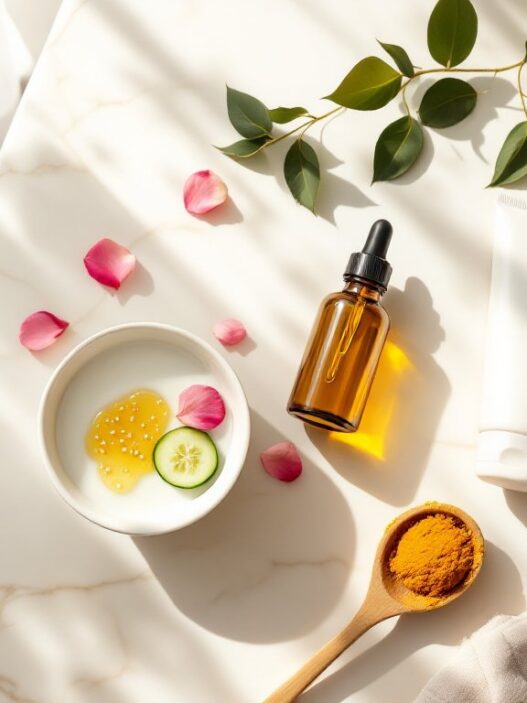
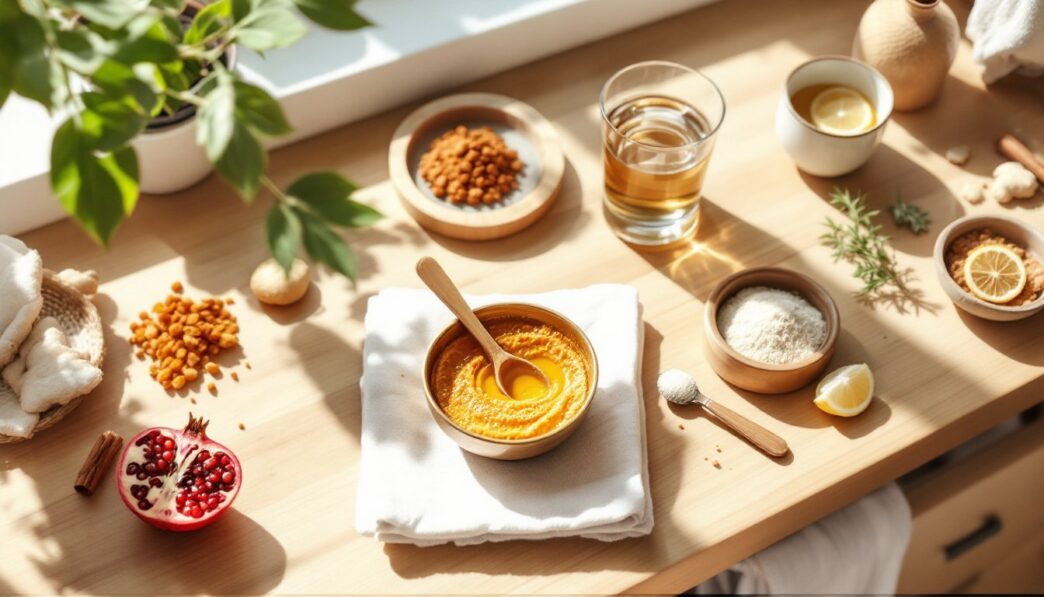
A basic ubtan I love: one teaspoon of chickpea flour, a pinch of turmeric, a tiny pinch of sandalwood powder, and enough raw milk (or rosewater for Pitta, or yogurt for Vata) to make a paste. The slightly rough, absorbent quality of the flour lifts oil and ama from the surface, while turmeric brings a subtle, warming clarity to the complexion.
For Vata, add a few drops of almond oil so it doesn’t feel too dry. For Pitta, swap turmeric for a pinch of sandalwood and use cool rosewater. For Kapha, add a pinch of dry ginger or triphala powder to help move congestion.
Try this today: Mix, apply to a damp face, let it sit for two minutes, then rinse with lukewarm water. Three minutes total, two to four times a week. Patch test first if your skin is reactive.
Jihwa Prakshalana: Tongue Scraping for Inner and Outer Radiance
This one surprised me the most. The morning I started scraping my tongue, my breath felt fresher, my taste buds woke up, and within a few weeks, my skin looked clearer too. It seems too small to matter, and that’s exactly why it works.
Overnight, your body pushes toxins and undigested residue, ama, up onto your tongue. If you swallow that coating with your morning water, you reintroduce it to your system. Over time, that sluggish, dull quality shows up in your complexion.
Tongue scraping also gently stimulates your digestive organs and sharpens agni, your inner digestive fire. Stronger agni means less ama, and less ama means brighter skin, clearer eyes, and steadier energy.
Try this today: First thing in the morning, before water or coffee, glide a copper or stainless steel scraper from back to front, seven to ten times. Thirty seconds. Good for everyone. Be gentle, no pressing or scratching.
Nourishing From Within: Ayurvedic Foods and Herbs for Beauty
No cream can outwork what you eat. In Ayurveda, your skin is fed by rasa dhatu, the nutritive plasma formed from well-digested food. When agni is steady, rasa flows well, and your skin looks juicy and alive. When meals are rushed, cold, or eaten at odd hours, rasa thins out and skin starts to look tired.
I lean on warm, lightly oiled, mostly cooked foods, soupy lentils, ghee on rice, stewed apples with cinnamon, leafy greens sautéed in cumin. Sweet, juicy fruits like pears and pomegranates are wonderful for Pitta. Warming spices like ginger and black pepper suit Kapha. Vata loves anything moist, grounding, and a little sweet.
Midday is your strongest agni window, so make lunch the biggest, most colorful meal of the day. Light dinners before sunset help your body do its overnight repair work, which is where real skin renewal happens.
Try this today: Eat one warm, unhurried meal at a table, no screen. Twenty minutes. Good for everyone.
Triphala, Turmeric, and Other Hero Ingredients
Triphala is my quiet favorite, a blend of three fruits that gently supports digestion and elimination. Half a teaspoon in warm water before bed helps clear ama, and clear ama almost always shows up on the face. Turmeric brings a soft, warming clarity, internally and externally. Amla (Indian gooseberry) is loaded with the cooling, rejuvenating qualities that feed ojas. And Brahmi or ashwagandha, taken at night, calm the nervous system so your skin isn’t carrying yesterday’s stress.
Dinacharya: Building a Simple Ayurvedic Daily Routine
Dinacharya is the Ayurvedic daily routine, and honestly, it’s the secret behind every glowing face I’ve met. The skin loves predictability. Same wake time, same meals, same wind-down, that subtle steadiness builds ojas day after day.
A simple morning might look like this: wake before sunrise, scrape your tongue, sip warm water, do a short abhyanga, shower, and eat a warm breakfast. In the evening, dim the lights after sunset, eat early, and try to be in bed by ten. That late-night scroll is one of the fastest ways to dry out vata and burn through tejas, and your skin will tell on you.
If You’re More Vata, Pitta, or Kapha
If you’re more Vata, keep things warm, oily, and unhurried. Cook with sesame oil, eat at the same times daily, and avoid skipping meals or icy drinks. Slow yoga, not bootcamp.
If you’re more Pitta, cool things down. Coconut oil massage, moonlight walks, sweet juicy fruits, and a firm no to spicy late dinners. Avoid scorching midday sun and harsh exfoliants.
If you’re more Kapha, bring in movement and warmth. Dry brush before showering, drink ginger tea, choose lighter grains, and avoid heavy dairy and daytime naps that leave skin puffy.
Seasonal Adjustment: Ritucharya
Your rituals shift with the seasons. In hot summer (high Pitta), switch to coconut oil, rosewater, cooling foods, and cucumber on tired eyes. In cold, dry winter (high Vata), lean into heavier sesame oil massages, warm soups, and a humidifier by the bed. In damp, sluggish late winter or spring (high Kapha), favor dry brushing, ginger tea, and a brisker morning walk to clear stagnation.
A Brief Word on Modern Life
Most of our skin issues today, dullness, breakouts, sensitivity, trace back to a stressed nervous system, irregular meals, and poor sleep. Ayurveda doesn’t ask you to escape modern life. It just invites you to bring rhythm into it. Warm oil at night soothes vata so cortisol drops. Tongue scraping kickstarts agni. A real lunch settles your mind. The skin follows.
Try this today: Pick one habit, tongue scraping, abhyanga, or an earlier dinner, and stay with it for two weeks before adding the next. Five minutes a day. Good for everyone.
A gentle note: this is general education, not medical advice. If you’re pregnant, managing a condition, or taking medication, please check with a qualified professional before starting new herbs or routines.
A Soft Closing
The most beautiful thing about Ayurvedic beauty rituals is how kind they are. Nothing is rushed. Nothing is harsh. You’re simply coming home to your own rhythm, and your skin slowly remembers how to glow on its own.
If you try even one ritual from this guide, I’d love to hear which one called to you. Share this with a friend who could use a slower, softer morning. And tell me, what’s the very first ritual you’re going to try this week?