




How Nutrition Shapes Your Hair, Skin, and Nails From the Inside Out
Here’s how I like to picture it. Every bite you take is broken down by your digestive fire, what Ayurveda calls agni. When agni is steady and warm, food becomes clean nourishment that travels through your tissues, finally feeding the deepest layers: bone, marrow, and reproductive vitality. Hair and nails are considered offshoots of bone tissue. Skin reflects the health of blood and fat tissues. So your glow is built from the inside, layer by layer.
When agni dips, undigested residue (called ama) builds up. That sticky, heavy quality is often what shows up as dull skin, brittle nails, a coated tongue, or hair that feels lifeless. You can eat the most expensive superfood in the world, but if your digestion can’t convert it, you won’t see the shine.
The other piece is the vitality triad: ojas (your deep resilience and dewy softness), tejas (the metabolic spark behind clear, luminous skin), and prana (the life force that keeps your scalp and nail beds well-circulated). Real beauty foods feed all three.
Try this today: before your next meal, take three slow breaths and sip a few ounces of warm water. Two minutes. Good for almost everyone: skip the warm water sipping during meals if you already feel bloated or overly full.
The Essential Nutrients Your Beauty Routine Can’t Skip
Modern nutrition science and Ayurveda agree on more than you’d expect. The nutrients below matter, but Ayurveda asks one extra question: can you actually digest and assimilate them? That’s the difference between a supplement shelf and a real glow.
Protein, Biotin, and Keratin-Building Blocks
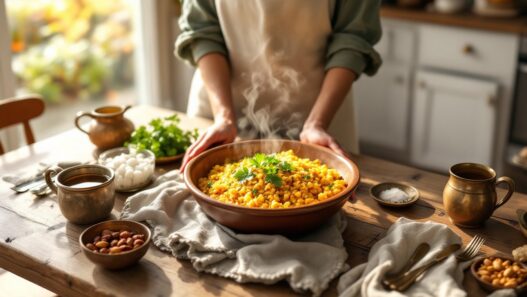
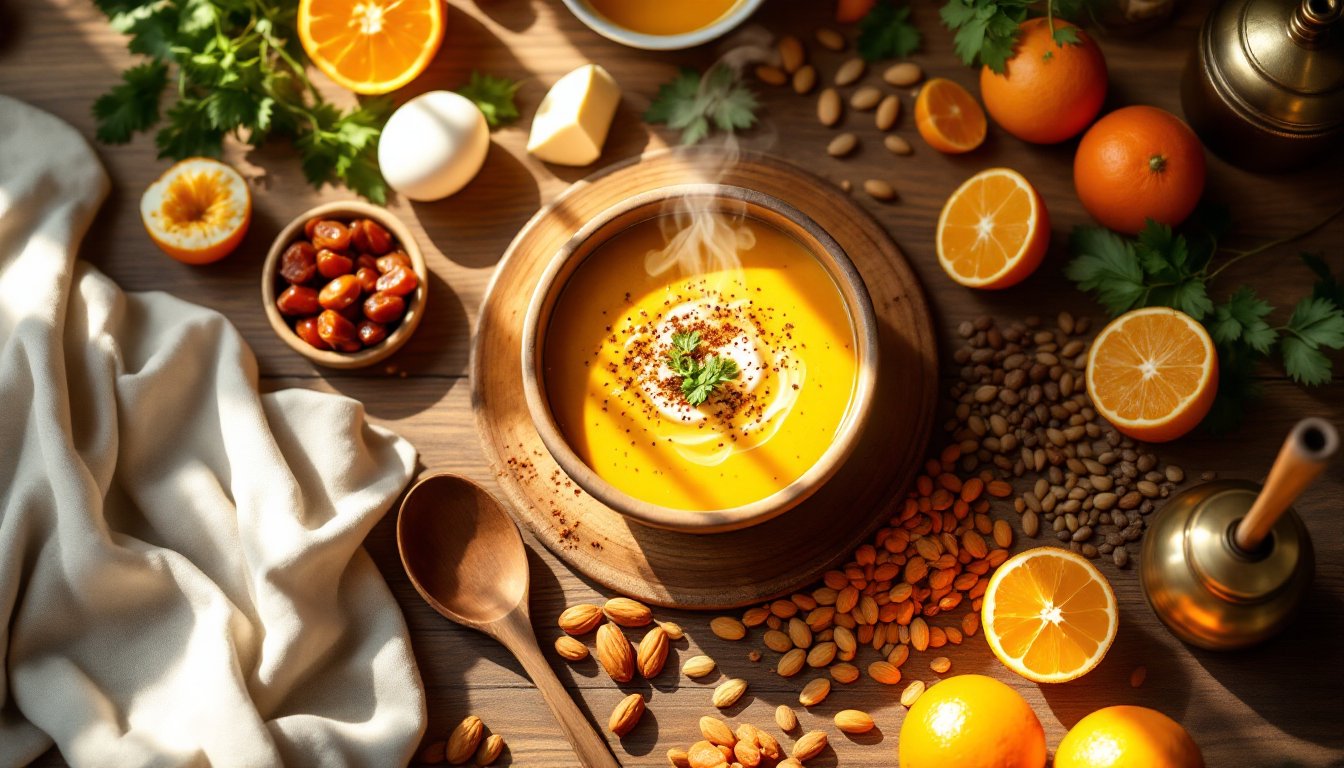
Hair and nails are mostly keratin, and keratin is built from protein. In Ayurvedic terms, well-cooked, easily digestible proteins help nourish the deeper tissues without overloading agni. I lean on mung dal, soaked and cooked lentils, paneer, soft-cooked eggs, and tender fish. These feel light yet building, exactly the balance you want.
Raw protein powders and cold, heavy shakes can feel dull and gross to digest, especially for Vata and Kapma types. Warm, spiced, and slightly oily preparations land better.
Try this: swap one cold protein shake this week for a warm mung dal soup with ghee and cumin. 15 minutes. Great for most: if you have a known legume sensitivity, start small.
Vitamins A, C, D, and E for Cellular Renewal
These vitamins support cellular turnover, which Ayurveda links to tejas, that inner metabolic spark behind clear, even-toned skin. Cooked carrots and sweet potatoes (A), amla and citrus (C), morning sunlight on bare skin (D), and almonds or sunflower seeds (E) cover most of the bases.
I find cooked, lightly oiled vegetables far easier on agni than huge raw salads, especially in cooler months when the body craves warmth.
Try this: roast sweet potato wedges with ghee and a pinch of cinnamon tonight. 25 minutes. Soothing for Vata and Pitta: Kapha types, keep portions modest.
Minerals Like Zinc, Iron, and Selenium
Zinc helps wound healing and nail strength. Iron carries prana-rich oxygen to your scalp. Selenium supports thyroid function, which quietly governs hair growth. Pumpkin seeds, sesame seeds, dates, raisins soaked overnight, and a couple of Brazil nuts cover a lot of ground.
Mineral-rich foods tend to be heavy and stable in quality, which beautifully balances the dry, mobile nature of stressed-out Vata skin and hair.
Try this: soak 6 raisins and 2 dates overnight: eat them first thing. 1 minute in the morning. Lovely for Vata and Pitta: Kapha types can use fewer.
Fatty Fish and Omega-3 Powerhouses for a Healthy Glow
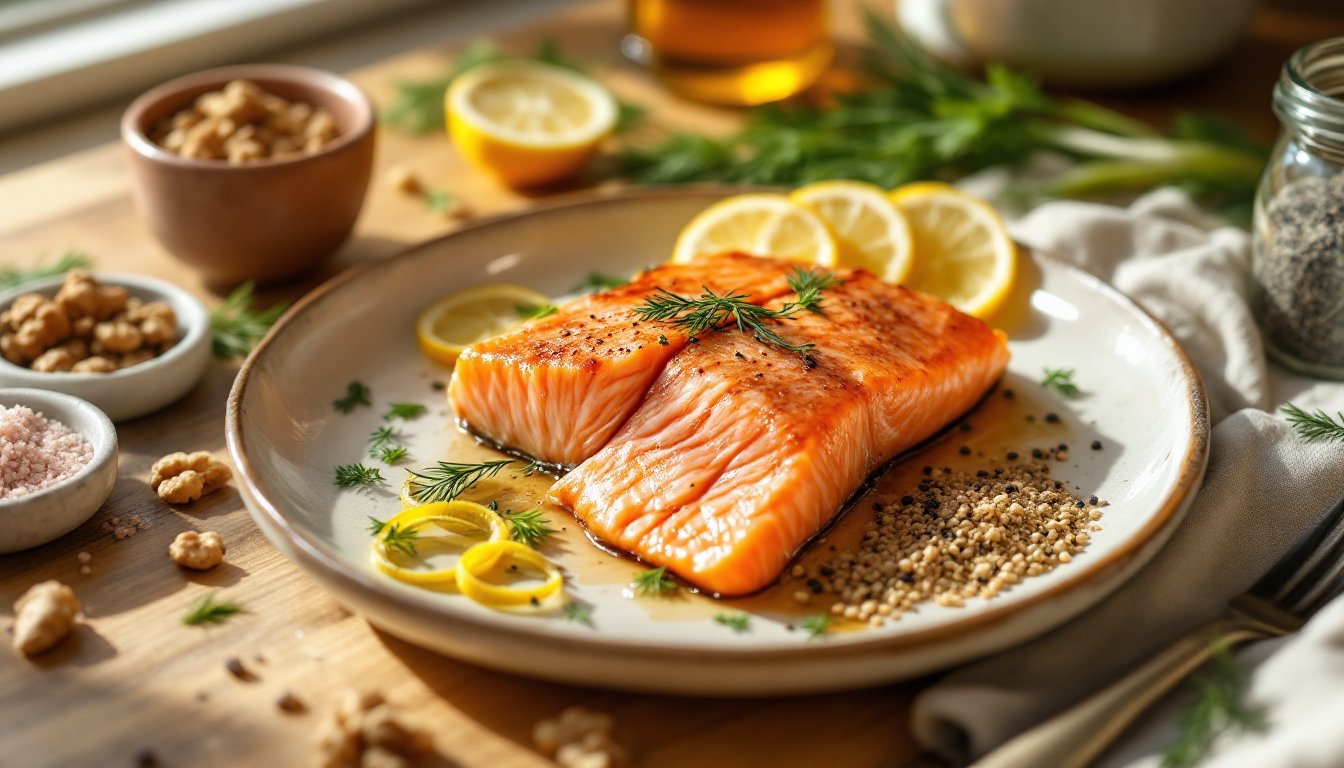
Omega-3-rich foods bring an oily, smooth, slightly heavy quality that directly counters the dry, rough, brittle pattern of Vata-aggravated skin and hair. Think wild salmon, sardines, mackerel, and for plant-based eaters, soaked flax, chia, walnuts, and hemp seeds.
In Ayurvedic language, healthy fats are snigdha, unctuous. They build ojas, lubricate tissues, and keep the nervous system steady, which matters more than people realize. A frazzled nervous system shows up as thinning hair faster than you’d think.
I cook fish simply: a little ghee, fresh ginger, lemon, fennel. The warming spices keep the meal from feeling too cold or heavy for agni. For plant sources, I grind flax fresh and stir it into warm oatmeal rather than eating it cold and raw.
A gentle note: oily fish can aggravate Pitta if eaten too frequently or with sharp, spicy sauces. Keep preparations cooling and simple.
Try this: this week, add one palm-sized serving of fatty fish or a tablespoon of freshly ground flax to a warm meal twice. 10 minutes prep. Wonderful for Vata: moderate for Pitta: Kapha types do better with smaller portions and more spices.
Leafy Greens and Colorful Vegetables That Boost Collagen
Greens are the great purifiers. They’re slightly bitter and astringent, which helps clear ama from the blood, and clean blood is the secret behind clear skin. Spinach, kale, arugula, dandelion, moringa, cilantro, and parsley all earn a regular spot on my plate.
Colorful vegetables, beets, carrots, red bell peppers, pumpkin, bring antioxidants that protect collagen, the scaffolding under your skin. Ayurveda would describe them as building, grounding, and gently sweet, which feels supportive rather than depleting.
Here’s my one shift: cook them. Lightly sautéed greens with cumin, coriander, and a drizzle of olive oil or ghee are far kinder to agni than a giant cold salad. The light, mobile quality of raw greens can scatter Vata and chill digestion, especially in cooler weather.
Try this: tonight, wilt two big handfuls of greens in ghee with a pinch of cumin and salt. 5 minutes. Excellent for Pitta and Kapha: Vata types, keep them well-cooked and oiled.
Nuts, Seeds, and Whole Grains for Stronger Strands and Nails
If hair and nails are byproducts of bone tissue, then dense, mineral-rich foods are their best friends. Almonds (soaked and peeled), walnuts, pumpkin seeds, sunflower seeds, sesame seeds, and whole grains like oats, barley, and red rice all give that steady, building support.
Soaking changes everything. A handful of almonds soaked overnight and peeled in the morning feels light and smooth on digestion, where the same nuts raw can feel sharp, rough, and gross to break down. Same with seeds, a quick toast wakes them up and makes them more digestible.
Whole grains stabilize blood sugar, which keeps the nervous system calm and prana flowing evenly. Quick blood sugar swings are an underrated cause of stress-driven shedding.
Try this: tomorrow morning, eat 5 soaked, peeled almonds and a small bowl of warm oats cooked with cinnamon and a drizzle of ghee. 15 minutes. Lovely for Vata and Pitta: Kapha types, use less ghee and choose barley or millet some days.
Berries, Citrus, and Antioxidant-Rich Fruits for Radiant Skin
Berries, pomegranate, amla, oranges, sweet limes, and seasonal stone fruits are little gifts for your skin. They’re cooling, slightly astringent, and packed with vitamin C, which your body uses to weave collagen. Amla in particular is one of Ayurveda’s most respected fruits for hair and skin, it’s rejuvenating without being heating.
There’s a timing piece here, too. Ayurveda generally suggests eating fruit on its own, not piled on top of dairy or a heavy meal. Mixing fruit with milk or yogurt can create a heavy, sticky combination that feeds ama rather than ojas. I treat fruit as a mid-morning or mid-afternoon snack when agni is bright.
Room-temperature or gently stewed fruit is much easier on digestion than fridge-cold berries straight from the carton, especially in winter or for Vata-prone folks.
Try this: mid-morning tomorrow, enjoy a small bowl of seasonal berries or a pomegranate on its own. 5 minutes. Cooling for Pitta: Vata, warm slightly: Kapha, keep portions small and choose tart varieties.
Hydration, Healthy Fats, and Foods to Limit for Best Results
Hydration in Ayurveda isn’t just chugging water. It’s about absorbed hydration, fluid that actually reaches your tissues. Warm or room-temperature water sipped through the day works far better than icy water in big gulps, which dulls agni and can leave you feeling puffy yet still thirsty.
For healthy fats, ghee is my quiet hero. A teaspoon in your dal, soup, or warm grain dish lubricates tissues, supports ojas, and helps fat-soluble vitamins land where they’re needed. Cold-pressed sesame and coconut oils have their seasonal moments too.
Foods to gently limit: very cold drinks, deep-fried foods, leftovers more than a day old, packaged snacks, excess caffeine, and refined sugar. These tend to be heavy, dull, and ama-forming, the opposite of what skin and hair need to thrive.
If you’re more Vata
Your skin trends dry, your hair frizzes, and your nails can be thin and ridged. You need warm, oily, grounding foods: cooked grains, root vegetables, soaked nuts, ghee, stewed fruits, warming spices like ginger and cinnamon. Keep meals on a steady rhythm, three warm meals at roughly the same times. Avoid cold, raw, and crunchy-dry foods like big salads, crackers, and iced drinks.
Try this: a daily warm sesame oil self-massage before showering, 5 minutes. Beautiful for Vata: skip if you’re congested or unwell.
If you’re more Pitta
Your skin can flush, break out, or feel sensitive: your hair may gray or thin early. Lean on cooling, sweet, and slightly bitter foods: cucumbers, cilantro, coconut water, sweet fruits, leafy greens, basmati rice, ghee, and amla. Eat lunch by 1 p.m. when your fire is naturally strongest. Avoid fried foods, excess chili, alcohol, and skipping meals.
Try this: sip room-temperature coconut water or cucumber-mint water in the afternoon, 2 minutes to prep. Wonderful for Pitta: Kapha, keep it occasional.
If you’re more Kapha
Your skin is often soft and oily, your hair thick, your nails strong, but you may struggle with puffiness, oily scalp, or sluggish glow. Favor lighter, warmer, spicier foods: barley, millet, leafy greens, legumes, berries, ginger, turmeric, black pepper. Keep meals lighter and finish dinner early. Avoid heavy dairy, fried foods, and excess sweets.
Try this: start the day with warm water and lemon plus a brisk 20-minute walk. Energizing for Kapha: skip lemon if you have acid reflux.
Your ideal daily routine for beauty from within
A simple dinacharya does more for your glow than most serums. In the morning, scrape your tongue, sip warm water, and do a few minutes of gentle movement. This clears overnight ama and wakes prana in the channels feeding your skin and scalp.
In the evening, aim to finish dinner two to three hours before bed and step away from screens at least 30 minutes before sleep. Deep sleep is when ojas is built, and ojas is the literal source of that dewy, well-rested look.
Try this: tongue scraping plus warm water, every morning for one week. 2 minutes. Suitable for everyone.
Seasonal adjustment
In hot, dry summer months, lean into cooling, hydrating foods, cucumbers, melons, coconut, mint, sweet berries, and reduce sharp, hot spices. In cold, dry winter, swing toward warm soups, stewed fruits, more ghee, and warming spices to counter the rough, cold, mobile qualities of the season. In humid, damp weather, favor lighter, drier foods and more ginger to keep Kapha from accumulating.
Try this: match one meal a day to the current season this week. 0 extra minutes, just a swap. Good for everyone.
Modern relevance
Here’s where Ayurveda quietly meets modern science. Chronic stress raises cortisol, disrupts the gut, and shows up on your face within weeks. Ayurveda has been pointing at this nervous-system-digestion-skin loop for centuries, just in different language. Warm food, steady meal times, healthy fats, and real sleep aren’t old-fashioned, they’re some of the most evidence-aligned beauty tools available.
Try this: set one consistent lunchtime this week, ideally between 12 and 1 p.m. 0 minutes, just a calendar nudge. Helpful for everyone managing stress.
A gentle closing thought
Real beauty, the kind that lasts, isn’t built on a 12-step routine. It’s built on warm meals, calm digestion, deep sleep, and food that suits your body in this season. Start with one shift this week, maybe soaked almonds in the morning, or finishing dinner a little earlier, and notice how your skin, hair, and nails respond over a month.
A small note from me: this is general education, not medical advice. If you’re pregnant, managing a condition, or taking medication, please check with a qualified professional.
I’d love to hear from you. Which food or habit feels most doable for your life right now, and what’s one beauty struggle you’d like to understand through an Ayurvedic lens next?