




What Is Panchakarma?
At its core, panchakarma is Ayurveda’s deep cleansing protocol. The word literally translates to “five actions”, five specific therapeutic procedures designed to pull accumulated waste (what Ayurveda calls ama) out of the body’s deeper tissues and channels.
But it’s not just about removal. Panchakarma works because it respects a sequence. First, the body is softened and prepared. Then ama is loosened from wherever it’s lodged, joints, digestive tract, blood, fat tissue. Finally, it’s guided out through the body’s natural elimination routes.
Think of it like this: if your kitchen drain is clogged, you don’t just blast water through it. You soften the buildup first, then flush. Panchakarma follows that same intelligent logic, but applied to your entire physiology, your digestive fire (agni), your tissues, your nervous system.
The reason ama accumulates in the first place comes down to dosha imbalance and weakened agni. Maybe Vata has been running high, too much movement, cold, dry, irregular eating, and your digestion became erratic. Or Pitta’s sharp, hot qualities pushed your metabolism into overdrive, creating a different kind of residue. Or Kapha’s heavy, cool, stable nature slowed everything down until things started sticking. Panchakarma addresses all of this, tailored to what’s actually going on in your body.
The Five Core Therapies of Panchakarma
The five procedures are vamana (therapeutic emesis), virechana (purgation), basti (medicated enemas), nasya (nasal administration), and raktamokshana (blood purification). Not everyone receives all five. A practitioner selects which ones you need based on your constitution, your current imbalances, and the season.
Vamana works primarily on Kapha accumulation, think heavy, oily, stagnant buildup in the upper body and lungs. Virechana targets Pitta-related heat and sharpness concentrated in the gut and liver. Basti is considered the most important for Vata, addressing dryness, mobility, and instability in the colon and lower body. Nasya clears the subtle channels of the head and sinuses. Raktamokshana, less commonly used today, addresses deep-seated Pitta conditions in the blood.
Each therapy leverages the principle of opposites. Heaviness is met with lightness. Dryness is met with unctuousness. Heat is met with cooling. It’s precise, not random.
What Panchakarma Is Not
I want to be direct here because there’s a lot of repackaging happening in the wellness world.
Panchakarma is not a weekend juice cleanse. It’s not a detox tea program. It’s not a DIY protocol you piece together from YouTube videos.
It’s also not a spa treatment, even though some of its preparatory procedures, like warm oil massage (abhyanga) and herbal steam (swedana), feel wonderfully relaxing. Those steps exist to loosen ama and open channels. They’re therapeutic, not cosmetic.
And panchakarma isn’t something you rush. The idea of doing it over a long weekend misses the point entirely. Your body needs time, time to soften, time to release, time to rebuild. Trying to compress that timeline can actually disturb Vata further, leaving you feeling more scattered and depleted than when you started.
One more thing: panchakarma isn’t punishment. It’s not about deprivation or “earning” wellness through suffering. The whole framework rests on nourishment, gentleness, and working with your body’s own intelligence. If a program feels harsh or aggressive, that’s a red flag.
How a Typical Panchakarma Program Works
A full panchakarma program unfolds in three phases, and each one matters. Skipping or shortchanging any phase undermines the whole process.
Preparation and Cleansing Phases
Purvakarma (preparation) comes first. This typically involves internal oleation, drinking small, increasing amounts of ghee over several days, and external oleation through warm oil massage. You’ll also receive herbal steam treatments. The ghee moves into your tissues and essentially coaxes ama out of its hiding places. The oil and steam soften everything, making channels more open and mobile.
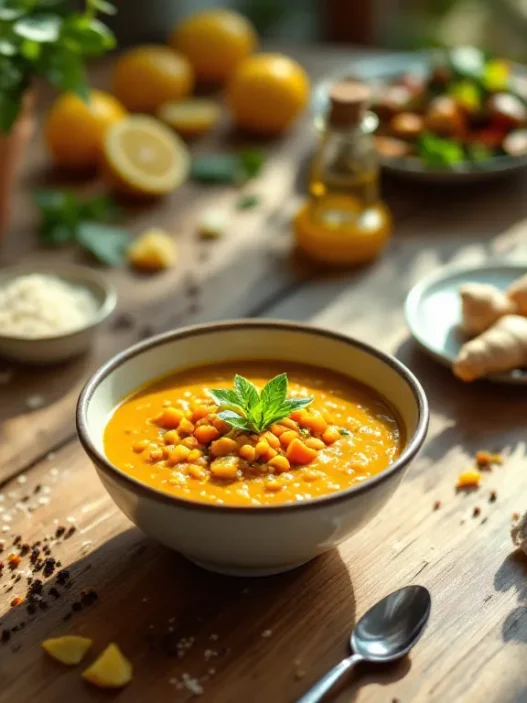
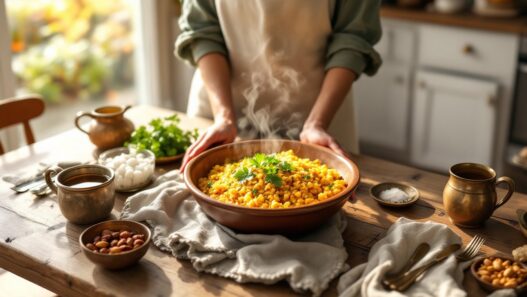
During this phase, you eat a simplified diet. Light, warm, slightly oily foods, think kitchari, simple soups. This protects agni while the body redirects its energy toward deep cleaning. The qualities here are intentional: warm counters cold, oily counters dry, soft counters rough.
Then comes pradhanakarma, the main cleansing. This is where the selected procedures (vamana, virechana, basti, nasya) are administered. The timing is precise, often aligned with time of day and seasonal rhythms. For instance, Kapha-related therapies tend to be scheduled in the morning during Kapha time, when those qualities are naturally more active.
Finally, paschatkarma (rebuilding) follows. This is the phase many people underestimate. After cleansing, your agni is delicate, like a small flame. You rebuild it gradually with easily digestible foods, gentle movement, rest, and rejuvenating herbs. This is where ojas, your deep vitality and resilience, gets replenished. Tejas, that inner metabolic clarity, rekindles. And prana, your life force and nervous system steadiness, settles back into a calm, strong rhythm.
Rushing back to normal life during paschatkarma is one of the most common mistakes I see. Your channels are wide open. Your tissues are receptive. What you take in during this window, food, sensory input, emotional energy, gets absorbed deeply.
Who Is Panchakarma For?
Traditionally, panchakarma is recommended for anyone dealing with deep-seated imbalances that simpler adjustments haven’t resolved. If you’ve been eating well, sleeping reasonably, and still feel heavy, foggy, achy, or stuck, ama may have migrated into deeper tissues where daily habits alone can’t reach it.
It’s also considered beneficial at seasonal junctions, particularly the transitions into spring and autumn, when the body naturally wants to release what’s accumulated.
If you’re more Vata-dominant, you might notice dryness, restlessness, anxiety, constipation, and joint cracking that won’t resolve. Basti-centered panchakarma can be deeply grounding for you. Try incorporating warm sesame oil self-massage each morning for a week as a gentle starting point, about 10 minutes before your shower. This is for anyone with Vata tendencies, though skip the oil if you’re running a fever.
If you’re more Pitta-dominant, signs like skin flare-ups, irritability, acid reflux, and burning sensations point toward accumulated heat and sharpness. Virechana-based panchakarma helps cool and clear that excess. Consider drinking a small cup of room-temperature aloe vera juice 20 minutes before lunch daily. This is great for Pitta types, but avoid it if you have loose stools or are pregnant.
If you’re more Kapha-dominant, persistent heaviness, water retention, sinus congestion, and lethargy suggest buildup that’s become dense and sticky. Vamana or nasya may be central to your program. Try dry-brushing your skin each morning for 3–5 minutes before bathing to stimulate circulation and counter that dull, heavy quality. This suits Kapha types well, though go gently if your skin is irritated or broken.
Who Should Avoid or Postpone Panchakarma
Panchakarma isn’t appropriate for everyone at every time. Pregnant women, very young children, elderly individuals with significant weakness, and anyone in the acute phase of illness or fever aren’t candidates. People who are extremely depleted, where ojas is already very low, need nourishment first, not further cleansing.
If you’re taking strong medications or managing a serious health condition, talk with both your doctor and a qualified Ayurvedic practitioner before considering panchakarma. It’s a powerful process, and powerful processes deserve respect.
What to Expect From Your First Panchakarma Experience
Honestly? Expect it to be quieter than you imagined. Much of panchakarma involves resting, eating simple meals, and receiving treatments in a calm environment. It’s not dramatic. It’s deliberate.
During the first few days of preparation, you might feel a bit sluggish or emotionally stirred up. That’s normal, ama is mobilizing. Some people get headaches, mild nausea, or feel unusually tired. These are signs that things are moving, not signs that something’s wrong.
The main cleansing procedures themselves vary in intensity. Basti, for example, is relatively gentle. Vamana can feel more demanding. Your practitioner will guide you through each step.
Afterward, most people describe a feeling of lightness and clarity that’s different from the temporary high of a juice fast. It’s subtler, a steadiness. Your digestion often feels sharper, your sleep deeper, your mind less cluttered. That’s agni coming back online and prana flowing more freely.
Two daily habits I’d suggest building into your routine around any cleansing experience: wake before sunrise (even 15 minutes earlier than usual helps align your body’s rhythms with nature’s Vata-to-Kapha transition), and eat your main meal at midday when digestive fire is naturally strongest. These anchors support agni regardless of your dosha type. They take zero extra time, just intention. Good for everyone, though the early rising can be adjusted if you’re recovering from illness and need more sleep.
For a seasonal adjustment: if you’re considering panchakarma in late winter or early spring, this is classically ideal for Kapha-type cleansing. The earth is warming, moisture is rising, and the body naturally wants to shed winter’s heavy, cool, stable accumulation. In early autumn, Pitta-focused cleansing works beautifully as the lingering summer heat begins to release. Aligning your cleanse with the season amplifies results, try scheduling your program within two weeks of the spring or autumn equinox. This applies broadly, though consult your practitioner for personal timing.
One bridge to modern life: much of what we now understand about the gut-brain connection, the lymphatic system, and the role of rest in cellular repair echoes what Ayurveda has mapped for centuries through the frameworks of agni, ama, and ojas. Panchakarma isn’t alternative, it’s original. Consider reading one Ayurvedic text alongside your favorite modern health book and noticing where they converge. About 20 minutes of reading, suitable for anyone curious, no contraindications.
Conclusion
Panchakarma isn’t a trend. It’s not a quick fix. It’s one of the oldest, most carefully structured approaches to deep renewal that exists, and it works because it doesn’t fight your body. It works with it.
If you’ve been feeling like something’s off beneath the surface, something that better food and more sleep haven’t quite touched, panchakarma might be worth exploring. Not as an emergency measure, but as an act of deep care.
Start small if a full program isn’t accessible right now. The self-massage, the simplified eating, the seasonal awareness, these are all pieces of the same tradition, and they add up.
I’d love to hear from you. Have you experienced panchakarma, or are you considering it for the first time? What drew you to it, and what questions do you still have? Drop a thought in the comments or share this with someone who’s been curious.